Crossbow Bolt Price
Crossbow bolt price is often roughly $30 to $100 per six-pack, with practice bolts usually toward the low end and hunting-grade matched bolts often toward the high end. Buy the wrong type, and accuracy drops, broadheads plane more, and money gets spent on bolts that do not group well. This guide breaks down bolt costs by use case and shows when cheaper practice bolts make sense versus when better consistency is worth paying for.
Top pick and price snapshot


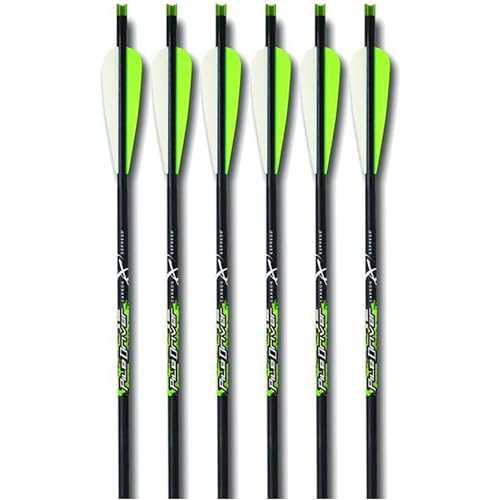
The best overall buy for most hunters is a carbon bolt in the middle price bands. It usually gives better consistency than bargain practice packs without jumping into premium pricing that mainly matters for tight broadhead grouping or lighted-nock setups.
Quick picks by budget
| Best for | Typical spec | Price range | What you usually get |
|---|---|---|---|
| Practice-first buyers | Carbon or aluminum, 20-inch, standard nocks, field points | Under $50 | Basic consistency, larger packs, lower replacement cost |
| Balanced value | Carbon, 19- to 20-inch, .003 straightness | Around $50-$60 | Better grouping than bargain bolts, still affordable to shoot often |
| Hunting-focused consistency | Carbon, 20- to 22-inch, tighter straightness, hunting nocks | $70-$90 | Better lot-to-lot matching, more stable broadhead setup |
| Premium features | Matched bolts, lighted nocks, tighter tolerances | Over $100 | Higher replacement cost, but more hunt-ready details |
Under $50: practice-first buyers
This tier fits bolts that will be shot often, lost often, or used for tuning. Lower-cost carbon or aluminum bolts can be a smart buy for field points, short practice sessions, and backup kits. One current example: Hunting Giant lists Mission Crossbow Bolts 19 in. 300 gr. 3 pk. for $48.99, which is a small pack and a high per-bolt cost, but still a workable buy for a specific model match.
Around $50-$60: balanced value
This range often gives the best mix of price and usable consistency. Buyers start to see better straightness specs, more reliable nock fit, and less wasted money from bolts that leave the package with obvious mismatch problems. For many hunters, this is the sweet spot for practice and field use.
$70-$90: hunting-focused consistency
This tier is where price starts reflecting tighter tolerances, better matching, and more hunt-ready features. Hunting Giant lists Barnett Hyperflite Crossbow Bolts 22 in. 5 pk. for $89.99, and TenPoint Pro-V 22 Alpha-Brite Lighted Arrows 22 in. 3 pk. at $90.46. Those prices are high, but they usually buy features that matter when broadheads and game-day confidence are the goal.
Over $100: premium features and tighter specs
Once a pack clears $100, buyers are often paying for matched bolts, lighted nocks, or brand-specific setups that cut risk more than they cut raw cost. Barnett offers Headhunter 20-inch arrow bulk packs at a sale price from $99.99, and Barnett lists Headhunter 20-inch lighted arrow bulk 9-packs at $129.99. That jump is usually about features and convenience, not magic accuracy.
Which bolt fits your crossbow?
The right bolt has to match length, rail clearance, and nock system before price matters. A cheap bolt in the wrong length or the wrong nock style is a bad buy no matter how low the sticker price looks.
Length match: 16, 19, 20, or 22 inches
Common crossbow bolt lengths include about 16, 19, 20, and 22 inches. The crossbow model should drive the choice, because rail length and string travel affect what fits safely. Narrow-crossbow setups can need specific bolt length and profile guidance from the manufacturer, especially where clearance is tight.
Rail clearance and narrow-crossbow fit
Length is not the only issue. Rail clearance matters when a bolt rides close to the barrel or the scope mount, and some narrow-crossbow designs leave less room for wide fletching or oversized lighted nocks. If a bolt sits too short, too long, or too tall for the setup, money gets wasted fast.
Brand-specific bolts and safety
Some crossbows are designed around brand-specific bolts, nock systems, or weight windows. That is not a marketing detail to ignore. Safety and function both depend on model matching, especially with high-speed bows and narrow platforms that need the right shaft, tip weight, and nock geometry.
What makes one bolt cost more?
Price moves with material, straightness tolerance, weight consistency, vane setup, and pack size. Those specs change grouping, replacement risk, and how much a single miss costs over a season.
Carbon vs aluminum
Carbon usually costs more than basic aluminum, but it often brings better durability in hunting setups and more consistent weight selection across matched packs. Aluminum can be a smart value for practice or tuning because it often costs less, though it may bend or crush more easily.
Straightness tolerance and grouping
Straightness tolerance is a major price driver. The Killer Instinct Hypr-V bolt is listed at .003 inches, while the Carbon Express Maxima Crossbolt is described with a straightness tolerance of ± 0.0025 inches. Tighter tolerance usually costs more because it helps reduce small flight differences that show up at longer ranges.
Weight, vanes, and nock system
Weight affects speed and penetration, while vane choice affects stability and drag. Common weights such as about 300, 380, 390, and 439 grains can fit different setups. Four-inch vanes can add steadiness in flight, but they also add drag, which can trim speed. Moon nocks, flat nocks, lighted nocks, and V-Track nock systems all change compatibility and total cost.
Pack size and cost per bolt
Pack size changes the real price more than many buyers expect. A 3-pack can look affordable until the per-bolt cost is calculated. A 9-pack or 12-pack often lowers cost per shot for practice, while a 3-pack with lighted nocks can make sense only when the nock feature is part of the hunt plan.
Crossbow bolt buying matrix
This matrix shows how pack price, per-bolt cost, and hidden costs change by use case. The hidden-cost column matters because replacement tips, lighted nocks, and mismatch risk can erase a bargain fast.
| Category | Pack price | Per-bolt cost | Length | Weight | Straightness tolerance | Nock type | Best use case | Hidden costs |
|---|---|---|---|---|---|---|---|---|
| Budget aluminum practice pack | $42.54 | $7.09 | 20 in. | Typically midweight practice class | Usually standard production spec | Flat nock | Range practice and tuning | Tip replacements, bend risk, mismatch if not model-matched |
| Small hunting pack | $48.99 | $16.33 | 19 in. | 300 gr. | Model-specific pack spec | Standard hunting nock | Light hunting setup | Replacement broadheads, nock fit checks, limited spare count |
| Value carbon practice pack | About $55-$65 | About $9-$13 | 20 in. | 380 gr. to 390 gr. | .003 inches | Moon nock or flat nock | Frequent practice and sight-in | Field points, vane damage, wrong nock style for some bows |
| Matched carbon hunting pack | $70-$90 | $14-$18 | 22 in. | 390 gr. class | .003 inches or tighter | Brand-matched hunting nock | Hunting with fixed blades or field points for zeroing | Broadhead tuning, spare lighted nocks, brand mismatch |
| Lighted premium pack | $90.46 | $30.15 | 22 in. | Heavier hunting class | Tight matched pack spec | Lighted nock | Low-light hunting and recovery visibility | Battery changes, higher loss cost, extra nock expense |
| Bulk lighted hunting pack | $129.99 | $14.44 | 20 in. | Hunting class | Matched hunting spec | Lighted nock | Serious hunting volume with backup inventory | Replacement nocks, possible model mismatch, premium tip cost |
| High-end matched carbon bolt | Over $100 | Varies by pack size | 20 to 22 in. | 390 to 439 gr. | ± 0.0025 inches | V-Track or matched system | Precision broadhead setup | Higher replacement cost and tighter setup requirements |
When is a cheaper bolt the smarter buy?
A cheaper bolt is the smarter buy when the goal is practice, sight-in work, or backup inventory. It also fits when the crossbow is still being tuned and the shooter may swap tips, nocks, or vane setups before settling on a final hunting loadout.
Say your 20-inch practice bolts are grouping well with field points, but your hunting broadheads are not yet tuned. A lower-cost pack is the better choice for the next range session because the real problem is setup, not bolt price.
Practice and tuning
Field-point practice does not need premium hunting features. A cheaper carbon or aluminum bolt can do the job if the length, nock, and weight match the bow. That saves money while the shooter adjusts scope zero, broadhead alignment, and bolt choice.
Backup bolts for the field
Backup bolts do not need the most expensive spec sheet. They need to match the main set closely enough that a last-minute replacement does not change the point of impact too much. For that role, cost per bolt matters more than lighted nocks or premium branding.
When mismatch risk is low
If the bow is a straightforward model with clear bolt guidance and standard nocks, there is less reason to pay for premium packs. The cheap choice is safer when the setup is simple and the buyer is not pairing the bolt with fixed-blade broadheads or low-light accessories.
When should you pay for premium bolts?
Premium bolts earn their price when hunting-grade consistency matters more than replacement cost. That usually means tighter straightness tolerances, better lot matching, and nock systems that fit the bow exactly without extra trial and error.
Suppose a hunter is shooting a 390-grain bolt with a fixed-blade broadhead from a narrow crossbow. In that case, a tighter-spec carbon bolt is worth more than a bargain pack because small inconsistencies can show up as broadhead drift at distance.
Hunting-grade consistency
When the goal is dependable grouping with hunting heads, premium bolts help reduce the chance that one shaft flies differently from the rest. That matters more for fixed blades than for field points, and more at longer distances than at close range.
Heavier setups and broadhead pairing
Heavier bolts can support better penetration, but only if the bow and broadhead are matched correctly. That kind of weight class can suit hunting, but only if the bow is built for it.
Lighted nocks and tighter spec needs
Lighted nocks add cost, but they also add visibility after the shot. They are most useful in low-light hunts where arrow recovery matters. The tradeoff is simple: higher price, more parts to manage, and more parts that can fail or need replacement.
How to choose
Start with the crossbow manual, not the sticker price. Match length first, then nock system, then weight, then straightness tolerance. After that, decide whether the bolt is for practice, backup use, or hunting. That order keeps the buyer from overpaying for features that do not fit the bow.
- Check the listed bolt length for the bow: 16, 19, 20, or 22 inches.
- Confirm the nock style: moon, flat, lighted, or V-Track.
- Choose a weight that matches the hunting or practice goal.
- Look at straightness tolerance if grouping matters at longer range.
- Compare pack size and divide by bolt count to find the real cost per bolt.
- Factor in replacement tips, lighted nocks, and the risk of buying the wrong spec.
Frequently asked questions
How fast is a crossbow bolt
Speed depends on bolt weight, bow power, and setup. A lighter bolt can fly faster, while a heavier bolt usually gives up speed for better momentum and often better hunting behavior with broadheads. The right speed target is the one the crossbow is rated for with the chosen bolt weight.
How much does a crossbow bolt cost?
Most buyers see about $30 to $100 per six-pack, though small hunting packs and lighted-nock packs can cost more per bolt. The real cost depends on material, straightness tolerance, nock system, and whether the pack is meant for practice or hunting.
What is the average price of crossbow bolts?
A practical average falls in the middle of the market, where carbon practice packs and midgrade hunting packs overlap. In plain terms, many buyers land near the $50-$60 range for balanced value, while premium hunting packs climb into the $70-$90 band or higher.
Are expensive crossbow bolts worth it?
They are worth it when the hunt depends on tighter grouping, matched weight, and better broadhead behavior. They are not worth it for routine practice if a cheaper bolt already matches the crossbow well. The value comes from reduced mismatch risk, not from price alone.
What affects crossbow bolt price
Material, straightness tolerance, weight, vane type, nock system, and pack size all affect price. Carbon usually costs more than aluminum. Tighter tolerances cost more than looser ones. Lighted nocks and brand-specific packs also add cost, especially when the pack count is small.
What length crossbow bolt do I need?
Use the length listed for the crossbow model, usually 16, 19, 20, or 22 inches. Length must match rail clearance and the bow’s design. Narrow-crossbow setups need extra attention because the wrong length or vane height can create fit or safety problems.
Should I buy carbon or aluminum crossbow bolts?
Carbon is usually the better hunting choice because it tends to offer stronger consistency and better durability for repeated use. Aluminum can be the better budget choice for practice, tuning, or backup bolts. The decision should hinge on how often the bolt will be shot and whether broadheads will be used.
How many crossbow bolts come in a pack
Common packs are 3-pack, 5-pack, 6-pack, 9-pack, and 12-pack. Smaller packs often cost more per bolt, especially with lighted nocks. Larger packs usually lower cost per shot, which is useful for practice and for hunters who want spare bolts that match the main set.
Which crossbow bolts are best for hunting?
Hunting is usually best served by matched carbon bolts with the correct length, the right nock system, and a straightness spec tight enough for broadhead use. A 20- or 22-inch hunting bolt in the 390-grain class is common, but the best choice is always the one the crossbow is built to shoot safely and consistently.