Barebow Vs Traditional Archery: Key Differences Explained
Archery is more than just hitting a target, it’s a journey that blends skill, tradition, and technology. Many people are curious about the differences between barebow archery and traditional archery. Both styles look similar at first glance, with simple bows and no fancy gadgets, but they each have their own techniques, rules, and appeal. If you’re new to archery or looking to deepen your understanding, this guide will give you a clear picture of what sets barebow apart from traditional archery, how each style works, and what you need to know before choosing your path.


Understanding Barebow Archery
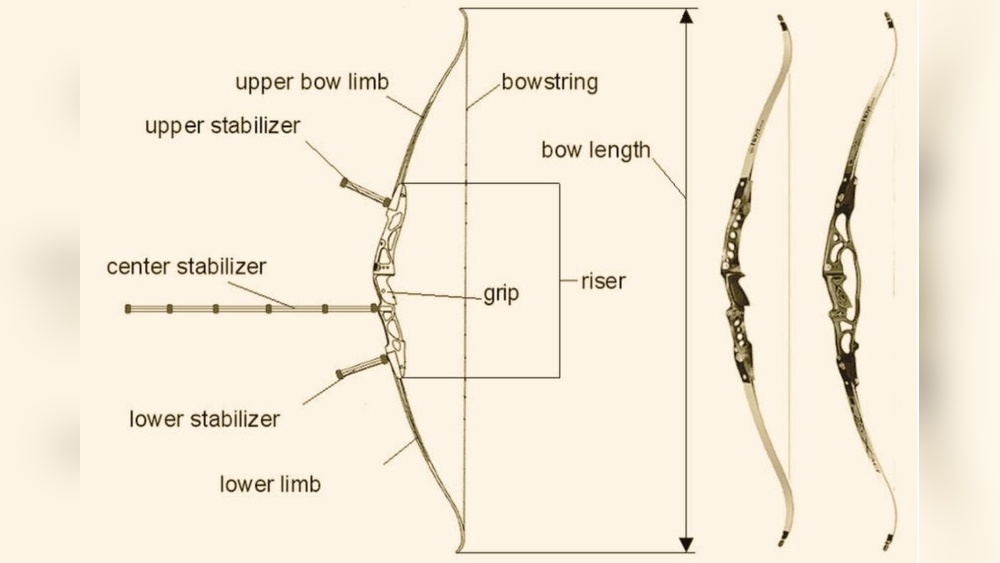
Barebow archery is a style where the archer uses a modern recurve bow without any sights, stabilizers, or other aiming devices. The focus is on pure skill, just you, the bow, and the arrow.
What Makes Barebow Unique?
In barebow archery, you use a recurve bow that is stripped of any extra equipment. No peep sights, no clickers, no stabilizers. This simplicity forces the archer to learn how to aim using instinct, body alignment, and anchor points.
One unique aspect is the string walking technique, where archers adjust their grip on the bowstring to change the arrow’s flight path for different distances. This method allows for accurate aiming at varying ranges, but it requires a lot of practice and a deep understanding of the bow’s behavior.
Rules And Competitions
Barebow archery is recognized as a separate division in many competitions, including the World Archery Federation. The rules are strict, only a simple recurve bow, an arrow rest, and a finger tab are allowed. No sights or stabilizers can be used.
The popularity of barebow archery has grown fast, especially after it was included in major tournaments. Many archers enjoy the challenge of relying on their own skill rather than on equipment.
Advantages Of Barebow
- Skill Development: You learn to rely on your own abilities.
- Affordable: Less equipment means lower costs.
- Portable: Fewer parts make travel and setup easier.
- Challenge: Many archers love the extra difficulty.
But there are challenges too. Learning barebow takes time and patience, and scores are usually lower than with modern, fully equipped bows.
Exploring Traditional Archery
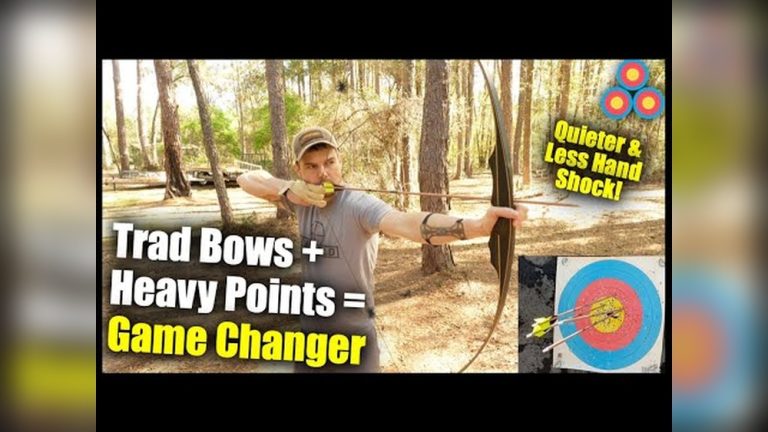
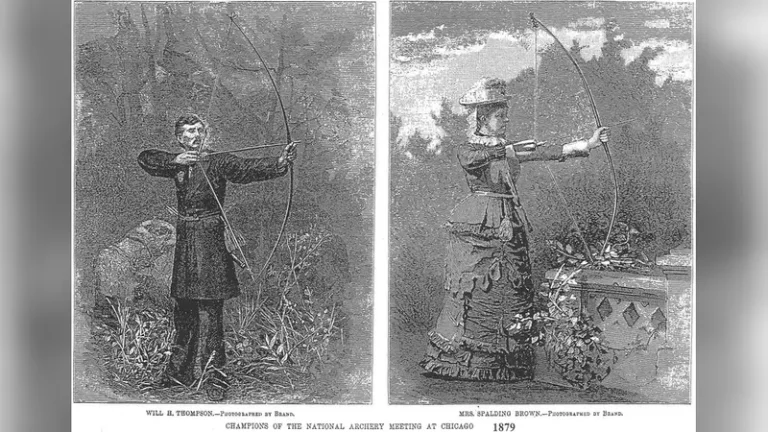
Traditional archery is a broad term. It covers styles that use bows similar to those from history, longbows, flatbows, and recurve bows without modern features.
Types Of Traditional Bows
- Longbow: Tall, simple bows with a D-shape. Used in medieval England.
- Flatbow: Wider limbs and a flatter profile, like the American flatbow.
- Recurve bow: Limbs curve away from the archer at the tips. Used by many cultures.
Traditional bows are usually made from wood or natural materials. Some modern traditional bows use fiberglass for strength, but they keep the simple, classic shape.
Instinctive Shooting
Traditional archers often use instinctive shooting. This means aiming without sights or reference points. Over time, the brain learns where to aim based on practice and muscle memory.
This method demands a lot of time and repetition. Some archers compare it to throwing a ball, the more you do it, the better your aim becomes.
Why Archers Choose Traditional Style
Many people are drawn to traditional archery because of the connection to history and nature. There’s a strong focus on the experience, the feel of the wood, the sound of the string, the simplicity of the process.
- Historical Appeal: Feels like stepping back in time.
- Focus: Many find it meditative and calming.
- Craftsmanship: Traditional bows are often handmade and beautiful.
Key Differences: Barebow Vs Traditional Archery
While barebow and traditional archery share simplicity, there are important differences in rules, techniques, and the overall experience. The following table highlights the main contrasts between the two styles:
| Aspect | Barebow Archery | Traditional Archery |
|---|---|---|
| Type of Bow | Modern recurve (no sights/stabilizers) | Longbow, flatbow, or simple recurve (often wood) |
| Aiming Method | String walking, gap shooting | Instinctive shooting |
| Allowed Accessories | Arrow rest, finger tab only | Usually no accessories |
| Competition Rules | Strictly defined by World Archery | Varies, often based on tradition |
| Historical Connection | Modern roots | Strong historical roots |
Equipment Breakdown
The bow is the heart of any archery style, but the type of bow and the equipment rules can change everything about how you shoot.
Bows
- Barebow: Modern takedown recurve bows made from aluminum, carbon, or wood. Usually have threaded bushings for sights or stabilizers (not used in barebow).
- Traditional: Solid wood or laminated bows. Longbows and flatbows have no riser holes or modern features.
Arrows
- Barebow: Aluminum or carbon arrows are common for consistent performance.
- Traditional: Wooden arrows are often preferred for authenticity, but some use carbon for durability.
Other Gear
- Finger Tab/Glove: Used in both styles to protect fingers.
- Arrow Rest: Allowed in barebow, sometimes used in traditional.
- Quiver: Optional, worn on the belt or back.
Pro Tip: When starting, don’t spend too much on high-end gear. Good form and practice matter more than expensive equipment.

Credit: archershub.com
Techniques And Learning Curve
How you shoot and how you aim are two of the biggest differences between barebow and traditional archery. Let’s look at each.
Barebow Techniques
Barebow archers often use string walking. This involves gripping the string at different points for different distances. For example, gripping the string lower brings the arrow higher, letting you shoot farther.
Another method is gap shooting, aiming the tip of the arrow below or above the target, adjusting for distance. Both require understanding how your bow and arrows behave.
These techniques allow for precise aiming, but they take time to master. Many beginners find string walking confusing at first, but it offers flexibility once learned.
Traditional Techniques
Traditional archers rely on instinctive shooting. You focus on the target and let your brain guide your aim. There are no reference points or markings, just repetition and feel.
Some archers use a split-finger or three-under grip, but the anchor point (where your hand touches your face) is often less precise than in barebow.
In my experience, traditional archery feels more “natural,” but it’s harder to measure progress quickly. Improvement comes slowly, but the connection to the process is strong.
Competition Formats And Rules
Competitions are a big part of archery for many people, and the rules for barebow and traditional classes are not the same.
Barebow Competition
- Regulated by World Archery
- Only recurve bows with no sights or stabilizers
- String walking and gap shooting allowed
- Finger tabs and simple arrow rests are permitted
- Distances and target sizes are similar to Olympic recurve, but scores are generally lower
Traditional Competition
- Rules depend on the event
- Longbows and wood arrows often required
- Only instinctive shooting allowed, no string walking or gap shooting
- Some events mimic historical settings (like field archery or 3D animal targets)
- Focus is often on participation, not just competition
Some tournaments have special divisions for primitive bows, where only natural materials are allowed. Others blend barebow and traditional classes.

Credit: aschamoaks.com
The Mental Side: Focus And Mindset
Many archers say the mental side is as important as physical skill. Barebow and traditional archery both demand focus, but in slightly different ways.
Barebow Mindset
Because of the technical aiming methods, barebow archers often spend more time thinking about distance, hand placement, and shot sequence. Precision is key.
Mental mistakes, like gripping the string at the wrong place, can easily ruin a shot. Barebow requires calm, detailed focus.
Traditional Mindset
Traditional archery is about flow and rhythm. You need to trust your instincts, stay relaxed, and let the shot happen. Overthinking can actually make you worse.
Some archers use traditional archery as a form of meditation. The repetitive motion and quiet process help clear the mind.
Overlooked Insight
One thing many beginners miss: Barebow can be more forgiving at first, since string walking gives a “mechanical” aiming system. But at longer distances, traditional archers who master instinctive shooting can shoot surprisingly well, especially in field or 3D settings.
Community And Culture
Both barebow and traditional archery have passionate communities. But the culture in each group can be quite different.
Barebow Community
- Competitive: Many archers train for tournaments.
- Online groups: Lots of resources, especially on technique.
- Modern touch: Many use digital tools for tracking progress.
Traditional Community
- Historical focus: Many enjoy making their own bows and arrows.
- Reenactments: Some participate in medieval fairs or historical shoots.
- Nature connection: Outdoor and field shooting are popular.
Both groups are usually friendly to beginners, but it’s easier to find coaching and structured classes in barebow.

Credit: www.youtube.com
Choosing Between Barebow And Traditional
How do you decide which style is right for you? Consider these key questions:
- Do you like technical challenges or historical experiences?
- Barebow suits people who enjoy tweaking technique and aiming systems.
- Traditional is for those who want a “back-to-basics” feel.
- What’s your budget?
- Both can be affordable, but traditional bows often cost less.
- Where will you shoot?
- Barebow fits well in target clubs and competitions.
- Traditional shines in the woods, on field ranges, or at historical events.
- How do you want to learn?
- Barebow has more online resources and formal coaching.
- Traditional relies more on personal practice and guidance from experienced archers.
- Are you interested in competition or fun?
- Barebow offers more chances to compete.
- Traditional archery focuses more on enjoyment and experience.
Table: Quick Comparison For Beginners
Here’s a summary to help you match your goals with the right style:
| Question | Barebow | Traditional |
|---|---|---|
| Focus | Precision, technique | Experience, simplicity |
| Learning Curve | Technical, structured | Instinctive, gradual |
| Cost | Moderate | Low to moderate |
| Community | Competitive, online | Historical, outdoorsy |
| Best For | Technical learners, competitors | Nature lovers, history fans |
Common Mistakes Beginners Make
Many new archers make the same mistakes, no matter which style they choose.
- Not learning proper form. Good posture and release matter more than the bow.
- Buying expensive gear too soon. Start simple, then upgrade as you improve.
- Ignoring safety. Always check your equipment and follow range rules.
- Switching styles too quickly. Stick with one style until you understand the basics.
- Comparing scores with others. Progress is personal, focus on your own improvement.
Pro Tip: Join a club or find a mentor. Archery is easier (and more fun) with guidance.
Health, Fitness, And Benefits
Archery is good for both body and mind, whether you shoot barebow or traditional.
Physical Benefits
- Upper body strength: Drawing the bow works your back, shoulders, and arms.
- Posture: Good shooting form encourages healthy alignment.
- Coordination: Aiming and releasing improve hand-eye coordination.
Mental Benefits
- Focus: Archery requires concentration and calm.
- Stress relief: Many find shooting arrows relaxing.
- Patience: Progress takes time, teaching self-control.
According to the Mayo Clinic, regular archery practice can improve balance and mental sharpness (see: Mayo Clinic).
Overlooked Insight
One thing that surprises many: Archery can be enjoyed at almost any age or fitness level. Many clubs have members from teenagers to retirees. The key is finding the right draw weight and style for your body.
Cost Comparison
How much does it cost to get started? Here’s a realistic look at beginner-level gear (prices are approximate and vary by country):
| Item | Barebow | Traditional |
|---|---|---|
| Bow | $150, $400 | $100, $300 |
| Arrows (set of 6) | $40, $80 | $30, $60 |
| Finger Tab/Glove | $10, $30 | $10, $30 |
| Quiver | $20, $50 | $20, $50 |
| Total (starter set) | $220, $560 | $160, $440 |