Face Mask vs Face Paint for Bowhunters: Which Hides Better?
Face paint hides better in still, close-range setups. A thin mask usually wins for warmth, repeat use, and cleaner removal, so pick the option that leaves your anchor and sight picture unchanged. Bad concealment can cost a clear peep, a steady anchor, or a calm draw at the shot. This guide compares hide value, comfort, breathing, glasses compatibility, and the fit test that matters most in the field.
| Decision factor | Face Mask | Face Paint for Bowhunters | Winner |
|---|---|---|---|
| Warmth | Covers skin instantly and adds insulation | Little to no warmth | Face Mask |
| Anchor consistency | Can shift cheek and jaw contact, especially if thick | Does not interfere with bow anchor | Face Paint for Bowhunters |
| Fog risk | Higher, especially with breath venting upward | Lower, since the face stays open | Face Paint for Bowhunters |
| Speed and convenience | Fast to put on and remove | Slower because it needs application and cleanup | Face Mask |
| Warm-weather comfort | Can feel hot and trap moisture | Better for hot weather because it breathes | Face Paint for Bowhunters |
What matters most on a bow shot
Concealment matters, but it does not outrank shot execution. If a covering changes cheek pressure, blocks hearing, fogs a peep, or makes a hunter rush the draw, the field result can be worse than leaving skin open and keeping the shot clean.
Deer and turkeys notice motion first, then contrast, then bare-skin shine in low light. A face that breaks up shape helps, but the best option is the one that stays quiet on the draw and keeps the anchor repeatable.
Why your face gets noticed
Deer vision is motion-sensitive and tuned for low-light contrast. That means white skin on the cheek, nose, or forehead can stand out more than a muted surface, especially at dawn and dusk when the woods are dim.
Turkeys are different, but the same idea applies: movement and shine get attention fast. Face camouflage works because it breaks up the human outline. Bare skin can flash when a head turns or a bow comes up.
Face paint for bowhunters
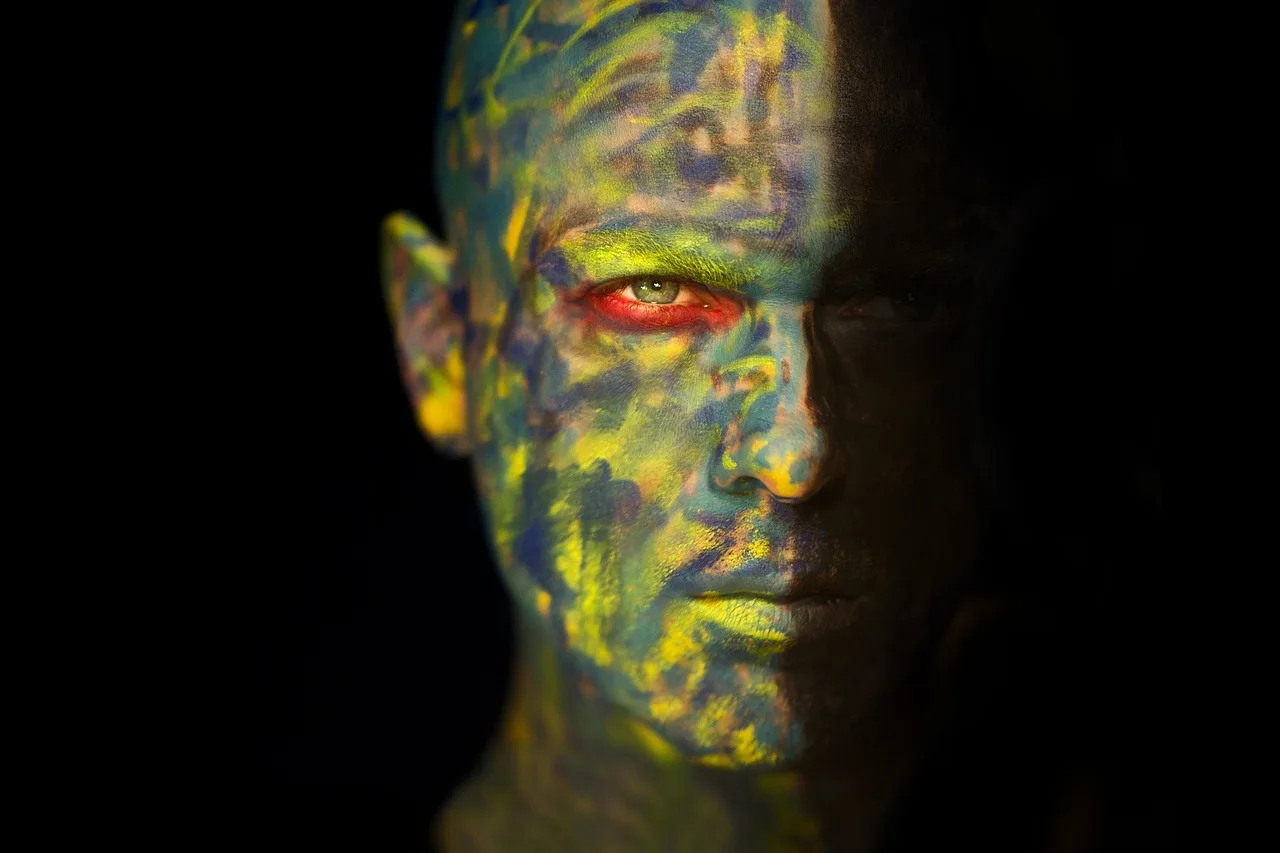
Face paint is usually the better warm-weather choice. It breaks up facial shape without bulk, does not interfere with bow anchor, and can be matched to forest, desert, snow, or urban colors depending on the hunt.
When paint hides best
Paint works best when the hunt is warm, the draw is slow, and the shot window is close. It helps most in still setups such as a tree stand or blind where a hunter wants low profile without fabric touching the cheek or jaw.
WikiHow lists camouflage options that include paint, foliage, a bandana, or a mask. It also recommends light, medium, and dark colors in a camo paint set, with forest colors such as green, black, and brown; desert colors such as tan, brown, and light green; and snowy-environment colors such as grey, green, and white. (Wikihow)
Cleanup, sweat, and odor notes
Face paint is low maintenance in the sense that it packs small and does not add fabric around the face, but it still needs application and cleanup. Face paint is often described as portable, though it can be uncomfortable in very hot conditions.
Paint can also mix with sweat, sunscreen, and dust. That does not make it unusable, but it does mean a hunter should expect some cleanup after the hunt. On scent, paint itself is usually less of a fabric-odor problem than a sweat-soaked mask.
Face mask for bowhunters
A face mask is the faster option when a hunter wants instant coverage and extra warmth. It can cover skin right away, and it is often the more practical choice when cold air, wind, or a long sit make exposed skin distracting.
Which mask cuts work best?
Thin, tight-fitting masks matter more than thick ones. Grand View Outdoors says a thin, tight-fitting face mask is important for bowhunting, and Bowhunting.com notes that a face mask can make a hunter visible if it is too thick.
Open-weave, mesh, and split-mouth designs are the cuts worth watching closely because they reduce bulk around the mouth and jaw. A lightweight face mask or head net can work well for warm-weather masking, while a heavier knit or fleece option fits colder sits better.
Where masks get in the way
Mask material can shift the cheek reference used for a bowstring anchor point. That matters because the anchor must repeat at the same cheek and jaw spots every time, or the shot can change even if the pin picture looks right.
Masks can also mute hearing and narrow peripheral vision. A full-face covering may trap breath and warm air near glasses or a rangefinder, which raises fog risk on cold mornings.
Does a mask change your anchor?
Yes, it can. A face mask may move the cheek and jaw reference enough to change how the string meets the face, especially if the fabric is thick, loose, or bunched under the jaw. Thin masks usually create less risk than bulky ones.
A simple fit-check before season
- Put on the exact mask, hood, or gaiter you plan to hunt in.
- Set your normal anchor point at the cheek and jaw.
- Close your eyes, draw again, and feel whether the string meets the same spot.
- Look through the peep and verify that the sight picture lands where expected.
- Repeat several draws in the same session. Any change in contact or peep alignment means the fabric is altering the shot.
If the fit changes every draw, the covering is not ready for a hunt. A mask that feels fine while standing still may still shift once the string loads the face.
Can I shoot a bow well with it on?
Yes, if the covering leaves the anchor, peep, and breathing pattern stable. A bow can be shot accurately with a mask, balaclava, or gaiter only when the fabric stays clear of the string path and does not make the face tense or crowded at full draw.
Fogging, hearing, and side vision
Optics fogging is a real issue on cold mornings. Warm breath venting upward can fog glasses, a rangefinder, or a scope, and full-face coverings make that worse. If the hunt starts near freezing, a hunter should test the mask with glasses or optics before the season.
Hearing and side vision also matter. A thick knit mask or balaclava can soften sound and trim peripheral awareness, which matters more in open setups and during spot-and-stalk than in a fixed stand.
Say your late-season sit starts at about 28 degrees, with glasses on and a rangefinder hanging at chest height. A fleece mask may keep the face warm, but if each exhale fogs the lenses and the cheek contact changes, that mask is hurting the shot more than it helps.
Face paint and face coverings by hunt conditions
Seasonal temperature usually decides the setup more than brand or pattern. Warm early season, mild fall, and cold late season each change the balance between concealment, breathability, and anchor consistency.
Warm early season
Face paint is the stronger default in hot weather. It breathes better, does not add bulk, and avoids the heat and sweat buildup that a full mask or heavy gaiter can create. The same source says warm-weather masking can use a lightweight face mask or head net, which is the lightest mask-style option.
For early bow season, a thin mesh mask can still work if the hunter wants faster setup and removal, but paint usually gives the better mix of concealment and comfort.
Mild fall
This is the most balanced range. A thin mask or a neck gaiter can be enough when the air is cool but not harsh. A neck gaiter is more versatile than a fixed mask because it can be pulled up or down quickly, which helps on hikes, in blinds, or during changing wind.
Suppose a hunter moves from a shaded creek bottom to a sunny field edge. A gaiter can start low for the walk and come up before the setup, while paint would stay on either way. That flexibility matters when the temperature changes during the sit.
Cold late season
Cold late-season hunts favor a balaclava or another full-coverage mask because warmth starts to matter more than bare-face concealment alone. The same source lists a cold-weather option as an Under Armour ColdGear Balaclava, and that fits the general late-season pattern well.
The tradeoff is anchor consistency. A balaclava covers the mouth, nose, ears, and neck depending on cut, so it can help comfort but increase the chance of string contact or fogging if the fabric is too heavy.
Choose Face Mask if… / Choose Face Paint for Bowhunters if…

Choose Face Mask if the hunt is cold, the sit is long, the setup is easy to remove and re-fit, or the field is open enough that warmth and speed matter more than bare-skin control. Choose a thin, tight-fitting design whenever possible.
Choose Face Paint for Bowhunters if the weather is warm, the anchor must stay exact, the hunt is close-range and still, or glasses and optics fogging are a concern. It is also the cleaner choice when hearing and peripheral vision need to stay as open as possible.
Choose a balaclava or neck gaiter when conditions sit between those two extremes. A balaclava fits late-season cold better, while a neck gaiter fits mild weather and changing temperatures better than a fixed mask.


Frequently asked questions
Is face paint or a face mask better for bowhunting?
Face paint is usually better when anchor repeatability and heat control matter most, while a face mask is better when warmth and speed matter more. For many hunts, the better choice is the one that leaves the string contact, peep view, and breathing pattern unchanged.
Does a face mask mess up your bow anchor point?
It can. Thick or loose fabric can move the cheek and jaw reference that bowhunters use as an anchor point. Thin, tight-fitting masks are less likely to cause trouble, but any new covering should be shot in before opening day.
Will face paint hide better than a camo mask in the deer woods?
Face paint often hides better in still, close-range deer setups because it breaks up skin without bulk. A camo mask can hide just as well if it is thin and fits closely, but thick material may make the face stand out more than paint.
Should I wear face paint or a mask in hot weather?
Face paint is usually the better hot-weather choice. It does not trap heat the way fabric can, and it keeps the face open for easier breathing and less fog risk. A lightweight mesh mask can work, but only if the hunter still stays cool.
Do face masks fog glasses or rangefinders while hunting?
Yes, they can, especially in cold weather. Warm breath venting upward is the main cause, and full-face coverings make that more likely. If fogging is a problem, test the exact mask, glasses, and optics setup before the hunt and adjust the fit or fabric weight.
What kind of face covering is best for late-season bowhunting?
A balaclava or warmer face mask is usually best for late season because cold comfort matters more then. The key is finding a cut that keeps the anchor repeatable and does not fog lenses too quickly. Thin, tight-fitting fabric is still safer than bulky material.