Archery Face Mask vs Nothing: When It Actually Helps
A face mask helps when impact, string slap, or close-contact arrows are realistic, especially in archery tag, youth practice, indoor line work, and some hunting setups. For calm target shooting, bare face is usually fine. Ignoring that tradeoff can mean bruised cheeks, fogged lenses, missed anchor points, and a setup that causes more problems than it solves. This guide shows when facial protection earns its place, when it adds bulk, and how to choose between a mask, a face cover, or nothing.
Archery face mask vs nothing: the trade-off in one sentence

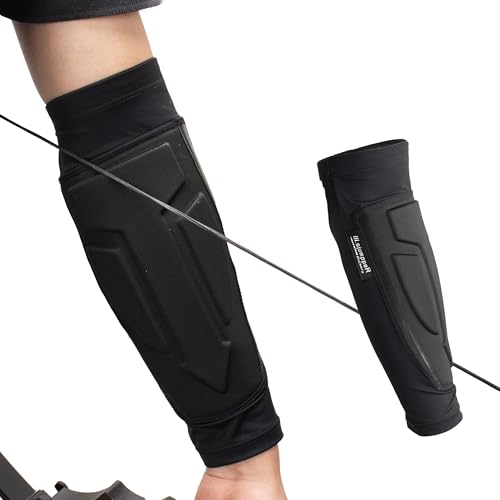
The trade-off is straightforward: a face mask can block contact, debris, and foam-arrow hits, but it can also interfere with anchor consistency, string clearance, and visibility. No face protection keeps the shot process cleaner and is common in target archery, where the issue is usually technique or setup, not facial impact.
| Decision factor | Archery Face Mask | Nothing | Winner |
|---|---|---|---|
| Face impact protection | Better when there is contact risk, crowding, or foam-arrow play | No barrier against bumps, brush, or close-range hits | Archery Face Mask |
| Anchor consistency | Can change cheek and jaw reference points | Cleaner facial contact and fewer setup changes | Nothing |
| Vision and peripheral awareness | May reduce side awareness and can fog in humid or indoor settings | Open field of view | Nothing |
| Heat and comfort | Adds warmth and airflow demand during longer sessions | Less heat buildup | Nothing |
| Best-fit use case | Archery tag, foam arrows, youth sessions, contact-prone indoor work | Target recurve, compound practice, calm range sessions | Depends on discipline |
Face impact protection
A face mask wins this row because it solves a real contact problem. That matters most in archery tag or foam-arrow games, where the goal is not precision target shooting but safe play under movement and close spacing.
Anchor consistency
Nothing wins here because fewer layers on the face usually mean fewer changes to the string hand’s reference points. In target archery, the face is part of the repeatable shot process, so added bulk can create a different anchor and a different release path.
Vision and peripheral awareness
Nothing is usually better because it does not block the lower face or crowd the cheek line. A mask may be fine when the threat is obvious, but if the shot depends on seeing lanes, coaches, or moving players, side awareness matters.
Heat and comfort
Nothing wins by default in calm target settings because it stays cooler and simpler. A vented design can help, but any face covering adds another layer that can trap heat during long indoor sessions.
Best-fit use case
This row depends on the discipline, and that is the point. Archery face mask and nothing are not universal upgrades or downgrades; they solve different problems in different formats.
📊 ArrowSoft says the mask is for ages 16+ and adult users. Source: Arrowsoftarchery.
When does a face mask actually help in archery?
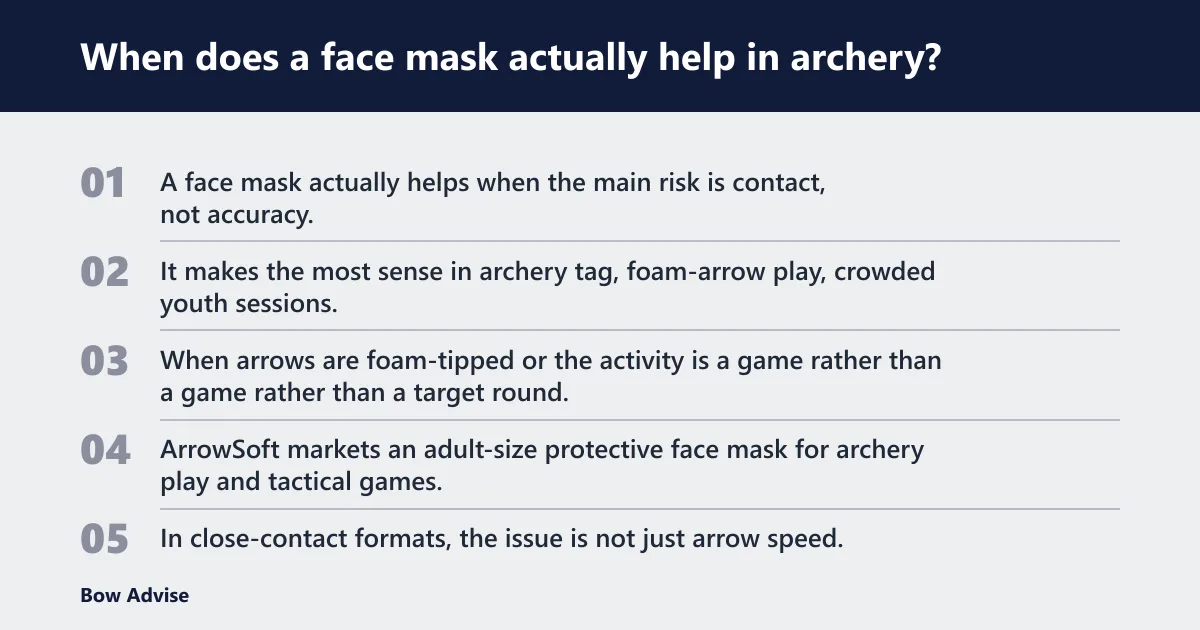
A face mask actually helps when the main risk is contact, not accuracy. It makes the most sense in archery tag, foam-arrow play, crowded youth sessions, some indoor environments with close line spacing, and adaptive setups where extra coverage improves confidence or protects sensitive areas.
Contact or impact risk
When arrows are foam-tipped or the activity is a game rather than a target round, facial coverage can reduce the sting of accidental hits and brush contact. ArrowSoft markets an adult-size protective face mask for archery play and tactical games, and says it is for foam-tipped arrows or added eye and face protection.
Crowded or non-standard play
In close-contact formats, the issue is not just arrow speed. Players move, turn, and crowd lanes, so a mask can cover exposed skin where collisions or near misses are more likely.
Youth supervision and confidence
USA Archery includes Archery Safety in its main navigation and separates Youth, Collegiate, Adult, and Adaptive Archery. That matters because younger archers often need equipment choices that support supervision, comfort, and confidence before performance tuning gets priority.
Adaptive or temporary protection needs
A face mask can also help when an archer needs temporary protection after a facial sensitivity, a healing issue, or another short-term limitation. In those cases, the mask is not about standard target style; it is a practical accommodation for the person and the session.
ArrowSoft says its mask has adjustable straps for a snug fit, a vented design for airflow, a durable front mesh for full face protection, and is for ages 16+ and adult users. Those details matter because face gear only works if it stays put and stays tolerable long enough to be useful.
When is no face protection the better choice?
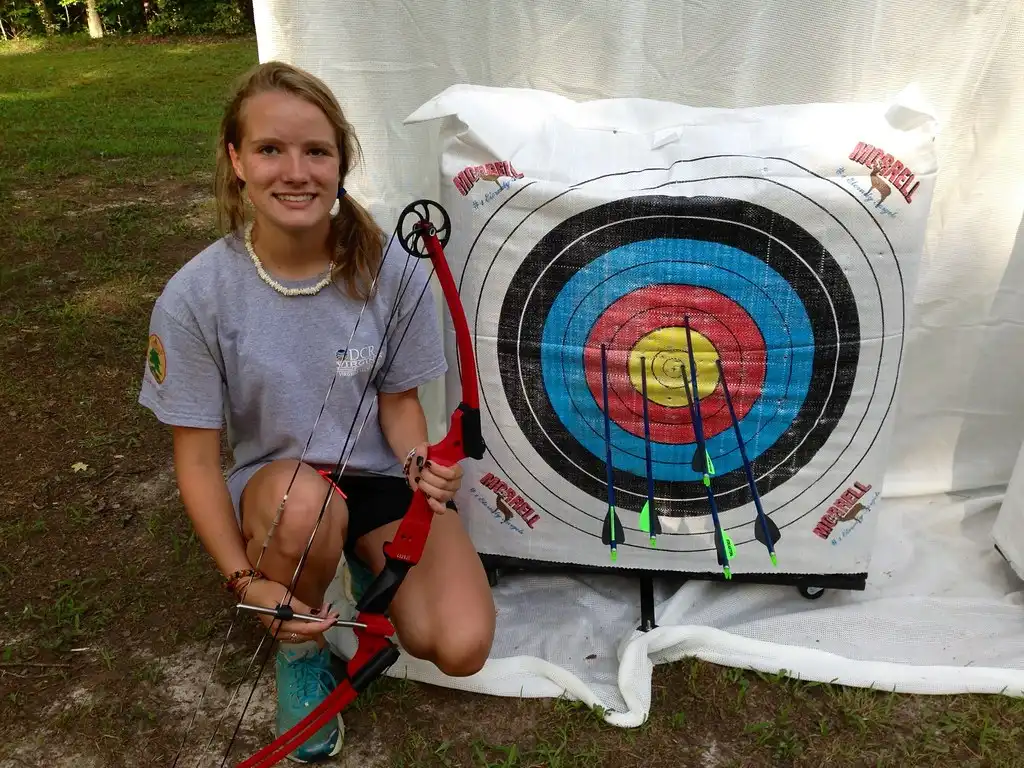
No face protection is often the better choice in standard target archery because it preserves anchor consistency, string clearance, and visibility. It also avoids extra heat, fogging, and strap shift, which can become real distractions long before facial contact becomes a real threat.
Cleaner anchor and string clearance
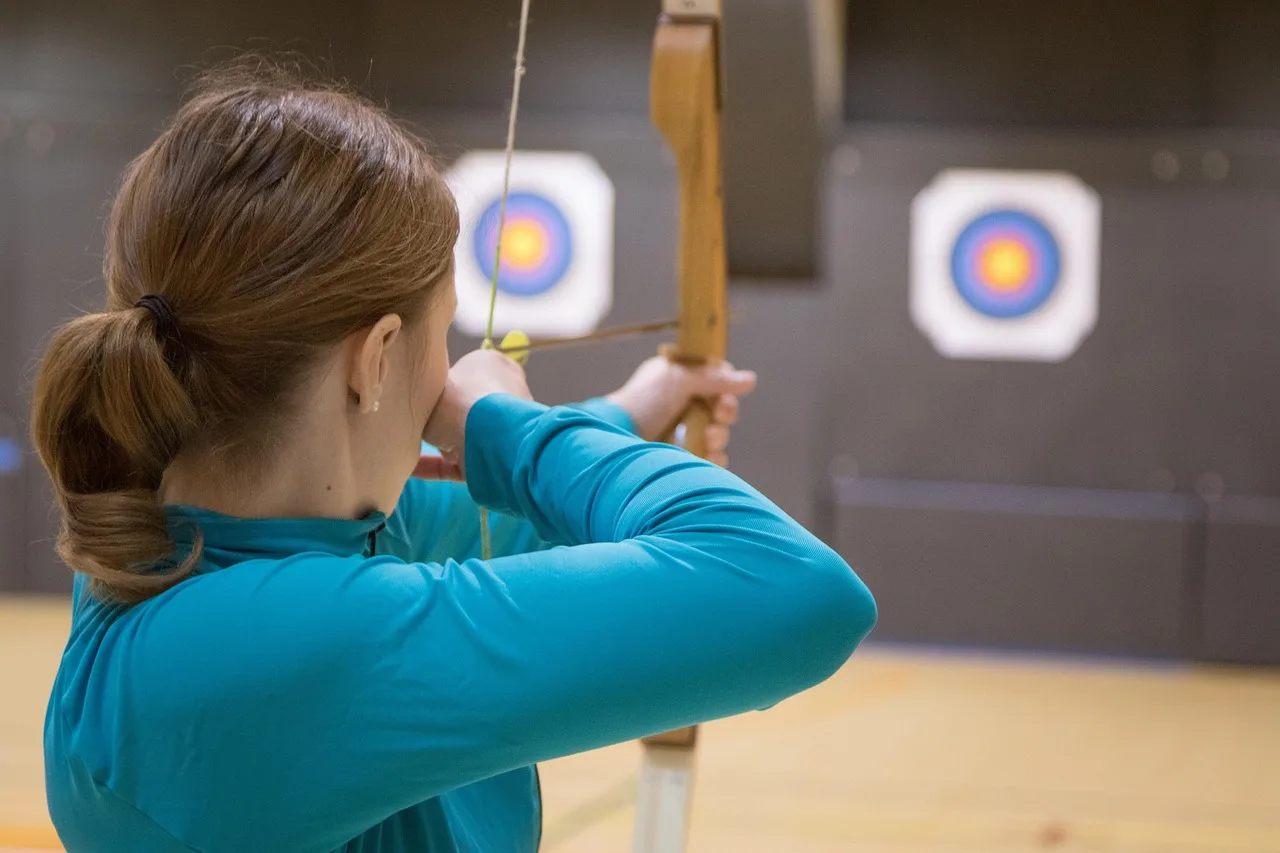
Recurve and compound form often depend on the same cheek, jaw, and nose references shot after shot. A mask can move those references, and if the anchor changes, the arrow point of impact often changes with it.
Better peripheral vision
Target archery rewards awareness of the line, the target face, and the people around the shooter. A bare face gives the simplest field of view, especially when there is no close-contact risk to justify extra coverage.
Less heat and fogging
Warm indoor ranges, youth sessions, and longer practices can make face coverage feel hotter over time. Fogging is also a practical issue if the archer wears glasses or shoots in low airflow conditions.
Lower chance of strap shift
Loose gear can slide during the draw or let the string touch a different surface than intended. That risk is small until it is not, and a moving strap is enough reason to keep the face clear when protection is not solving a real problem.
For example, imagine a young beginner shooting barebow at a short distance in a calm club line. If the only concern is confidence, a face mask may add more distraction than protection, while a coach, armguard, and proper finger tab address the more likely issues.
Can a face mask fix string slap or string burn?
No. String slap and string burn usually point to form, fit, or setup problems, not to a need for fuller face coverage. In most target situations, the better fix is an armguard, cleaner release, corrected brace height, or better bow fit rather than a mask.
Why string slap points to setup or form
If the string is hitting the face or forearm, the bow may be misfit to the archer, the anchor may be inconsistent, or the release may be collapsing. A mask can hide the symptom, but it does not remove the cause.
Bow fit checks before adding face gear
Check draw length, grip position, and anchor placement before adding equipment to cover a recurring contact issue. In many target setups, the first useful gear is not face coverage at all; it is a correction to the bow or the shot cycle.
When an armguard or technique change is the better answer
For forearm contact, Lancaster Archery lists Tabs, Slings, Guards & Gloves, which is a strong hint about where many protection needs belong. Armguards, finger tabs, and shooting gloves usually solve the common beginner problems without changing the face reference.
A common first-timer mistake is buying a face mask after one string hit, then keeping the same form and brace height. If the string still passes close to the cheek or forearm, the real issue is still there.
Choose Archery Face Mask if… / Choose Nothing if…
Choose an archery face mask if the session has close-contact arrows, moving players, youth crowding, or a specific protection need that outweighs the cost to anchor and vision. Choose nothing if the setting is standard target archery, the shot depends on a stable cheek reference, and the main concern is accuracy rather than impact.
Choose Archery Face Mask if
- the activity is archery tag or foam-arrow play
- the line is crowded and accidental face contact is realistic
- the archer needs temporary or adaptive facial coverage
- the event rules call for protective face gear
Choose Nothing if
- the archer is shooting target recurve or compound in a normal lane setup
- anchor consistency and string clearance matter more than face coverage
- the mask would fog, slide, or reduce side vision
- the actual fix is technique, bow setup, or another protective item
Best alternative gear when neither option fits
If the issue is not facial impact, look at the rest of archery protective gear first. Finger tabs, shooting gloves, armguards, safety glasses, and chest protectors often solve the real problem with less interference than a mask.
What archery safety gear belongs before a face mask?
Archery safety starts with the gear that matches the actual risk. Range rules, supervision, and discipline-specific protection come first; a face mask is only one option in a larger safety system that can include eye protection, arm protection, and finger protection.
Safety glasses
ArrowSoft notes that its mask is for added eye and face protection, and Lancaster Archery groups range eyewear with shooting glasses. If the concern is debris, splinters, or line safety, glasses may solve the problem with less anchor interference than a full mask.
Armguards
Armguards are a better answer than a mask when the string is striking the forearm. That is common enough in beginner recurve work that it should be checked before adding anything to the face.
Finger tabs or shooting gloves
Finger protection matters because poor release mechanics can spread into the rest of the shot. Lancaster’s Tabs, Slings, Guards & Gloves category is a practical reminder that many archery problems start at the draw hand, not the face.
Chest protectors
Chest protectors are more relevant when clothing or chest contact affects the string path, especially for some recurve and youth setups. They address a different issue than a mask, so they should not be treated as substitutes for facial coverage.
Range rules and supervision
USA Archery includes Archery Safety as a core resource, which is the right place to start for any setup decision. A good range or club rule set often matters more than a purchase because it controls spacing, supervision, and whether protective gear is expected.
Decision matrix by discipline
This matrix scores the decision by use case, not by product hype. The key question is whether a face mask solves the biggest problem in that discipline, or whether it creates anchor, vision, and comfort issues that a different fix avoids.
| Discipline | Threat type | Mask benefit | Downside | Better alternative |
|---|---|---|---|---|
| Target recurve | Mostly string clearance, anchor contact, and technique errors | Low benefit unless there is a special contact or adaptive need | Can disturb anchor and facial reference points | Armguard, finger tab, form correction, bow fit check |
| Compound | Low facial contact risk in normal target use; more concern is setup consistency | Usually limited | May interfere with anchor and peripheral vision | Release aid setup, peep and draw-length tuning, safety glasses if needed |
| Youth practice | Confidence, supervision, crowding, and occasional close contact | Moderate when the line is busy or the child is anxious | Can feel hot and distracting if the session is calm | Close coaching, armguard, finger protection, clear lane rules |
| Archery tag | Foam-arrow impact and player-to-player contact | High benefit | Fit and airflow still matter during movement | Approved foam-arrow face protection with event rules |
| Indoor low-light sessions | Reduced awareness, crowded lines, and fogging risk | Useful only if contact or debris risk is also present | Can worsen fogging and peripheral awareness | Safety glasses, better lighting, line spacing, supervised shooting |
Target recurve may score among the lowest for mask use because the shot depends on a stable facial anchor and a clean string path. In compound, similar considerations apply, though the anchor is different and the setup may rely on more fixed reference points.
Youth practice scores higher because supervision and confidence matter more than in solo practice, especially for beginners. That does not mean every child needs a face mask; it means the decision should be based on crowding, contact risk, and comfort rather than age alone.
Archery tag may score highest because the discipline itself adds its own hazards. Indoor low-light sessions sit in the middle because visibility and spacing can be poor, but if the main concern is aiming in dim light, safety glasses and better range lighting may solve more than a mask does.
Frequently asked questions
Do I need a face mask for archery?
Most target archers do not need a face mask. It becomes useful when the session includes close-contact play, foam arrows, crowding, or a special protection need. If the setup is normal recurve or compound target shooting, a bare face usually gives a cleaner anchor and fewer distractions.
When does a face mask actually help in archery?
A face mask helps when the main threat is impact or contact, not shot precision. That includes archery tag, foam-arrow games, some youth sessions, and certain adaptive or temporary protection situations. It is less useful when the real problem is bow setup, string clearance, or poor form.
Is a face mask useful for string slap or string burn?
Not as the main fix. String slap or string burn usually means the bow fit, anchor, release, or arm position needs attention. An armguard, technique correction, or tuning change usually solves the problem better than adding face coverage.
Should kids wear face protection for archery?
Sometimes, but not by default. For youth practice, the decision should depend on supervision, crowding, and the type of archery being done. In calm target settings, finger protection, an armguard, and coaching often matter more than a face mask.
Can I wear a face mask at an archery range?
Sometimes yes, but only if the range or club rules allow it and the mask does not interfere with safe shooting. Range safety and supervision matter more than personal preference. If the mask shifts, fogs, or blocks anchor points, it is probably the wrong choice for that range.
Does a face mask interfere with aiming or anchor point?
It can. A mask may change how the cheek and jaw feel at anchor, and it can reduce peripheral vision or cause fogging. In target archery, those tradeoffs are often enough to make no face protection the better choice unless the discipline creates a real impact risk.
What kind of face protection is used for archery tag or foam arrows?
Face protection for archery tag is usually built for foam-arrow impact and quick movement, not for calm target shooting. ArrowSoft describes an adult-size protective face mask with adjustable straps, a vented design, durable front mesh, and use for foam-tipped arrows or added eye and face protection.