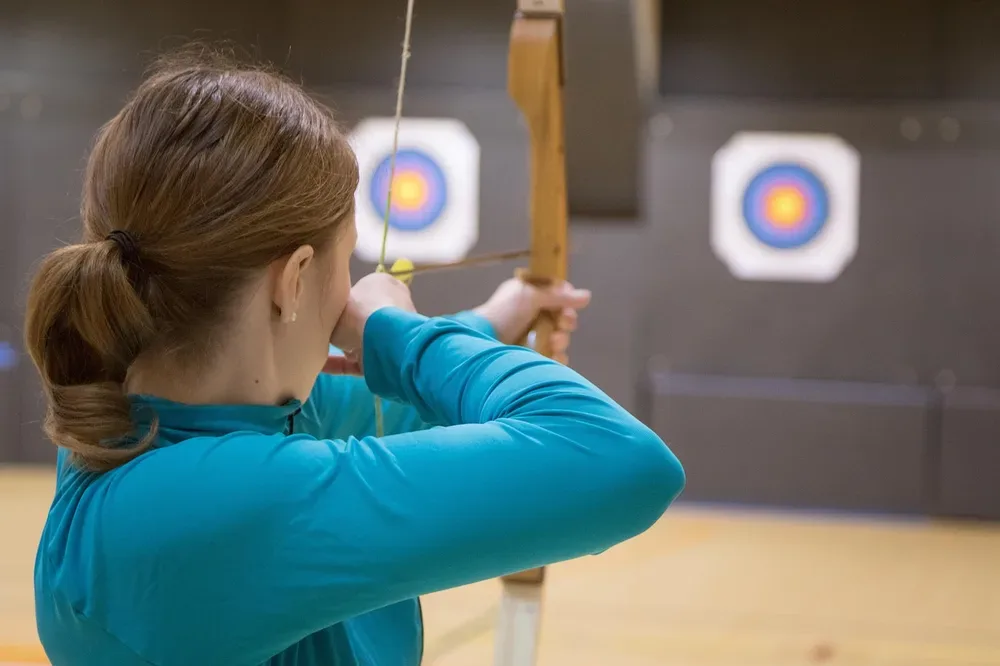
Best Archery Finger Tabs for Recurve and Barebow Shooters
The best finger tab is the one that lets me hit the same anchor every shot and clears the string cleanly. For many recurve shooters, that means a medium-thin leather tab; some barebow shooters do better with a stiffer tab. A bad fit costs arrows, consistency, and confidence. This guide compares finger tabs for recurve and barebow setups by release feel, anchor repeatability, comfort, and price.
This guide is part of our Archery protective gear guide series.
Best archery finger tabs for recurve and barebow shooters


The overall top pick is often a medium-thin, split-finger tab with a fairly firm plate and a clean string groove. That mix gives most recurve shooters a clean release, a repeatable anchor, and enough finger protection without feeling bulky.
Top pick for most recurve shooters
I want a tab that lets the string leave my fingers the same way every shot. For recurve, that usually means split-finger use, leather that is firm enough to hold shape, and a plate that does not twist when I settle under my jaw. If the tab rolls in my hand, my anchor changes.
Top pick for barebow archers
Barebow shooters often need more structure. A stiffer plate, a clearer face reference, and a tab that stands up to crawl changes matter more than soft padding. When I shoot barebow, I care less about a plush feel and more about whether my under-chin contact and crawl position stay the same.
Best budget tab for beginners
A simple tab with decent leather, straightforward stitching, and enough coverage is the right start. Beginners do not need a pile of extras. They need a tab that protects the fingers, gives a clean release, and stays out of the way while they learn anchor and string picture.
Best upgrade tab for heavy practice
If you shoot a lot, move to a tab with better leather wear resistance, a stronger plate, and adjustable face-reference hardware. Heavy practice exposes weak stitching, soft leather, and sloppy fit fast.
Quick picks by shooting style and need
If you want the short version, match the tab to how you anchor and how you release. Brand names and shiny hardware matter less than that.
- If you shoot split finger on recurve: choose a medium-thin leather face with a firm plate and a clean string groove.
- If you shoot three-under for barebow: choose a stiffer tab with a face plate or anchor plate that gives a repeatable chin or face reference.
- If you want more face reference: prioritize an anchor plate with clear adjustability and enough width to find the same contact point.
- If you need more padding for long sessions: look for a backing that manages sweat and spreads load without making the release mushy.
What makes a finger tab work well?
A good tab does three things well: it protects the fingers, it tracks the string cleanly, and it helps me return to the same anchor. Comfort matters, but comfort alone does not tell me whether the tab will help or hurt my shot.
Face material and break-in
Leather type changes release feel more than most archers expect. Softer leather breaks in quickly and feels comfortable early, but it can glaze and get slick faster. Firmer leather usually takes longer to settle, yet it tends to keep its shape and release behavior better over time.
I look for a face thick enough to protect my fingers without muting string feedback. If the leather is too thick or too soft, the string can hang up for a split second and the release feels vague. If it is too thin, I get more sting and more finger bite.
Tab plate shape and stiffness
The plate affects how the tab behaves under load. A stiffer plate keeps the tab from folding around the string hand, which helps anchor repeatability. A softer plate can feel nicer in the store, then twist under tension and change where the string sits on my fingers.
Shape matters too. A plate that covers the fingers well helps spread pressure, while a narrow plate can leave edges digging into the middle finger or ring finger. That shows up fast when you shoot long sessions or higher crawl positions.
Underlayer, backing, and sweat control
An underlayer or backing can add stability and manage sweat. I like a backing that keeps the leather from sliding around when my hand gets warm. Too much padding, though, can make the shot feel dead and can hide changes in string pressure that I need to feel.
String groove, edge shape, and release feel
A clean string groove or undercut edge helps the string track the same path through the fingers. That cuts snags and makes the release feel cleaner. If the edge is too blunt, the string can drag. If it is too aggressive, the tab may feel precise but unforgiving.
Which tab style should you use?
Use the style that fits your anchor system first. Then tune comfort. I have seen archers blame the tab when the real problem was that the tab style did not match the way they hold anchor and finger separation.
Split-finger tabs for recurve
Split-finger tabs suit many recurve setups because they can support a solid under-chin anchor and familiar finger spacing. They work well when I want the string to sit consistently between the index and middle finger above the nock, with the ring finger below.
Three-under tabs for barebow shooters
Three-under tabs fit many barebow archers because the style can make crawl shooting and close face references easier to repeat.
How finger separation changes anchor consistency
Finger separation style changes where the string sits on the face and how much pinch you get. Split-finger often gives a steadier under-chin reference for recurve. Three-under usually brings the nock and fingers closer to the face, which can help barebow shooters repeat a crawl and facial touch point.
When a spacer helps or gets in the way
A finger spacer can keep the fingers aligned and reduce string pinch. It helps when your hook collapses or your fingers drift together under load. It gets in the way when you need a very compact hook, or when the spacer pushes the string off your preferred contact point.
How do you know if a tab fits correctly?
A tab fits correctly when it covers the fingers without excess bulk, stays put at full draw, and lets me keep the same anchor with no fight from the gear. If I keep adjusting my hand mid-shot, the fit is wrong even if the tab feels comfortable.
Hand size, finger length, and coverage width
Fit starts with coverage. The tab should cover the index, middle, and ring fingers fully, with enough width that the edges do not press into the finger joints. If your fingers hang off the leather or the plate, the tab is too small for serious use.
Strap adjustment and barrel or strap position
Strap adjustment changes how the tab sits in the hand. A strap that rides too high or too low can tilt the plate and shift the string contact point. I want the barrel or strap position to hold the tab flat without making my hand feel trapped.
Signs the tab is too small or too large
A small tab can leave finger edges exposed, cause hot spots, and make the string feel sharper than it should. A large tab can bunch up, slide, or interfere with the chin and corner-of-mouth reference. Both problems show up as inconsistent release and anchor drift.
What the tab should feel like at full draw
At full draw, the tab should feel secure, not cramped. I want steady pressure across the fingers, a clear face reference, and no sense that the tab is rolling under load. If I can feel myself working around the tab, it is not the right fit.
Do you need an anchor plate on your tab?
Many barebow shooters benefit from an anchor plate because it gives a repeatable face reference and a consistent distance from the string. Recurve shooters may use one too, but if your anchor is already stable and simple, a basic plate can be enough.
Barebow face reference and repeatability
Barebow depends on repeatable contact. A chin or face plate can give a physical stop point, so under-chin position and crawl management are less likely to wander shot to shot. Without that, small changes in hand placement can change sight picture and arrow impact fast.
Adjustability and distance from the string
Adjustability matters because the distance from the string changes how the tab meets the face. If the plate sits too close, it can crowd the jaw and crowd the string hand. If it sits too far, I lose the same anchor feel I am trying to build.
When a simple plate is enough
A simple plate works when your anchor is already consistent and you do not need extra face reference. That is common for some recurve archers who use a familiar under-chin anchor and do not rely on crawl shooting. Simple can be good if it stays repeatable.
When a larger plate helps your crawl setup
A larger plate can help when your crawl changes often and your face contact needs to stay fixed. Barebow archers who move between indoor, field, and 3D distances may benefit from that extra reference because it can cut the number of variables they have to manage.
Decision matrix from my setup testing
I judge tabs by how they solve real problems on the line, not by how they look in a catalog.
| Shooter type | Anchor style | Best feature mix | Common failure symptom | When to upgrade |
|---|---|---|---|---|
| Beginner recurve | Split finger, under-chin | Simple leather face, firm enough plate, basic strap | Finger pinch, vague release, tab sliding | When finger pressure still hurts after fit changes |
| Intermediate recurve | Split finger, fixed jaw reference | Medium-thin leather, stable plate, clean groove | Anchor drift, string drag, edge interference | When groups tighten only after you change tabs |
| Barebow target archer | Three-under, crawl-based | Stiffer plate, anchor plate, repeatable face contact | Inconsistent crawl position, face contact changes | When crawl numbers are right but impacts still move |
| Heavy practice shooter | Any consistent anchor | Wear-resistant leather, strong stitching, spare parts | Glazed leather, softening face, frayed edges | When the tab stops holding shape after regular sessions |
Signs the leather or plate is past its useful life
Replace the tab when the leather gets too soft, slick, or glazed, or when the plate starts bending where it should stay firm. Frayed stitching, a wandering groove, and inconsistent string feel are all warning signs. I do not wait for a tab to fail on the line.
How to choose the right tab for your setup
Choose the tab by matching the design to your shooting problem. If you are a beginner, buy simple and focus on fit. If you are a barebow shooter, buy for repeatable face contact and crawl control. If you shoot a lot, buy for durability and stable release behavior.
Beginners choosing their first tab
Start with a basic model that fits well, covers the fingers fully, and does not add confusion. I tell new archers to avoid overbuilt tabs with too many knobs and plates unless they already know what they want to change. Clean fit beats fancy features early on.
Intermediate recurve shooters refining release feel
Once your anchor is stable, focus on leather thickness, plate stiffness, and groove shape. That is where release feel changes. A tab that is slightly firmer than your first one often helps because it makes small errors easier to feel and correct.
Barebow archers managing crawl and face contact
Barebow shooters should put anchor repeatability first. Look for a tab that supports a fixed face reference, keeps finger separation consistent, and does not change shape as the crawl changes. The tab should help the shot line up, not ask you to fight your own setup.
Field, indoor, and 3D considerations
Indoor shooting can reward a tab with more face reference and more stable feel. Field and 3D often demand durability, because the tab sees more travel, more weather, and more volume. A small, lightweight tab may feel good for one round and fail to hold shape over time.
I usually upgrade from a basic tab when I can feel the string behavior changing from shot to shot even though my form is steady. That is the point where the tab stops being a protective tool and starts being a source of noise.
What features matter most in a finger tab for beginners?
Beginners should prioritize fit, simple construction, durable stitching, and enough leather to protect the fingers. A clean release matters more than extra features. If the tab is hard to adjust, too soft, or too bulky, it can slow learning and make anchor practice harder.
What thickness finger tab leather should I use?
Many archers do well with medium-thin leather because it balances string feel, protection, and break-in time. Thin leather gives more feedback but less protection. Thicker leather protects more, yet it can mute the release and make the tab feel slow to settle under the string.
Frequently asked questions
What is the best finger tab for recurve archery?
The best recurve tab is usually a split-finger model with medium-thin leather and a firm plate. That setup supports a steady under-chin anchor and a clean release without too much bulk. I want enough protection to handle practice volume, but not so much that I lose string feel.
How do I choose a finger tab for barebow shooting?
Choose a barebow tab for repeatable face contact, crawl control, and stable finger separation. Three-under shooting often benefits from a stiffer plate and an anchor plate that gives a clear chin or jaw reference. The right tab should make the same crawl and contact point easier to repeat.
Do I need an anchor plate on my finger tab?
You do not always need one, but many barebow archers benefit from it. A plate helps you find the same face reference and keep crawl changes from altering your anchor. If your anchor is already consistent without one, a simpler tab may be the better choice.
How do I know if my finger tab fits correctly?
A correct fit covers the fingers fully, stays stable at full draw, and does not force you to adjust your hand during the shot. If the tab slides, pinches, or changes how the string sits on your fingers, the fit is off. The tab should feel present, not distracting.
Should I get a split-finger or three-under tab?
Use split-finger if you shoot recurve with a familiar under-chin anchor. Use three-under if you shoot barebow and want easier crawl management and a closer face reference. I do not treat the two styles as interchangeable, because they change string position and anchor behavior.
How long does a finger tab last before replacing?
That depends on shooting volume, leather quality, and how much the tab is used in bad weather. Replace it when the leather goes soft and glazed, the stitching loosens, or the plate loses shape. For heavy practice shooters, those signs can appear much sooner than casual archers expect.