Archery Finger Tab vs Shooting Glove: Which Wins?
A finger tab often protects better for recurve and barebow archers at moderate to higher draw weights because its firmer platform can spread pressure and reduce finger pinch more than a glove. Pick the wrong one and I see numb fingertips, string cuts, torque, and messy release. I’ll compare protection, comfort, draw weight, and shooting style so you can pick the right hand protection.
This guide is part of our Archery protective gear guide series.
| Factor | Archery Finger Tab | Shooting Glove: Which Protects Better | Winner |
|---|---|---|---|
| Pressure spread | Better at spreading string force across the index, middle, and ring fingers; acts as a firmer pressure platform. | Protects individual fingers, but pressure follows finger shape more directly. | Archery Finger Tab |
| Hot spot control | Usually better when the tab plate and underlayer fit the hand well. | Can feel softer, but seams and stretch can create rub points and hot spots. | Archery Finger Tab |
| Finger pinch / finger separation | Tab plate or finger spacer can help keep fingers separated and reduce pinch under load. | Can still allow the string to pinch fingers together if the fit is off. | Archery Finger Tab |
| Anchor repeatability | Better for a fixed anchor and a cleaner, more consistent release on recurve or barebow. | Good for hunting feel, but finger material can change contact from shot to shot. | Archery Finger Tab |
| Cold-weather use | Works, but often feels less warm and less convenient with bulky layers. | Usually better for warmth and quick wear-on/wear-off in the field. | Shooting Glove: Which Protects Better |
| Quick field convenience | Slower to put on and adjust. | Faster to wear, remove, and stow. | Shooting Glove: Which Protects Better |
| String feel / tactile feedback | Can feel more isolated or bulky if the setup is thick. | Gives more direct string feel and keeps the hand easy to move. | Shooting Glove: Which Protects Better |
| Best-fit use | Best for recurve and barebow archers, especially at moderate to higher draw weights and when repeatable anchor matters. | Best when warmth, speed, field convenience, or hunting use matters more than the cleanest release. | Tie |
| Protection at higher draw weight | Usually wins because it spreads load and reduces pinch as draw weight climbs. | Can feel thin at the fingertips or uneven across the string fingers on heavier setups. | Archery Finger Tab |
| Light draw-weight beginner use | Still useful, especially if the beginner wants repeatable anchor. | Can feel more natural on day one and is easy to slip on. | Tie |
Finger tab vs shooting glove: what each one actually protects

Both protect the drawing fingers from string pressure and abrasion, but they do it differently. Archery is the sport, practice, or skill of using a bow to shoot arrows at a target, and finger shooting makes the hand piece as important as the bow.
How a tab spreads string pressure across the drawing fingers
A finger tab protects the index, middle, and ring fingers with a face plate and underlayer, and some versions add a finger spacer. That setup keeps the string from digging into one side of a finger, which helps on a recurve bow when draw weight rises and finger pressure climbs.
How a glove protects with finger coverage and seam placement
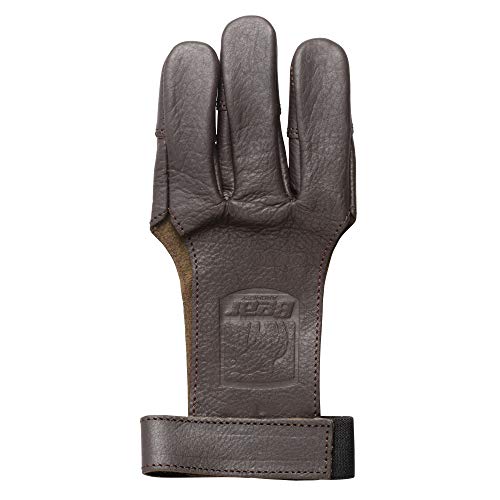
A shooting glove covers individual fingers, so the feel is more direct and the hand stays easy to move. The weak point is fit: if the seam lands in the wrong place or the finger length is off, the glove can rub right where the string loads the hand. I’ve seen a good glove turn into a hot spot maker.
Why protection is not the same as comfort
Thicker padding does not automatically feel better. More layer can soften string pressure, but it can also hide the string too much and make anchor feel vague. A tab or glove protects best when it matches your draw weight, your anchor, and how much string feel you want.
According to 3riversarchery.com — 3Rivers describes itself as experts in traditional archery bows and arrows.
Which protects better for your draw weight and bow type?
For most recurve and barebow shooters, the tab protects better once the draw weight starts asking more of the fingers. On lighter bows, a glove can be enough if it fits cleanly. On heavier fingers-only setups, the tab usually wins because it spreads load and reduces pinch before the shot breaks.
Light recurve beginner
At lighter draw weights, I often see beginners do fine with either option. A glove can feel more natural on day one because it is easy to slip on and it preserves finger feel. If the beginner is already chasing repeatable anchor, I still lean tab.
Heavy recurve and barebow
This is where the tab earns its keep. Barebow and target recurve shooters usually care about repeatable anchor, clean string leave, and less finger collapse under load. When draw weight climbs, a glove may start to feel thin at the fingertips or uneven across the string fingers.
Compound bow note: why a release aid changes the answer
Can I shoot a compound bow with a finger tab or glove? You can physically draw one that way, but it is not the normal setup. Compound bows are often shot with a release aid, so tabs and gloves are usually not the default choice there. If you are using fingers on a compound, you are already in a special-case setup and should test carefully on your own bow.
Do finger tabs hurt less than gloves on a recurve bow?
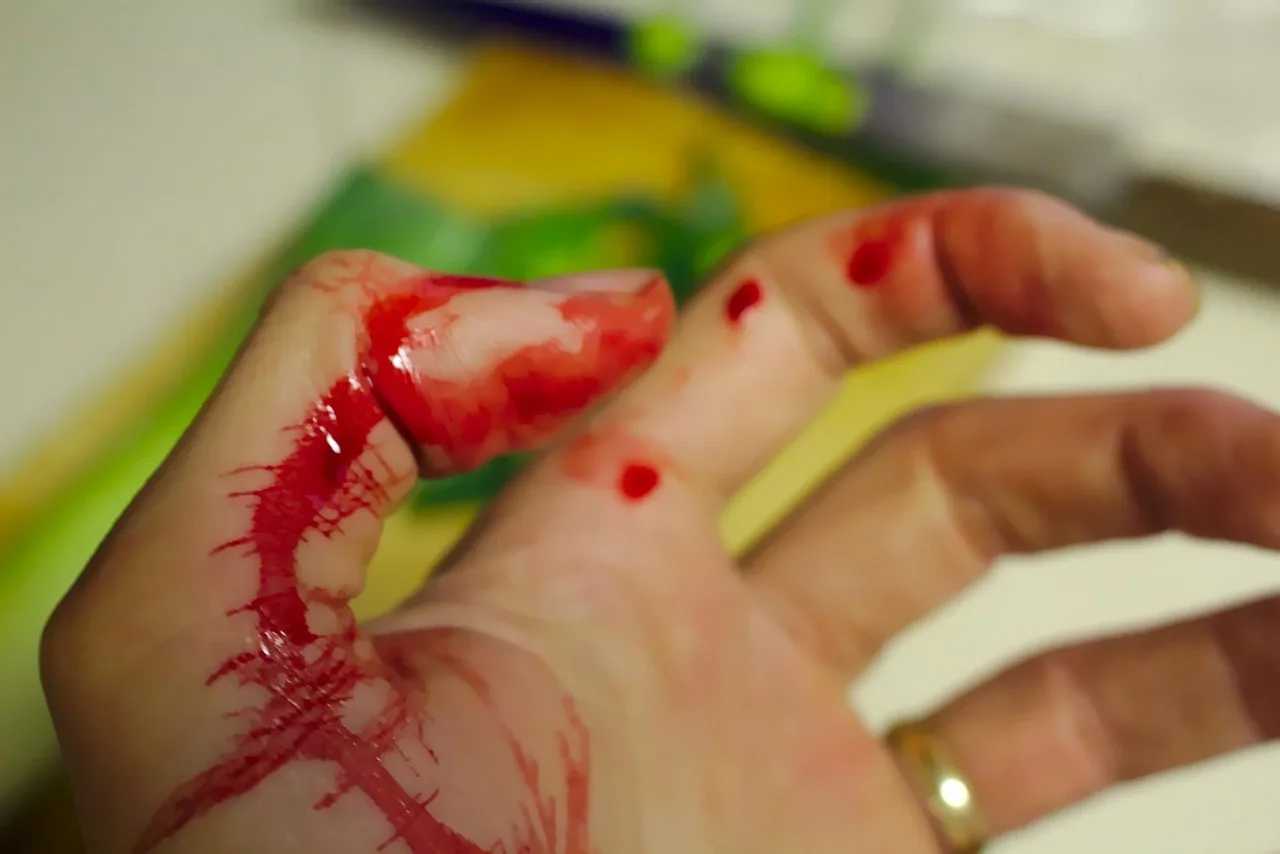
Often yes, especially when the problem is hot spots, numbness, or finger pinch at your actual draw weight. A tab tends to hurt less on a recurve bow because it spreads load more evenly and keeps the string from digging into soft tissue the same way a thin glove can.
Hot spots and numbness on the drawing fingers
Hot spots usually show up when one finger gets more of the load than the others, or when a seam sits under the string. A tab can reduce that by giving the fingers a flatter contact surface. In contrast, a glove may feel fine for a while and then start to numb the ring finger first if the fit is off.
String pinch and finger separation
A finger spacer or tab plate can help keep the fingers separated in a more controlled way. That matters when the string wants to pinch the fingers together under load.
Release consistency and anchor repeatability
A tab often wins here because it gives me the same surface every time I come to anchor. That consistency matters if you shoot barebow or hunt with a recurve and need your index finger under the jaw or against the corner of the mouth to feel the same shot after shot.
When does a glove make more sense than a tab?
A glove makes more sense when warmth, speed, and tactile feel matter more than the cleanest possible release. For traditional archery and hunting, that can be the better trade because the glove is quick to wear, quiet in the field, and easier to live with in cold weather.
Cold-weather traditional archery
Cold fingers lose feel fast. A glove helps keep the fingers usable and can be less awkward when you are already dressed for the weather. Traditional archery often values that practical feel, especially when you are out for a long session and do not want a thin tab setup that leaves your fingertips cold.
Bowhunting and quick on-off use
For hunting, quick on-and-off convenience can matter more than a perfect target anchor. A glove is often easier to keep on while moving, glassing, and waiting. Bowhunters Superstore sells archery accessories alongside hunting clothing and footwear, which tells you how often hand protection gets treated as field gear first and precision gear second.
Archers who want more string feel
Some archers simply shoot better when they can feel the string more directly. A glove can deliver that. If the tab feels too isolated or bulky, a thin glove may be the more forgiving choice, even if it gives up a little consistency.
What fit mistakes cause the most pain?
Fit problems cause more pain than the product type itself. A tab with the wrong plate size can concentrate pressure; a glove with a seam in the wrong place can rub raw; and a spacer that feels wrong can make the string track feel worse instead of better. The hand tells you quickly.
Tab plate too small or too stiff
If the plate is too small, the string pressure lands on a narrow strip and you feel it immediately. If the material is too stiff for your hand, it may stop the fingers from settling naturally. I look for a tab that lets the fingers sit flat without crowding the string side of the hand.
Finger spacer set wrong for your hand
A finger spacer should help the hand separate and settle, not force an awkward gap. Too much spacer can make the fingers feel spread apart and unnatural. Too little can let the string pinch the fingers together, which shows up fast when draw weight rises.
Glove seams, finger length, and material stretch
Glove seams matter more than many beginners expect. If a seam crosses the loading point, it can feel fine while putting the glove on and then irritate the finger every shot. Leather and synthetic materials are both common in archery gear, and stretch helps only when it matches your finger length well.
Decision checklist: choose the option that protects better for you
The better protector is the one that reduces hot spots, numbness, seam irritation, and string pinch for your draw weight and shooting context. I use a simple checklist: pick the hand protection that keeps your fingers calm during the last third of the draw, not the one that sounds more traditional or more expensive.
- Choose a tab if your fingers feel cramped, pinched, or numb as draw weight rises.
- Choose a tab if you want a repeatable anchor and a cleaner release on recurve or barebow.
- Choose a glove if you value quick wear-on/wear-off, field convenience, and stronger string feel.
- Choose a glove if cold weather or hunting makes warmth a bigger issue than target precision.
- Switch from glove to tab when finger fatigue starts changing your anchor or opening your groups.
- Switch from tab to glove when the tab feels bulky, slow, or too isolated for your style.
I also keep an armguard in the same conversation, even though it does not protect the fingers. If string slap is part of your problem, the armguard helps the rest of the protection system work as intended. Lancaster Archery lists Tabs, Slings, Guards & Gloves as one accessory category, and it also groups Finger Tabs, Gloves & Armguards under NASP-approved equipment.
Comparison table: 5 real shooting scenarios
Here is the practical answer. In each case, I am judging which option protects better for that situation, why it wins, and the most common fit mistake I see. This is the part most pages skip, and it is where the real decision gets made.
| Scenario | Which protects better | Why | Most common fit mistake |
|---|---|---|---|
| Light recurve beginner | Shooting Glove | Easy to wear, easy to understand, and often comfortable enough at lower draw weight | Glove fingers too long or seams sitting under the string |
| Heavy recurve or barebow | Archery Finger Tab | Better pressure spread, less finger pinch, and more stable anchor under load | Tab plate too small or underlayer too thin for the draw |
| Cold-weather traditional | Shooting Glove | Warmer, faster to use with layered clothing, and more field-friendly | Choosing a glove that is too tight once the hand stiffens in the cold |
| Bowhunting | Shooting Glove | Quick to wear, quieter to manage in the field, and better for all-day carry | Ignoring seam placement and ending up with rub at the release fingers |
| String-sensitive shooter | Archery Finger Tab | More consistent contact and cleaner feedback for an archer who wants repeatable finger placement | Tab spacer or face plate that feels wrong and changes hand position |
3Rivers describes itself as experts in traditional archery bows and arrows, and it says its focus includes the recurve bow and the longbow. That matters because traditional archers often decide this question by feel, but the feel still has to survive real draw weight and real shooting time.
What gear do traditional archers use besides tabs and gloves?
Traditional archers often pair finger protection with a few other pieces of kit, but the list stays simple. An armguard is the most common companion when string slap is possible, and a string walking or barebow setup may bring different hand protection needs than a hunting rig. USA Archery has a dedicated Archery Safety resource area, which is a good reminder that hand gear is only one part of safe shooting.
Archery Warehouse carries Finger Tabs, Gloves & Armguards in its NASP equipment section, which is a useful sign that these items are treated as a matched safety group. That is the right way to think about them: fingers, forearm, and string path all matter together.
Choose Archery Finger Tab if…
Choose a finger tab if you shoot a recurve bow, barebow, or a traditional setup and care most about anchor repeatability, cleaner release, and better protection as draw weight climbs. I reach for a tab when I want less pinch, less numbness, and a hand position that stays honest from shot to shot.
Choose Shooting Glove if…
Choose a shooting glove if you shoot traditional archery or hunt in cold weather, want quick wear-on/wear-off use, or prefer more direct string feel. A glove protects well when the fit is right, and for some archers that tactile contact is worth more than the cleaner platform a tab gives.
My own blunt rule is simple: if your fingers fail first, start with a tab; if your schedule and weather fail first, start with a glove. Finger protection has the same lesson, the wrong setup punishes you fast.
Frequently asked questions
Which protects better, an archery finger tab or a shooting glove?
For recurve and barebow shooting, a finger tab usually protects better because it spreads string pressure over a firmer surface and reduces pinch. A glove can still protect well, especially in lighter draw weight or cold weather, but it is more sensitive to seam placement and finger fit.
Is a glove or tab better for barebow shooting?
A tab is usually better for barebow shooting because barebow archers depend on repeatable anchor and a clean finger release. The tab helps keep the string contact more consistent, which matters when you are trying to control gap, crawl, or string picture shot to shot.
Can I shoot a compound bow with a finger tab or glove?
You can, but it is not the normal setup. Compound bows are usually shot with a release aid, so a tab or glove is not the standard answer. If you choose to finger-draw a compound, test carefully and keep the draw weight appropriate for that style.
What finger tab thickness is best for beginners?
Beginners should start with the thinnest tab that still removes hot spots and finger pinch. Too much thickness can hide the string and make anchor feel vague. Watch for the tab that feels calm at full draw without making the shot feel disconnected.
When should I switch from a glove to a tab?
Switch when your glove starts causing numbness, uneven finger pressure, or anchor drift on a recurve or barebow. That is usually the point where the tab’s firmer platform helps more than the glove’s direct feel. If the glove still feels clean and your groups stay steady, there is no rush.