Best Finger Tabs for Heavy Draw Traditional Bows: We Compared
The best finger tabs for heavy draw weight traditional bows are usually a rigid-plate tab with a firm leather face and an adjustable anchor, because that setup spreads pressure across the drawing fingers as draw weight climbs. For about 45-60 lb bows, thicker leather often works well; above that, a stiffer plate and stronger edge support tend to matter more if the release still feels clean.
Quick comparison
| Product | Badge | Best for | Price | ||
|---|---|---|---|---|---|
 | Shatterproof Archery Tab | 3 Under Tab | Traditional FingerShatterproof Archery | Our pick | Large · Shell Cordovan · Premium Tab | $36.99 Price as of 23 Oct 2026 | View |
 | Bear Archery Leather Finger Tab for Traditional Archery –Bear Archery | Budget pick | Medium · Full Grain Leather · Brown | $11.99 Price as of 23 Oct 2026 | View |
Start with a rigid plate tab if your bow sits at the higher end of traditional recurve or longbow draw weight, or if your anchor changes under load. A simple leather tab still makes sense for archers who want the lightest feel, a softer string picture, or a low-cost backup.
How we chose
The comparison is built around pressure control, release feel, fit, and wear resistance under heavy draw weight. Those four points matter more than extra features once a bow passes the point where finger pinch, numbness, or string drag starts to show up.
For about 50 pounds and up, the useful questions are simple: does the tab keep the fingers from collapsing, does it stay anchored, and does the face hold up to repeated high-volume practice? Extra trim options matter less if the tab cannot keep the string path consistent.
Shatterproof Archery tab: best for heavy-draw 3-under shooting
This Shatterproof Archery tab fits archers who want a heavier-duty 3-under option for traditional bows and who prefer a trim-to-fit shell cordovan face. Based on the manufacturer details, the chrome-tan leather and bonded nylon thread suit outdoor use and repeated practice, while the large size gives more room for hand fit adjustments.
What stands out is the weatherproof build and the ability to trim the tab to the hand, which helps when finger spacing is awkward or when a right-size off-the-shelf tab feels cramped. The drawback is that this is a premium, more specialized tab; it may feel like more tab than a lighter-draw archer needs, and the large shell cordovan build is not the simplest choice for someone who wants a soft, minimal feel.
Bear Archery leather finger tab: best budget leather tab
This Bear Archery tab suits traditional archers who want a straightforward full-grain leather tab at a low price and do not need a rigid plate. The published details point to 100% full-grain leather with a soft felt backing, which should appeal to shooters who want simple finger protection and a familiar string feel on classic recurves or longbows.
The main strength is cost-to-function: it is direct, light, and easy to understand. The tradeoff is that one-size leather tabs can run short on adjustability for thick fingers or precise anchor work, and a soft leather-only build gives less structure than an aluminum plate tab when draw weight rises.
Which tab type fits your bow?
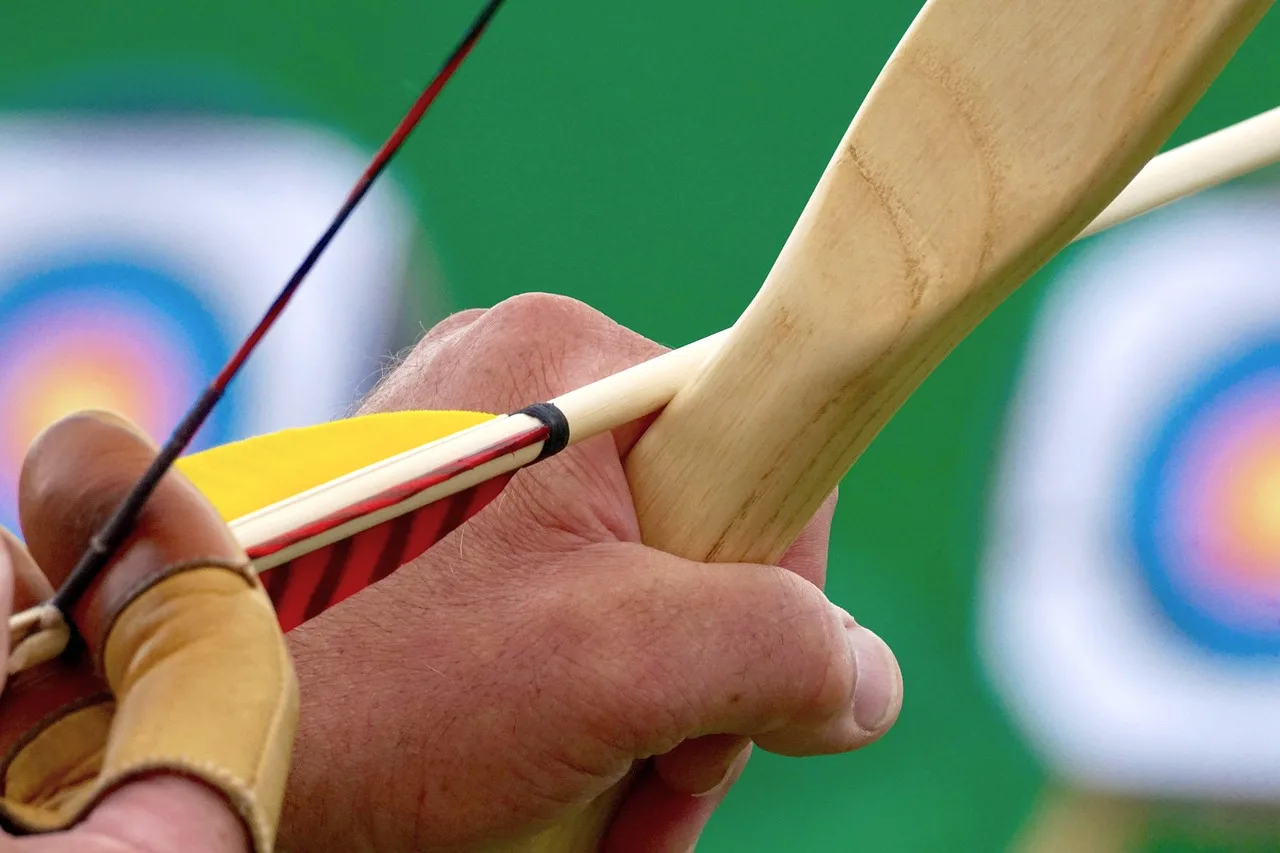
The best tab type depends on how the bow loads your fingers. Split-finger tabs usually suit classic recurve and longbow setups, while three-under tabs often appeal to archers who want a cleaner string picture and a different load pattern on the fingertips. A three-finger shooting glove makes more sense when comfort, cold-weather coverage, or a softer feel matters more than the cleanest release.
Split-finger tabs
Split-finger tabs spread the string load across the index, middle, and ring fingers in the traditional arrangement many longbow and recurve shooters already know. They tend to feel familiar under heavier draw weight because the middle finger does not take the whole burden alone.
Three-under tabs
Three-under shifts the nocking-point relationship and usually changes how the string pressure lands on the fingertips. Many archers like the cleaner string picture, but the load concentration can make a flimsy tab feel thin fast, especially when the bow weight climbs and the fingers start to flatten under pressure.
When a glove beats a tab
A three-finger shooting glove becomes the better choice when the archer wants coverage, warmth, or a softer interface across the full drawing hand. It may also make sense for shooters who dislike the edge feel of a tab or who practice in cold conditions where bare fingers stiffen.
Say your longbow is 58 pounds at your draw length and your anchor slips as soon as the shot gets heavy. A rigid-plate tab with firmer leather may solve the anchor issue without changing the bow, while a thin leather tab may keep the same finger pain and leave the release inconsistent.
Finger tab selection matrix
This matrix gives a practical way to match draw-weight bands, shooting style, and hand shape to tab construction. It is not a hard cutoff chart, because some archers prefer softer leather even on heavier bows, but it does show where simple leather starts to run out of support.
| Draw-weight band | Shooting style | Hand shape | Recommended leather thickness | Aluminum plate needed? | Spacer preference | Replacement warning signs |
|---|---|---|---|---|---|---|
| Under 40 lb | Split-finger or three-under | Average hands | Single to medium layer | Usually no | Optional | Glazing, loose stitching, string drag |
| 40-50 lb | Split-finger | Small hands | Medium to thick leather | Useful if anchor wanders | Helpful if fingers crowd together | Flattening, edge curl, thin spots at the string groove |
| 50+ lb | Split-finger or three-under | Thick fingers | Thick leather or layered face | Often helpful for steadier anchor | Often preferred for consistent spacing | Numbness, pinch at the middle finger, worn-through face, frayed stitching |
| 60+ lb | Split-finger for control, three-under only if it stays clean | Narrow finger spacing | Thickest comfortable build | Strongly worth considering | Adjustable spacer or shaped finger separator | Leather glazing, anchor drift, release noise, flattened padding |
For small hands, the fit problem is usually excess bulk, not lack of coverage. For thick fingers, the problem is the opposite: a narrow cut can pinch the fingers together and create hot spots where the string loads the middle finger hardest. Left-handed shooters also need to check the handedness cut before anything else, because some traditional tabs are right-hand only and others are ambidextrous.
Heavy-draw features that matter most
Once draw weight rises, the best tab features are the ones that control pressure and keep the release clean. Full-grain leather, chrome-tan leather, aluminum plate support, and a correct finger spacer each solve a different part of that job.
Full-grain leather versus chrome-tan leather
Full-grain leather is the safer all-around call for a durable tab face because it tends to mold to the fingers over time and keep its shape better under repeated use. Chrome-tan leather appears in traditional tabs that need weather resistance and easier trimming, and it can work very well if the tab needs to be shaped to the hand.
The tradeoff is simple. Softer leather feels better early, but it can flatten faster under high poundage. Firmer leather may take longer to settle in, yet it is less likely to feel vague when the bowstring is pulling hard against the fingers.
Why an aluminum plate helps
An aluminum plate gives the drawing hand a more rigid release surface, which can help some shooters hold anchor more consistently. That matters most when the bow is heavy enough that the fingers start to sink into the tab face and the hand wants to rotate under load.
One listed tab uses a CNC-machined 6061 aluminum plate, adjustable finger spacer, thumb rest, and pinky hook. Another uses an anodized aluminum plate with double-layer leather. Those details show why plate tabs are often picked when the goal is a steadier release surface rather than the softest possible feel.
Finger spacer and fit
A finger spacer helps position the drawing fingers the same way on every shot. On heavy bows, that consistency matters because a wandering middle finger can create pinch, and pinch often shows up as a late release or numbness after a longer session.
Fit should be checked with the hand relaxed and then under mock tension. The tab should cover the fingertips fully, sit flat against the string hand, and leave enough room that the leather does not buckle between the fingers. If the tab feels tight when the hand closes, it is likely too small for repeated high-poundage shooting.
A common first-timer mistake is choosing a soft tab because it feels comfortable for the first five arrows. By arrow twenty or thirty, the same soft face can start to glaze, thin out, and let the string bite harder into the fingers, which is exactly when high poundage becomes noticeable.
- Check the handedness cut first.
- Match the tab style to the bow: split-finger for classic use, three-under only if the release stays clean.
- Choose thicker leather as draw weight rises, especially past 50 pounds.
- Add an aluminum plate if anchor consistency drops or the fingers feel compressed.
- Look for stitching, edge wear, and glazing before the face wears thin enough to change the release.
When should you choose a glove instead?
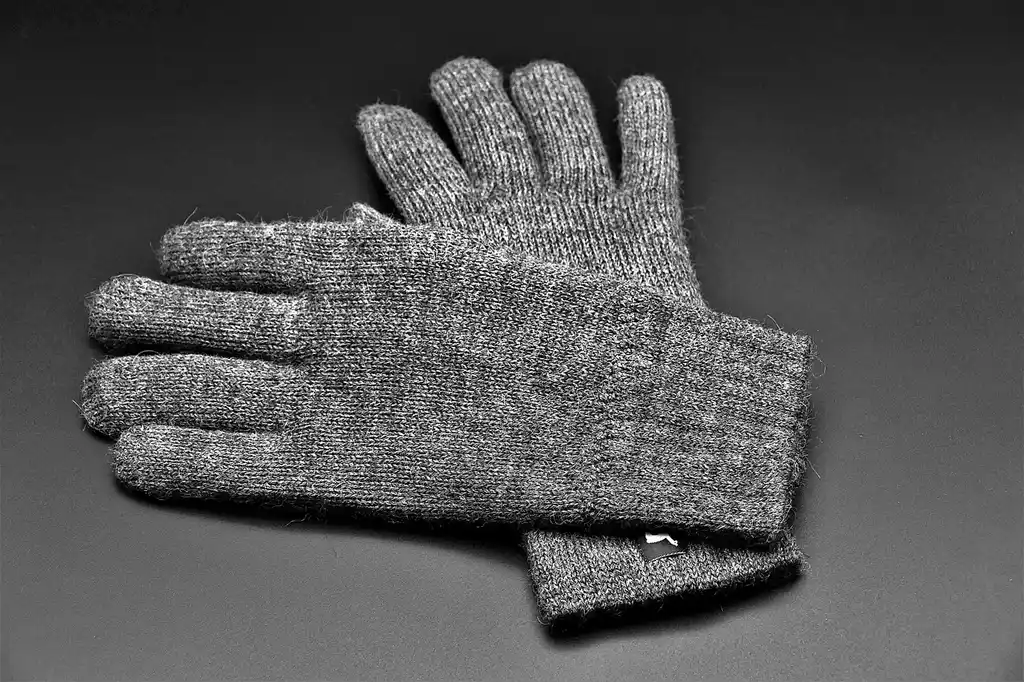
Choose a glove when coverage, warmth, or a softer full-hand feel matters more than the cleaner string contact of a tab. A tab usually gives a cleaner release than a glove, but a glove can be the better comfort choice for archers who hate edge pressure, shoot in cold weather, or want more hand coverage during long practice sessions.
For high-volume practice, a glove can feel easier on sore fingers because it spreads contact across the covered fingertips without a rigid edge. For many traditional shooters, though, a tab still wins on release consistency because it keeps the string path more defined and makes anchor feedback easier to repeat.
Suppose an archer shoots 100+ arrows in a session and notices the middle finger getting hot and numb before the end of the set. That is a sign to move toward a thicker, more structured tab or a glove with better coverage, not to keep forcing the same thin leather setup.
Glove tradeoffs
Gloves can solve comfort problems that tabs cannot, especially when the fingers need more warmth or the shooter dislikes pressure on exposed skin. The reverse is also true: gloves usually give up some of the crisp, repeatable release that competitive recurve archers often prefer from a tab.
Tab tradeoffs
Tabs are better when the shooter wants precise anchor feedback, cleaner string separation, and a surface that can be tuned with spacing and leather choice. They are weaker when the fit is wrong, the leather is too light, or the bow weight is high enough that the fingers start collapsing through the face.
Frequently asked questions
What is the best finger tab for a heavy draw weight traditional bow?
The best choice is usually a rigid-plate tab with thick leather and an adjustable fit, because it keeps the fingers supported when draw weight rises. For many traditional shooters, that means a split-finger tab with firmer leather; for others, a trimmed chrome-tan design or a plate tab with replaceable face material works better.
Do heavier bows need a thicker finger tab or a glove?
Heavier bows do not automatically need one or the other, but they do need more finger protection and better pressure distribution. A thicker tab is usually the first step when the release still feels clean. A glove makes more sense when the archer wants more coverage, warmth, or a softer feel across the drawing hand.
How do I know if my finger tab is too thin for 50+ pounds?
Look for finger pinch, numbness, glazing on the leather face, or a release that gets noisier as the session continues. If the tab flattens so much that the string feels like it is cutting into the fingertips, the face is too light for that draw weight and shooting style.
What features matter most in a tab for high-poundage recurve or longbow shooting?
The most important features are leather thickness, a stable release surface, fit, and a spacer or shaped support that keeps the fingers from crowding together. A rigid aluminum plate can help when anchor consistency matters, but it is not automatically better than leather for every traditional archer.
Are aluminum plate tabs better than leather tabs for heavy draw weight?
Not always. Aluminum plate tabs are better when the shooter wants a firmer release surface and steadier anchor under load, but some archers still prefer simple leather because it feels softer and more traditional. The right choice depends on how much support the fingers need and how clean the release stays.
How should a finger tab fit for a heavy draw bow?
It should cover the fingertips fully, sit flat without buckling, and leave enough room that the fingers do not feel crushed together at full draw. Small hands usually need less bulk and more precise trim. Thick fingers often need a larger cut, a spacer, or a tab that can be trimmed to fit.
When should I choose a glove instead of a finger tab?
Choose a glove when comfort and coverage matter more than the cleanest release, especially in cold weather or during long practice sessions. A tab is still the better pick when release feel, anchor repeatability, and string control matter most. The bow weight alone does not settle the question.