Best Protective Gear for Barebow Archers (2026): We Compared
For barebow and recurve archers, the basic protective stack is an arm guard plus finger protection, either a shooting glove or a finger tab. Add a chest protector only if the string contacts your shirt or chest. Skip them and you risk sore fingers, string slap, and poor shot consistency. This guide separates what you need from what can wait, and shows which gear fixes each problem.
This guide is part of our Archery protective gear guide series.
Quick comparison
| Product | Badge | Best for | Price | ||
|---|---|---|---|---|---|
 | BICASTER Barebow Finger Tabs Cordovan Leather + BrassBICASTER | Our pick | Cordovan Leather + Brass · RH · Medium | $45.99 Price as of 17 Oct 2026 | View |
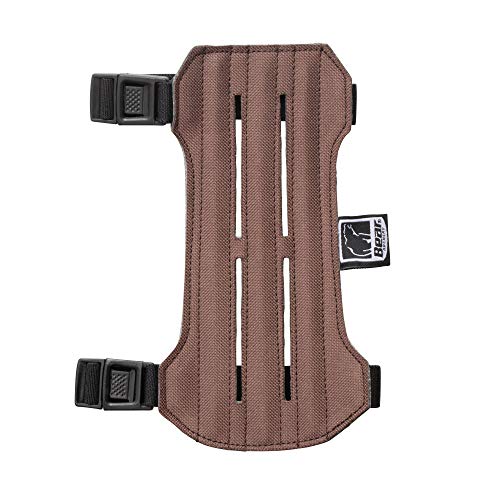 | Bear Archery Adjustable Cordura Arm Guard with VentedBear Archery | Budget pick | Cordura · Vented · One Size | $12.99 Price as of 17 Oct 2026 | View |
 | Archery Chest Guard Adjustable Strap Chest Protectors forHNZMDY | Also great | XX-Large · White · Breathable Mesh | $19.99 Price as of 17 Oct 2026 | View |
 | Archery Finger Sling Adjustable for Barebow Recurve LongbowGeneric | Pair with it | Paracord · Adjustable · Desert Camo | $10.95 Price as of 17 Oct 2026 | View |
This quick view is meant for a barebow-first purchase, not a full accessory kit. It keeps the list on the few items that fix real contact problems, forearm slap, finger wear, or clothing interference.
How we chose
The shortlist follows a simple rule: each item must solve a real contact problem, not add bulk for its own sake. Coverage, adjustability, and fit mattered more than brand extras.
Cost and simplicity mattered too. A beginner should be able to put the gear on quickly, keep it adjusted, and shoot without reworking the setup every end.
Finally, optional gear stayed optional. If an item only helps in cold weather, on certain body shapes, or when clothing rubs the string path, it belongs later in the buying order.
Arm guard: best for string slap protection
- Durable Cordura material withstands regular hunting wear
- Vented design ensures airflow during practice or hunt
- Adjustable Velcro straps secure fit on most arm sizes
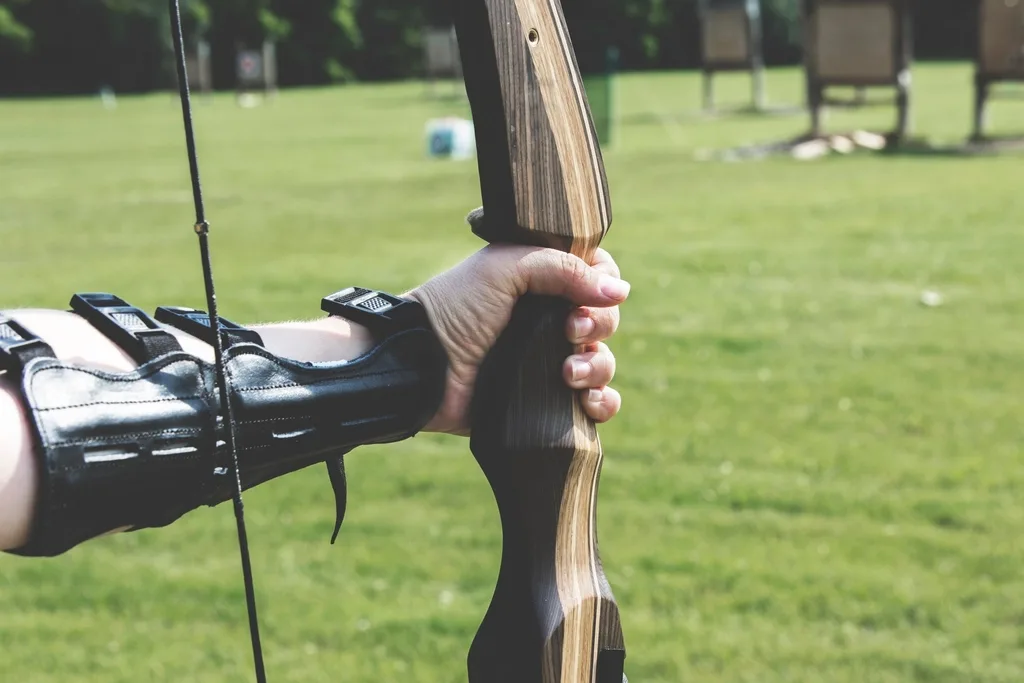
An arm guard is the first item most barebow beginners should buy because it solves the most common forearm problem: string slap. That is the sharp contact that can leave bruises, especially when elbow position or grip pressure is off. The Bear Archery guard is a lightweight, vented option with adjustable Velcro straps, so it fits the simple brief well.
Its 8" coverage matches a common benchmark for forearm protection. That length is enough for many shooters, but longer forearms or a high anchor position may need more coverage, especially if the string tracks close to the inside of the arm. Fit should prevent gaps at the wrist or near the elbow.
The honest drawback is that a loose guard can slide, and a short one can miss the contact zone. If the arm guard shifts when the string passes, the problem is not the concept; it is the fit or the form that needs attention.
Forearm coverage and the 8-inch benchmark
Eight inches is a common coverage length because it protects the inner forearm without adding much bulk. That is a good baseline for most archers, but it is not a universal fit. A longer forearm, a thicker sleeve, or a drawing style with more string travel toward the arm may call for longer coverage.
Coverage should match shooting form. If there is a gap where the string actually lands, the guard is too short, too narrow, or sitting too far toward the wrist.
Vented builds and strap security
Vented designs help with airflow during practice and warm weather. They do not make a guard safer by themselves, but they do make it easier to keep wearing it instead of taking it off between ends.
Straps or buckles matter because a guard that moves defeats the purpose. Adjustable fastening also helps when sleeves are thin on one day and bulkier the next.
Who needs longer coverage
Longer coverage is useful when the guard keeps ending above the contact area, when the bow arm extends fully, or when the string tracks closer to the inside of the forearm. New barebow shooters often find that a short guard protects the wrong section and leaves the bruised area exposed.
Common fit mistakes
The most common mistake is wearing the guard too loose. Another is placing it over a thick sleeve and assuming the same strap setting will work in every season. A third is buying coverage that looks long enough in photos but leaves the actual string path open.
Shooting glove: best for simple finger protection
A shooting glove protects the draw fingers from the repeated pressure of the string at release. For barebow, it is a basic comfort item when the fingers start to ache, especially during longer practice sessions. Suede or leather construction is common, and reinforced fingertips help resist wear where the string sits.
The main drawback is the break-in period. New suede or leather gloves often feel stiff at first, and that stiffness can make anchor feel awkward until the material softens. Fit matters too: a glove that is too roomy can bunch under the string, while one that is too tight can make finger joints feel crowded.
This is the simplest option for archers who want finger protection without learning tab setup. It also makes sense for beginners who are still sorting out draw weight and finger comfort.
Leather and suede feel
Leather and suede are common because they balance protection and string feel. The tradeoff is that both can feel firm out of the package. That stiffness usually eases after repeated use, but beginners should expect the first few sessions to feel less comfortable than later ones.
Reinforced fingertips and sizing
Reinforced fingertips matter because the string wears the same small area repeatedly. Fit should leave enough room for circulation without allowing extra material to fold under the string. For a glove, the draw hand is the relevant hand, not the bow hand.
When a glove fits better than a tab
A glove is often the cleaner choice for archers who want an easy-on option, minimal setup, and no metal plate or tab platform to adjust. It also makes sense when the archer prefers a little more padding and less hardware at the fingertips.
Finger tab: best for recurve-style finger protection
- Cordovan face with brass plate for string protection
- Aluminum scale plate allows 5mm adjustment for fit
- Modular construction supports long-term use and customization
A finger tab is the main alternative to a shooting glove, and for many recurve and barebow archers it is the more precise choice. It protects the draw fingers while keeping the string contact area consistent. The BICASTER tab uses cordovan leather with a brass string guard, which points to that more structured style of protection.
The downside is setup. Tabs usually need proper sizing, and some parts of the hand may need a short break-in period before they feel natural. A tab that is too large can shift during release, and one that is too small can create pressure points or “tab bite” at the fingers.
This option suits archers who want a cleaner finger interface and are willing to fit the gear carefully. It is especially useful when finger soreness is the main complaint and glove padding feels too bulky.
How a tab differs from a glove
A glove wraps each finger. A tab gives the string a flatter, more controlled surface. That difference matters because some barebow shooters want more direct string feel and a repeatable release point, while others want the simpler comfort of a glove.
Draw-hand fit, not bow-hand fit
Tab sizing should follow the draw hand, not the bow hand. This is a common beginner mistake. The correct fit is the one that keeps the tab flat under the string, with no extra material curling into the contact zone.
Break-in and tab bite
Like suede or leather gloves, tabs often feel better after a break-in period. Stiff material can make the first sessions feel odd, but that usually improves with use. If the fingers still feel pinched after the material softens, the size or strap placement is wrong.
When tabs help with finger soreness
Tabs help most when soreness comes from repeated string pressure rather than from a specific hand injury. They are also a strong choice when the archer wants consistent finger placement for barebow aiming and release.
Chest protector: best for clothing clearance
- Deflects bowstring slap protecting vital chest area
- Lightweight ventilated mesh fabric keeps shooter cool
- Velcro and elastic bands allow easy size adjustment
A chest protector is optional for barebow, but it earns a place when clothing interferes with the string path. It matters more in cold weather, under thicker layers, or when the string brushes the shirt front during release. The HNZMDY option uses adjustable nylon mesh, which keeps it aimed at lightweight coverage rather than heavy padding.
This item is not a core safety piece. It is a clearance fix. If the string never touches clothing, a chest protector is not solving a real problem.
The drawback is that some archers buy one too early and end up with extra bulk they do not need. It can also feel unnecessary in warm weather or with thin clothing.
Clothing interference and bulky layers
The chest protector is useful when layered clothing catches the string or changes how the shirt lies against the chest. That is why it is more relevant in colder months, when jackets, fleeces, and thicker shirts change the string path.
When it matters and when it does not
If the string never brushes the chest, skip it for now. If clothing contact shows up only in winter, add it seasonally. The goal is to remove interference, not to add gear because it looks standard.
Bow sling: best for bow-hand control
- Hand-tied with military-spec 550 paracord in USA
- Fits over index finger and thumb for support
- Fully adjustable design suits target or hunting use
A bow sling is optional, not a primary safety item. It helps control bow hand tension by letting the bow settle after the shot without a hard grip. That is useful for some target shooters and barebow archers who want a relaxed bow hand.
The drawback is simple: it does not protect fingers, forearms, or clothing. It solves a technique issue, not a protection issue, so it should never be bought before the basics.
For a beginner, the sling makes sense only after the bow hand is stable and the archer knows the string is not hitting the hand because of a grip problem.
Not a core protection item
A sling is for bow retention and hand relaxation. It is not there to stop bruising, shield fingers, or clear clothing. That is why it belongs after the arm guard and finger protection.
Barebow protection decision table
| Body issue | Gear fix | Who needs it | Common mistake |
|---|---|---|---|
| String slap | Arm guard | New barebow shooters, or anyone with forearm bruising | Buying too little coverage or letting it slip |
| Finger soreness | Shooting glove or finger tab | Any archer drawing with fingers | Picking the wrong size or ignoring break-in time |
| Clothing interference | Chest protector | Archers in bulky shirts, jackets, or layered clothing | Adding it when clothing never contacts the string |
| Cold-weather bulk | Chest protector, sometimes a larger arm guard | Anyone shooting through thick sleeves | Assuming summer fit will still work in winter |
| Bow-hand tension | Bow sling | Target-focused barebow archers who want a relaxed release | Treating it as a safety item instead of a control aid |
Which one should you buy?
Start with the item that solves the problem you already have. If the forearm is getting hit, buy the arm guard first. If the fingers hurt after a few ends, choose a glove or a tab before anything else. If the shirt is catching the string, add a chest protector. Simple order beats a full kit.
For most beginners, the best budget-first order is arm guard, finger protection, then chest protector only if clothing contact appears. That keeps spending low and stops the common mistake of buying a sling or other accessory before the basics are covered.
- Check where the contact happens: forearm, fingers, chest, or bow hand.
- Buy the item that solves that contact first.
- Pick the simplest fit system that stays put: straps, sizing, or adjustment.
- Try the gear with your actual shooting clothes, not just light indoor clothing.
- Keep optional accessories off the list until a real problem appears.
Say your forearm bruises after five arrows because the string lands near the wrist. A short guard that stops above that spot will not fix the issue. A longer, better-fitted arm guard does.
Suppose winter layers make the shirt puff out at the chest and the string begins to brush fabric during release. That is the point where a chest protector earns its place. Until then, it is just extra gear.
Frequently asked questions
What protective gear do barebow archers actually need?
The basic barebow protection stack is an arm guard plus finger protection, either a glove or a finger tab. Add a chest protector only when clothing interferes with the string path. Everything else is optional until it solves a real fit or contact problem.
Do barebow archers need an arm guard?
Yes, an arm guard is the first essential for most beginners because it addresses string slap, the most common forearm problem. It is especially useful when form is still developing. A guard should fit closely, cover the contact area, and stay put through the shot.
Should I use a shooting glove or finger tabs for barebow?
Use a glove if you want simple finger protection with less setup. Use a tab if you want a flatter, more controlled release surface and are willing to size and break it in properly. The right choice depends on comfort, finger soreness, and how much adjustment you want.
Do I need a chest protector for barebow archery?
Only if the string touches your shirt or chest, or if bulky layers create interference. It is more useful in colder weather and with thicker clothing. If the string path is clear in your usual shooting clothes, a chest protector is optional.
How do I choose the right arm guard size for archery?
Start with coverage that reaches the actual contact zone, not just the forearm in general. Eight inches is a common benchmark, but longer forearms or a particular arm angle may need more. The guard should sit securely without gaps or sliding during the shot.
Can I shoot barebow comfortably in cold weather clothing?
Yes, but cold-weather layers can change fit. Sleeves may make an arm guard looser, and thicker shirts can bring the string into the chest area. A chest protector becomes more useful here, and the arm guard straps may need a tighter adjustment.