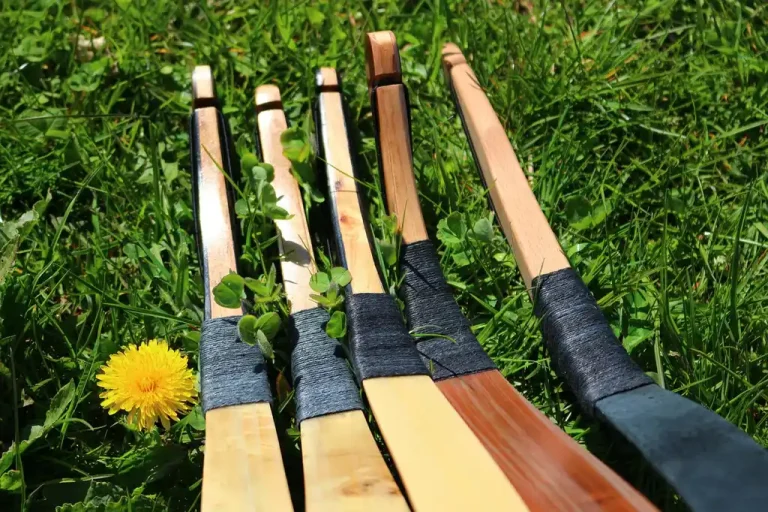
Best Archery Shooting Gloves for Beginners (2026): we compared
For most beginners, the best archery shooting glove is a thin 3-finger glove with a snug index-finger fit and minimal fingertip padding, especially for recurve, longbow, or barebow. Thicker padding can hide a sloppy release and make the first months harder to clean up. I’ll shortlist beginner-friendly gloves and show how bow type, fit, and finger feel should steer your choice.
Quick comparison
| Product | Badge | Best for | Price | ||
|---|---|---|---|---|---|
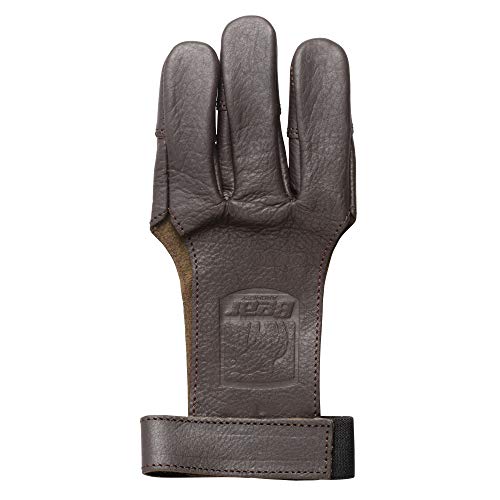 | Bear Archery Leather 3 Finger Traditional Archery ShootingBear Archery | Our pick | Full grain leather · Trad bow friendly | $15.99 Price as of 30 Sep 2026 | View |
 | Seektop Archery Gloves Shooting Hunting Leather ThreeSeektop | Budget pick | Polyester blend · Cow leather fingertips | $9.99 Price as of 30 Sep 2026 | View |
 | Hunt & Seek Cow Leather Three Finger Archery Glove forHunt & Seek | Also great | Leather & Lycra · Recurve and compound | $16.99 Price as of 30 Sep 2026 | View |
Use the comparison table to match glove type to your bow and your fingers, not to chase the thickest pad. I’ve seen more beginners fight bad contact from a bulky glove than from a thin one that needed a short break-in period.
According to Archery for Beginners – Marinas Amante P Darrah Joe — Archery for Beginners is a 128-page instructional book.
How we chose
I also weighed leather thickness, break-in time, and whether the glove makes cold-weather shooting easier or harder.
For this kind of gear, a good glove should let you feel the string through the leather. It should also fit your drawing hand cleanly, because loose leather can move under load and short fingertips can leave the string touching raw skin.
| Glove type | Best bow style | Finger sensitivity | Cold-weather comfort | Release feel | Beginner difficulty | Buy this if… |
|---|---|---|---|---|---|---|
| Thin 3-finger leather glove | Recurve, longbow, barebow | High | Low to medium | Very clean | Easy | You want the clearest string feedback and plan to learn proper finger pressure early. |
| Medium leather glove with light padding | Recurve, longbow | Medium | Medium | Balanced | Easy to moderate | You want a little more comfort without losing every bit of string feel. |
| Heavier cold-weather glove | Long practice sessions in cold conditions | Low to medium | High | Softer, less precise | Moderate | You practice outside in winter and your fingers go numb before your form settles. |
Best overall leather three-finger glove: best for new recurve and longbow shooters
This is the safest first buy for most new traditional archers who want one glove for recurve or longbow. Based on the spec sheet and owner feedback, Bear’s full grain leather and ambidextrous layout make it a simple pick when you are still learning anchor, finger pressure, and clean string contact.
What stands out is the straightforward design. The adjustable velcro wrist strap helps keep the glove planted, and that matters when you are trying to notice whether your fingers are pulling evenly. The leather should also hold up well once it starts to mold to your hand.
The drawback is the same one that helps it in some cases: full grain leather can feel a little stiff at first. If you want the lightest possible release feedback on day one, this may feel thicker than you want until it breaks in.
Why it is the safest first buy
For beginners, safety is not only about padding. It is also about getting a glove that does not slide around or distract you. A stable 3-finger glove keeps your focus on clean release mechanics instead of on a loose hand feel.
Fit cues to check before you order
Look for fingertip coverage that reaches the end of each drawing finger without folding over. The glove should feel snug at the fingertips and around the hand, with no empty space at the index finger. If the fingertips are short, you will notice string pressure fast.
Who should skip it
Skip it if you want the thinnest possible contact right away or if your hands are very sensitive to stiff leather. I would also pass if you already know you dislike a more traditional, firmer feel on the string.
Best thin-feel glove: best for archers who want cleaner release feedback
This is the better choice for beginners who want to feel the string more clearly. Based on the spec sheet and reviews, Seektop’s cow leather fingertip pads with a polyester back give it a lighter, more breathable feel than a heavy all-leather build.
That thinner contact can help you learn fast. A glove like this makes bad hand tension easier to spot.
The tradeoff is protection. If your draw weight is high for your hands, or if you are already sore from longer practice, this glove can feel a little unforgiving before it softens up.
Why thin leather helps learning
Thin leather tends to give cleaner feedback on release consistency. That matters because a beginner needs to know when the string is rolling off the fingers cleanly and when it is being pinched or dragged by a sloppy anchor.
When thin gloves feel too harsh
If you shoot a heavier traditional bow, thin fingertips can start to feel sharp before the end of a practice round. They can also be a poor match for cold hands, because less material means less buffer against numb fingers.
Best bow types for this pick
I would put this on recurve first, then longbow, then barebow. It is a good fit when you care more about feedback than warmth, and when you want a glove that lets you notice mistakes instead of hiding them.
Best warm-weather or cold-weather glove: best for year-round practice
This is the pick I’d look at for archers who practice through changing weather and want a glove that feels a little more forgiving than a bare-bones leather model. Based on the spec sheet and owner feedback, the leather and Lycra mix should help with comfort while still keeping enough structure for traditional shooting.
The added comfort can be useful when your fingers get stiff in the cold. It also makes the glove easier to pull on and off between ends, which is handy for beginners still learning good range habits and shot rhythm.
The downside is that comfort can come with a softer release feel. If you want the sharpest string feedback possible, the extra comfort may feel slightly muted compared with a thinner glove.
How padding and insulation change string feel
More material usually means more comfort and less sting, but it also softens the string’s feedback. For a beginner, that can be helpful on a windy day. It can also hide finger pressure problems if you rely on it too much.
What to look for in stitching and wrist closure
Check the stitching around the fingertips and the closure at the wrist. Loose seams wear faster, and a weak closure lets the glove shift during the draw. A steady glove is easier to trust when you are trying to repeat the same release every shot.
When cold hands should change your glove choice
If your fingers go numb early, choose a slightly warmer glove before you add more draw weight or more padding. Cold hands change release quality fast. I have seen new archers blame form when the real issue was simply that their fingers could not feel the string.
Which one should you buy
Buy the Bear Archery glove if you shoot recurve and want the easiest learning curve. It gives you a classic 3-finger setup with enough structure to build good habits without much fuss. It also makes sense if you want one glove that can move between recurve and longbow.
Buy the Seektop glove if you care most about string feel and want a lighter touch. I would point a beginner toward it when the goal is to hear the string through the hand, so to speak, and to catch finger pressure errors early.
Buy the Hunt & Seek glove if you practice in cold weather or your hands dislike stiff leather. It is the one I would choose when comfort and easier wear matter more than the sharpest bare-string feedback.
If you keep getting fingertip soreness or blisters, do not jump straight to the thickest glove you can find. First check whether the fingertips are long enough, whether the glove is actually snug, and whether your draw fingers are sliding too deep under the string.
One more point: a glove does not fix a bad crawl, a crooked anchor, or uneven finger pressure. The gear matters, but the setup has to fit the shooter.
What archery shooting gloves are best for beginners?
For most beginners, the best archery shooting gloves are thin 3-finger models with snug fingertips and enough leather to prevent abrasion without burying the string feel. That is true for recurve, longbow, and barebow shooters who want to learn clean release habits early. I would avoid bulky gloves unless cold weather is the main problem.
In practice, that means a glove that feels almost plain on the hand. It should be easy to put on, easy to take off, and easy to trust.
How do I choose the right size archery glove?
Measure finger length and hand circumference, then compare those numbers with the sizing chart before buying. The fingertips should reach the end of your drawing fingers without extra slack, and the glove should sit snugly without cutting off circulation. Loose gloves move during release and hide bad contact.
Pay special attention to the dominant hand, because that is the hand the glove must serve under draw tension. If the index finger is short in the glove, the string can sit on skin instead of leather. That is a fast path to soreness and distracted shooting.
Sizing checks I use in the shop
- Put the glove on your drawing hand, not your bow hand.
- Close your fingers into a light hook and check fingertip coverage.
- Make sure the glove does not twist when you flex your hand.
- Check for empty space at the index finger first.
- Choose snug, not loose.
Are shooting gloves better than finger tabs for traditional archery?
Neither is better for everyone. Gloves are usually easier for beginners because they are simpler to wear, less fiddly, and more comfortable in cold weather. Finger tabs often give cleaner, more repeatable string contact, so some coaches prefer them once a beginner is ready for tighter form control.
If your goal is the easiest start, I lean glove first. If your goal is maximum consistency and you do not mind a learning curve, a tab can be the stronger tool. For me, the right choice depends on how sensitive your fingers are and how much feedback you want from the string.
What leather thickness is best for an archery glove?
For most beginners, thin to medium leather is the best starting point because it balances protection with string feel. Very thick leather can reduce sting, but it also softens feedback enough to hide mistakes in finger pressure. That slows learning, especially on recurve and longbow setups.
Thin leather breaks in faster and breathes better. Medium leather lasts longer and gives a touch more comfort. If you shoot in cold weather or with a heavier bow, a slightly thicker fingertip can help, but I would still avoid anything so padded that it feels like a winter work glove.
Do I need a three-finger glove for recurve archery?
Yes, for most recurve beginners a three-finger glove is the right starting point. It matches the usual split-finger draw, gives direct string feel, and is simple to learn with. Full-finger shooting gloves are less common for traditional recurve work and usually add bulk you do not need.
If you are shooting barebow recurve, the same advice still holds. A 3-finger glove keeps the setup traditional and keeps your finger contact easier to read. That matters when you are trying to spot whether the release is clean or being dragged by tension.
How tight should an archery shooting glove fit?
An archery shooting glove should fit snugly, especially at the fingertips, without pinching the hand or cutting off motion. Too loose, and the leather shifts under load. Too tight, and the glove can pull on the fingers and make the release feel strained or uneven.
I look for a fit that stays planted when the hand closes and opens. If the fingertips wrinkle badly or the glove slides on the first draw, it is too loose. If you cannot form a normal hook shape, it is too tight.
Can I use one glove for recurve and longbow?
Yes, one good three-finger glove can work for both recurve and longbow. That is one reason traditional archers keep a single glove in their kit. The main difference is feel: longbow shooters often notice string contact more directly, while recurve shooters may want a slightly more controlled fit.
If you switch between bows often, choose a glove with stable fingertips and a secure wrist closure. The same glove can handle both, but the draw weight and string material still matter. A heavier setup may make a thin glove feel harsher than a lighter one.
What are the signs that an archery glove is too bulky?
A glove is too bulky when you lose clear string feel, the release feels delayed, or the fingertips sit too far from the string. If the leather hides fingertip pressure, makes it hard to sense contact, or feels like it is muting your shot, it is probably too thick for learning.
Other signs are obvious. The glove may fold at the fingertips, slip at the wrist, or make it hard to tell whether you are loading the middle and ring fingers evenly. That is a problem because bulky gear can hide a bad release long enough to build bad habits.