5 Best Brush Gear for Bowhunters (2026): We Compared
The best single pick for thick brush is the Guide Gear brush pants, because the double-layer overlays protect the front and calves without turning your legs into a noisy, snag-prone shell.
Quick comparison
| Product | Badge | Best for | Price | ||
|---|---|---|---|---|---|
 | Guide Gear Men’s Upland Brush Hunting Pants – Tan, W36 L32Guide Gear | Our pick | Tan W36 L32 · Cotton brush pants · Double layer | $54.99 Price as of 25 Oct 2026 | View |
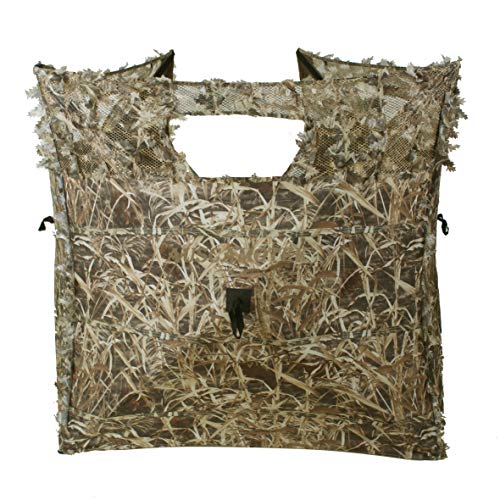 | Auscamotek Duck Hunting Pop Up Ground Blind Portable QuickAUSCAMOTEK | Upgrade pick | 3-Sides Camo Pop-Up · Lightweight · Quick Setup | $69.99 Price as of 25 Oct 2026 | View |
 | AMEYXGS Archery Chest Guard Cowhide Chest Protectors for RHAMEYXGS | Also great | Cowhide Chest Protector · Black M · RH Archer | $11.99 Price as of 25 Oct 2026 | View |
 | Chuarry 5 Pcs Blaze Orange Hunting Vest, High VisibilityChuarry | Budget pick | 5 Pcs Blaze Orange · Unisex Medium · Mesh Vest | $23.99 Price as of 25 Oct 2026 | View |
 | UIIHUNT Upland Hunting Chaps, Waterproof Briar-Proof BrushUIIHUNT | Pair with it | X-Large Upland Chaps · Waterproof · Briar-Proof | $59.99 Price as of 25 Oct 2026 | View |
This guide compares brush protection, blind concealment, and all-day sit comfort without forcing one bulky setup onto every hunt. The right gear shifts when you move from a stalk through briars to a seated draw in a dark blind.
How we chose
The picks below were compared on four things: noise level, snag resistance, protection where the bow actually moves, and fit with seated blinds or layered clothing. That matters more than marketing language.
For a brush hunt, the failure mode is contact. For a blind sit, the failure mode is movement. The gear here tries to reduce both.
We also favored low-profile pieces that do not add much bulk at the wrists, forearms, knees, or ankles. Those are the spots that catch on branches, blind windows, and chair arms first.
Protective gear matrix
| Gear | Thick brush stalk | Brushed-in ground blind | Cold, wet all-day sit |
|---|---|---|---|
| Gloves | Light or medium coverage; protects knuckles and reduces hand shine. Avoid bulky cuffs that snag vines. | Light concealment glove or bare fingers if grip feel suffers. Avoid slick palms that slide on the bow grip. | Insulated but thin enough for release work. Avoid thick insulation that blunts trigger feel or release contact. |
| Face cover | Optional in open cover; useful if the face is exposed while still-hunting. Avoid fabric that whistles in wind. | High value in a dark blind; hides facial movement and skin. Avoid glossy material that catches window light. | Useful for warmth and concealment. Avoid heavy fabric that traps moisture and fogs glasses. |
| Arm protection | Medium priority if sleeves are loose or brush is dense. Avoid cuffs that ride up and catch briars. | Higher priority if the draw arm passes close to a window frame or if layered sleeves can touch the string. Avoid loose outer sleeves. | High priority when cold layers add bulk near the string path. Avoid puffy sleeves that change string clearance. |
| Footwear | High traction and ankle support matter most. Avoid loud soles and tall profiles that snag on deadfall. | Low-noise soles and easy sit-to-stand movement matter more. Avoid muddy boots that stain blind fabric and mats. | Water-resistant traction and warmth matter. Avoid heavy boots that make chair movement noisy and slow. |
| Outerwear | Quiet, flexible layers that bend at the hips and knees. Avoid stiff fabric and hard panels that scrape brush. | Dark, quiet outerwear that blends into a blind interior. Avoid bulky jackets that catch on windows and chair arms. | Packable insulation and wind blocking. Avoid rustly shells and overbuilt insulation that makes drawing harder. |
| Noise risk | Branch scrape, zipper rattle, sleeve tick, boot scuff. | Window slap, chair squeak, fabric rustle, gear bump. | Wet cloth swish, chilled stiffness, layered fabric rub, heater clatter if used poorly. |
Guide Gear pants: best for brush contact
These brush pants fit hunters who need leg protection first and foremost. The double-layer polyester overlays on the front and calves are the main value here, since those are the areas that take the most abuse in briars, dead grass, and tight creek-bottom cover.
The 100% cotton body gives the pants a quieter, more breathable feel than hard shell layers, and the built-in knee darts with a relaxed fit help when crawling, kneeling, or stepping over blowdowns. For early-season cover, that balance matters.
The drawback is obvious: cotton is less forgiving in sustained wet weather, and the tan color is not a concealment solution by itself. These are brush pants, not waterproof armor.
AMEYXGS chest guard: best for string-path protection
This chest protector is for archers who want extra coverage near the bowstring path without adding a heavy vest. The cowhide face is the key spec here, because it gives the front of the torso a tougher layer where loose shirts or thin jackets can get dragged by the string.
It also helps keep clothing from getting pulled into the shot cycle, which matters more with longer draw lengths, steep anchor positions, or thicker cold-weather layers. In a ground blind, that can make the difference between a clean draw and a noisy correction.
The downside is fit sensitivity. A chest protector only helps when it matches the archer’s anchor and torso shape, and any stiff panel can feel unnecessary if the setup already clears cleanly.
UIIHUNT chaps: best for briars and wet cover
These chaps are aimed at hunters crossing thorny, wet, or abrasive cover. The waterproof liner and 420D fabric give the legs a tougher barrier than standard pants alone, and the full-length side zippers make them easier to manage when moving in and out of cover.
The reinforced stitching matters because leg protection fails at stress points first, especially at the seams and lower legs where brush contact is constant. For thick brush stalks, that is more useful than extra bulk above the knee.
The drawback is speed and heat. Chaps add another layer to put on, and they can be more than a hunter needs for short, dry walk-ins or for blind sits where leg brush contact is minimal.
Auscamotek blind: best for low-profile concealment
This pop-up blind is for hunters who need a simple brushed-in setup rather than a full wall of gear. Its 3-Sides Camouflage Tent layout and lightweight build make it easier to place in cover without creating a bulky footprint.
The main advantage for protection is not the blind alone, but the way it creates a controlled space around the bow. A blind works best when the interior room, window layout, and chair height are matched to the draw, so the bow does not hit fabric or frame on the way up.
The drawback is that a blind only hides movement if it is set up correctly. If the interior stays bright or the windows sit too low for the chair, the outline shows fast and the shot lane gets tight.
Chuarry blaze vest: best for visibility on access routes
This vest is not for concealment inside a blind. It makes sense only when visibility matters on the walk in or during hunting situations where legal safety color is needed. The lightweight polyester mesh and adjustable waist make it easy to wear over other layers.
For brushy bowhunting, the main value is simple: it adds visible safety without much bulk. It is easier to pull on than a heavy jacket, and it does not try to do the job of a warm outer layer.
The drawback is also simple. Blaze orange is useful in the right setting, but it works against concealment once you are inside the hunting position and trying to disappear against a dark blind interior or broken cover.
Which one should you buy?
For warm-weather brush hunts, start with the Guide Gear pants. They solve the most common problem first: leg contact with brush and knees that need to bend quietly.
For brushed-in ground blinds, the AMEYXGS chest guard and the Auscamotek blind make the most sense together. The blind creates the hiding space, and the chest guard helps when the string path gets tighter because of seat height, window position, or layered clothing.
For cold, wet all-day sits, the UIIHUNT chaps and the Guide Gear pants cover different problems. The pants handle brush contact; the chaps add more protection when the ground is wet, thorny, or soaked through.
If the goal is the lightest possible kit, skip anything bulky and keep only what controls contact points: quiet pants, a thin face cover, gloves only if the hands need them, and footwear that does not slap or slide. A common first-timer mistake is bringing heavy insulation to a blind, then finding that the extra bulk makes the draw awkward and the chair noisy.
Suppose the setup is a 60-by-60-inch blind with a low window opening and a chair that sits too high. The problem is not comfort; it is line-of-draw clearance. A smaller, lower chair and a thinner upper layer usually solve more than a heavier jacket ever will.
What gear should I wear for bowhunting in thick brush?
Wear quiet pants with reinforced lower legs, a shirt or jacket that does not snag at the cuffs, and boots with traction and ankle support. Add gloves only if your hands need brush protection or concealment. In thick brush, the priority is moving cleanly, not layering on bulk.
Loose sleeves, noisy shells, and hard-edged pockets cause more trouble than they solve. The gear should bend, brush off contact, and stay out of the string path.
What protective gear do bowhunters need in a ground blind?
In a ground blind, the main protective priorities are concealment of movement, string-path control, and quiet body position. A face cover, a low chair, a quiet outer layer, and a chest guard are the most relevant pieces when the bow must move in a small space.
The blind itself matters too. A dark interior, stake-down setup, and brushed-in edges help hide shape, but only if the chair height matches the window and the hunter can draw without hitting fabric or frame.
Do I need gloves, a face mask, or arm protection for bowhunting?
Not every hunt needs all three. Gloves help with brush contact and hand shine, a face cover helps most inside a dark blind, and arm protection matters when the draw arm sits close to the string or when layered sleeves can catch brush or bowstring.
The right choice depends on where the movement risk sits. If hands are exposed in briars, gloves matter. If the face is framed by a dark blind window, a mask matters more. If sleeve bulk changes clearance, an arm guard or sleeve layer matters most.
What is the best clothing for bowhunting in thick cover?
Quiet, flexible clothing with reinforced wear zones is the best fit for thick cover. Pants with front and calf protection, breathable shirts, and outer layers that do not rustle when brushed are the safest starting point. Heavy fabric is not better if it snags on every step.
For early-season cover, breathable material matters because hunters move more and sweat more. For colder cover, the best clothing is still the clothing that moves quietly and keeps sleeves, cuffs, and knees from catching.
How do I stop brush and branches from snagging my gear?
Reduce loose edges first. Tighten cuffs, keep straps short, avoid dangling accessories, and choose clothing with smooth outer faces where contact happens most. Boots should clear brush without catching, and pants should not balloon at the knee or calf.
Say your sleeve cuff keeps snagging every time you push through cedars. The fix is usually not more padding; it is a cleaner cuff, less bulk near the wrist, and a layer that stays in place when the arm bends.
What should I bring inside a ground blind for bowhunting?
Bring only what supports the shot: a low chair, a face cover if the interior is dark, a chest guard if string path clearance is tight, a rangefinder, and any warm layer that stays quiet when you shift. The blind is not a gear dump.
Blind size matters here. A blind listed for two to four hunters, like the TIDEWE 360-Degree See-Through Blind, is built around more space than a solo setup, while a compact blind with a 60-by-60-inch footprint places more pressure on chair height and body position.
What gear helps hide movement when drawing a bow in a blind?
A dark interior, a face cover, a low chair, and a chest guard are the main tools that hide draw movement. The goal is to reduce visible skin, keep the anchor path clean, and stop clothing from dragging across the string or window edge.
Window type matters too. The TIDEWE 270-Degree See-Through Blind includes silent sliding windows, which helps control movement at the edge of the shot lane. But even quiet windows do not fix a chair that sits too high or a jacket sleeve that rubs the frame.
How do I stay warm and protected in a ground blind without making noise?
Use quiet, packable insulation and wind blocking instead of thick, noisy outerwear. Add a face cover only if it helps with both warmth and concealment, and keep layers thin enough that the bow can still clear the string path cleanly.
For long sits, scent-control clothing is useful when it stays breathable on the walk in and quiet when the hunter shifts in the chair. If weather turns wet, the priority becomes staying dry without rustling every time the legs move.