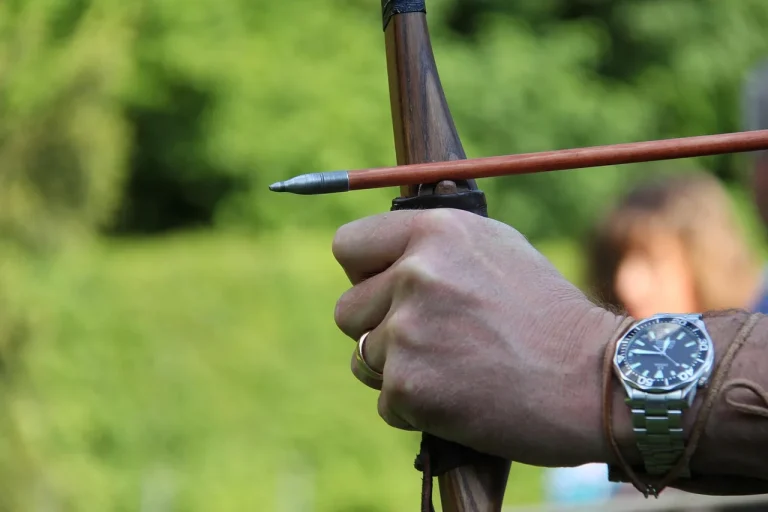
Archery Safety for Long Hair and Beards
Keep long hair tied back tight, keep beards trimmed, combed, or tucked so they stay clear of the string path, and clear loose collars or drawcords before every shot; if anything can touch the string during draw or release, secure it first. Miss that rule and you can get a face hit, a missed shot, a dry-fire-like string slap, or a cut strand that changes your release. This guide maps the exact snag points for long hair and beards and gives a short pre-shot clearance routine that works without extra gear.
Can long hair get caught in an archery string?
Yes. Unsecured long hair can catch on the bowstring or moving bow components, especially near the face line during anchor and on the way through release. The highest-risk points are the draw, anchor, and follow-through. If hair hangs forward, swings from the side, or slips out of a tie, the string can grab it before the shot is finished.
Where hair snags most often
The string path is narrow at the face. That is where loose strands matter most. A ponytail that sits high and swings behind the head can still sweep into the line if it is not controlled close to the skull. Side strands and shorter layers are a problem too, because they can move when the archer settles at anchor.
Hair control is not only about comfort. It is about keeping the string path clear every time the string comes back to the face and leaves it again. Check hair before each end, not only at the start of practice.
How a hair snag changes the shot
A snag can pull the head, disturb anchor, or change the release hand at the last moment. That can send the arrow off line and can also create a hard string slap against the face. If the hair is cut or dragged, the archer may flinch on the next shot and repeat the error.
Suppose a low ponytail sits just behind the ear. The archer draws cleanly once, but on the next shot the tie loosens and a few strands drift forward. Those strands may be enough to touch the string at anchor, so the fix is not “shoot through it.” The fix is to retie the hair before the next arrow.
Can a beard snag the bowstring when shooting archery?
Yes. A beard can contact the string at anchor or interfere with how the face settles against the string. That is a different risk from loose hair because beard length, shape, and stiffness can change feel at the chin, lip, or jaw. If facial hair touches the string line, it should be controlled before shooting.
Anchor-point contact and beard length
Beards that extend into the anchor area can change how the string sits on the face. On a recurve or barebow, that matters at the corner of the mouth, chin, and jaw line. On a compound setup, the face contact points may be different, but the same rule applies: the string must travel unobstructed.
What should men with beards wear for archery safety? Wear clothing that keeps facial hair from crossing the string path, and keep it close to the body. A beard does not need special clothing. It does need control if it affects anchor feel or lets the string brush the face at full draw.
Trim, comb, or tuck without adding bulk
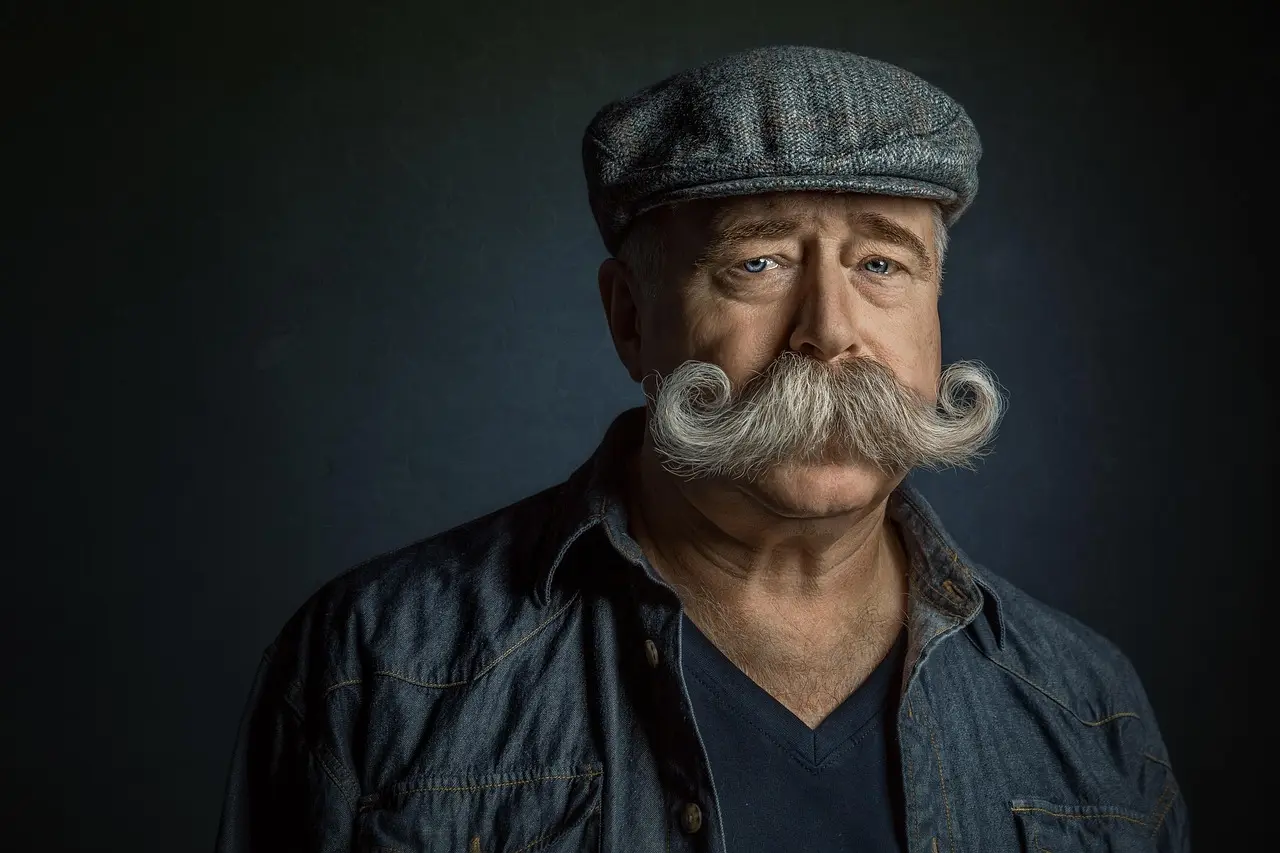
Keep beard control simple. Trim only if the beard regularly reaches the anchor point. If trimming is not desired, combing and shaping can help keep hair flat and away from the string line. Avoid bulky gear around the jaw or neck, because that can create a new contact point.
Do not rely on beard oils or waxes as a safety fix. They may change how hair lies, but they do not solve string clearance by themselves. Clearance still depends on how the beard sits at draw, where the anchor lands, and whether the string can pass the face without touching hair.
When facial hair makes release inconsistent
If the beard changes where the string lands, the release can feel different shot to shot. That inconsistency matters more than length alone. A beard that is short but stiff can still affect anchor, while a longer beard that lies flat may not. The key question is simple: does it touch the string or alter the anchor? If yes, control it.
How do I keep my hair from hitting the string in archery?
Tie long hair back tight and keep it fully out of the string path. The best control is low, compact, and stable. Check the tie before each end. If the hair shifts when you set anchor, draw, or turn your head, it is not secure enough for shooting.
Ponytails and buns
Use a low ponytail or a compact bun that stays close to the head. High ponytails can swing, especially when the bow is raised or the archer settles into anchor. The safest placement keeps hair behind the face line and below the area where the string passes the cheek and jaw.
Hair ties or a headband should secure hair without loose ends. Choose low-profile options that do not press into anchor points or hang near the string line. A bulky clip behind the head can be as awkward as loose hair if it changes head position under tension.
Braids
Braids work well when they are placed so they do not swing into the line. Keep the braid flat against the back of the head or tucked low enough that it cannot drift forward during the shot cycle. A long braid that hangs over the shoulder can move at the wrong moment.
Picture a side braid that rests over the right shoulder. On a draw to anchor, it may slide forward as the chest turns. That is enough movement to put it near the string path. Moving the braid behind the back removes the problem before it starts.
Caps, headbands, and hood use
Caps and headbands can help if they hold hair down without creating loose edges. The brim or band should not interfere with anchor or the string line. Hoods can be a concern because the fabric and cords may shift; if a hood is worn, the cords should be kept out of the shot area.
Do not wear a loose cap with dangling adjustment straps. Those straps behave like any other loose item near the string. If a head covering changes how the draw feels, it is too bulky for that setup.
What clothing should you wear?
Close-fitting clothing reduces snag risk. Loose sleeves and dangling items can catch on the string, and chest fabric that drifts forward can do the same. The safest clothing stays flat, stays close to the torso, and stays clear of the face line through draw and release.
Close-fitting sleeves and tops
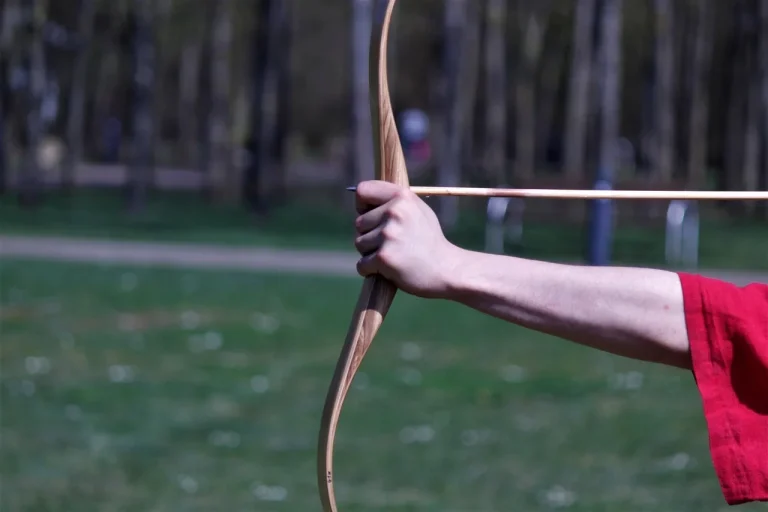
Wear sleeves that do not balloon at the forearm or upper arm. Loose cuffs can catch the string on the way forward, especially if the bow arm rotates during the shot. Shirts should also stay flat across the chest so fabric does not rise into the string path.
Loose sleeves and dangling jewelry can catch on the string. Remove necklaces, dangling ear pieces, and anything that can move independently of the body. The same rule applies to pocket cords and drawstrings.
Hood cords, scarves, and dangling straps
Can loose hood cords or scarves catch the string in archery? Yes, and they are common snag points. Any cord that hangs near the neck or chest can move into the string path at draw. Scarves are especially risky because they can shift with head turn and body rotation.
If a top has hood cords, tuck them away or remove the hood from use. If a scarf is necessary for warmth, it should be secured well away from the bowstring and should not move when the head turns toward anchor. Do not let fabric drape across the front of the body.
How to keep chest fabric out of the string path
The chest area deserves attention because the string may pass close to it on many setups. Recurve and barebow archers often notice this most when clothing is loose at the front. A chest guard can help keep clothing clear of the string, but it is not required for every archer.
A common first-timer mistake is wearing a soft hoodie with a loose front pocket and then assuming the bow arm alone controls the shot. The front fabric can still move into the line as the archer settles. The simpler fix is a closer-fitting top before adding extra gear.
Do you need a chest guard or armguard?
A chest guard is useful when clothing tends to contact the string, especially for recurve archers, but it is setup-dependent and not mandatory for everyone. An armguard helps reduce bowstring contact on the forearm. Both accessories work best when they fit cleanly and do not create new interference.
Chest guard use for recurve and barebow archers
Do I need a chest guard if my hair or beard is long? Not because of hair alone. A chest guard helps when shirt fabric, chest position, or string path makes clothing contact likely. For a recurve or barebow setup, it can keep the shirt clear near the anchor side of the chest.
If the clothing already stays flat and clear, a chest guard may not be necessary. If the shirt rides up, catches, or changes the line of the string, then it becomes useful. The decision should follow the setup, not habit.
Armguard fit and strap placement
An armguard reduces forearm string contact, but it has to sit over the string-contact area and the straps must not interfere with the shot. If the strap rides high or shifts toward the wrist, it can distract the archer or alter sleeve position. A secure, low-profile fit is the goal.
Armguards do not solve hair or beard clearance. They handle a different problem. They belong in the system because they protect the forearm, but they should not be used as a substitute for checking the face line, clothing, and head covering.
When either accessory helps, and when it does not
Use a chest guard when clothing repeatedly enters the string path. Use an armguard when the forearm is in the way of the string. Neither one fixes loose hair, loose hood cords, or a beard that interferes with anchor. Those issues need direct clearance before shooting.
Hair and beard snag checklist
This short check is meant to fit into a pre-shot routine and can often be run in under 10 seconds once the steps are familiar. It targets the points where snags happen most often: anchor, face clearance, and moving fabric near the string path. Run it before each end.
| risk | what to check | fix before shooting |
|---|---|---|
| Ponytail | Is it low, tight, and away from the face line? | Retie low and compact; move it fully behind the head. |
| Braid | Does it swing forward when turning to anchor? | Tuck it flat behind the back or secure it so it cannot swing. |
| Beard | Does it touch the string or change anchor feel? | Trim, comb, or tuck it so the string clears the face cleanly. |
| Hood cords | Are cords hanging near the neck or chest? | Remove the hood from use or secure the cords out of the shot area. |
| Scarves | Can the fabric shift as you draw? | Remove the scarf or secure it so it cannot enter the string path. |
| Chest-guard alignment | Does the guard cover the clothing area that could contact the string? | Shift the guard so it lies flat and keeps fabric clear without adding bulk. |
- Check range commands and wait for the signal before drawing or shooting.
- Confirm the bow stays pointed downrange.
- Clear hair, beard, cords, and loose clothing from the string path.
- Check that the chest guard, if used, lies flat and does not shift.
- Confirm the armguard does not interfere with the shot.
- Draw only when the line is open and stop if someone enters the range.
Range control still matters even when all gear is right. A properly managed shooting area is the strongest protective measure. A target alone is not a backstop. Arrows should be retrieved together after shooting stops, and closed-toe footwear is recommended for shooting and arrow retrieval.
For field archery, the same snag checks apply, but uneven ground can make clothing and headwear shift more than on a flat line. That means hair, beard, and cord control matters just as much outdoors. The bowstring should always travel unobstructed, no matter where the target stands.
What causes string contact on the face in archery?
String contact on the face usually comes from poor clearance at anchor, moving hair, or fabric that enters the line during the shot. The face is the narrowest part of the path, so even small changes in head position, beard control, or clothing can create contact there.
Anchor position and string line
Anchor is where the string meets the face, so it is the most sensitive point for snags. If long hair or a beard sits near the contact point, the string may brush it even when the shot feels normal. That is why face clearance has to be checked before the first arrow and before each end.
Follow-through and moving fabric
Follow-through matters because the string is still moving after release. Loose sleeves, a shifting braid, or a hood cord can move into the path just as the string returns forward. A clean release still needs clean clearance all the way through the shot cycle.
How do I stop clothing from catching the bowstring?
Wear close-fitting clothing, remove dangling items, and keep front fabric flat against the body. The main offenders are loose sleeves, hood cords, scarves, and straps that hang near the chest or neck. If clothing crosses the string path at any point in the draw cycle, it should be changed or secured.
Can a beard snag the bowstring when shooting archery? Yes, and the same answer applies to fabric. Anything that can move into the line is a risk. The simplest fix is to clear the front of the body before shooting, then repeat that check before each end.
Frequently asked questions
What should men with beards wear for archery safety?
Wear close-fitting clothing that does not add extra contact points, and control the beard so it stays clear of the string path. There is no special garment for a beard. What matters is whether facial hair changes anchor feel or blocks the string at the face.
Do I need a chest guard if my hair or beard is long?
Not because of hair or beard alone. A chest guard is useful when clothing can enter the string path, especially on some recurve and barebow setups. If your shirt stays flat and clear, you may not need one. Use it when fabric contact is a real problem.
Can loose hood cords or scarves catch the string in archery?
Yes. Hood cords and scarves are common snag points because they move with the head and chest. Remove them, secure them, or choose different clothing before shooting. If a cord or scarf can drift into the string path, it should not be left loose on the line.