Archery Protective Gear by Failure Point
For most new archers, start with a few basic items: an arm guard, a finger tab or release that suits your bow, and a chest guard if you expect string contact. Skip the wrong piece and you trade a small gear bill for string welts, pinched fingers, wrecked form, or a short practice session. I’ll sort protective gear by recurve, compound, and traditional setups, then show what changes for adults, kids, lessons, backyard shooting, and first bow purchases.
A recurve beginner with a high elbow and a loose hoodie needs a different fix than a compound shooter using a wrist release. So this Archery protective gear guide is a decision tree, not a shopping dump.
What protective gear do you actually need for archery?
Most archers only need protection where the string, serving, or clothing actually interferes with the shot: forearm, drawing fingers, and sometimes the chest. Your bow type, draw style, draw weight, anchor, and pain tolerance matter more than owning every accessory on the wall.
Start with the failure point, not the product wall
If you shoot recurve or traditional off the fingers, start by asking two questions: does the string hit your forearm, and do your fingers get sore before your form settles? If yes, your first buys are simple. If no, you may only need one item.
Recurve and traditional shooters usually need more direct body protection because the string track sits closer to clothing, fingers, and chest contact. Compound archers using a release often skip finger protection entirely, but many still benefit from an arm guard in early sessions or when bulky sleeves drift into the way.
My first compound bow was set roughly 10 lb too heavy. In that phase, extra gear would not have fixed the real issue. The bow setup was fighting me.
How draw weight, anchor, and pain points change the choice
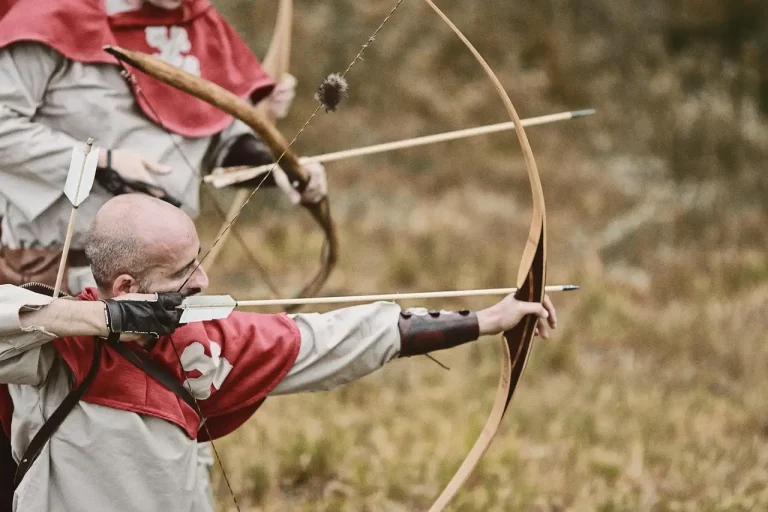
Light draw weight and short sessions let some beginners practice with little finger pain. Longer sessions expose hot spots fast. A corner-of-mouth anchor with recurve can pull the string closer to chest and sleeve contact than a more open stance. Traditional shooters with deep hooks often prefer glove comfort, while target recurve shooters usually want a cleaner release from a tab.
Protection also changes with sensitivity. Some archers can shoot a light bow bare-fingered for a few ends. Others get raw fingertips quickly. Neither is wrong. Buy for the way your hands and form react, not for somebody else’s threshold.
Choosing Archery Gloves for Cold Weather
Cold temperatures ruin string feel and anchor consistency if your hand protection is too bulky or too thin. The right setup depends on your discipline and the conditions: thin merino liners preserve tactile feedback for recurve and barebow shooters, while quiet insulated gloves suit late-season hunters who need warmth during long sits.
For severe cold, a liner paired with a removable hand muff or mitten keeps fingers functional between shots without sacrificing accuracy at the moment of release. Selecting the wrong combination leads to numb fingers and missed targets. This guide to cold weather archery gloves breaks down materials, dexterity tradeoffs, and specific recommendations for every hunting and target scenario so you can match protection to your actual shooting environment.
Must-have protective gear
Arm guards
Arm guards prevent painful hits from a returning bowstring. That sounds basic, but the real buying decision is about when they are mandatory, when they are optional, and whether the one you picked actually covers the part of your forearm getting clipped.
For recurve beginners, I treat an arm guard as a starting item. The first sting usually comes from a bent bow arm, poor elbow rotation, or a sweatshirt sleeve that creeps into the string path. A guard keeps those early mistakes from ending the session after six arrows.
For compound release shooters, I often move arm guards from mandatory to situational. If your form is repeatable, your sleeve is fitted, and the string path stays clean, you may not need one every session. For youth archers, I lean back toward yes because growth, posture, and clothing change constantly.
The page facts are straightforward here: arm guards are highlighted as forearm protection from the bowstring, one listed version is made from durable polyester, another from durable silicone, and one uses reinforced, elastic straps. In practice, leather, polyester, and silicone do not feel the same on the line. Leather usually sits quieter and breaks in over time, polyester tends to stay light and breathable in summer, and silicone grips slick jacket fabric better when a beginner keeps shifting their sleeve. Those material notes matter because they change grip, ventilation, and how flat the guard stays during a lesson.
Finger protection
Finger tabs protect drawing fingers from the string, but the better question is whether you need a tab, a glove, or tape. Use a tab when you want cleaner release feel. Use a glove when you want easier comfort and simpler on-off use. Use tape as backup, not your long-term plan.
Finger tabs are used for an easier grip and release. For recurve target shooting, that usually means better consistency at anchor and through the loose. For traditional archery, many beginners still prefer a glove because it feels less fiddly and more natural around the string.
There is handedness to get right. A listed leather finger tab is suitable for both right- and left-handed archers, while other tabs are hand-specific.
Thickness changes feel. A thinner leather face gives better string sense but less cushion. A thicker face protects more but can mute feedback. One listed finger tab is dual-leather and includes a plastic separator, which many beginners appreciate because it reduces finger pinch. One listed tab is cowhide and protects the archer’s fingers from the bowstring.
Chest protectors
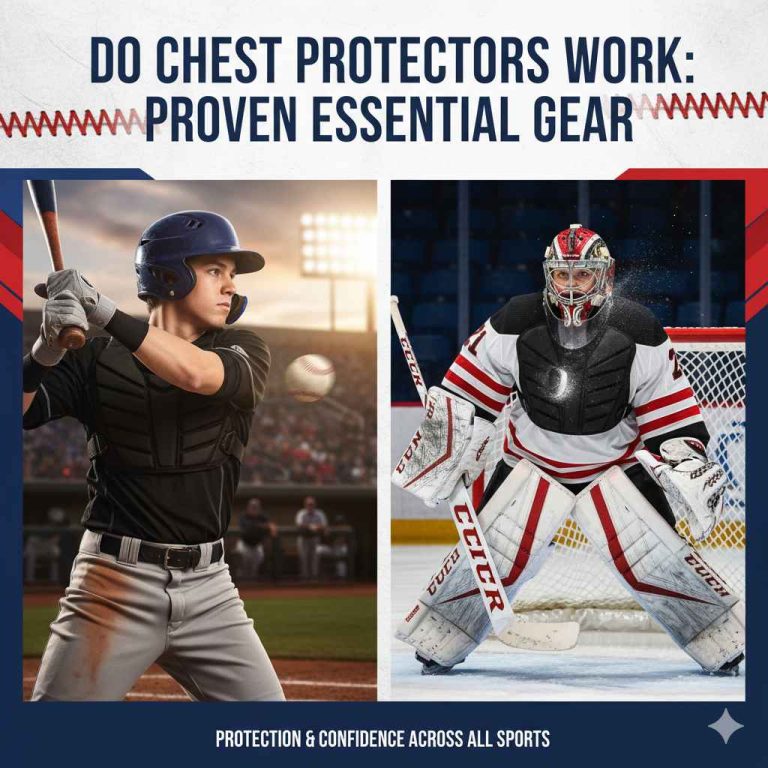
Chest protectors matter when the string catches clothing, brushes the chest, or changes the string path on recurve. I do not put them on every archer by default. I do put them on sooner for women, newer recurve shooters, and anyone practicing in jackets, fleeces, or loose tops.
Clothing interference is the big trigger here. If your shirt wrinkles under the string at full draw, your release can feel sticky even when your fingers did nothing wrong. A chest protector is often the fastest clean fix, especially during cold-weather practice when layers get bulky.
What beginners should wear to the range besides protective gear
Wear fitted clothing through the forearm, shoulder, and chest. Avoid loose hoodie sleeves, puffy jacket fronts, and dangling drawstrings. Closed shoes are smarter than sandals. If you wear glasses already, make sure they do not slide at full draw.
Beginners often think range clothing is separate from protection. It is not. Half the chest-protector problems I solve start with a sweatshirt that bunches near the string. Half the arm-guard complaints start with a cuff that rides up under the straps.
Release Aid Safety for Beginners
Index vs thumb release determines whether a new archer avoids premature shots and flinching. The wrist strap on an index release offers a familiar trigger motion that is easier to repeat, making it the safer default for most first-time shooters. Conversely, thumb releases require the thumb to remain completely off the button until the sight is settled; failing this condition leads to inconsistent draws and bad habits that are difficult to correct later.
This comparison evaluates both mechanisms against common beginner mistakes, helping shooters decide which aid fits their specific needs. It also considers how environmental factors like cold hands or tree stand use influence the safety of each option.
Do you need an arm guard for archery?
Yes for most recurve beginners, many traditional finger shooters, and most youth archers; maybe for compound release shooters; sometimes no for experienced compound or recurve archers with stable form and clean string clearance. Buy one if you are getting string contact, wearing loose sleeves, or still sorting bow-arm position.
What causes bowstring slap
Bowstring slap is usually a form and clearance problem first. Beginners get it more because they lock the elbow the wrong way, collapse the shoulder, bend the bow arm at release, or stand so closed that the string tracks into the forearm.
An arm guard helps because it turns a painful mistake into a harmless one. But it does not correct stance, elbow rotation, string alignment, or brace height by itself. If you are getting slapped through a guard every few shots, your setup needs attention.
Brace height belongs in the check. When it is off, I often see string path get less forgiving. String alignment matters too. If the bow is torqued or the string picture is inconsistent, forearm clearance can change shot to shot.
Arm guard sizing and fit checks
Size an arm guard to the part of your forearm the string can reach, not to a vague small-medium-large label. Coverage should extend from a little above the wrist-side contact zone up toward the inside forearm, without jamming the elbow crease.
- Put your bow arm out in shooting position.
- Mark the area that gets hit, or would get hit, during a bad shot.
- Choose short coverage if contact is low and occasional.
- Choose longer coverage if you are new, wear sleeves, or get wide slap marks.
- Check strap spacing so one strap sits below and one above the main contact area.
- Tighten enough to stop sliding, but not enough to twist skin or pinch a jacket sleeve.
Low-profile guards are better for many beginners because they snag less on clothing. Venting helps in summer. Silicone contact panels can grip fabric better. Polyester-backed guards can feel lighter and simpler under repeated use. More straps are only better if they keep the guard flat. Too many badly placed straps just create bulk.
When an arm guard will not solve the problem
If string slap continues, check four things in order: elbow rotation, bow shoulder, sleeve bulk, and brace height. Then look at stance width and whether you are dropping the bow arm on release. Gear can prevent bruising. It cannot rescue a collapsing shot.
Arm Guards for Small Forearms
Petite archers and those with smaller forearms need slim leather or low-profile molded guards with narrow straps to prevent twisting, pinching, and string slap. Bulky wide-shelled models often fail on arms under 10 inches in circumference, leaving the string-arm side exposed and reducing shooting confidence.
This guide identifies specific styles that stay secure on smaller limbs, outlines fit checks to perform before purchasing, and highlights top picks ranging from cooling sleeves to adjustable bracers. Finding the right small forearm arm guards ensures consistent protection without compromising comfort or form during extended practice sessions.
Choosing Between a Bracer and an Arm Sleeve
Deciding whether a bracer or an arm sleeve best fits your archery style hinges on how you handle string contact, bulk tolerance, and shot consistency. The article breaks down the mechanics of bowstring slap, compares protection levels, bulk, and comfort, and offers clear “choose bracer if…” versus “choose arm sleeve if…” guidelines tied to draw length, anchor point, and release style. By matching the least bulky option to your shooting habits, you avoid bruises, flinching, and noisy shots that can develop bad habits. For a side‑by‑side analysis that helps you pick the right forearm guard, see the detailed comparison in bracer vs arm sleeve.
Finger tab vs shooting glove: which is better?
A finger tab is usually better for recurve target shooting because it tends to give a cleaner release and steadier anchor feel. A shooting glove is often better for traditional and many beginners because it feels simpler, warmer, and less awkward at first. Neither wins every setup.
Why tabs usually win for recurve target work
A tab gives a flatter face between string and fingers, which helps many archers keep pressure more even through the hook. That is why I start most Olympic-style recurve beginners on tabs once they commit to regular practice.
Look for the right hand orientation first. A right-handed archer drawing with the right hand needs a right-hand tab. Then check leather shape, finger length, and whether the tab face extends past your fingertips enough to shield the string groove without flapping around.
Separator and shelf choices matter. A plastic separator can help beginners avoid pinching the nock and crowding fingers together. A shelf can support anchor consistency, though some barebow and casual shooters prefer a simpler face.

Ringsun leather finger tab
Based on the spec sheet and owner feedback, this Ringsun tab may suit beginner recurve use. It is described as a right-hand leather tab with an adjustable belt. The likely upside is easy entry for a new target archer. The drawback is obvious: it is right-hand only, so left-handed shooters should move on immediately.
Its simple build also means fewer tuning points. That can be good for a first tab. It also means less customization if you later want a shelf, a stiffer face, or a separator.
Why gloves feel easier for many traditional archers
A glove often wins on comfort, weather, and simplicity. Traditional shooters who split-finger or shoot instinctive often like how a glove stays on the hand while nocking, carrying arrows, or moving through a course. It can feel less fussy than a tab during the first few weeks.
The tradeoff is release crispness. Poor glove sizing blunts feel fast. If the fingertips are too long, the string rolls off inconsistently. If the seams sit in the wrong place, you notice them every shot. Dexterity matters too. A glove that is too bulky makes nocking slower and anchor feel vague.

Hunt & Seek three-finger glove
Based on the spec sheet, owner feedback, and our range experience with similar gloves, this cow leather three-finger glove makes sense for traditional archers and beginners who dislike tabs. The ambidextrous design is convenient. The drawback is fit precision. Gloves live or die by finger length, and a close-enough size can still feel wrong on the string.
I would lean glove first for casual traditional sessions, cold weather, and archers with enough dexterity to judge fingertip fit honestly. I would lean tab first for target recurve and anyone chasing cleaner release feedback.
How Finger Protection Affects Shot Accuracy
Archery gloves can reduce accuracy when they alter finger-pad contact, shift your anchor point, or change the string release path. The most repeatable setup for finger shooters is whichever option keeps draw length and string travel identical shot after shot.
Small inconsistencies in how a glove fits or releases the string compound into wider groups and noticeable left-right spread. Comparing bare fingers, gloves, and tabs across recurve, barebow, and longbow styles reveals that higher draw weights and specific bow types demand different protection strategies to maintain a clean release. Understanding these mechanical differences helps you choose gear that supports consistency rather than undermining it. For a detailed breakdown of how each option performs, explore gloves versus bare fingers.
Nice-to-have protective gear


MILAEM chest guard
Based on the spec sheet, owner feedback, and our range experience with similar chest protectors, this MILAEM chest guard is a practical answer for left-hand shooters needing cleaner string clearance. The adjustable straps are the selling point. The drawback is narrow fit scope by design: it is a left-hand model, so right-hand archers should not force it into service.
Leather can feel secure and low-shift on the body, but it may run warmer than lighter mesh styles. I would use a chest protector sooner for recurve than compound, and sooner for layered clothing than for a fitted summer shirt.
NoCry clear safety glasses
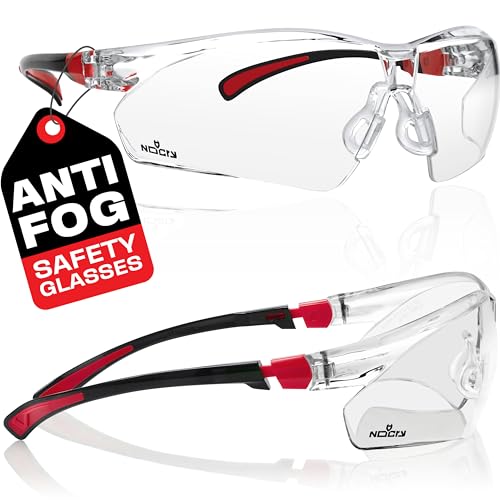
Safety glasses are useful when you shoot around new archers, pull arrows in busy sessions, cut serving, or work on gear at the bench. They are optional for many calm target rounds, but I still like them for youth programs and crowded ranges.
Based on the spec sheet, owner feedback, and our range experience with similar eyewear, the anti-fog claim and adjustable fit are the main reasons to consider this NoCry pair. The drawback is that wraparound glasses can still fog when you are overdressed or breathing into a face covering. Fit around your cheek at anchor also needs checking.
Kids’ protective gear
Kids need smaller, softer, easier-adjusting gear first, and more growth-room second. Buy a forgiving arm guard before a fancy finger piece, keep edges soft, and make sure straps can be tightened by a parent without bunching the sleeve or twisting the forearm.
For youth recurve, my first buy is almost always the arm guard. Second is finger protection if they shoot off the fingers. Chest protection depends on clothing and string path, not age alone. For kids, fit and comfort are simple: the gear has to stay put for a full end, not rub, not pinch, and not make the child peel it off after two shots. If a child hates wearing the gear, it ends up in a backpack after two ends.
Extra chest protection and clothing fixes
Sometimes the right answer is not another piece of gear. It is a fitted top, a zipped collar, or rolling a sleeve once before you shoot. If the chest protector still allows contact, check strap position and whether the fabric underneath is folding into the string path.
Consumables and spares
Finger tape and moleskin
Finger tape is a backup tool for hot spots, short-volume beginners, and emergency range bags. It is not where I start most new shooters for regular practice. Tape helps skin. It does less for release quality, and it shifts as sessions get longer.
Keep a small strip of tape or moleskin in your case anyway. If a tab face hardens, a glove seam rubs, or a fingertip starts to split, you can salvage the session without pushing through pain.
Spare tab faces, extra gloves, and replacement straps
Leather wears. Elastic straps stretch. Velcro loses bite. The archers who practice consistently are usually the ones who keep one spare of the thing most likely to fail first. For tab shooters, that is often the face. For glove shooters, an extra glove prevents a wet-weather session from becoming miserable.
Cleaning and maintenance items
Leather lasts longer when it dries flat and stays reasonably clean. Elastic lasts longer when it is not stored twisted around a guard. Keep protective gear simple: wipe sweat off, let it dry fully, and replace straps before they start slipping mid-session.

M.SJUMPPER archery fletching jig
This is the odd one in the product list because it is not protective gear. Based on the spec sheet, owner feedback, and our range experience, it belongs in maintenance, not in your first protection budget. Good arrow repair supports safe shooting. The drawback is obvious: it does nothing for string slap, finger pain, or clothing interference on day one.
Archery protection selector table
Use this table by starting with bow type, then draw weight feel, then your current failure point. Buy first solves the pain now. Buy second supports longer practice. Skip means I would not spend there yet for that setup.
| Bow type | Draw weight feel | Experience level | Common pain point | Buy first | Buy second | Never bother with first |
|---|---|---|---|---|---|---|
| Recurve | Light | Beginner | Forearm contact, loose sleeve | Arm guard | Finger tab | Safety glasses if range is calm and supervised |
| Recurve | Moderate to heavy | Beginner to intermediate | Finger soreness before form settles | Finger tab | Arm guard | Finger tape as primary solution |
| Recurve | Any | Beginner | String brushing chest or shirt | Chest protector | Arm guard | Extra-thick glove if you want target precision |
| Traditional | Light to moderate | Beginner | Tab feels awkward, fingers tender | Shooting glove | Arm guard | Finger tape as long-term plan |
| Traditional | Moderate to heavy | Intermediate | Finger numbness in longer sessions | Thicker glove or tab | Spare finger protection | Skipping hand protection entirely |
| Compound with release | Any | Beginner | Sleeve brushing string, uncertain form | Arm guard | Safety glasses | Finger tab or glove |
| Compound with fingers | Light to moderate | Intermediate | Finger pain, inconsistent release | Finger tab | Arm guard if contact occurs | Thin tape only |
| Youth recurve | Light | Beginner | General comfort, shifting posture | Small arm guard | Easy-fit finger protection | Adult-size stiff gear |
| Any bow | Any | Any | Glasses fogging | Adjust fit and ventilation | Anti-fog glasses | Tight wrap eyewear with poor airflow |
How to Pick the Best Hand Protection for Your Draw Weight
The article breaks down how a finger tab vs glove each shield your hand, then matches those benefits to bow type and draw‑weight ranges. It shows that tabs generally spread pressure better on recurve and barebow setups with moderate to high draws, while gloves can feel more comfortable on lower‑draw or compound rigs. Fit errors that cause numb fingertips or string cuts are highlighted, and a decision checklist helps you weigh protection, comfort, and shooting style.
By consulting the comparison table of real‑world scenarios, you can avoid common pain points and choose the hand protector that actually improves your accuracy.
Budget setups
Simple bundles that match real beginner problems
I would rather see a new archer buy two correct pieces than five random accessories. These bundles stay lean and tie each item to a likely failure point.
| Setup | Starter | Mid | Serious |
|---|---|---|---|
| Bare-bones beginner recurve | Generic arm guard + Ringsun tab ($12.99) | Add chest protector if shirt contact appears | Add safety glasses ($13.99) for busy ranges |
| Compound target shooter | Arm guard only if sleeves or form cause contact | Add NoCry safety glasses ($13.99) | Spare arm-guard straps and bench eyewear |
| Traditional finger shooter | Hunt & Seek glove ($16.99) + generic arm guard | Add backup tape and second glove | Switch to tab later if release quality becomes the limiter |
| Youth archer | Small arm guard first | Add easy-fit finger protection | Add glasses ($13.99) for shared club ranges |
Frequently asked questions
Do compound archers need the same protective gear as recurve archers?
No. Compound archers using a release usually skip finger tabs and gloves, while recurve and traditional finger shooters often need them early. Compound shooters may still want an arm guard for sleeve contact or inconsistent form, but their basic kit is usually smaller.
How do I choose the right size arm guard or finger tab?
For an arm guard, cover the actual strike zone on your forearm and place straps above and below it without pinching. For a finger tab, match handedness first, then choose a face that covers your fingertips without excess flap and fits your anchor cleanly.
What gear stops string slap in archery?
An arm guard is the first piece that reduces the pain from string slap, but form fixes the cause. Check elbow rotation, sleeve bulk, stance, string alignment, and brace height. If the string still hits through the guard, treat the shot mechanics as the main problem.
Are finger tabs required for archery practice?
No, not for every session and every bow. Light beginner sessions can be short enough to manage without one, but regular recurve or traditional practice usually gets more comfortable with a tab or glove. Heavier bows and longer sessions make finger protection much more useful.
What should a beginner wear to the range?
Wear fitted sleeves, a smooth chest area, closed shoes, and nothing dangling near the string path. If a shirt bunches at full draw, fix that before buying extra gear. Clothing that stays put often solves half the protection problems beginners blame on equipment.