Bracer vs Arm Sleeve for Archery: Which Works Better?
I pick a bracer when my forearm takes repeat string hits. I wear an arm sleeve when I want light scratch protection and my form already clears the string cleanly. Pick wrong, and you get bruises, flinching, noisy shots, and habits that are harder to fix than the gear choice. I’ll compare fit, bulk, protection, and shot mechanics so you can match the least bulky option to your draw, anchor, and release.
Bracer vs arm sleeve: the short answer
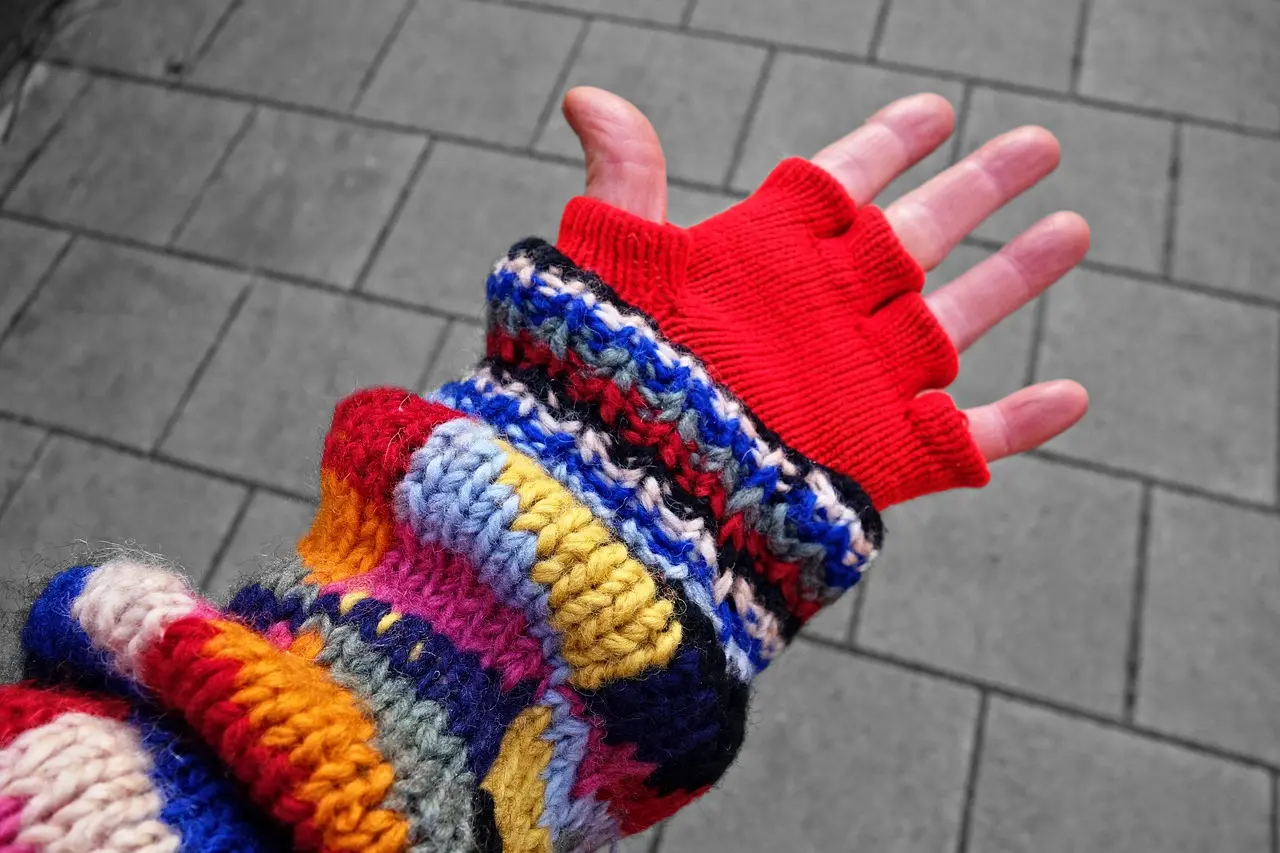

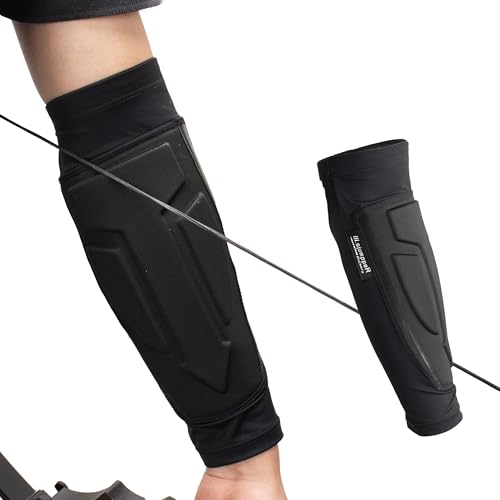

The trade-off is simple. A bracer is forearm protection meant to help stop bowstring slap, while an arm sleeve is fabric coverage that can help with sun, abrasion, and minor brush contact. If the string still tags your arm, I want the bracer.
| Decision factor | Bracer | Arm Sleeve for Archery: Which Works Better for Your Shooting Style | Winner |
|---|---|---|---|
| Impact protection | Strong forearm shield against bowstring slap | Light fabric protection with limited stopping power | Bracer |
| Bulk and freedom of movement | More structure on the forearm | Less bulky, close to the skin | Arm sleeve |
| Hot-weather comfort | Depends on ventilation and material | Usually breathes better | Arm sleeve |
| Best fit for repeated string contact | Designed for it | Not built for it | Bracer |
Impact protection versus fabric coverage
An archery arm guard, or bracer, protects the forearm from bowstring slap. It prevents pain, bruising, and shot disruption. An arm sleeve covers skin, but fabric alone does not stop a hard string strike the way a durable guard does.
I have seen beginners try thicker cloth to fix slap. That usually fails once the string path is wrong. If the bow is contacting the arm with force, I want a real guard, not a softer shirt sleeve acting like one.
Hot-weather comfort and ventilation
Heat changes what people can tolerate. A ventilated leather guard, a perforated synthetic guard, or a breathable sleeve can feel better on a long practice day, but only the guard gives real impact protection. Ventilation matters after protection is already solved.
On humid summer evenings, I prefer the least bulky guard that still blocks contact. A sleeve is useful when the string path is clean and I only want sun or abrasion protection on bare skin.
Coverage length and forearm fit
Many arm guards cover from wrist to elbow or just below. That range makes sense because the string can brush different spots depending on anchor and forearm rotation. A sleeve often covers most or all of the forearm, but full coverage is not the same as useful protection.
Leather is a common bracer material. Plastic, leather, and similar durable material all work when the shape stays stable at the point of impact. Some guards use adjustable straps for a more tailored fit, while slip-on styles rely on a snug fit without straps.
According to 10 Best Arm Guards That Actually Stop Bowstring Slap — Thearcheryexpert.com says one product is a 12-inch cow leather arm guard protector.
How bowstring slap happens
Bowstring slap happens when the string path meets the forearm on release. Forearm rotation, grip pressure, anchor position, string angle, brace height, and draw length all change where that string travels. Good gear helps, but bad setup can still beat it.
Forearm rotation and grip pressure
If I roll my bow hand too much or lock my forearm inward, I expose more skin to the string line. Too much grip pressure often drags the wrist and forearm into the shot as the string unloads. That is one reason a guard can fit well and still miss the real problem.
My first compound bow was set 10 lb too heavy; I flinched for a month before I backed the limb bolts out. That lesson stuck. When form or draw weight is off, the arm often follows the bow string instead of staying clear of it.
Anchor point, string angle, and draw length
A high anchor or a long draw can steepen the string angle and bring it closer to the forearm. Recurve setups can show this more often, especially for beginners, because the string path and setup can make contact more likely. Compound bow shooters may see it less often, but it can still happen when form breaks down.
That is why I do not treat forearm protection as a fashion choice. I treat it like a fit problem tied to the shot cycle. If the geometry of the bow and the shooter puts the string near the arm, the guard must solve that first.
Why setup issues can beat good gear
A guard can fit perfectly and still fail if the string line is wrong. Brace height, draw length, nocking point, and anchor all matter. If your forearm gets tagged even with protection on, look at setup and rotation before you buy a thicker guard.
I also shoot left-hand now after finding out I am left-eye dominant. My groups tightened within two weeks. That switch reminded me that alignment issues often look like gear problems until you fix the underlying mechanics.
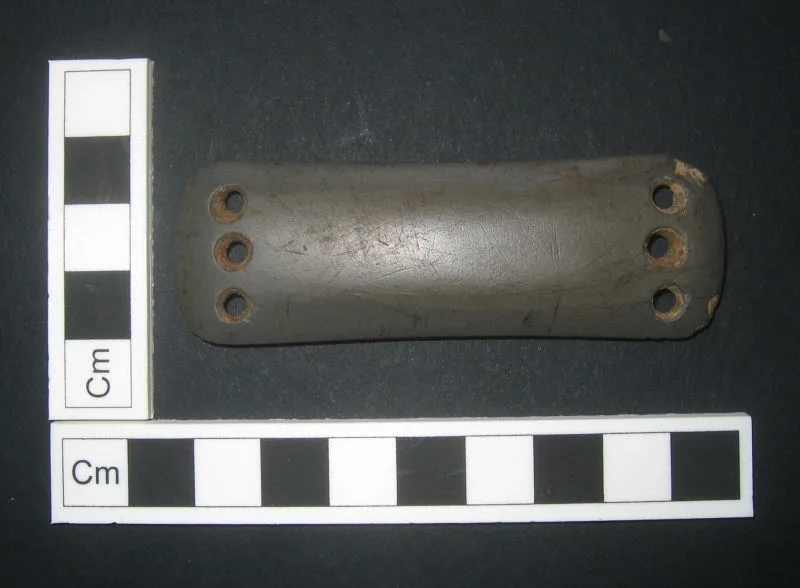
Side-by-side comparison of protection, bulk, and comfort
The real choice is not leather versus fabric. It is hard-impact protection versus light coverage, with shooting style deciding how much bulk you can live with. I want the least bulky option that still stops the string, because extra material only helps if it solves the contact problem.
| Factor | Bracer | Arm Sleeve for Archery: Which Works Better for Your Shooting Style | Winner |
|---|---|---|---|
| Stops bowstring slap | Yes, when fitted and positioned correctly | No, not reliably | Bracer |
| Breathability | Varies by design | Usually better | Arm sleeve |
| Stability during draw | Strong with straps or buckles | Strong if compression fit is tight | Tie |
| Secondary skin protection | Moderate | Good | Arm sleeve |
Stops bowstring slap
This is where the bracer wins cleanly. The guard prevents pain, bruising, and shot disruption when the string reaches the forearm. An arm sleeve can take the edge off light rub, but I would not count on it for repeated string contact.
Breathability
Sleeves often breathe better because they are usually made as fabric coverage. That matters in hot weather and during long practice sessions. A ventilated target armguard, or a perforated leather model, can close some of that gap without giving up impact protection.
Stability during draw
Strap and buckle guards stay put well when they are adjusted right. Quick-release buckles help on and off without fuss. Slip-on guards also work, but only when the compression fit is snug enough that the guard does not creep as you draw.
Is a bracer the same as an arm sleeve for archery?
No. A bracer, or arm guard, is protective gear meant to block bowstring slap. An arm sleeve is fabric coverage that helps with comfort, sun, and light abrasion. They are not equal protection, and I would not use them as if they were.
Traditional bracer and modern arm guard terminology
The term bracer may be used interchangeably with arm guard in some contexts. Leather is a common bracer material, and bracers can also show up in combat sports or historical re-enactment. In archery shops, people often say arm guard more than bracer, but the function is the same.
Why sleeves are secondary protection, not primary impact protection
A sleeve is useful when I want a barrier against sweat, brush, sun, or very light contact. It is secondary protection. If the string is striking with enough force to bruise, I want a guard with structure and stable attachment.
When each one makes sense
I use a sleeve when the bow is already tuned, my rotation is clean, and I want the least bulk I can get away with. I use a bracer when I am learning, testing setup, shooting trad gear, or dealing with any repeat contact. Sometimes I wear both.
Which works better for your shooting style?
Recurve shooters usually need a bracer more often than compound shooters because the string angle, brace height, and beginner form make forearm contact more likely. Compound shooters still need protection in some cases, but release consistency and solid form reduce the need. Your discipline changes the risk.
Recurve bow shooters and beginners
Recurve bow shooters, especially beginners, are the group I most often steer toward a real arm guard. In traditional shooting, the setup and release depend more on the archer, and the string path can come close to the forearm. A firmer guard usually saves a lot of sting while form settles in.
Beginners benefit from forearm protection because they are still learning anchor and rotation. That does not mean a sleeve is useless. It means the sleeve is not the first line of defense when the string keeps finding skin.
Compound bow shooters and release consistency
Compound bow shooters often clear the forearm better because the release is more repeatable. Still, poor tuning, rushed anchor, or a torque-heavy grip can send the string into the arm. If that happens, a strap or buckle guard is the safer pick.
My compound setup has taught me this: consistency in form matters more than gear style. If the release is clean and the bow is tuned, a sleeve may be enough for comfort. If not, I move straight back to a guard.
Indoor target, outdoor target, and bowhunting use cases
Indoor target shooters often care more about repeatable movement and less about weather, so fit and low bulk usually matter most. Outdoor target shooters have to think about heat and sun. Bowhunters add brush, cold layers, and long sits, which makes stable coverage more useful.
For whitetail season, I want gear that stays put over layered clothing. A ventilated or adjustable bracer can handle that better than a loose sleeve sliding around under a jacket cuff.
Choose bracer if… / choose arm sleeve if…
Choose a bracer if the string hits your forearm, if you shoot recurve often, if your anchor or rotation is still changing, or if you need protection over layered clothing. Choose an arm sleeve if your form already clears the string, you mainly want sun or abrasion coverage, or you want the least bulk possible on mild-contact days.
Choose bracer if repeated string contact is the issue
A bracer is the right answer when slap is painful, visible, or repeatable. That includes beginners, trad shooters, and anyone still tuning brace height or draw length. In that case, I want a strap, buckle, or secure slip-on guard before I worry about fabric feel.
Choose arm sleeve if contact is light or already solved
An arm sleeve makes sense when the bowstring is no longer a regular threat. It can add sun protection, keep the forearm from scraping brush, and feel better in heat. That is useful, but it is not the same job as stopping a real slap.
When to wear both
I wear both when I want hard impact protection plus extra skin coverage. That happens in long outdoor sessions, early-season bowhunting, and hot weather when I want the guard to do the stopping and the sleeve to handle sun or rough fabric contact.
How do I choose forearm protection based on my shooting style?
Start with the least bulky option that still blocks contact. Score your bow type, forearm rotation, bulk tolerance, weather, and contact severity. If any one of those points says “hard impact risk,” pick a bracer first and move down only when the string path is truly clean.
- Score bow type: recurve and trad setups start at higher risk; compound starts lower.
- Score forearm rotation: if your arm rolls toward the string, move toward a bracer.
- Score contact severity: bruising or stinging means sleeve alone is not enough.
- Score bulk tolerance: if you hate bulk, try slip-on or low-profile guards before giving up protection.
- Score weather: hot weather pushes you toward ventilation or breathable fabric, not away from protection.
- Pick the least bulky option that still stops the string.
| Score area | Low-risk sign | High-risk sign | Best pick |
|---|---|---|---|
| Bow type | Compound with clean release | Recurve with beginner form | Bracer at high risk |
| Forearm rotation | Arm stays clear of string | Arm rolls inward on draw | Bracer at high risk |
| Weather | Mild, short session | Hot, sweaty, all-day practice | Sleeve for comfort, but only if impact risk is low |
| Contact severity | Light brush only | Painful slap or bruising | Bracer |
Frequently asked questions
What should I wear if my string keeps hitting my forearm?
Wear a bracer or arm guard first. If the string keeps hitting your forearm, that is a protection problem, not a fabric problem. A sleeve can sit under the guard, but it should not be the only barrier when slap is repeatable.
Which is better for hot weather: an arm guard or a sleeve?
A sleeve usually feels cooler, but a ventilated guard can close the gap if you still need real impact protection. I would choose the cooler option only after I know the string is not hitting hard. Comfort matters, but only after safety and shot quality are covered.
Are slip-on arm guards better than strapped bracers?
Not always. Slip-on arm guards are quick to put on and can feel very clean on the arm, but they depend on a snug compression fit. Strapped or buckled bracers give more adjustment and usually stay steadier when arm shape, clothing, or weather changes.
What causes bowstring slap even with a guard on?
Forearm rotation, grip pressure, poor anchor, incorrect string angle, too much draw length, or setup problems can all cause slap even when the guard fits well. When that happens, I inspect form and bow setup before blaming the gear. The guard may be fine; the shot may not be.
How much coverage do I need on my forearm for archery?
Many arm guards cover from wrist to elbow or just below. That range gives enough overlap for most string paths without adding more bulk than needed. If your contact lands lower or higher, fit the guard to the strike zone instead of buying extra coverage you will never use.
Can an arm sleeve replace a traditional archery bracer?
Only when the string is already clearing your forearm cleanly and you want light protection from sun or abrasion. If you still get bruising or sting, a sleeve does not replace a bracer. I would rather solve the contact with a guard than hope fabric takes the hit.
How do I choose forearm protection based on my shooting style?
Match the gear to the shot mechanics. Recurve beginners and anyone with inward forearm rotation should start with a bracer. Compound shooters with clean release can often use lighter protection, and sleeves make sense only after the string path is already under control.