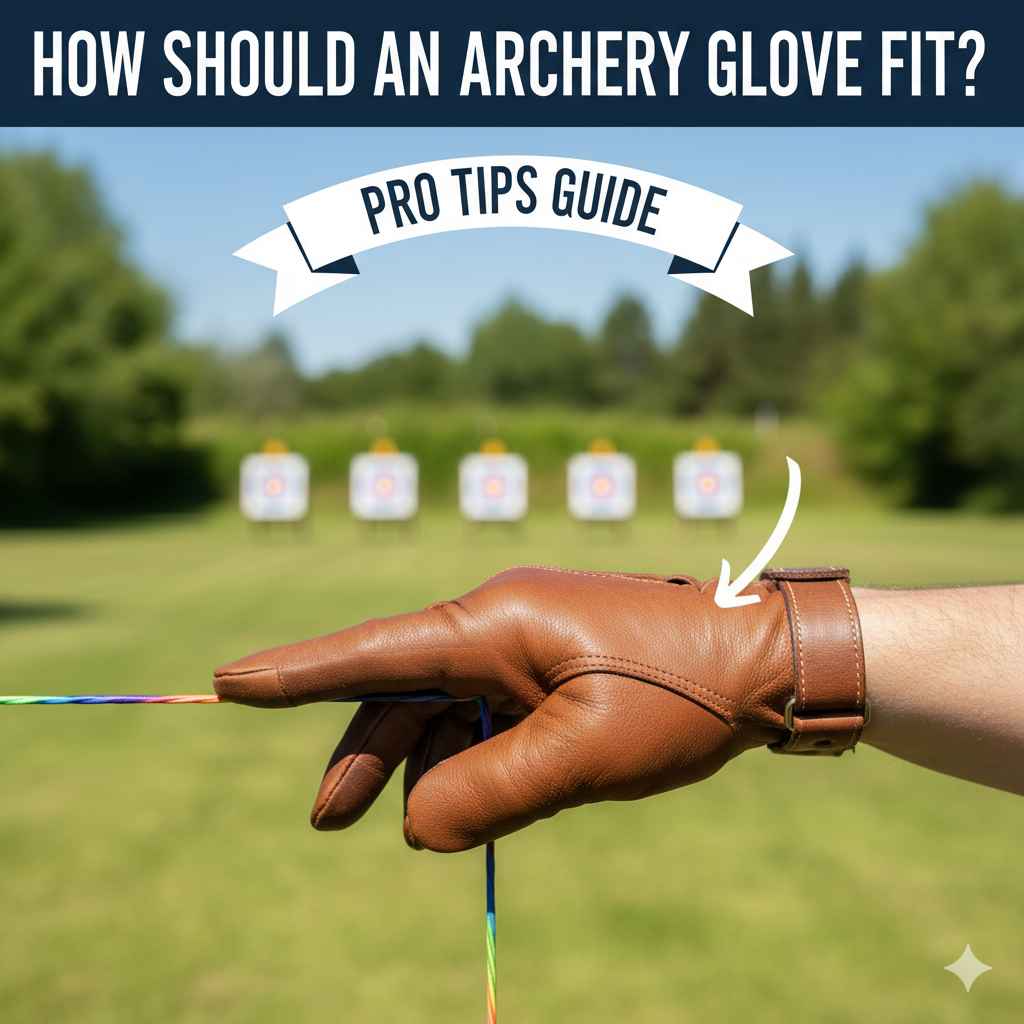
How Should an Archery Glove Fit? Pro Tips Guide
Getting an archery glove to fit just right can feel tricky, especially when you’re new to shooting a bow. You want something that feels like a second skin, but not too tight or too loose. This guide, How Should an Archery Glove Fit?
Pro Tips Guide, breaks down exactly what you need to know. We’ll go step-by-step to make sure your glove feels perfect for every shot. Let’s find that ideal fit.
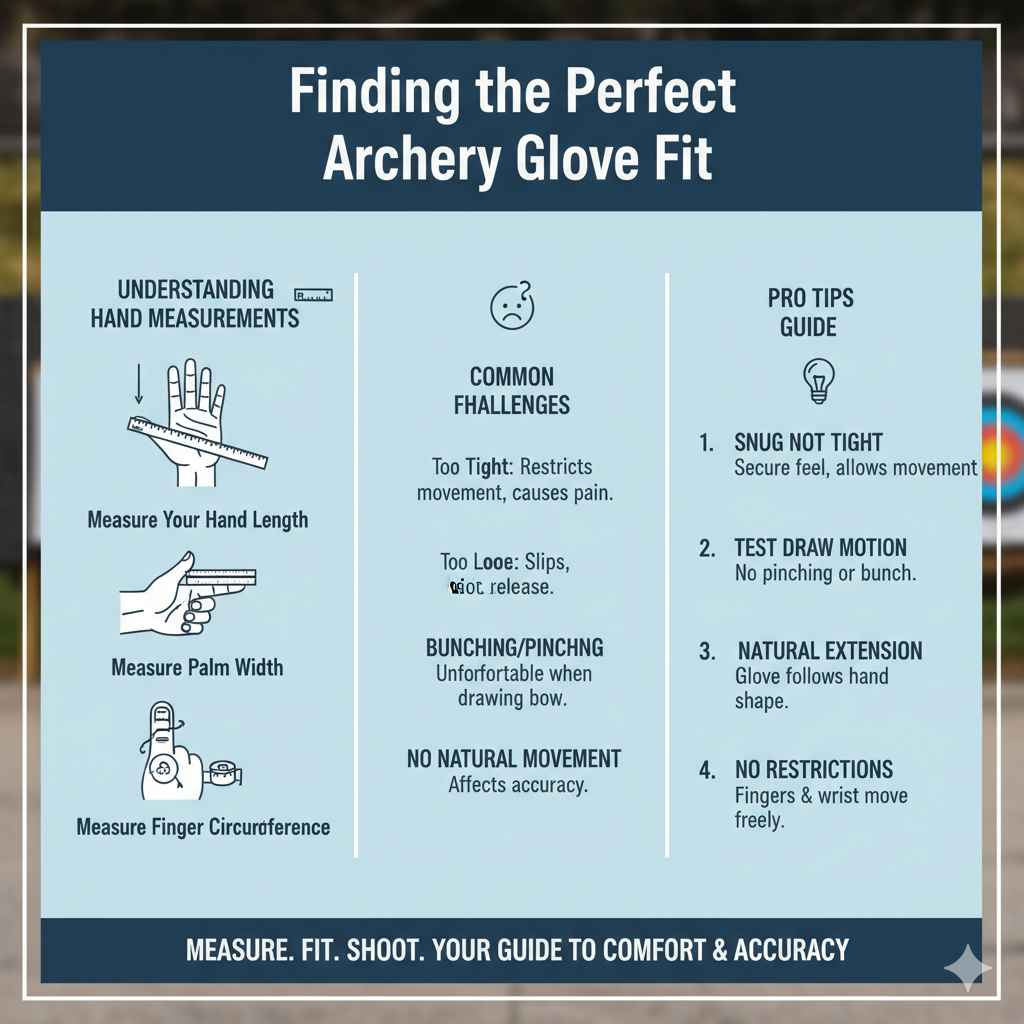
Finding the Perfect Archery Glove Fit
Choosing the right archery glove is important for comfort and accuracy. A glove that’s too big can slip, affecting your release. A glove that’s too small can restrict your movement and cause pain.
This section will help you understand the key factors that go into achieving a perfect fit. We will cover how to measure your hand and what to look for in different glove materials.
Understanding Hand Measurements
To start, you need to know your hand’s dimensions. This is the foundation for a good glove fit. Archery gloves come in various sizes, and these are usually based on standard hand measurements.
Knowing your specific measurements ensures you pick a size that offers both a snug feel and the freedom to move.
Measure Your Hand Length
This is the distance from the tip of your longest finger (usually the middle finger) down to the crease at the base of your palm. Place your hand flat on a piece of paper, with your fingers together. Mark the tip of your longest finger and the bottom of your palm.
Then, use a ruler to measure the straight-line distance between these two points. This measurement helps determine the overall length of the glove fingers and palm.
Measure Your Palm Width
This measurement is taken across the widest part of your palm, usually just below your fingers. Lay your hand flat on a table, palm up. Measure across the widest section of your palm, from the crease of your thumb to the outer edge of your palm.
This measurement is critical because it ensures the glove’s palm section isn’t too tight or too loose, which can affect grip stability and comfort during drawing the bowstring.
Measure Your Finger Circumference
For each finger you intend to cover with the glove, measure its circumference at its widest point. This is typically around the knuckle area. Wrap a flexible tape measure around the finger, ensuring it’s snug but not tight.
This measurement is especially important for the fingers that will contact the bowstring or release aid, as they need to be neither too constricting nor too baggy. A glove that fits well around the fingers prevents any unwanted friction or interference.
Common Fitting Challenges for Beginners
New archers often struggle with glove fit because they might not know what to feel for. They may think a glove should be very tight, like a compression glove, or they might be unsure if a little bit of extra space is okay. The truth is, an archery glove needs to be snug enough to prevent slipping but loose enough to allow natural hand movement.
Understanding how your hand moves when drawing a bow is key. Many beginners don’t realize the glove needs to accommodate this movement without bunching up or pinching.
How Should an Archery Glove Fit? Pro Tips Guide
When you ask, “How Should an Archery Glove Fit? Pro Tips Guide,” you’re looking for direct advice. The core idea is a secure, comfortable feel.
Imagine your hand is relaxed; the glove should follow its natural shape. When you draw the bowstring, the glove should not restrict your fingers or wrist. There should be no pinching, no excessive tightness, and no loose material that could snag or cause discomfort.
It’s about a balance between a secure connection to your hand and the freedom to perform the archery motion smoothly.
Types of Archery Gloves and Their Fit Needs
Archery gloves aren’t all the same. Different styles are designed for different archery disciplines and personal preferences. Each type has specific fitting considerations that impact its performance.
Understanding these differences will help you choose the right glove and ensure it fits properly for your archery needs.
Finger Tabs vs. Finger Guards
Finger tabs and finger guards are similar in purpose but differ in design and how they fit. Finger tabs are typically small pieces of material held in place by a strap, covering only the fingertips that contact the string. They need to fit snugly on the fingertips without slipping.
Finger guards are often more like gloves, covering the entire finger or multiple fingers. Their fit needs to be precise to ensure the fingers don’t feel restricted or overly bulky. The primary difference in fit is that tabs require a secure but minimalist fit on the very tips, while guards need a more comprehensive, glove-like snugness across the entire finger.
A common mistake is treating a finger tab like a regular glove. A finger tab needs to feel like an extension of your finger, providing a clean surface for string release. If it’s too loose, it can slide around, changing your anchor point or affecting your release consistency.
If it’s too tight, it can make drawing the string uncomfortable. Finger guards, on the other hand, are meant to protect the fingers more comprehensively. Their fit should be similar to a well-fitting glove—snug, but allowing for full finger articulation.
Full Finger Gloves
Full finger gloves cover all fingers and the palm. They are often used in archery disciplines where hand protection is paramount or for archers who prefer a consistent feel across all fingers. The fit for these gloves is the most similar to regular gloves.
The key is that no finger should feel compressed, and the palm should not feel strained. There should be no bunching of material, especially around the joints, which could hinder drawing the bowstring. The overall sensation should be one of a second skin that enhances grip and control.
When fitting a full finger glove, pay attention to the length of each finger. The glove’s fingertips should reach the end of your natural fingertips without being too long. Too much extra material can bunch up and interfere with your grip or release.
The palm area should feel snug, providing support, but not so tight that it restricts blood flow or makes your hand feel cramped. A good full finger glove feels supportive and secure, allowing you to focus on your shot.
Materials and Their Impact on Fit
The material of your archery glove significantly influences how it fits and feels. Leather is a popular choice because it stretches and molds to your hand over time, offering a custom fit. However, initially, leather gloves might feel a bit stiff.
Synthetic materials, like neoprene or specialized fabrics, often offer a more consistent fit from the start and can be less prone to stretching out. Suede offers a soft feel and good grip, but it might require a more precise fit from day one as it doesn’t stretch as much as traditional leather.
When considering materials, think about how they interact with your skin and the bowstring. Leather can sometimes be warmer and may require a break-in period. Synthetic materials might offer better breathability.
The thickness of the material also affects the fit. Thicker gloves might feel bulkier, even if they are the correct size, while thinner gloves can offer a more precise feel but less protection. Always try to wear the glove for a few minutes before purchasing to get a feel for the material and how it conforms to your hand.
The Archery Glove Fitting Process Step-by-Step
Achieving the ideal archery glove fit involves a structured approach. By following these steps, you can ensure you select a glove that enhances your shooting experience rather than detracting from it. This process focuses on understanding your hand, the glove’s characteristics, and how they work together for optimal performance.
Step 1 Trying On the Glove
When you try on an archery glove, wear it as you would during archery. This means putting it on both hands if you are right-handed or left-handed and feeling the fit around your entire hand. Don’t just slip it on and take it off quickly.
Wear it for at least a few minutes. This allows your hand to warm up, and the glove material to begin conforming to your natural shape. Pay attention to any pressure points or areas that feel too tight.
Also, notice if there’s any looseness or bunching of material, especially in the fingers or palm.
The goal is to simulate the feeling of drawing a bow. Try making a fist, extending your fingers, and gently curling them. The glove should move with your hand without resistance.
If you feel any pinching, it’s a sign the glove is too small or not the right shape for your hand. If you feel significant sliding or extra material that shifts when you move, it might be too large.
Step 2 Checking Finger Fit
The fit of the individual fingers is critical for archery. For each finger, ensure the glove’s fingertip reaches the end of your natural fingertip. There should be no significant overhang, as this can cause a less precise release.
The finger portion of the glove should feel snug, like a second skin, but not tight. You should be able to bend your fingers and make a fist without feeling any binding or discomfort. If a finger feels like it’s being squeezed, or if there’s a lot of extra material that bunches up at the knuckle, it’s not the right fit.
Consider the fingers that will come into contact with the bowstring or release aid. These fingers require a particularly precise fit. If you’re using a finger tab, the tab itself needs to feel secure on the fingertip.
If you’re using a full finger glove, the tips should provide a smooth surface for release. Any roughness, looseness, or tightness in these areas can negatively impact your shot consistency and comfort.
Step 3 Assessing Palm and Wrist Comfort
The palm and wrist area of an archery glove are vital for a stable grip and a comfortable draw. The palm should feel snug and supportive, providing a secure base for your hand. It shouldn’t feel so tight that it restricts blood flow or makes your hand feel cramped.
Conversely, it shouldn’t be loose enough to slide around when you draw the bowstring or adjust your grip. The material should lie flat against your palm without excessive wrinkles or folds.
For the wrist area, the glove should either end comfortably below the wrist bone or have an adjustable strap that allows for a secure, non-restrictive fit. Some gloves have extended wrist cuffs for added protection or support. Ensure that any wrist strap does not dig into your skin or impede the natural movement of your wrist.
The overall comfort of the palm and wrist allows for a consistent anchor point and a smooth release.
Step 4 The “Draw Test”
The ultimate test for any archery glove is how it performs when you draw the bowstring. While you might not be able to draw a full bow in a shop, you can simulate the motion. Pretend to draw the string, pulling back as if you were shooting.
Pay close attention to how the glove feels during this simulated draw. Does the material bunch up? Do you feel any pinching or hot spots?
Does the glove restrict your hand’s natural movement?
A good glove will feel like a seamless extension of your hand throughout the entire drawing process. The material should remain smooth and in place. If the glove feels like it’s fighting your movement or causing discomfort during this test, it’s likely not the right fit for you.
This simple, yet effective, test can reveal issues that might not be apparent during a static fit check. It replicates the key action where glove performance truly matters.
Care and Maintenance for Longevity
Proper care and maintenance will ensure your archery glove continues to fit well and perform optimally for a long time. Archery gloves, especially those made of leather, require specific attention to keep them in good condition. Following a routine maintenance schedule will prevent premature wear and tear, preserving the glove’s fit and functionality.
Cleaning Your Archery Glove
The cleaning method for your archery glove depends on its material. For leather gloves, it’s best to use a specialized leather cleaner. Gently wipe down the glove with a damp cloth to remove surface dirt and sweat.
Avoid soaking leather gloves in water, as this can cause them to stiffen and lose their shape. For synthetic materials, a mild soap and water solution usually suffices. Always check the manufacturer’s care instructions for the most accurate cleaning advice.
Regular cleaning prevents the buildup of sweat and grime, which can degrade the material and affect the fit.
After cleaning, allow the glove to air dry completely. Never use direct heat sources like radiators or hair dryers, as these can damage the material. Ensure that the glove is dry before storing it or wearing it again.
Proper drying is crucial for maintaining the glove’s integrity and preventing the growth of bacteria or mold.
Conditioning Leather Gloves
Leather archery gloves benefit greatly from regular conditioning. This process rehydrates the leather, keeping it supple and preventing it from drying out and cracking. Use a high-quality leather conditioner specifically designed for gloves or apparel.
Apply a small amount to a clean cloth and gently rub it into the leather in a circular motion. Pay extra attention to areas that tend to bend, like the knuckles and palm.
After applying the conditioner, let it soak into the leather for the time recommended by the product’s instructions, usually a few hours or overnight. Then, gently buff off any excess conditioner with a clean, dry cloth. Conditioning not only preserves the leather but also helps it maintain its shape and flexibility, contributing to a consistently good fit.
A well-conditioned leather glove feels softer and more comfortable against your hand, enhancing your overall archery experience.
Storage Recommendations
Proper storage is essential for maintaining the shape and fit of your archery glove. When you’re not using it, store it in a cool, dry place, away from direct sunlight or extreme temperatures. Avoid folding or creasing the glove, as this can create permanent bends that affect the fit.
It’s best to lay the glove flat or place it in a breathable bag. Some archers prefer to store their gloves with a glove form or even a rolled-up sock inside each finger to help them retain their shape.
If your glove has adjustable straps, make sure they are loosened before storing. Tight straps can cause unnecessary stress on the material over time. Keeping the glove in a dedicated archery equipment bag or case can protect it from dust, moisture, and physical damage.
This simple step of careful storage helps preserve the glove’s fit and ensures it’s ready for your next practice session or competition.
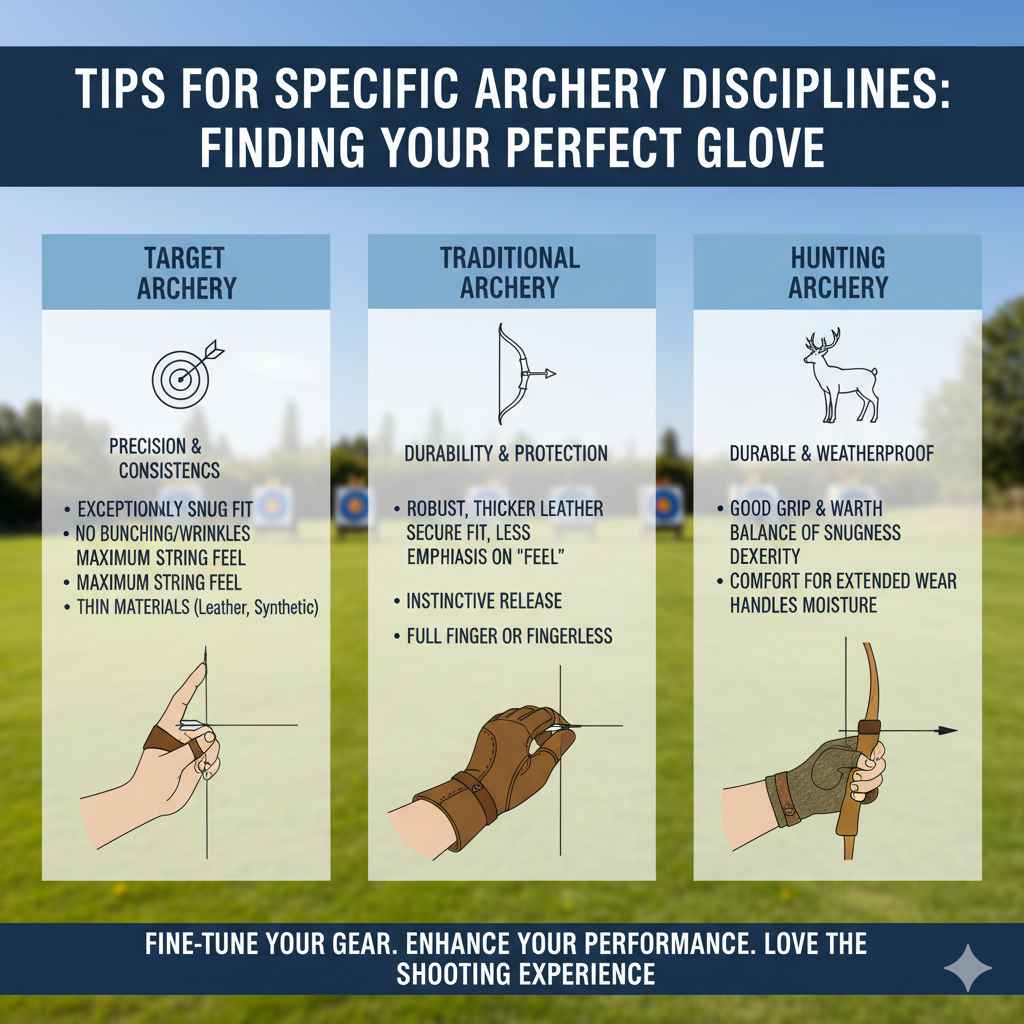
Tips for Specific Archery Disciplines
Different archery disciplines may have slightly different requirements for glove fit. For instance, competitive target archery might prioritize a precise, almost minimalist feel for the release fingers, while traditional archery might favor a more robust glove for finger protection. Understanding these nuances can help you fine-tune your selection.
Target Archery
In target archery, precision is paramount. Archers often seek a glove or finger tab that feels like a part of their hand, providing a clean and consistent release. The fit here needs to be exceptionally snug without being restrictive.
Any looseness can lead to inconsistency in how the string is released, affecting shot accuracy. Many target archers opt for very thin leather or synthetic finger guards, or specialized finger tabs that are custom-fitted to their fingertips.
The ideal fit for a target archery glove means that when you draw the bowstring, there is no bunching of material around the fingers or palm. The material should lie flat, allowing for maximum feel and control over the string. Even a slight wrinkle can alter the release.
For competitive shooters, the glove is often considered an extension of their aiming system.
Traditional Archery
Traditional archery, which often involves shooting without sights or stabilizers, can place different demands on your glove. Archers might need more protection for their fingers, especially if shooting heavier draw weight bows or if they are shooting frequently. A full finger glove made of thicker leather can offer better durability and protection.
The fit in traditional archery still needs to be secure, but there might be slightly more tolerance for a glove that feels a bit more substantial, as the focus is often on a more instinctive release and a robust feel.
However, even in traditional archery, a loose glove is problematic. It can lead to blisters or an inconsistent release. The glove should still conform to the hand well enough that you don’t feel it shifting during the shot.
Some traditional archers prefer fingerless gloves or shooting gloves that offer protection but maintain a good feel for the bow grip. The key is that the glove should enhance, not hinder, the natural feel of shooting.
Hunting Archery
For hunting archery, a glove needs to be durable, provide good grip, and offer protection from the elements. The fit is crucial for comfort during long periods of waiting and for executing a quick, accurate shot when the opportunity arises. Gloves that offer a balance of warmth and dexterity are often preferred.
They should fit snugly enough that you don’t lose fine motor skills, such as operating a rangefinder or handling broadheads.
A common scenario in hunting is facing variable weather conditions. A glove that can handle moisture and maintain its grip, even when damp, is highly valuable. The fit should allow for comfortable movement, as you might need to draw your bow from awkward positions.
Overly tight gloves can restrict circulation, leading to cold hands, which is undesirable when hunting in cooler temperatures. The glove should feel secure and comfortable for extended wear.
Frequently Asked Questions
Question: How do I know if my archery glove is too tight?
Answer: Your archery glove is too tight if it causes discomfort, restricts your finger movement, or leaves red marks on your skin after wearing it for a short period. You should be able to bend your fingers and make a fist without feeling any pinching or binding. Reduced circulation, leading to cold fingers or numbness, is also a sign of a glove that’s too tight.
Question: Can I use a regular sports glove for archery?
Answer: While you might be able to use some sports gloves in a pinch, they are generally not ideal for archery. Archery gloves are specifically designed with materials and cuts that enhance grip on the bowstring, provide consistent release points, and minimize friction. Regular sports gloves might be too bulky, have seams that interfere with the string, or lack the necessary grip and feel for accurate shooting.
Question: Should my archery glove have extra room in the fingertips?
Answer: No, your archery glove should not have extra room in the fingertips. The fingertips should fit snugly, reaching the end of your natural fingertips without significant overhang. Excess material can bunch up, affecting your release and accuracy.
A precise fit here is crucial for a clean shot.
Question: How often should I replace my archery glove?
Answer: The lifespan of an archery glove varies depending on its material, how often you use it, and how well you maintain it. Leather gloves can last for several years with proper care, while synthetic gloves might need replacement every 1-3 years. You should consider replacing your glove when the material starts to wear thin, the stitching comes undone, or it no longer fits snugly and comfortably.
Question: What is the main difference in fit between a finger tab and a full glove?
Answer: A finger tab is designed to cover only the fingertips that contact the bowstring, requiring a precise, minimalist fit on those specific digits. A full glove covers the entire hand and fingers, needing a comprehensive, glove-like snugness that allows for natural hand movement without restriction across all digits and the palm.
Final Thoughts
Finding the right archery glove fit is simple when you know what to look for. Focus on a snug, comfortable feel that allows natural hand movement during the draw. Prioritize precision in the fingertips and a supportive palm.
Care for your glove properly to maintain its fit. Your glove should feel like a natural extension of your hand for better shooting.