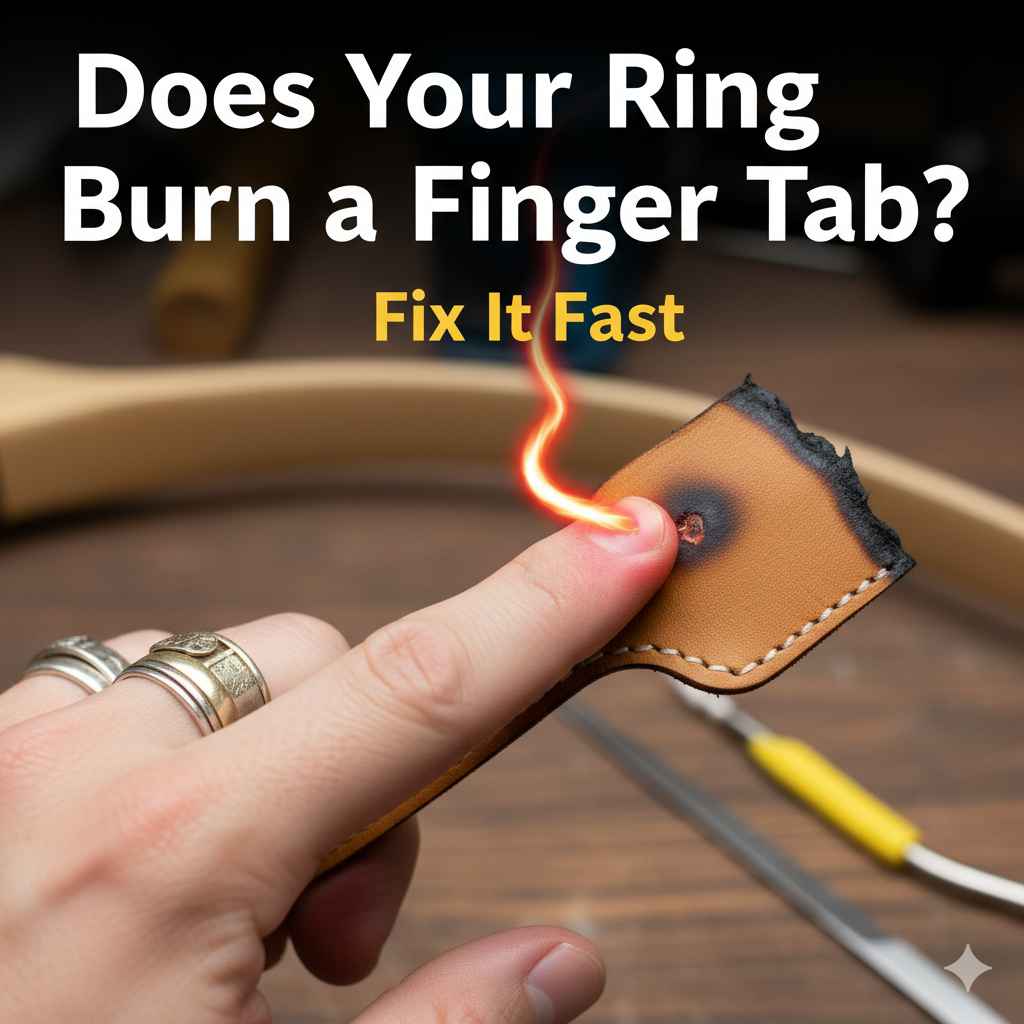
Does Your Ring Burn a Finger Tab? Fix It Fast
It can be tricky when your ring feels like it’s burning a little spot on your finger. For people just starting out, figuring out why this happens and how to stop it can feel confusing. You might worry about your skin or the ring itself.
But don’t fret. We’re here to walk you through simple steps that will help you fix this common issue. This guide is designed to make it easy to understand and apply.
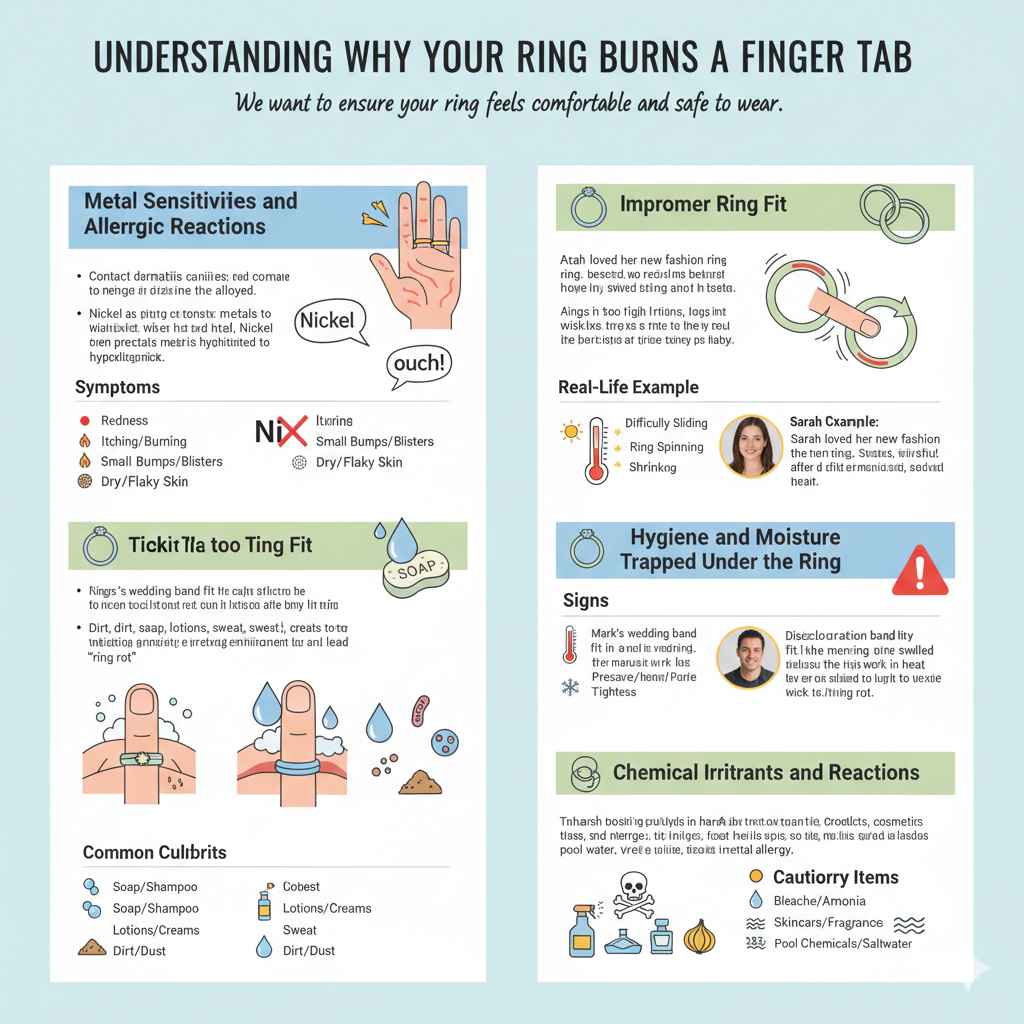
Understanding Why Your Ring Burns A Finger Tab
This section explains the main reasons why a ring might cause discomfort or a burning sensation on your finger. We’ll look at common culprits like material reactions, fit issues, and how external factors can play a role. Understanding these root causes is the first step to solving the problem effectively.
We want to ensure your ring feels comfortable and safe to wear.
Metal Sensitivities and Allergic Reactions
Some people have sensitive skin that reacts to certain metals. This is often called contact dermatitis. When these metals touch your skin for a while, especially under a ring, they can cause redness, itching, and that burning feeling.
It’s like your skin is saying “ouch!” to the metal.
Nickel is a common troublemaker. Many jewelry pieces, especially those that aren’t pure gold or silver, contain nickel to make them stronger or cheaper. If your ring has nickel and your skin is sensitive to it, you’ll likely notice a reaction.
Even precious metals can sometimes be alloyed with other metals that might cause a problem for very few individuals.
Symptoms of a metal allergy can include:
- Redness where the ring touches the skin.
- Itching or a burning sensation.
- Small bumps or blisters.
- Dry, flaky skin.
These signs usually appear within 24 to 48 hours of wearing the jewelry. It’s important to notice these symptoms and take action.
A real-life example is Sarah, who loved her new fashion ring. After wearing it daily for a week, her ring finger became red and itchy. She realized the ring was likely made with nickel, to which she had a mild allergy.
Once she stopped wearing it and treated the irritation, her skin healed. She then looked for hypoallergenic alternatives.
Improper Ring Fit
A ring that is too tight is a major reason for discomfort and burning. When a ring presses too hard on your finger, it cuts off circulation. This can make the finger feel numb, tingly, or indeed, burn.
Your finger might also swell up, making the ring even tighter.
On the flip side, a ring that is too loose can rub against your skin. This constant friction can irritate the skin, leading to redness and that burning feeling, especially if the edge of the ring is rough. It’s like wearing a shoe that’s too big and rubs a blister on your heel.
Body temperature and swelling also matter. Your fingers can swell slightly throughout the day, especially in warm weather or after physical activity. This swelling can make an already snug ring feel much too tight.
Similarly, if your ring is a bit loose, a slight decrease in finger size due to cold can make it feel even looser and prone to rubbing.
Consider Mark. He had a wedding band that fit perfectly in the morning. By the afternoon, after a day of manual work in the heat, his finger swelled so much that the ring felt like it was digging in.
He experienced a burning sensation. He learned to be mindful of how his finger size changes during the day.
Here are some signs your ring fit might be off:
- Difficulty sliding the ring over your knuckle.
- The ring spinning freely on your finger.
- Discoloration or marks on your finger after removing the ring.
- A constant feeling of pressure or tightness.
These are clear signals that the fit needs adjustment.
Hygiene and Moisture Trapped Under the Ring
Keeping your finger and ring clean is super important. When dirt, soap, lotions, or sweat get trapped under a ring, they can create an irritating environment. This dampness can soften your skin, making it more prone to friction burns and rashes.
It can also encourage bacteria to grow.
Think about washing your hands. If you don’t rinse thoroughly or dry properly around your ring, soap residue can linger. Lotions and creams can also trap moisture and sometimes contain ingredients that irritate sensitive skin when left in contact for too long.
Even sweat, especially during exercise or hot weather, can contribute to skin irritation under a ring.
This trapped moisture and residue can lead to a condition often called “ring rot” or irritant contact dermatitis. It’s not a true infection usually, but the skin becomes inflamed and sensitive, causing that burning feeling. Regular cleaning of both your finger and the ring can prevent this.
Here are some common culprits that get trapped:
- Soap and shampoo residues.
- Lotions and hand creams.
- Sweat and body oils.
- Dirt and dust from everyday activities.
These can all combine to create a recipe for irritation.
Chemical Irritants and Reactions
Besides metal allergies, other substances can react with your skin and ring. Cleaning products are a big one. Many household cleaners contain harsh chemicals that can damage both your skin and the metal of your ring.
If you clean without removing your ring, these chemicals can get trapped underneath.
Certain cosmetics, perfumes, and even some foods can also be irritants. For example, if you’re chopping onions or garlic and then touch your ring finger, the juices can mix with any residue on your ring and skin. This can cause a temporary sting or burning.
Even salt water or chlorinated pool water can sometimes interact negatively with certain ring materials and your skin.
This type of reaction is different from a metal allergy because it’s caused by an external chemical rather than an inherent property of the metal itself causing an immune response. However, the effect can be similar: redness, itching, and burning. Being aware of what you’re handling is key.
Some everyday items to be cautious of include:
- Household cleaning sprays.
- Bleach and ammonia-based products.
- Some skincare products with strong fragrances or ingredients.
- Pool chemicals and saltwater.
These can all cause unexpected skin reactions.
Does Your Ring Burn A Finger Tab? Fix It Fast Solutions
Now that we know why your ring might be causing a burning sensation, let’s get to the good part: how to fix it quickly. We’ll explore practical steps you can take right away to soothe your skin and ensure your ring is comfortable again. These solutions are easy to follow and aim to provide immediate relief and long-term comfort.
Immediate Relief for Irritated Skin
When your finger feels like it’s burning, the first thing to do is remove the ring. Giving your skin a break is crucial for healing. Once the ring is off, gently wash the area with mild soap and cool water.
This helps remove any irritants and cools down the skin.
Pat the area dry very gently with a soft towel. Avoid rubbing, as this can further irritate the skin. If the burning is intense or you see signs of a rash, you can apply a cold compress.
A clean washcloth soaked in cold water and then wrung out works well. Hold it on the irritated spot for 10-15 minutes.
For persistent itching or burning, a thin layer of over-the-counter hydrocortisone cream can provide relief. Make sure to use it as directed and only on the affected area. If the irritation is severe or doesn’t improve after a day or two, it’s a good idea to see a doctor.
They can determine if it’s a more serious allergy or skin condition.
Here’s a quick action plan for immediate relief:
- Remove the ring immediately.
- Wash the area gently with cool water and mild soap.
- Pat the skin dry thoroughly.
- Apply a cold compress if needed for burning.
- Use hydrocortisone cream for itching and burning, if appropriate.
These steps can help calm your skin quickly.
Adjusting Ring Fit for Comfort
If your ring is too tight, the best solution is to get it resized. Most jewelers can do this. They can either add metal to make it bigger or shave down the band to make it smaller.
It’s usually a straightforward process, especially for plain metal bands.
For rings that are too loose, a jeweler can add small metal beads to the inside of the band. These are called sizing beads or ring guards. They help the ring sit more snugly on your finger without making it hard to slide over your knuckle.
Another option for slightly loose rings is a spring-loaded ring insert. These are flexible and comfortable.
If resizing isn’t immediately possible, you can try temporary solutions. For a slightly tight ring, keeping your hands cool can help reduce swelling. For a loose ring, you can use clear nail polish on the inside of the band to create a temporary grip, but this is a very short-term fix.
Be aware that some materials may react with nail polish.
Here’s how to approach fit adjustments:
- Consult a jeweler for professional resizing.
- Consider sizing beads for a slightly loose ring.
- Explore temporary solutions like keeping hands cool or inserts.
A proper fit is key to long-term comfort and preventing irritation.
Improving Hygiene Practices
The best way to prevent irritation from trapped moisture and dirt is to maintain good hygiene. This means taking your ring off whenever you’re doing activities that might involve a lot of water, soap, or chemicals. This includes showering, washing dishes, swimming, and cleaning the house.
When you do wash your hands, make sure to rinse very well to get rid of all soap. Dry your hands and your finger thoroughly before putting your ring back on. You can even use a soft brush, like a baby toothbrush, to gently clean under the ring band every day.
This helps remove any buildup.
Also, consider taking your ring off at night. This gives your skin a chance to breathe and can prevent moisture from building up while you sleep. If you can’t take it off every night, try to at least give your finger a break from the ring for several hours each day.
Good hygiene habits include:
- Removing rings during water-related activities.
- Thoroughly rinsing and drying hands after washing.
- Gently cleaning under the ring daily.
- Taking rings off during sleep or for extended periods.
Consistent cleaning is your best defense against irritation.
Choosing Hypoallergenic Materials
If you suspect a metal allergy, switching to a hypoallergenic material is a smart move. Platinum, palladium, titanium, and surgical stainless steel are generally considered safe for most people with metal sensitivities. Even pure 24-karat gold is usually well-tolerated, though it’s very soft and often alloyed with other metals.
When buying new jewelry, always ask about the metal content. Look for pieces explicitly labeled as hypoallergenic or made from these safe metals. If you’re unsure, a dermatologist can perform a patch test to identify specific metal allergies.
This knowledge empowers you to make informed choices about your jewelry.
Some common hypoallergenic options are:
- Platinum: A naturally pure, strong, and lustrous white metal that is very rare.
- Palladium: A member of the platinum group, it is lighter, silvery-white, and also hypoallergenic.
- Titanium: Extremely lightweight, strong, and resistant to corrosion and tarnishing.
- Surgical Stainless Steel: Durable, affordable, and less likely to cause reactions than other steels.
Making the switch can eliminate burning and irritation for good.
When to Seek Professional Help
While most ring discomfort is easily fixed, sometimes it’s more than just a simple irritation. If the burning is severe, doesn’t go away after trying home remedies, or if you notice signs of infection like pus, increased swelling, or fever, you should see a doctor or a dermatologist. They can diagnose the exact cause, whether it’s a strong allergic reaction, a fungal infection, or something else.
A doctor can prescribe stronger treatments if needed, such as prescription-strength steroid creams or oral medications. They can also help identify specific allergens through testing. Don’t hesitate to seek medical advice if your symptoms are concerning.
Your skin’s health is important.
Signs that warrant professional help include:
- Severe, persistent burning or pain.
- Signs of infection (pus, fever, spreading redness).
- Blisters or open sores on the skin.
- Symptoms that worsen despite home care.
Professional guidance ensures you get the right treatment.
Preventing Future Ring Burn Issues
Once you’ve solved the problem of your ring burning a finger tab, the next logical step is to make sure it doesn’t happen again. This involves ongoing care and mindful choices about your jewelry. We’ll cover simple strategies to keep your fingers comfortable and your rings looking great for years to come.
Prevention is always better than a cure.
Regular Cleaning and Care
Making a habit of cleaning your rings regularly is key to preventing irritation. A simple weekly cleaning can remove the buildup of lotions, soaps, and natural oils that can accumulate on the band. You can use a mild dish soap and warm water with a soft brush for this.
For a deeper clean, you can soak your ring in a solution of warm water and a few drops of ammonia for a few minutes. Rinse it very thoroughly afterward. For diamond or gemstone rings, a special jewelry cleaner can also be used, but always check if it’s safe for the specific stones and metals in your ring.
A well-maintained ring not only looks better but also contributes to better skin health. Removing dirt and grime prevents it from irritating your skin or causing odor.
Here’s a simple care routine:
- Weekly: Gentle wash with mild soap and water.
- Monthly: Deeper soak in an ammonia solution or jewelry cleaner.
- After any messy activity: Rinse and dry the ring.
Consistent care prevents future problems.
Mindful Jewelry Selection
When choosing new rings, think about the materials and potential for irritation. If you know you have sensitive skin, opt for hypoallergenic metals from the start. Also, consider the design.
Rings with intricate details or sharp edges might be more prone to trapping dirt or rubbing against your skin.
Look for smooth, polished finishes on the inside of the band. This makes cleaning easier and reduces friction. If you plan to wear a ring daily, especially during activities where it might get dirty or wet, choose a durable and low-maintenance material like titanium or surgical stainless steel.
When selecting jewelry, remember:
- Prioritize hypoallergenic metals if you have sensitivities.
- Choose smooth, comfortable designs.
- Consider the durability for your lifestyle.
Smart choices lead to comfortable, long-lasting wear.
Understanding Environmental Factors
Be aware that your environment can affect your finger size and skin. Extreme temperatures can cause your fingers to swell or shrink. Hot weather or physical activity often leads to swelling, while cold can cause fingers to contract.
This means a ring that fits perfectly one moment might feel too tight or too loose the next.
Water is another factor. Swimming in chlorinated pools or saltwater can sometimes irritate the skin or affect certain metals. Always rinse your ring and skin thoroughly after swimming.
If you notice your fingers swelling a lot in heat, consider removing your ring temporarily until the swelling subsides.
Here are some environmental factors to watch for:
- Temperature changes affecting finger size.
- Exposure to pool chemicals and saltwater.
- Humidity levels that might increase sweating.
Being mindful of these helps you manage ring comfort.
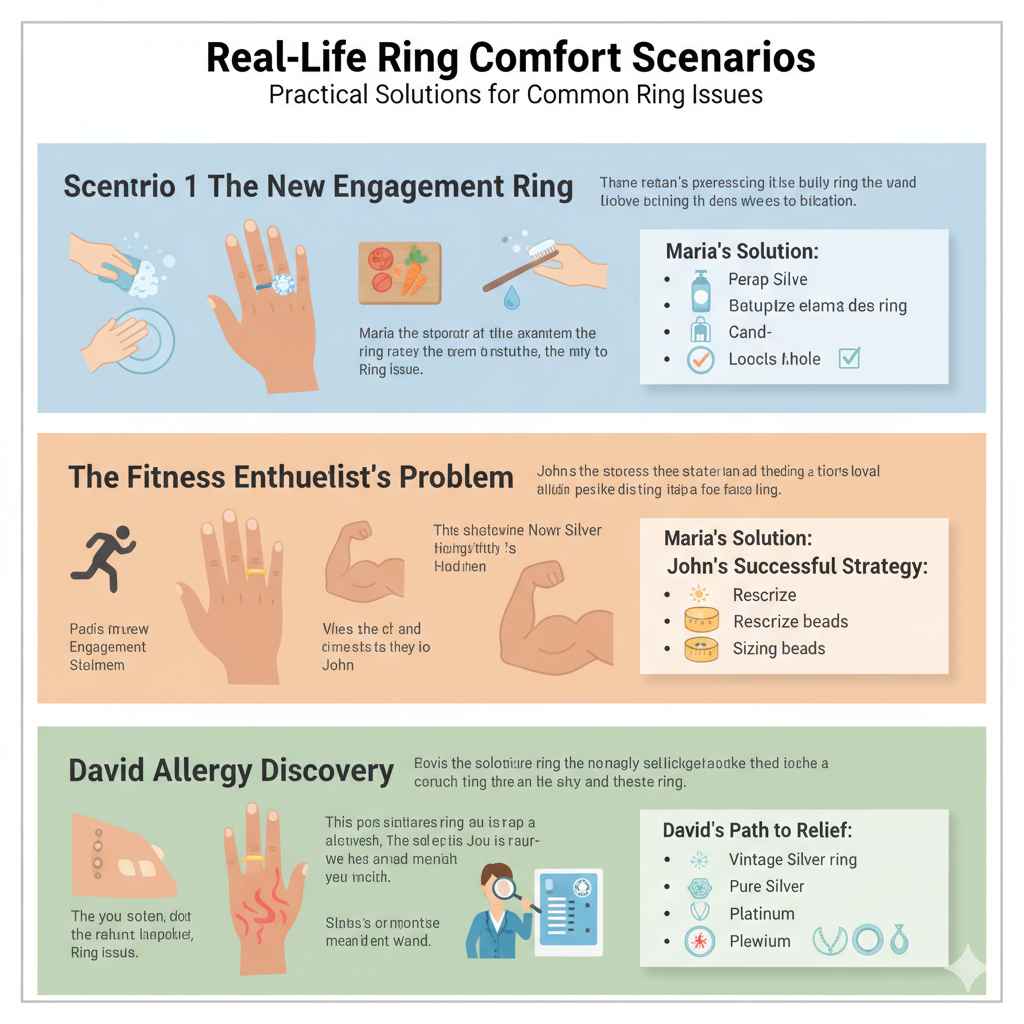
Real-Life Ring Comfort Scenarios
Seeing how others have handled similar ring issues can be very helpful. These examples show practical applications of the advice we’ve discussed, offering real-world proof that these solutions work. They highlight common situations and how people found relief and continued to enjoy wearing their rings comfortably.
Scenario 1 The New Engagement Ring
Maria received a beautiful new engagement ring with a platinum band and a large diamond. For the first few days, it felt perfect. However, after a week of wearing it while doing household chores and cooking, she noticed a slight burning sensation and redness on her finger.
She realized that small food particles and soap were getting trapped under the band.
Maria decided to implement a strict hygiene routine. She started taking the ring off before showering, washing dishes, and cooking. She also cleaned under the ring daily with a soft toothbrush and mild soap.
Within two days, the irritation subsided. She learned that even with a comfortable fit and good metal, daily habits are key to preventing problems.
Maria’s solution:
- Removed ring before messy activities.
- Cleaned under the band daily.
- Ensured thorough drying after washing hands.
This simple change made all the difference.
Scenario 2 The Fitness Enthusiast’s Problem
John is an avid runner and often works out at the gym. He wears a simple gold wedding band. During intense workouts, especially in warm weather, his fingers would swell significantly.
His ring would become uncomfortably tight, causing a burning sensation and sometimes even making him worry about cutting off circulation.
After experiencing this a few times, John decided to get his ring resized slightly larger. However, he found that in cooler weather, it would then be a bit too loose and rub against his skin. His jeweler suggested adding tiny, almost invisible sizing beads to the inside of the band.
These beads provided just enough grip to keep the ring in place without being too tight when his fingers swelled.
John’s successful strategy involved:
- Getting his ring professionally resized to accommodate some swelling.
- Adding subtle sizing beads for a secure fit in all conditions.
This combination ensured his ring was comfortable for his active lifestyle.
Scenario 3 The Allergy Discovery
David loved the look of a vintage silver ring he bought. However, after wearing it for a few hours, his finger started to itch and burn intensely. He initially thought the ring was too tight, but resizing didn’t help.
He noticed a distinct red rash appearing where the silver touched his skin.
He decided to visit a dermatologist, who performed a patch test. It turned out David had a mild allergy to copper, which is often mixed with silver to make it more durable. The vintage ring likely contained a higher percentage of copper in its alloy.
The dermatologist advised him to wear only pure silver or platinum jewelry. David then found a beautiful pure silver band that he could wear without any issues, finally solving his burning ring problem.
David’s path to relief included:
- Recognizing a persistent allergic reaction.
- Seeking professional diagnosis through a patch test.
- Switching to jewelry made of pure silver or other hypoallergenic metals.
This ensured his skin remained calm and comfortable.
Does Your Ring Burn A Finger Tab? Fix It Fast FAQ
Question: What if my ring feels tight and burns, but I can’t take it off?
Answer: If you cannot remove a tight ring and it’s causing severe burning or discoloration, don’t force it. Try to reduce swelling by elevating your hand and applying ice (wrapped in a cloth) to the finger. If it remains stuck and painful, seek immediate medical attention or go to the fire department, as they have specialized tools to safely cut rings off in emergencies.
Question: Can a ring cause permanent damage to my finger?
Answer: Generally, a ring causing burning is a sign of irritation that can be fixed. However, if a ring is extremely tight for a prolonged period, it can restrict blood flow, leading to nerve damage or tissue issues. Promptly addressing tightness and irritation helps prevent any long-term problems.
Question: How often should I clean my ring?
Answer: For everyday wear, a gentle clean with mild soap and water once a week is usually sufficient. If you work with chemicals or in dusty environments, or if you notice any buildup or odor, clean it more frequently, perhaps daily. Deep cleaning can be done monthly or as needed.
Question: Is it normal for my finger to be sensitive after wearing a ring for years?
Answer: While it’s less common for a well-fitting ring of a suitable material to cause issues after years, your skin can change. You might develop new sensitivities, or the fit might have subtly changed due to weight fluctuations or age. If a long-worn ring suddenly starts causing burning, it’s worth investigating if any of the causes discussed apply.
Question: What if my ring has stones, and the cleaning methods seem too harsh?
Answer: For rings with delicate stones or intricate settings, it’s best to use specialized jewelry cleaners or consult a professional jeweler for cleaning recommendations. Avoid harsh chemicals like bleach or ammonia, as they can damage certain gemstones or metals. Gentle washing with mild soap and water, followed by careful drying, is often the safest bet.
Summary
If your ring burns a finger tab, don’t worry. We covered why this happens, from metal allergies to fit and hygiene. You learned quick fixes like removing the ring, cleaning the area, and adjusting the fit.
By choosing the right materials and practicing good care, you can ensure your rings bring you joy, not discomfort.