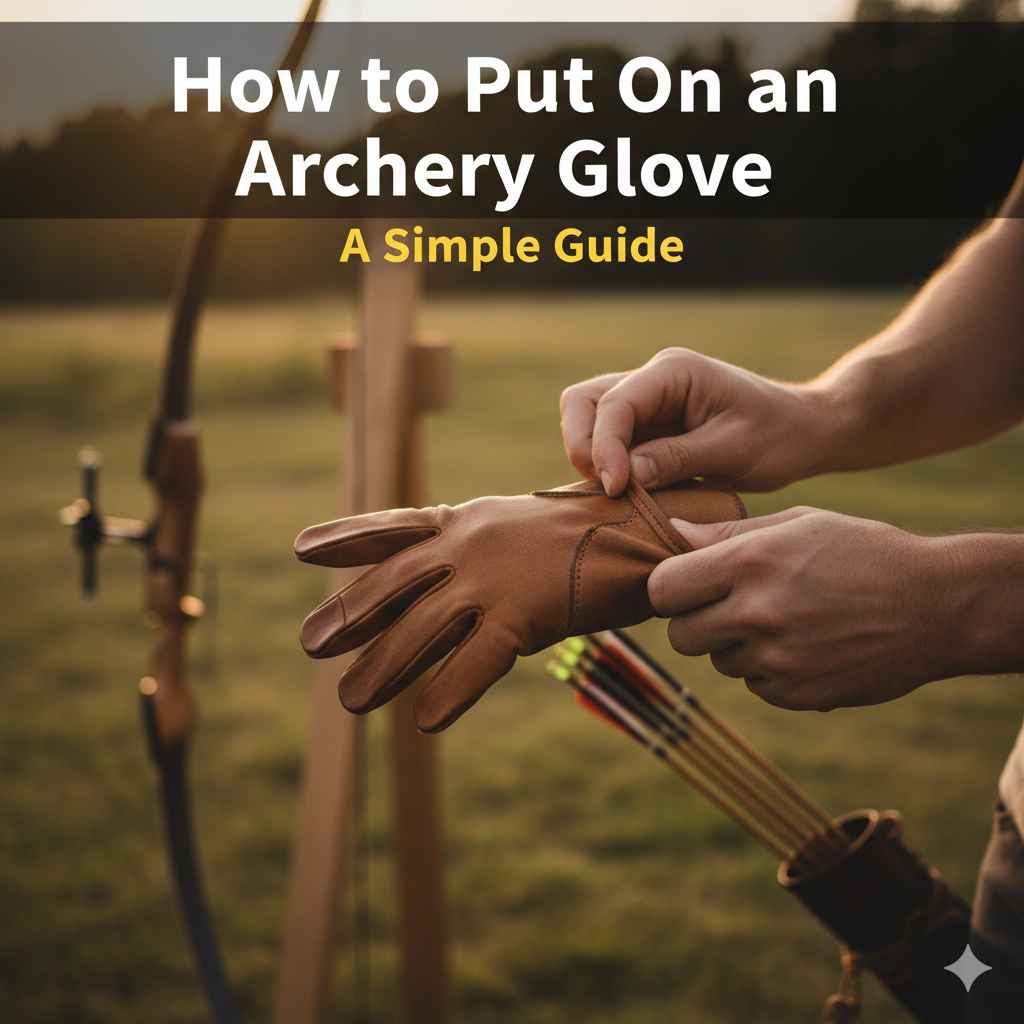
How to Put On an Archery Glove A Simple Guide
Figuring out how to put on an archery glove can seem a bit tricky when you’re just starting out. It’s not always obvious how to get it snug and comfortable for your best shot. Many new archers wonder if they’re doing it right. This guide makes it super simple. We’ll walk you through it step-by-step so you can get your glove on perfectly every time. Let’s learn the easy way to get ready for your next archery session.
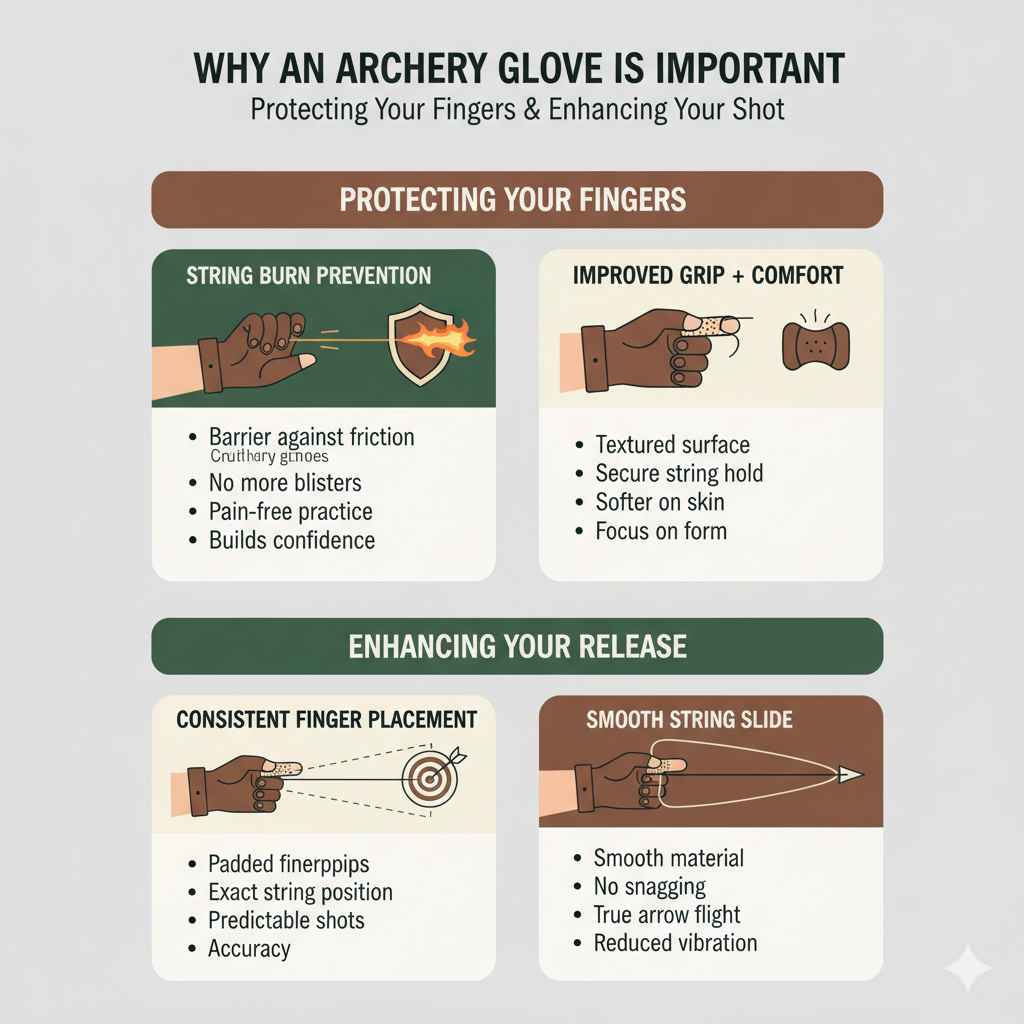
Why An Archery Glove Is Important
Understanding why archers use gloves helps explain their importance. Gloves protect your fingers from the string. They also help you get a smoother release. This can make your shots more consistent. A good glove feels like a second skin. It should not get in the way of your draw or release. Getting the glove on correctly is the first step to enjoying these benefits. It prevents blisters and calluses. It also offers a more comfortable grip on the bowstring.
Protecting Your Fingers
Your bowstring is rough. Drawing it back many times can hurt your fingers. This is especially true for beginners. Archery gloves create a barrier. They stop the string from pinching your skin. This means you can practice for longer without pain. It also helps build confidence. You don’t have to worry about hurting yourself.
- String Burn Prevention
The bowstring moves very fast. When you release it, it slides across your fingers. Without a glove, this friction can cause painful burns or blisters.
The glove’s material acts as a shield. It absorbs the shock and prevents direct contact between the string and your skin. This is vital for comfort during extended shooting sessions.
- Improved Grip
Some gloves offer a textured surface. This can help you hold the string more securely. A better grip leads to a cleaner release.
This means the arrow flies straighter. The glove provides a consistent surface for your fingers to interact with the string. This consistency is key for accuracy in archery.
- Comfort and Feel
Beyond protection, gloves enhance comfort. They can feel softer than bare fingers against the rough string. This makes the drawing process more pleasant.
A comfortable archer can focus better on their form. They can also shoot more arrows with less fatigue. The right glove feels like a natural extension of your hand.
Enhancing Your Release
A smooth release is critical for good archery. The glove plays a role in this. It helps your fingers slide off the string cleanly. This clean exit helps the arrow fly straight and true. A glove can also help you maintain consistent finger placement. This consistency is a cornerstone of accurate shooting.
- Consistent Finger Placement
Archery gloves often have specific designs for each finger. They may have a padded tab for the fingertips. This helps you know exactly where your fingers are on the string.
Consistent placement ensures that each draw and release feels the same. This predictability is what allows archers to fine-tune their aim and improve their scores over time.
- Smooth String Slid
The material of an archery glove is designed to be smooth. This allows the bowstring to slide off your fingers without snagging. A clean, unhindered release is essential for arrow flight.
If your fingers catch on the string, it can cause the arrow to wobble or veer off course. The glove ensures a controlled and consistent release every time.
- Reduced String Buzz
Some gloves can also help dampen the sound and vibration of the bowstring. This can make the shooting experience quieter and more enjoyable. While not the primary function, this added benefit contributes to a better overall archery feel.
It helps the archer stay focused on their target rather than distracting noises.
How to Put On An Archery Glove Quick & Easy Guide
Getting your archery glove on properly is simple once you know the steps. It ensures a snug fit without being too tight. Here’s a straightforward method that works for most glove types.
Preparing Your Glove
Before you put it on, take a look at your glove. Make sure it’s the right size. If it’s too big, it won’t offer protection. If it’s too small, it will be uncomfortable. Most gloves have a distinct shape for the hand. They are designed for either a left-handed or right-handed archer. Make sure you have the one for the hand that holds the bowstring.
- Check the Fit
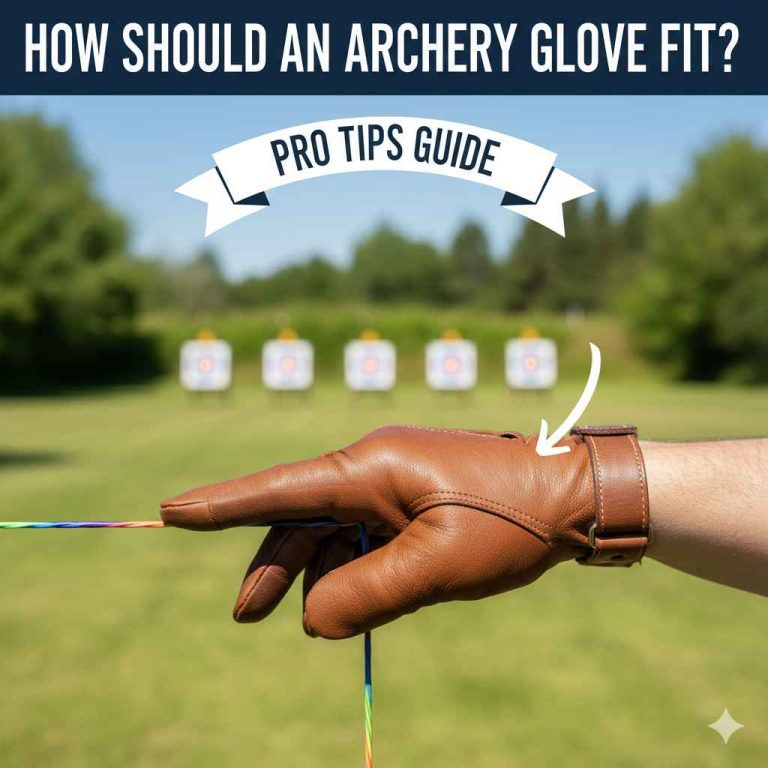
Try the glove on without your bow. Your fingers should feel comfortably snug. There shouldn’t be any extra space at the fingertips.
Your hand should be able to move freely at the wrist. A good fit means the glove won’t slide around during your shot. This is essential for consistent shooting.
- Identify Hand Orientation
Archery gloves are specific to which hand you draw with. The hand that pulls the bowstring needs the glove. If you’re right-handed, you draw with your left hand.
If you’re left-handed, you draw with your right hand. Look for any labels or distinct finger shapes that indicate which hand it is for. Wearing the wrong glove can hinder your shooting.
- Ensure Cleanliness
Make sure the inside of the glove is free of dirt or debris. Anything inside could cause discomfort or abrasion. Gently shake it out if needed.
A clean glove ensures a smooth feel against your skin and the bowstring.
The Step-By-Step Process
Putting on an archery glove is like putting on a regular glove, but with a bit more attention to detail. Follow these steps for a perfect fit every time.
- Start with your shooting hand. This is the hand that pulls the bowstring, not the hand that holds the bow.
- Gently slide your fingers into the corresponding finger stalls of the glove.
- Make sure each finger goes all the way into its stall.
- Pull the glove up your hand, making sure the material lies flat against your skin.
- Adjust the glove so it fits snugly at the wrist. It should not be too tight or restrict movement.
- Check that the fingertips of the glove cover the tips of your fingers.
- If your glove has a separate thumb stall, slide your thumb into it last.
Adjusting for Comfort
Once the glove is on, take a moment to adjust it. You want it to feel secure but not constricting.
- Smooth Out Wrinkles
As you put the glove on, minor wrinkles might form. Gently smooth these out with your other hand. This ensures the glove fits as closely to your skin as possible.
A smooth surface provides better contact with the bowstring.
- Check Finger Coverage
Ensure the glove covers the very tips of your fingers. This is where the bowstring makes contact. If the fingertips are too short, you might still experience string slap or discomfort.
If they are too long, they might get in the way of your release.
- Wrist Fit
The wrist strap or cuff of the glove should be comfortable. It should be snug enough to keep the glove in place but not so tight that it cuts off circulation. You need full wrist flexibility for drawing the bow.
Common Glove Materials and Features
Archery gloves are made from different materials. Each offers unique benefits. Knowing these can help you choose the right glove for your needs.
Leather Gloves
Leather is a very common material for archery gloves. It’s durable and offers a good feel.
- Durability and Longevity
Leather is known for its strength. An archery glove made from quality leather can last for a very long time. It resists wear and tear from repeated use against the bowstring.
This makes it a cost-effective choice for serious archers.
- Feel and Grip
Leather offers a natural feel. It molds to your hand over time. This creates a custom fit.
The texture of leather also provides a good grip on the bowstring. It helps prevent slippage during the draw. Some archers prefer the traditional feel of leather.
- Breathability
Good quality leather is breathable. This helps keep your hand cool and dry. Sweaty hands can affect your grip.
Breathability is important, especially during warm weather or long shooting sessions. It prevents discomfort and improves performance.
Synthetic Materials
Many modern archery gloves use synthetic materials. These often offer specific performance advantages.
- Lightweight and Flexible
Synthetics like neoprene or specialized nylon are very light. They allow for great flexibility. This means your hand and fingers can move naturally.
You won’t feel weighed down. This is great for quick movements and fine motor control needed in archery.
- Water Resistance
Some synthetic materials are water-resistant. This is a big plus if you shoot in wet conditions. A wet glove can become slippery or uncomfortable.
Synthetics can help keep your hand drier and maintain a consistent grip.
- Customizable Padding
Synthetic gloves can be engineered with specific padding in key areas. This can offer targeted protection and comfort. You might find gloves with extra padding on the fingertips or the palm.
This allows for a very precise and protective feel.
Features to Look For
Besides material, several features make a glove better.
- Adjustable Straps
Many gloves have a Velcro strap at the wrist. This lets you adjust the tightness. You can get a perfect, secure fit every time.
It’s easy to loosen or tighten as needed. This is very helpful for archers who experience swelling or want a custom feel.
- Reinforced Fingertips
Some gloves have extra layers of material on the fingertips. This adds durability and padding. It provides extra protection against string friction.
This is especially useful for heavier draw weights or archers who shoot frequently. It significantly reduces the risk of string cuts or blisters.
- Ventilation
Look for gloves with ventilation holes or mesh panels. These allow air to circulate. This keeps your hand cooler and drier.
It prevents sweat buildup. Good ventilation enhances comfort during long shooting sessions. It helps maintain a consistent grip by keeping hands dry.
Troubleshooting Common Fit Issues
Sometimes, an archery glove doesn’t fit perfectly right away. A few simple adjustments can fix common problems.
Glove Too Tight
If the glove feels too tight, it can restrict blood flow and movement.
- Loosen Wrist Strap
If your glove has an adjustable strap, try loosening it. This gives your wrist more room. It can make a big difference in comfort.
Don’t overtighten it in the first place.
- Stretch Gently
If the glove is made of leather or a flexible synthetic, you can try to gently stretch it. Put it on and move your fingers and hand around. The warmth from your hand can help it adapt slightly.
Avoid forcing it or it could tear.
- Consider a Different Size
If stretching doesn’t help, the glove might just be too small. It’s best to exchange it for a larger size. A glove that’s too tight will negatively impact your shooting form and comfort.
Glove Too Loose
A glove that’s too loose won’t protect your fingers properly. The string could catch.
- Tighten Wrist Strap
The wrist strap is your best friend here. Tighten it to secure the glove. It should feel snug around your wrist.
This helps pull the glove material tighter onto your hand.
- Ensure Finger Stalls Are Full
Make sure your fingers are pushed all the way into their stalls. Sometimes, the glove just needs to be seated properly on your hand. Wiggle your fingers to ensure they reach the end.
This removes any slack in the finger stalls.
- Consider a Smaller Size
If the glove is still loose even with the strap tightened and fingers fully in place, it’s likely too big. Look for a smaller size. A glove that’s too big can hinder accuracy and cause safety issues.
Glove Slips During Use
If the glove slips or shifts during your draw, it’s a problem.
- Check Wrist Fit
A slipping glove is often due to a loose wrist. Ensure the wrist strap is snug and holding the glove firmly. It shouldn’t move independently of your hand.
- Material and Sweat
If your hands sweat a lot, the glove might slip. Consider a glove made of a material that wicks away moisture. Some materials offer better grip even when slightly damp.
Cleaning the inside of the glove can also help remove oils that cause slippage.
- Proper Sizing is Key
Ultimately, a glove that slips is often a sizing issue. It might be too large overall, or the finger stalls aren’t a good match for your finger length. Ensure the glove fits your hand like a second skin with no excess material.
Maintaining Your Archery Glove
Taking care of your archery glove will make it last longer. It also keeps it feeling good on your hand.
Cleaning Your Glove
Keeping your glove clean is important for its lifespan and your comfort.
- Leather Care
For leather gloves, use a damp cloth to wipe away dirt. Avoid soaking them in water. You can use a leather conditioner occasionally to keep the material supple.
This prevents it from drying out and cracking. Follow the manufacturer’s cleaning instructions for best results.
- Synthetic Material Care
Most synthetic gloves can be wiped clean with a damp cloth. Some may be machine washable on a gentle cycle, but always check the care label. Avoid using harsh detergents or bleach, as these can damage the material.
Air dry them completely.
- Drying Properly
Never dry your glove near a direct heat source like a radiator or in direct sunlight. This can cause leather to shrink and crack, or synthetics to warp. Let it air dry at room temperature.
Stuffing it with paper can help it keep its shape while drying.
Storage Tips
How you store your glove when not in use matters.
- Keep It Dry
Store your glove in a dry place. Moisture can lead to mold or mildew. It can also damage the material over time.
Ensure it’s completely dry before storing it away.
- Avoid Compression
Don’t store your glove under heavy items. This can crush it and misshape it. Keep it in a box or bag where it has some space.
This helps maintain its form and prevents damage to the stitching or material.
- Store Away from Elements
Keep it away from extreme temperatures or direct sunlight when not in use. These conditions can degrade the materials. A cool, dry, dark place is ideal for long-term storage.
Real-World Examples and Scenarios
Seeing how others use and benefit from archery gloves can be helpful.
Scenario 1 A New Archer’s First Tournament
Sarah was new to archery and preparing for her first small tournament. She had been practicing for weeks but found her fingertips were getting sore. She decided to buy a simple leather archery glove. She followed the steps to put it on, ensuring a snug fit.
At the tournament, Sarah noticed a big difference. Her fingers didn’t hurt, even after shooting many arrows. The glove gave her a more consistent grip on the string. This helped her focus on her aim. She felt more confident with every shot. Her scores improved, and she enjoyed the competition without the distraction of sore fingers.
Scenario 2 A Hunter in Challenging Weather
Mark is a bowhunter who often shoots in unpredictable weather. He uses a synthetic glove with water-resistant properties. One rainy morning, he needed to make a difficult shot. His hand was a bit wet, but the glove still provided a secure grip on the string.
This prevented his release from being compromised. The glove’s flexibility allowed him to draw his heavy bow smoothly. The reinforced fingertips protected him from the wet string. He made the shot, thanks to gear that performed well even in tough conditions. The glove was a crucial piece of equipment for his hunt.
Scenario 3 A Young Archer Learning Proper Form
Young Alex was learning archery at a local club. He struggled with getting a clean release. His coach noticed he was gripping the string too hard. The coach suggested Alex try an archery glove. The glove helped Alex feel where his fingers were on the string.
It also made the release smoother. He didn’t have to worry as much about his fingers. This allowed him to focus on his posture and aiming. Alex found that with the glove, he could practice more often. He built better muscle memory for proper shooting form. This made his progress much faster.

FAQ
Question: What is the main purpose of an archery glove?
Answer: The main purpose of an archery glove is to protect your drawing fingers from the bowstring. It prevents blisters and calluses. It also helps provide a more consistent and smoother release, which can improve your accuracy.
Question: Which hand should I wear an archery glove on?
Answer: You should wear an archery glove on the hand that draws the bowstring, not the hand that holds the bow. This is typically your non-dominant hand.
Question: How do I know if my archery glove is the right size?
Answer: An archery glove should fit snugly without being too tight. Your fingertips should be fully covered, and there should be no extra space in the finger stalls. You should have full range of motion in your wrist and fingers.
Question: Can I wear a regular glove for archery?
Answer: While a regular glove might offer some protection, it’s not ideal. Archery gloves are designed with specific materials and features to provide the best grip, feel, and protection for bowstring contact. Regular gloves can be too bulky or lack the necessary grip.
Question: How often should I clean my archery glove?
Answer: You should clean your archery glove as needed. If it gets dirty from use or sweaty, wipe it down. For leather gloves, avoid over-cleaning.
For synthetics, follow the care instructions. Always ensure it’s dry before storing.
Summary
Learning how to put on an archery glove correctly ensures protection and a better shot. It’s a simple process of sliding your drawing fingers in and adjusting for a snug, comfortable fit. Different materials like leather and synthetics offer unique benefits. Proper care and fit will enhance your archery experience. Now you have the easy steps to get your glove ready for practice or competition.