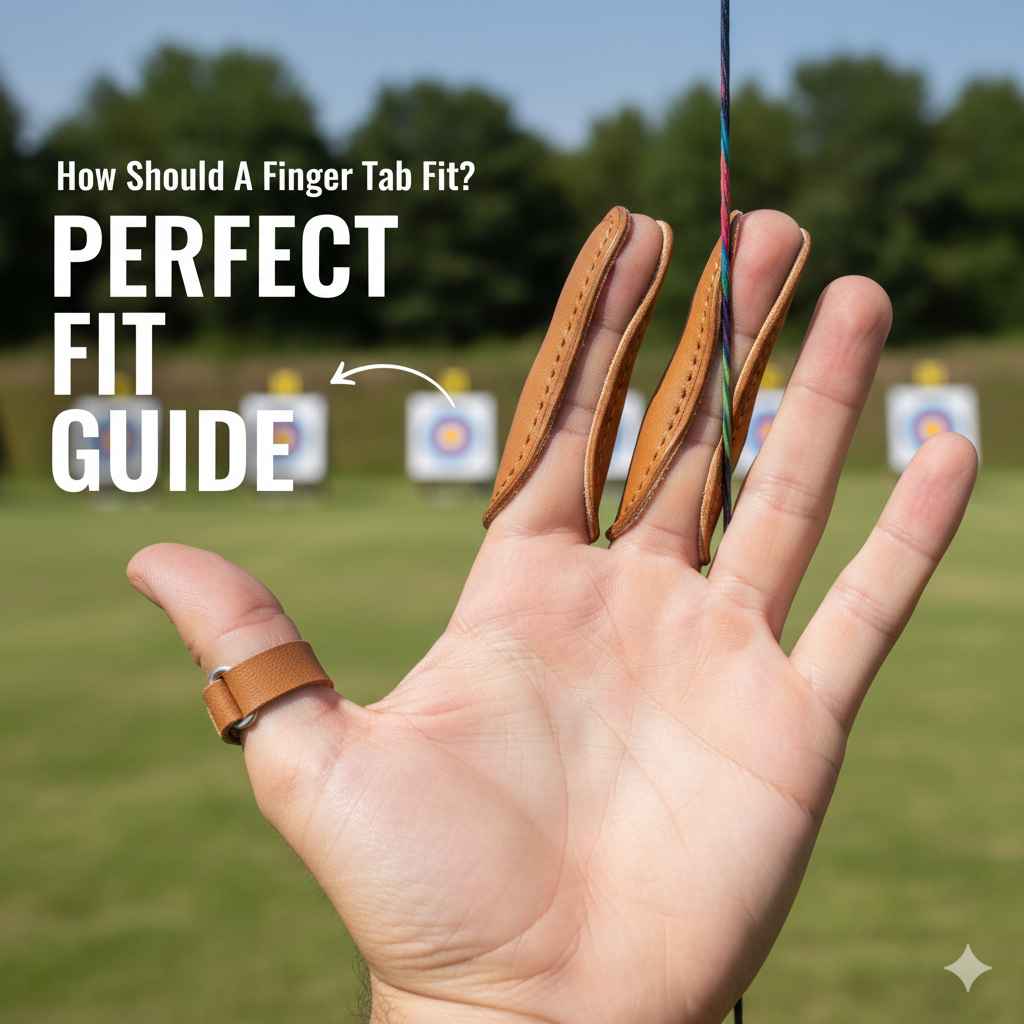
How Should A Finger Tab Fit Perfect Fit Guide
Getting your finger tab to fit just right can feel tricky at first. Many archers wonder, How Should a Finger Tab Fit? Perfect Fit Guide is there to help.
It’s common to feel unsure about how snug it should be or where the edges should sit. Don’t worry, we’ll break it down simply. We’ll guide you through each step so you can find your perfect tab fit.
Let’s make sure your tab feels like a natural part of your shooting style.
The Importance Of A Proper Finger Tab Fit
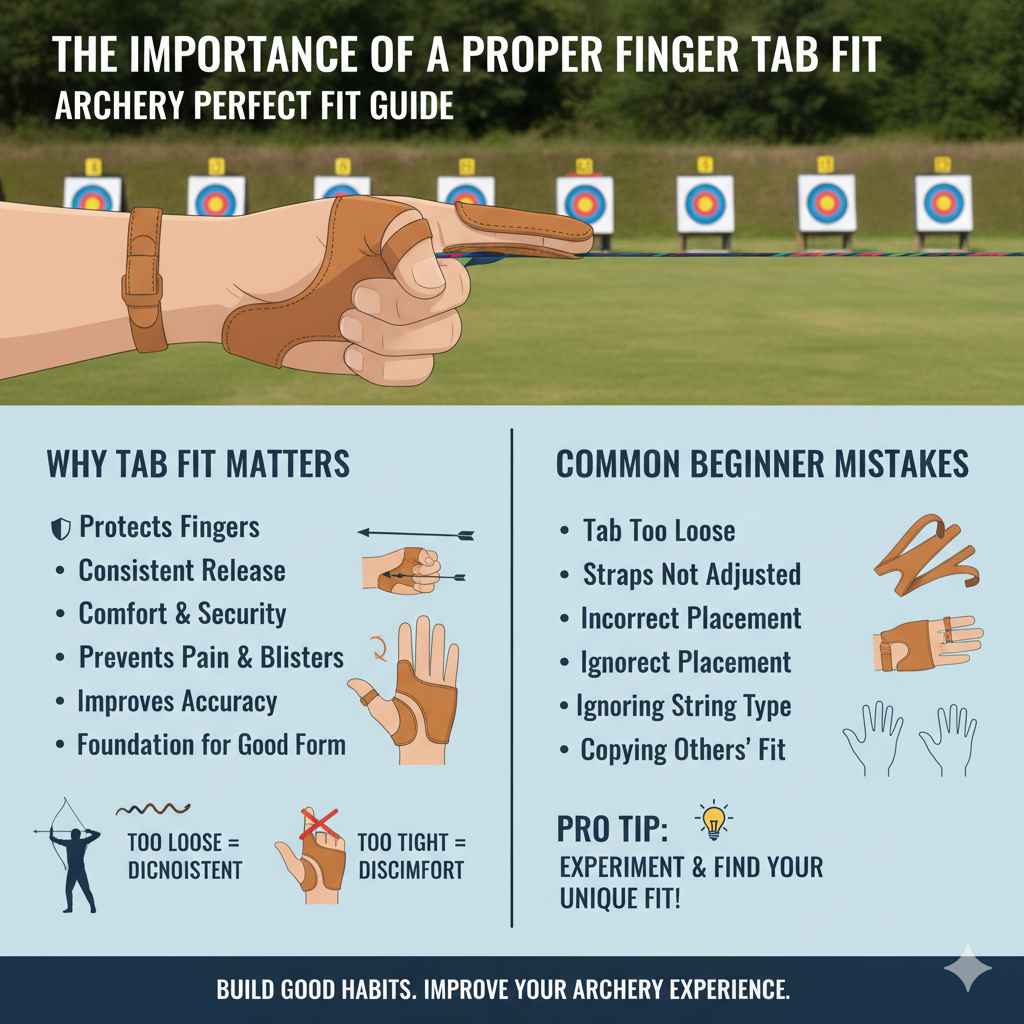
A finger tab is a critical piece of archery equipment. It protects your fingers from the string and helps you get a consistent release. When a tab fits well, it feels comfortable and secure.
This allows you to focus on your shot instead of worrying about your hand. A poor fit can lead to pain, blisters, and inconsistent arrow launches. This can be very frustrating for new archers.
Getting the fit right from the start sets you up for better shooting. It helps build good habits and improves your overall archery experience. A well-fitting tab is the foundation for good form and accuracy.
Think of it like a glove for your shooting hand. It needs to feel just right to perform its best. We will explore why this fit matters so much and what makes it unique for each archer.
Why Tab Fit Matters For Archers
Your finger tab is your direct connection to the bowstring. A proper fit ensures this connection is stable and comfortable. When a tab is too loose, it can shift during your draw, leading to an inconsistent anchor point.
This means your release will be different every time, hurting your accuracy. If it’s too tight, it can restrict your finger movement, making it hard to get a clean release. This can cause discomfort and even pain.
For beginners, this initial adjustment can seem confusing. They might not know what “right” feels like. They might experience soreness after shooting or notice their arrows flying in different directions.
This is often a sign that the tab fit needs adjustment. A good fit helps prevent these issues. It promotes a smooth, repeatable drawing and release motion.
This is essential for developing solid archery skills. Archers of all levels benefit from a tab that feels like it was made just for them.
Consider the physics involved. The bowstring exerts a significant force. This force is transferred through the tab to your fingers.
If the tab doesn’t distribute this force evenly or securely, some fingers might take more strain than others. This can lead to fatigue and discomfort over time. Additionally, the material of the tab and its placement on your fingers influence how the string slides off.
A tab that is too large might cover too much of your finger, causing the string to snag or slip incorrectly. Conversely, one that is too small might not offer enough protection, leading to string burn or a painful pinch.
Professional archers often spend a lot of time fine-tuning their equipment. The finger tab is no exception. They understand that small adjustments can make a big difference in performance.
For them, a tab is not just protection; it’s an extension of their hand. It needs to feel intuitive and responsive. They might experiment with different materials, shapes, and attachment methods to achieve their ideal fit.
This dedication to detail highlights how important even seemingly minor aspects of archery gear can be. The pursuit of the perfect tab fit is a testament to the precision and dedication required in the sport.
Common Beginner Mistakes With Tab Fit
Beginners often make a few common errors when fitting their finger tabs. One of the most frequent is wearing a tab that is too loose. They might think a little extra space is okay, or they might be afraid of making it too tight and uncomfortable.
However, this looseness can cause the tab to slide around on the fingers during the draw cycle. This leads to an inconsistent release, making it hard to shoot accurately. Another mistake is not adjusting the straps properly.
The straps are there to hold the tab securely in place. If they are not tightened enough, the tab will not stay where it’s supposed to be. This negates the benefits of wearing a tab at all.
Some beginners also struggle with the placement of the tab on their fingers. They might have it too high, too low, or not centered properly. This can cause the bowstring to sit in an awkward spot, leading to discomfort or an uneven release.
They might also not consider the thickness of their string or the type of tab they are using. Different tabs are designed for different purposes and materials. Trying to force a tab that isn’t suited for your bowstring setup can lead to fit issues.
It is important to understand that a good fit is often a combination of the tab itself and how it’s worn. Taking the time to learn these basics can save a lot of frustration down the line. It’s about finding what works best for your unique hand and shooting style.
Another common pitfall is relying on someone else’s perfect fit. What feels right for one archer might not feel right for another. Everyone’s hand shape and finger length are different.
Trying to copy a friend’s tab setup without understanding the principles behind it can lead to disappointment. It is crucial to experiment and feel what is comfortable and secure for your own hand. This personal touch is what makes archery so rewarding.
It encourages self-discovery and problem-solving. It’s about building a relationship with your equipment. This relationship is built on trust and familiarity, which starts with a proper, personal fit.
Understanding Finger Tab Components And Materials
To achieve the perfect fit, it’s helpful to know what makes up a finger tab. Most tabs have a main body that contacts the string, a part that goes around your fingers, and straps to hold it on. The material of the tab body is important.
Leather is very common because it’s durable and forms well to your hand. Some tabs use synthetic materials for different feels or for added grip. The part that goes around your fingers can be a simple loop or a more structured glove-like design.
The straps are usually made of elastic or leather and have buckles or Velcro to adjust the tightness. Understanding these parts helps you see why adjustments make a difference. It’s not just one piece; it’s a system designed to work together.
Each component plays a role in how the tab feels and performs.
Different Tab Styles And Their Fit
There are a few main types of finger tabs you’ll see. The most basic is the simple tab, often made of a single piece of leather with a string loop. This type is very adaptable.
You can often adjust how it sits on your fingers by how you fold or position the leather. Then there are finger tab gloves. These are like a glove with a protective plate for your fingertips and a thumb loop.
They offer more coverage and support. The fit here depends on choosing the right glove size for your hand. The material of the tab body also affects fit.
A stiff material might need more breaking in than a soft, pliable one. Some tabs have adjustable finger loops or finger stalls, allowing you to customize the snugness for each finger. This level of adjustability is great for archers who want a very precise feel.
The different styles mean that the way you achieve a good fit will vary. It’s about finding a style that suits your hand and preferences, then fine-tuning its fit.
For example, a basic leather tab might require you to adjust the pressure you apply with your fingers to hold it in place. A tab glove, on the other hand, relies more on the straps and the glove’s shape to maintain its position. Some archers prefer the minimalist feel of a simple tab, enjoying the direct contact with the string.
Others prefer the security and padding of a glove, especially for heavier draw weights or longer shooting sessions. When you’re starting out, it’s good to try a few different types if you can. This will give you a feel for what kind of fit you are looking for.
Your personal comfort and the way you hold the bowstring are key factors in choosing the right style.
The materials used also play a big role in how a tab fits and feels over time. High-quality leather, for instance, will mold to your finger shape with use, becoming more comfortable and secure. Synthetic materials might offer a consistent feel but might not break in as much.
Some modern tabs incorporate materials with different textures. A smoother material might allow the string to slide off more freely, while a slightly grippier material could offer more control. It’s important to consider how the tab will feel after a few hours of shooting.
Will it still be comfortable? Will it maintain its position? These are questions that can only be answered through experience and by understanding the properties of the materials involved.
Materials That Affect Tab Comfort
The material your finger tab is made from significantly impacts its comfort and fit. Leather is a classic choice for a reason. It’s naturally flexible yet durable.
Over time, good quality leather will conform to the unique shape of your fingers, creating a custom fit. This ‘breaking-in’ process is essential for long-term comfort. However, some leathers are stiffer than others, and the tanning process can affect their feel.
A very stiff leather might feel uncomfortable until it’s thoroughly broken in, potentially causing friction or pressure points.
Synthetic materials, like certain plastics or artificial leathers, offer different advantages. They often provide a more consistent feel from the start and can be easier to clean. Some synthetic tabs are designed to be very smooth, allowing for a clean string release.
Others might have a bit more grip. The choice of material also affects how the tab breathes. For long shooting sessions in warm weather, a tab made of breathable material can prevent your fingers from getting too sweaty, which can affect grip and comfort.
Padding is another material consideration. Some finger tabs have added padding, often a foam layer, between the main body and your fingers. This padding can absorb some of the shock from the string release, making it more comfortable, especially for archers using higher draw weight bows.
However, too much padding can make the tab feel bulky and reduce your ability to feel the string, which some archers dislike. The backing material of the tab also matters. A soft fabric backing can feel more comfortable against the skin than a rougher material.
How To Achieve The Perfect Finger Tab Fit Step-By-Step
Finding the perfect fit involves a few easy steps. First, make sure you have the right size tab for your hand. Most tabs come in different sizes, so check the sizing charts.
Next, put the tab on your shooting hand fingers. Usually, this is your index, middle, and ring fingers. Adjust the straps so the tab is snug but not too tight.
It should feel secure on your fingers. Then, draw your bow. Pay attention to how the tab feels against your fingers and how the string sits.
Does it feel comfortable? Does the string slide off cleanly? Make small adjustments to the straps and the tab’s position until it feels just right.
This process helps you get familiar with your gear and ensures a consistent shooting experience. We’ll walk through each part in detail.
Choosing The Right Size Tab
The first step to a great fit is selecting the correct size. Most finger tab manufacturers provide a sizing guide. This guide typically involves measuring the length of your fingers or the circumference of your hand.
For example, you might be asked to measure from the base of your palm to the tip of your longest finger. Alternatively, some guides ask you to measure around your hand at a specific point. It’s important to follow these instructions carefully.
A tab that is too small will be uncomfortable and might not offer enough coverage. A tab that is too large can shift during your shot, leading to inconsistency.
Don’t guess your size. Use a flexible measuring tape or a piece of string and a ruler to get accurate measurements. If you are between sizes, it’s often better to go with the smaller size, especially if the tab is made of leather, as it will stretch slightly over time.
However, some materials might not stretch, so check the manufacturer’s recommendations. If possible, try on different sizes at a local archery shop. This hands-on experience is invaluable.
You can feel how each size fits and how the materials interact with your skin. This direct comparison helps you make a more informed decision. Getting the size right is the foundation for all subsequent adjustments.
Consider that your fingers might be different lengths. Some tabs have adjustable finger stalls, which allows for fine-tuning even if your fingers aren’t perfectly uniform. But even with adjustable features, the overall size of the tab needs to be appropriate for your hand.
A tab that is fundamentally too big or too small for your hand’s general dimensions will not perform optimally, no matter how much you adjust the straps or stalls. Think about your comfort zone. A tab that feels constricting will hinder your ability to draw smoothly.
A tab that feels loose will compromise your anchor and release. The goal is a secure, comfortable feel that allows for freedom of movement.
Adjusting The Straps For A Secure Fit
Once you have the right size, the straps are key to securing the tab. Most finger tabs have at least one strap, often two, that wrap around the wrist or the base of the fingers. The goal is to make the tab feel like it’s part of your hand, not something that will fall off or move around.
Start by loosely fastening the straps. Then, put the tab on your shooting fingers. Gently draw your bow to your anchor point.
Notice if the tab shifts or feels loose. If it does, tighten the straps a little more. Repeat this process, making small adjustments, until the tab feels snug and stable.
It’s important not to overtighten the straps. A tab that is too tight can restrict blood flow to your fingers, causing numbness or tingling. It can also make your hand stiff, affecting your release.
The feel should be secure, not constricting. Imagine you are holding something delicate; you want to hold it firmly enough so it doesn’t slip, but not so hard that you crush it. The same applies to your finger tab.
The straps should hold the tab firmly against your fingers and hand, preventing any unwanted movement during the draw and release cycle. This balance is crucial for comfort and consistent shooting. Regular checks of the strap tightness are also a good idea, as they can loosen slightly with use.
When adjusting straps, consider the type of material. Leather straps might stretch a bit as they wear in, so you may need to tighten them slightly over time. Velcro straps offer quick and easy adjustments, but the Velcro can lose its grip over time.
Buckle straps are very secure but can be slower to adjust. Whichever type you have, focus on achieving that secure-but-not-tight feeling. This balance is what allows for a consistent anchor point and a clean release, which are vital for good archery form.
A well-adjusted tab feels natural and unobtrusive, letting you concentrate on your shot.
Testing The Fit During A Draw Cycle
The true test of a finger tab’s fit comes when you draw your bow. As you pull the string back, pay close attention to how the tab behaves. Does it stay in place?
Does it feel like it’s digging into your fingers? Does the bowstring feel smooth against the tab’s surface? When you reach your anchor point, the tab should feel secure.
It should not have shifted forward or backward on your fingers. The bowstring should be positioned comfortably on the tab, ready for release. If you feel any pinching, rubbing, or excessive pressure, the fit needs adjustment.
After releasing the arrow, take a moment to examine your tab and fingers. Are there any red marks or hot spots on your skin? These indicate areas of excessive friction or pressure.
Are the straps still in place? Did the tab rotate on your fingers? These observations are vital clues.
You might need to loosen a strap here, tighten one there, or reposition the tab slightly. Experiment with small changes and re-test the fit. It’s a process of fine-tuning.
Many archers find that their ideal fit feels almost invisible; they don’t even think about their tab once it’s on correctly.
Consider the angle of the string. The tab should allow the string to slide off cleanly and consistently. If the tab is too thick or positioned incorrectly, it might cause the string to catch or release unevenly.
This uneven release is a common cause of arrow inaccuracies. By drawing your bow slowly and deliberately, you can feel these subtle interactions. You can also practice drawing without an arrow.
This allows you to focus solely on the feel of the tab and the string without the added pressure of making a shot. This practice can reveal fit issues that might be missed during actual shooting. A few minutes of careful testing can save you a lot of frustration later on.
Troubleshooting Common Fit Issues
Even with careful fitting, you might encounter some issues. If your tab feels loose, double-check the strap adjustments. Make sure they are snug enough to keep the tab from moving during your draw.
Sometimes, the tab itself might be slightly too big, in which case you might need to add a bit of padding inside, like a thin piece of moleskin or felt, to take up the slack. If it feels too tight, loosen the straps. If it still feels constricting, you might have the wrong size tab or a tab made of a material that doesn’t flex well.
For discomfort, look for pressure points. These often come from the edge of the tab or the seams. You can try repositioning the tab slightly or using moleskin on your fingers where the pressure is highest.
Dealing With A Loose Finger Tab
A loose finger tab is one of the most common problems. It can lead to inconsistent shots because the tab can shift on your fingers. The first step is to tighten the straps.
Make sure they are cinched down enough to hold the tab firmly in place. If tightening the straps doesn’t help, consider the material of your tab. Some leather tabs might need to be worn in to become more pliable and snug.
If the tab is inherently too large for your hand, you can try adding a thin layer of material inside. This could be a piece of moleskin, felt, or even a thin piece of leather. Place this material on the inside of the tab where it contacts your fingers.
This effectively reduces the internal volume of the tab, making it fit more snugly. Some tabs also have adjustable finger stalls. Ensure these are adjusted to be snug on each finger.
A well-adjusted tab should feel like a second skin, secure but not restrictive.
For some advanced archers, a very thin layer of athletic tape on the fingers can also help improve grip and reduce slippage, though this is less common for general fitting and more for specific performance needs. The key is to ensure that the tab does not move at all during the draw and release. Any movement can translate into inconsistency in your shot.
If you find yourself constantly having to readjust a loose tab, it might be time to consider a different model or size. However, most of the time, simple adjustments or adding a small amount of material can solve the problem effectively. The goal is a stable platform for your fingers.
It’s also worth considering the type of bowstring you’re using. Some bowstrings are smoother or have a different diameter than others. This can slightly affect how the tab interacts with the string.
If you recently changed your bowstring, your tab might need a slight readjustment. Always test your fit after making any changes to your archery equipment. The interplay between the tab, your fingers, and the bowstring is delicate.
Minor adjustments can have noticeable effects on how the entire system feels and performs. A loose tab is a sign that this delicate balance is not yet achieved.
Addressing Tab Tightness And Discomfort
If your finger tab feels too tight, it can cause pain, restrict circulation, and hinder your ability to get a smooth release. The most straightforward solution is to loosen the straps. Find the point where the tab is secure but doesn’t dig into your skin or restrict your fingers.
If the tab still feels uncomfortably tight even with the straps loosened, the tab might be the wrong size or shape for your hand. Some tabs, especially those with a very rigid construction or minimal padding, might require a longer break-in period. Wear the tab around the house for short periods to help it conform to your hand.
If discomfort persists, look for specific pressure points. These are often caused by seams, edges, or hard material pressing against your skin. You can sometimes alleviate this by slightly repositioning the tab on your fingers.
For persistent pressure, a small piece of moleskin applied to the inside of the tab or directly to your finger can create a buffer and improve comfort.
It’s also important to consider the material. Some synthetic materials can feel less forgiving than leather. If you have sensitive skin or tend to get blisters easily, a softer material or a tab with more padding might be a better choice.
When you are testing the fit, make sure to do a full draw cycle, including reaching your anchor point. This simulates the actual stress on your hand. If you feel any discomfort during this motion, it’s a clear sign that adjustment is needed.
Remember that comfort is not just about avoiding pain; it’s also about feeling relaxed and free to move. A tab that is too tight will create tension that can negatively impact your archery form.
Archery requires a relaxed grip and a smooth release. A finger tab that is uncomfortably tight will prevent you from achieving this. Your fingers need to be able to move naturally to allow the string to slide off cleanly.
If the tab is squeezing your fingers, this natural motion is compromised. Pay attention to how your hand feels after shooting. If your fingers are numb, cold, or have deep red marks, the tab is likely too tight.
Always prioritize comfort and ease of movement. The tab should support your shooting, not impede it. If you’ve tried all adjustments and still experience discomfort, it might be time to consult with a coach or an experienced archer, or consider a different tab model.
Resolving Uneven String Release Issues
An uneven string release is often a symptom of a tab fit issue. If the tab shifts during your draw, the string might not be in the same place on the tab for every shot. This leads to the string sliding off at a slightly different angle, causing inconsistency.
First, ensure your tab is securely fitted and not moving at all. Double-check your strap adjustments. If the tab is secure, examine how the string sits on the tab.
It should be centered and comfortable. If the string is consistently sitting too high, too low, or too far to one side on the tab, you may need to adjust the tab’s position on your fingers. You might need to slide it up or down slightly, or rotate it to find the optimal string placement.
The material of the tab itself can also play a role. A tab with a very smooth surface might allow the string to slip off too easily, while a tab with a rougher texture or a distinct edge might cause the string to catch. If you suspect the tab material is the issue, you might consider a different tab or try adding a very thin layer of material to the string-contact area to smooth it out.
Some archers find that a slight angle in their release can compensate for minor tab fit issues, but it’s always best to have the tab fit correctly so you don’t have to rely on compensatory techniques. The goal is a clean, consistent release every time, which starts with a tab that provides a stable and predictable surface for the bowstring.
Practicing your draw and release slowly can help you identify where the string is interacting with the tab. You can even use chalk powder on your tab and bowstring to see exactly where they make contact. This visual feedback can be incredibly helpful in diagnosing release issues.
If the chalk marks show an uneven contact pattern, it indicates a problem with the tab’s fit, position, or the way the string is aligned with it. Remember, the tab’s primary job is to provide a consistent and protective surface for the string. If it’s not doing that effectively, it’s time to make adjustments.
A clean release is a fundamental component of good archery accuracy, and a proper tab fit is essential for achieving it.
Putting It All Together The Perfect Fit Guide
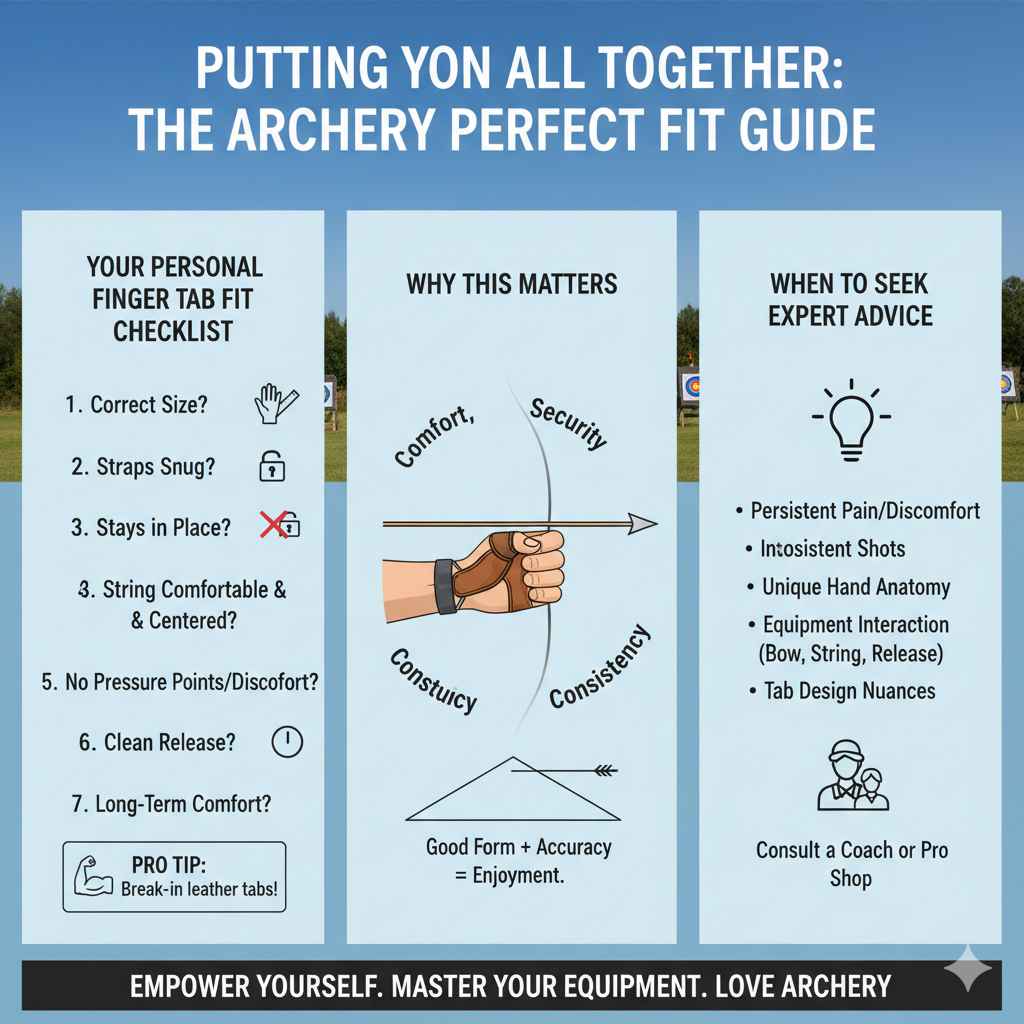
Achieving the perfect finger tab fit is all about comfort, security, and consistency. It’s a personal process. What feels right for one archer might not be ideal for another.
The How Should a Finger Tab Fit? Perfect Fit Guide is here to empower you to find your unique fit. By understanding the components, materials, and common issues, you can confidently adjust your tab.
Remember to start with the right size, secure the straps properly, and test the fit throughout your draw cycle. Don’t be afraid to make small adjustments. The goal is a tab that feels like a natural extension of your hand, allowing you to focus on the joy of shooting.
With practice, your tab will feel just right.
Your Personal Finger Tab Fit Checklist
To ensure you have the perfect fit, use this checklist. First, is the tab size correct for your hand measurements? If not, adjust or consider a different size.
Next, are the straps snug? They should hold the tab securely without cutting off circulation or causing discomfort. When you draw your bow, does the tab stay in place?
It should not shift, slide, or rotate on your fingers. Does the bowstring feel comfortable and centered on the tab? It should feel smooth and consistent, not pinching or digging.
Are there any pressure points or areas of discomfort? If so, try repositioning the tab or adding a small amount of padding like moleskin. After releasing the string, does it feel like it slid off cleanly and consistently?
Look for any red marks or irritation on your fingers after shooting. These are indicators that something needs adjustment. By going through these checks, you can fine-tune your tab for optimal performance and comfort.
Consider the texture of the tab where it contacts the string. It should be smooth enough for a clean release but not so slippery that the string slides prematurely. If you’re using a leather tab, make sure it’s adequately broken in.
A new, stiff leather tab can feel awkward and uncomfortable. You can help break in leather by flexing it gently or by wearing it for short periods. If you’re using a glove-style tab, ensure the finger stalls are also a good fit.
They should not be too loose or too tight. The overall goal is a seamless interaction between your hand, the tab, and the bowstring. This checklist helps you systematically evaluate and refine that interaction.
Finally, think about how your tab feels after an extended shooting session. Does the comfort remain consistent? Does it start to feel tight or uncomfortable as you shoot more?
This long-term comfort is crucial for enjoyment and endurance in archery. If discomfort arises over time, it might indicate a need for further adjustment or perhaps a different tab design altogether. The perfect fit is one that lasts throughout your practice or competition.
It’s a dynamic thing, sometimes requiring minor tweaks as you become more familiar with your equipment and shooting style. This checklist is your guide to achieving and maintaining that ideal state.
When To Seek Expert Advice
While this guide covers most common fitting situations, there are times when seeking expert advice is beneficial. If you’ve tried all the adjustments and still experience persistent discomfort, pain, or inconsistency in your shots, it’s a good sign to consult a professional. An experienced archery coach or a knowledgeable staff member at an archery shop can offer personalized insights.
They have seen many archers with different hand shapes and shooting styles and can quickly identify potential problems. They might spot a subtle issue with your form or equipment that you’ve overlooked.
For instance, if you have very sensitive skin, a specific hand condition, or unique finger anatomy, an expert might recommend specialized tabs or materials. They can also help you understand how your tab fit interacts with other aspects of your archery setup, such as your bow’s draw weight, your string material, and your release technique. Sometimes, a small change in tab placement or a minor modification can make a significant difference.
Don’t hesitate to ask for help. Most archery communities are very supportive, and experts are happy to share their knowledge to help fellow archers improve. Getting it right with expert guidance can save you time, frustration, and potentially prevent injuries.
An expert can also help you understand the nuances of different tab designs. For example, a coach might explain why a certain type of tab is better suited for a particular shooting style or bow weight. They can offer hands-on demonstrations and let you try out different options.
This firsthand experience under expert supervision can be invaluable. It’s not just about fixing a problem; it’s about gaining a deeper understanding of your equipment and how it contributes to your overall archery performance. Investing a little time with an expert can lead to significant improvements and a more enjoyable archery experience.
Frequently Asked Questions
Question: How do I know if my finger tab is too tight
Answer: If your finger tab causes pain, numbness, tingling, or restricts your finger movement, it is too tight. You should be able to draw your bow smoothly without any discomfort. Look for deep red marks on your fingers after shooting, as these indicate excessive pressure.
Question: Can I use my finger tab without a glove
Answer: Yes, many archers use finger tabs that are just a piece of material attached to straps, without a full glove. This is often referred to as a “tab.” The key is that the tab material protects your fingers from the bowstring.
Question: How often should I replace my finger tab
Answer: Finger tabs don’t need frequent replacement unless they are damaged or worn out. Look for signs of wear like fraying edges, thinning material, or straps that no longer hold securely. A well-maintained tab can last for a very long time.
Question: Will a finger tab help with arrow accuracy
Answer: Yes, a properly fitting finger tab is crucial for arrow accuracy. It helps ensure a consistent release of the bowstring, which is vital for sending the arrow straight towards your target. It also protects your fingers.
Question: Should my finger tab cover my whole finger pad
Answer: Generally, the finger tab should cover the area of your finger that contacts the bowstring. This is usually the first joint down from the fingertip. The exact placement can vary slightly based on personal preference and tab design.
Conclusion
Finding the perfect finger tab fit means your tab feels secure and comfortable. It should not move during your shot. The string should release smoothly every time.
With the right size and strap adjustments, you can achieve this. Your tab should feel like a natural part of your hand, helping you shoot better.