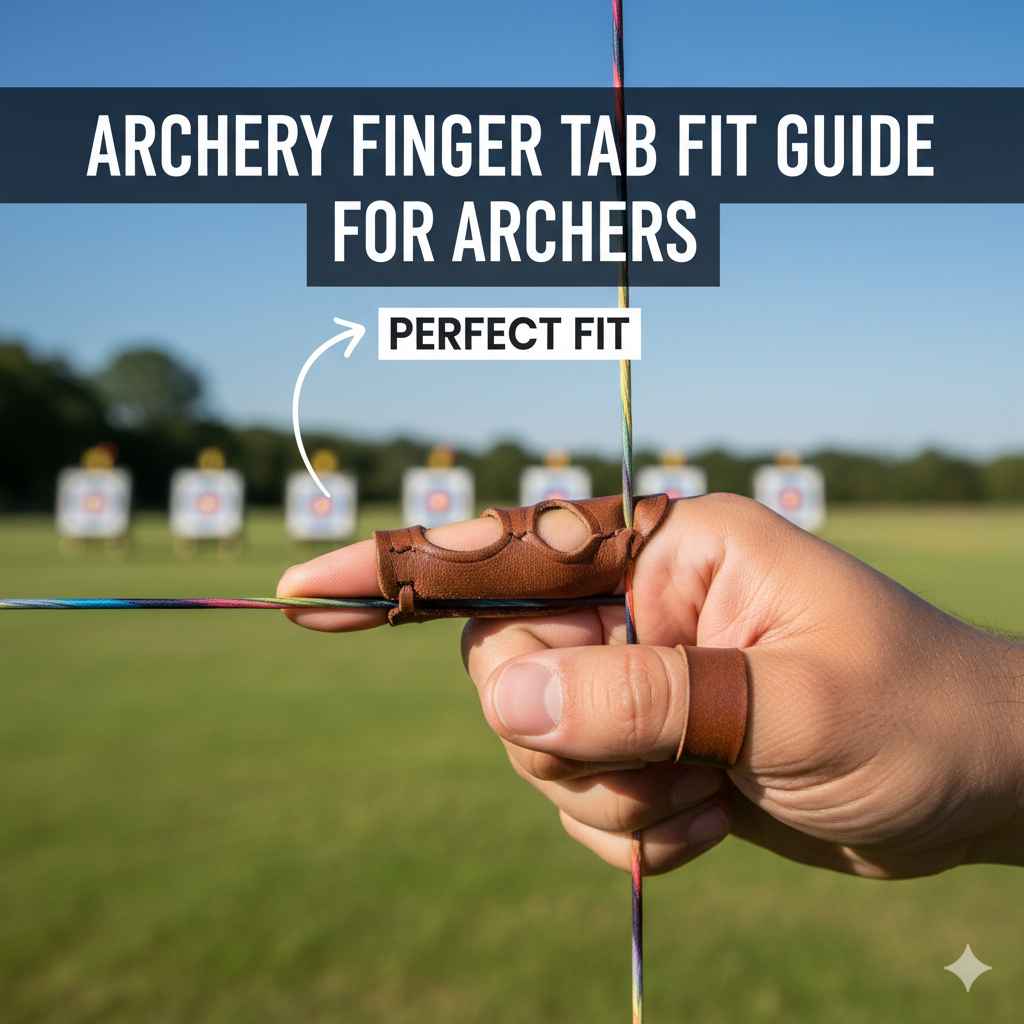
Archery Finger Tab Fit Guide For Archers
Getting your archery gear just right can feel tricky, especially when you’re just starting out. Many new archers wonder about the Archery Finger Tab Fit Guide (Perfect Comfort & Control). It might seem like a small thing, but a well-fitting finger tab makes a huge difference.
It can mean more accuracy and less discomfort during your shots. Don’t worry, though. We’ll walk you through finding the perfect fit step-by-step.
Let’s get your shooting hand feeling great.
Choosing Your Archery Finger Tab
Picking the right archery finger tab is the first step to a comfortable and effective shooting experience. Your finger tab protects your fingers from the bowstring and helps provide a clean release. Many archers, especially those new to the sport, often find themselves confused by the different materials, sizes, and styles available.
This guide aims to simplify that process, ensuring you get a tab that feels like an extension of your own hand.
Materials and Their Feel
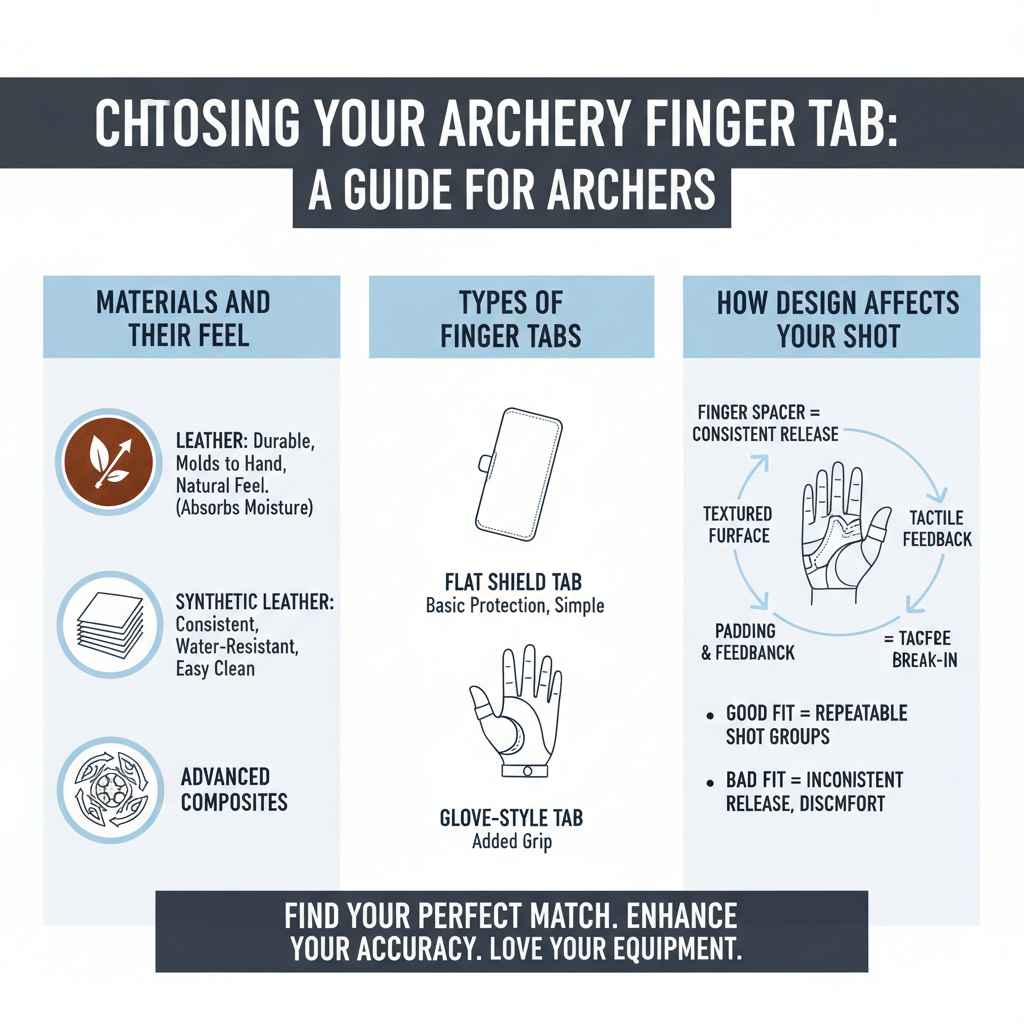
Finger tabs come in a variety of materials, each offering a unique feel and performance. The most common materials are leather, synthetic leathers, and sometimes more advanced composites. Leather is a classic choice, known for its durability and ability to mold to the archer’s fingers over time.
It offers a soft, natural feel against the skin. However, some archers find that leather can absorb moisture, which might affect its performance in humid conditions.
Synthetic leathers offer a good alternative. They are often more consistent in their feel and less affected by weather changes. Many synthetic options are designed to mimic the comfortable feel of real leather while adding benefits like increased water resistance and easier cleaning.
These can be a great option for archers who shoot in various environments or prefer a more uniform texture.
Advanced composite materials are also used, often in higher-end tabs. These might incorporate plastic or rubber elements for added rigidity or grip. They can offer a very precise feel for the bowstring, allowing for a clean and consistent release.
However, they may require a longer break-in period and can feel less forgiving than softer materials for beginners.
Types of Finger Tabs
There are several main types of finger tabs, each designed for slightly different preferences and shooting styles. The most basic is a simple shield or flat tab. This is often a single piece of material with a strap to hold it in place.
It provides a protective layer between your fingers and the string.
More advanced tabs may include a finger spacer. This is a small protrusion that rests between your drawing fingers, helping to keep them aligned and preventing them from overlapping. For archers who struggle with finger pinch or inconsistent string contact, a finger spacer can be a significant advantage.
It promotes a more uniform anchor point and release.
Another variation is the glove-style tab, which is essentially a finger tab attached to a glove. This offers a secure fit and can be preferred by archers who find separate tabs tend to shift during shooting. The glove itself provides some additional comfort and grip.
How Different Tab Designs Affect Your Shot
The design of your finger tab can directly influence your shooting form and the consistency of your release. A tab with a well-placed finger spacer, for example, can help ensure your three drawing fingers (usually the index, middle, and ring finger) maintain a consistent position against the bowstring. This uniformity is key to achieving repeatable shot groups.
The surface texture of the tab also matters. A slightly textured surface can provide a more tactile feel of the bowstring, allowing you to sense precisely when the string is about to be released. This feedback is invaluable for developing a smooth and controlled draw cycle and release.
Conversely, a very slick tab might make it harder to feel the string, potentially leading to an inconsistent or jerky release.
The overall shape and padding of the tab contribute to comfort. A tab that is too thin might not offer enough protection for repeated shooting, leading to finger fatigue or even string slap. On the other hand, a tab that is too bulky can interfere with your grip or your ability to draw the string smoothly.
Finding the right balance is essential for long shooting sessions and optimal performance.
The Perfect Archery Finger Tab Fit Guide
Finding the perfect fit for your archery finger tab is crucial for comfort, control, and consistent shooting. An ill-fitting tab can cause pain, hinder your release, and negatively impact your accuracy. This section will guide you through the essential steps to ensure your finger tab feels like a natural extension of your hand.
Measuring Your Hand for the Right Size
The first step to a great fit is accurate measurement. Most manufacturers provide sizing charts, so knowing your measurements is key. You’ll typically need to measure the length of your finger from the crease where your finger meets your palm to the tip of your finger.
You might also need to measure the width of your palm.
To measure finger length, extend your index, middle, and ring fingers. Use a flexible measuring tape or a piece of string. Start at the base of your middle finger where it joins your palm.
Gently curve the tape or string along the pad of your finger to the tip. Record this measurement for each drawing finger. Often, the middle finger measurement is the primary one used for sizing.
For palm width, measure across the widest part of your palm, usually just below your fingers. This measurement helps determine how well the main body of the tab will rest against your hand. Compare these measurements to the sizing guide provided by the tab’s manufacturer.
Don’t guess; precise measurements lead to a better fit.
Understanding Different Sizing Systems
Archery equipment manufacturers often use different sizing systems. Some might use standard small, medium, and large. Others might have more granular sizing based on specific measurements in inches or centimeters.
It’s vital to consult the specific brand’s sizing chart.
For example, one brand’s medium might correspond to a different finger length than another brand’s medium. Some tabs are adjustable with straps, which can offer a bit more flexibility. However, even with adjustable straps, the base size of the tab needs to be appropriate for your hand dimensions to ensure proper coverage and support.
Pay attention to how the sizing guide relates to the tab’s design. Some tabs have a more generous cut, while others are designed to be snug. If you are between sizes, it’s often recommended to try the larger size, especially if the tab is made of leather, as it can stretch slightly over time.
However, for synthetic materials, sticking to the closest measurement is usually best.
The Importance of a Snug Yet Comfortable Fit
A finger tab should feel snug, not tight. You want it to stay securely in place as you draw and release the bowstring, but it should never restrict blood flow or cause discomfort. A tab that is too loose will shift during your shot, leading to an inconsistent release and potential string slap.
A tab that is too tight will be painful and can affect your grip and draw cycle.
When you first put on the tab, try closing your hand into a fist. The tab should move with your fingers without bunching up or creating pressure points. Extend your fingers; the tab should lie flat and comfortably against your palm and fingers.
The adjustable strap should be firm enough to hold the tab securely but loose enough that you can easily adjust it.
Consider the area of your fingers that the tab covers. Most tabs are designed to protect the tips of your index, middle, and ring fingers. Ensure the material adequately covers these areas.
The backing of the tab should also rest comfortably against your palm, not digging in or feeling rough.
How to Test the Fit Before Buying
If possible, the best way to ensure a perfect fit is to try the finger tab on in person. Go to a reputable archery shop. Staff there can help you measure your hand and try on different sizes and models.
They can also offer advice based on your specific shooting style and preferences.
When trying on a tab, go through the motions of drawing a bow. Mimic your usual draw cycle. Feel how the tab interacts with your fingers and palm.
Pay attention to any areas of discomfort, rubbing, or pinching. Ensure the strap is easy to fasten and adjust. A good fit should feel secure and comfortable from the moment you put it on.
If you are buying online, read reviews carefully. Look for comments about sizing and fit. Many online retailers have detailed return policies, which can offer some peace of mind if the fit isn’t quite right.
Always measure your hand accurately before ordering.
Achieving Perfect Comfort and Control
Once you have found a finger tab that fits well, the next step is to understand how it contributes to overall comfort and control during your archery practice and competition. A properly fitted tab is not just about preventing pain; it’s about enabling a smooth, consistent, and powerful release that translates to improved accuracy and enjoyment of the sport.
The Role of the Finger Tab in Release
Your finger tab plays a vital role in how you release the bowstring. When you draw the string, it rests against the pads of your drawing fingers. The surface of the tab provides a contact point that is designed for a clean separation from the string.
A good tab ensures that when you let go, the string slides off smoothly and consistently.
A tab that is too small might not offer enough surface area, leading to the string digging into your fingers or a sloppy release. Conversely, a tab that is too large or bulky can get in the way, causing the string to snag or release unevenly. The goal is a clean, crisp release where the string leaves your fingers without any hesitation or deviation.
The material of the tab also affects the release. Some materials create a bit more friction, which can help some archers feel a more controlled tension before the release. Others are designed to be very slick, allowing the string to glide off with minimal resistance.
Your personal preference and shooting style will dictate which is best for you.
Comfort During Extended Shooting Sessions
Archery can involve many shots in a single session, whether for practice, training, or competition. Discomfort in your drawing fingers can quickly turn an enjoyable activity into a painful chore. A well-fitting finger tab provides essential padding and protection, absorbing the pressure from the bowstring.
Leather tabs are often praised for their comfort because they soften and conform to the archer’s fingers over time. This custom fit minimizes friction and reduces the risk of blisters or raw spots. Synthetic materials, when well-designed, can offer similar comfort, often with the added benefit of being less affected by sweat, which can also cause irritation.
The strap system is also important for comfort. It should be adjustable so you can get a secure fit without it digging into your wrist or the back of your hand. Some straps have a soft lining to prevent chafing.
A comfortable tab allows you to focus on your form and shot execution, rather than being distracted by finger pain.
Preventing String Slap and Injury
One of the most common injuries beginners experience is string slap, where the bowstring strikes the inside of your forearm as the arrow is released. While this is often due to form issues, a well-fitting and properly worn finger tab can help prevent some of the discomfort if minor contact occurs.
The primary role of the finger tab, however, is to protect the finger pads. The bowstring, under immense tension, can be quite harsh on bare skin. Repeated contact without protection will lead to soreness, calluses, and potentially painful blisters.
A good tab provides a consistent, protective barrier, making sure your fingers are shielded from the string’s force.
Ensuring the tab is securely fastened is key. If it slides around, it won’t offer consistent protection. Similarly, if the tab is too small and doesn’t cover the fingertips adequately, string contact will still be an issue.
This is why the Archery Finger Tab Fit Guide (Perfect Comfort & Control) is so important; it directly impacts your ability to shoot without injury and with confidence.
Improving Accuracy Through Consistent Release
The ultimate goal of a good finger tab fit is to enable a consistent and clean release. This consistency is what allows archers to group their arrows tightly on the target. When your release is the same every time, you can more easily identify and correct other factors affecting your accuracy, such as sight picture or draw length.
A tab that fits well and feels comfortable allows you to draw the bowstring back smoothly and hold it at full draw without feeling strain or anticipating the release. When you are ready to let go, the string should slide off your fingertips cleanly. This smooth slide minimizes any unintentional movement of the bow, which can send the arrow off course.
If your tab is uncomfortable or shifts, you might unconsciously alter your release. You might “pluck” the string, or hold on too long, or release it too abruptly. These inconsistencies are detrimental to accuracy.
A great fit, however, promotes a relaxed grip and a controlled, natural release, leading to better arrow placement.
Real-Life Scenario: Sarah’s First Tournament
Sarah was a new archer who loved her new bow but struggled with her finger tabs. They were a common size, but they always felt a bit loose. During her first local tournament, she noticed her shots were drifting.
After a few ends, her fingers were sore, and she found herself rushing her release to get it over with.
She spoke with a more experienced archer who noticed her tabs were shifting. The archer recommended she get properly measured at an archery shop. Sarah did, and discovered she needed a smaller size tab with a more adjustable strap.
After switching to the new tab, she immediately felt a difference. It was snug, comfortable, and her release became smoother. At her next tournament, her grouping improved significantly, and she no longer experienced finger pain.
The correct fit was a game changer for her confidence and performance.
Maintaining Your Archery Finger Tab
Just like any piece of equipment, your archery finger tab requires some care to ensure it continues to provide the best comfort and control. Proper maintenance will extend its lifespan and keep it performing optimally. This section covers the basics of keeping your tab in top condition.
Cleaning Your Finger Tab
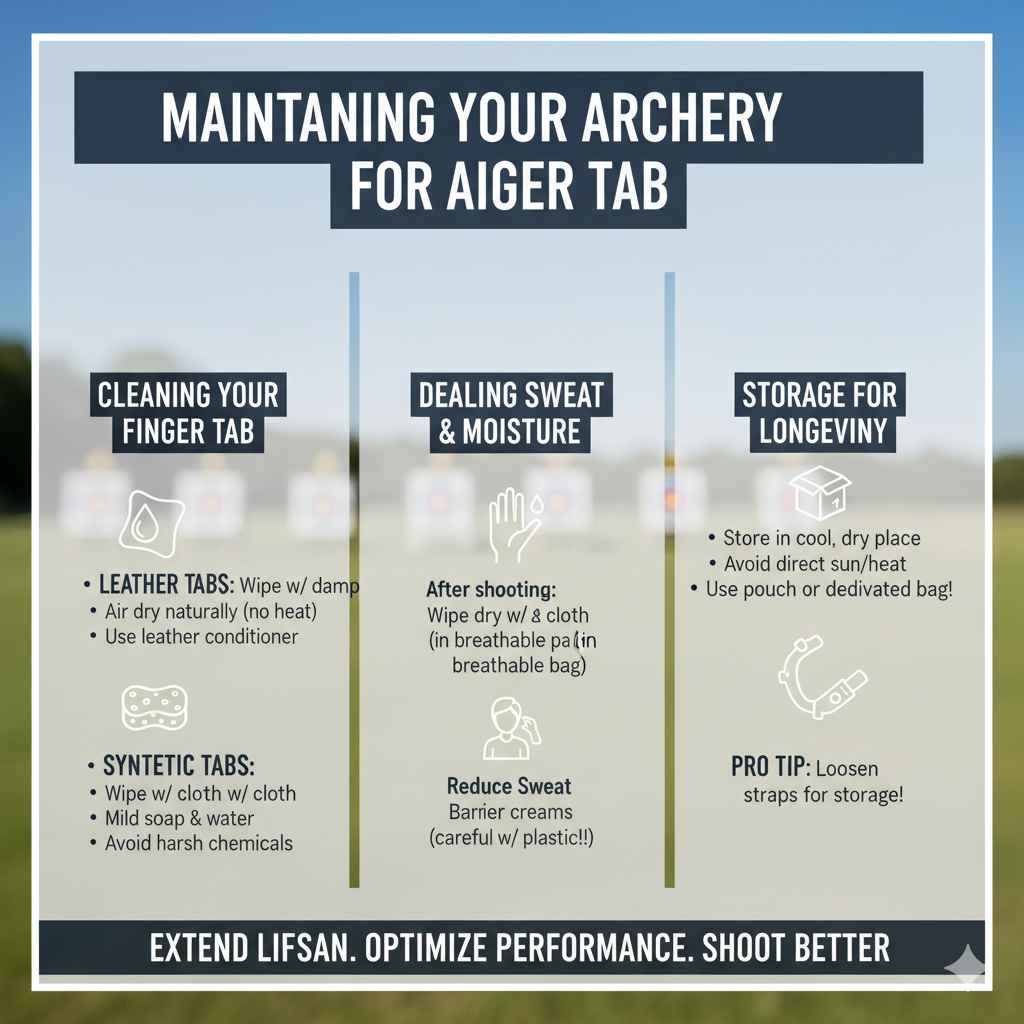
The frequency and method of cleaning will depend on the material of your finger tab. For most leather tabs, it’s best to keep them dry as much as possible. If they do get wet, allow them to air dry naturally, away from direct heat sources, which can cause leather to become stiff or crack.
If your leather tab gets dirty, you can usually wipe it down with a slightly damp cloth. For stubborn dirt, a specialized leather cleaner can be used sparingly. Always test any cleaner on an inconspicuous area first.
After cleaning, you might want to apply a leather conditioner to keep the material supple and prevent it from drying out.
Synthetic tabs are generally easier to clean. A wipe with a damp cloth is often sufficient. For more significant grime, mild soap and water can be used.
Ensure the tab is completely dry before storing it. Avoid harsh chemicals or abrasive cleaning tools, as these can damage the surface of the tab.
Dealing with Sweat and Moisture
Sweat and humidity are common enemies of archery equipment. For leather tabs, excessive moisture can cause them to stretch, become less durable, and even develop an odor. Synthetic tabs are usually more resistant to moisture, but prolonged exposure can still affect their material properties.
After a shooting session, especially in warm or humid conditions, it’s a good practice to wipe down your tab with a dry cloth. If it’s particularly damp, you can place it in a breathable bag with a desiccant pack to help draw out moisture. Never store a damp tab in a sealed plastic bag, as this can trap moisture and lead to mold or mildew.
Some archers use barrier creams or antiperspirant on their hands before shooting to reduce sweat. However, be cautious, as some of these products can transfer to the bowstring or tab, affecting their grip and longevity.
Storage for Longevity
Proper storage is key to prolonging the life of your archery finger tab. When not in use, store your tab in a cool, dry place. Avoid leaving it in direct sunlight or in a hot car, as extreme temperatures can degrade the materials.
A simple pouch or a dedicated compartment in your archery bag is ideal. If your tab has adjustable straps, loosen them slightly before storage. This prevents the elastic or leather in the straps from being constantly stretched, which can cause them to lose their elasticity over time.
For longer periods of storage, ensure the tab is clean and completely dry. If you have a leather conditioner, applying a light coat before storing can help protect the material. By taking these simple steps, you ensure your finger tab remains in excellent condition, ready for your next shooting session.
Sample Scenario: A Tab That Lasts Years
Mark has been shooting archery for over five years and is still using his original leather finger tab. He bought it after carefully following an Archery Finger Tab Fit Guide (Perfect Comfort & Control) and ensuring it was the right size. He shoots regularly, at least twice a week, in various weather conditions.
His secret to the tab’s longevity? Consistent care. After every session, he wipes it down.
If it gets significantly wet from rain, he lets it air dry slowly. Once a year, he applies a small amount of leather conditioner. He stores it in a soft pouch inside his archery bag, away from heat and direct sun.
This simple routine has kept his tab comfortable, protective, and functional, proving that good maintenance makes a big difference.
Frequently Asked Questions
Question: What is the best material for an archery finger tab
Answer: The best material depends on personal preference. Leather is popular for its feel and ability to mold to the hand, while synthetic materials offer durability and weather resistance. Many archers find a balance with high-quality synthetic leathers.
Question: How do I know if my finger tab is too tight
Answer: A finger tab is too tight if it restricts blood flow, causes numbness, leaves red marks on your fingers after shooting, or makes it difficult to close your hand. It should feel snug, not constricting.
Question: Can I use a shooting glove instead of a finger tab
Answer: Yes, shooting gloves serve a similar purpose. Some archers prefer gloves for their all-around comfort and security, while others prefer the specific feel and control offered by a separate finger tab.
Question: How often should I replace my archery finger tab
Answer: A well-maintained finger tab can last for many years. You should consider replacing it when the material becomes worn, cracked, or loses its protective qualities, or if the fit is no longer secure.
Question: What is string pinch and how does a finger tab help
Answer: String pinch occurs when your fingers or the tab press against the bowstring during the release, causing it to deform. A properly sized and fitted tab helps ensure your fingers are positioned correctly to minimize contact and allow for a clean string release.
Conclusion
Finding the right archery finger tab fit is key to comfort and better shooting. This guide showed you how to measure, test, and understand what makes a good fit. A tab that feels great protects your fingers and helps you release the string smoothly every time.
Keep your tab clean and store it well. With the right fit, you’ll shoot with more confidence and enjoy archery even more.