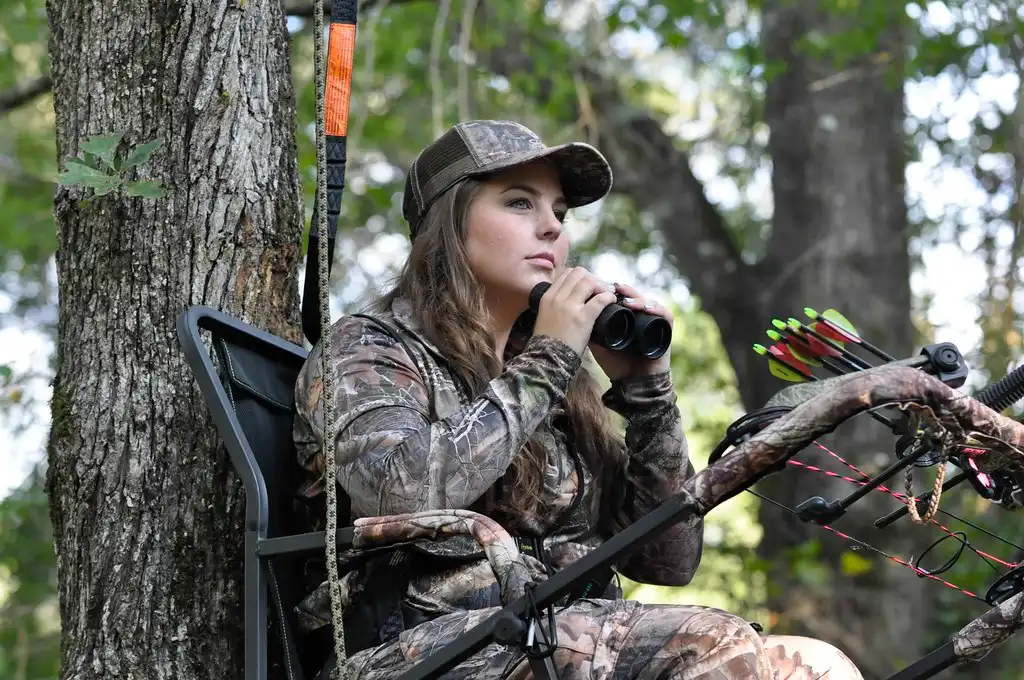
Mossy Oak vs Realtree for Bowhunting: Camo Guide Chart
For bowhunting, start with your setup. Realtree often fits mixed timber and open edges, while Mossy Oak often fits denser cover and classic woodland. In late season, pattern matters less than stillness and face concealment. Get this wrong and you can buy the right brand for the wrong background, then get picked off at bow range. This guide ranks Mossy Oak vs Realtree by treestand, ground blind, open-country, timber, and late-season use, then shows what matters more than the pattern.
This guide is part of our Hunting gear comparisons for archers series.
Which is better for bowhunting, Mossy Oak or Realtree?


| Decision factor | Mossy Oak | Realtree for bowhunting | Winner |
|---|---|---|---|
| Best background match | Strong fit for timber and bottomland looks; also has patterns for early-season, late-season, open-country, and waterfowl use cases. | Strong fit for detailed timber, early-season green, late-season gray, heavy hardwoods, and open western terrain. | Tie |
| Best use case at bow range | Dense cover, dark timber, bottomland, and setups that need softer woodland breakup. | Mixed woods, gray late-season hardwoods, field edges, and open terrain where photo-realistic breakup helps. | Tie |
| Pattern family breadth | Broad line for multiple seasons and some non-bow categories like waterfowl. | Broad line with early-green, late-gray, timber, hardwoods, and western terrain options. | Tie |
| Typical bowhunter risk if chosen poorly | Too much dark pattern in leaf-off gray woods can look heavy. | Overly leafy green prints can stand out in brown late-season timber. | Tie |
| Best first non-pattern buy | Face mask or face paint, then gloves, then quiet fitted layers. | Face mask or face paint, then gloves, then quiet fitted layers. | Tie |
Mossy Oak vs Realtree: the real trade-off
The real question is not which logo looks better. It is which pattern family matches the background you actually hunt. Mossy Oak built its name on timber and bottomland looks, while Realtree grew up on detailed, photo-realistic timber patterns and now spans early-green, late-gray, hardwood, and western uses.
At bow range, that background match matters only after stillness and outline control. A solid human shape is easier for a deer to sort out than a logo, especially when the hunter leans, draws, or shifts weight in a treestand or blind.
Why close-range bowhunting changes the decision
Archery shots often happen at distances where small motion errors matter most. A deer can forgive a lot of pattern mismatch if the hunter is frozen and broken up against cover, but a slow draw or a visible face turns the setup into a problem fast.
That is why brand choice should follow setup and season. A camo print that matches the tree line but adds noise, poor fit, or a bright face gap still loses at bow range.
Does deer vision make camo brand matter?
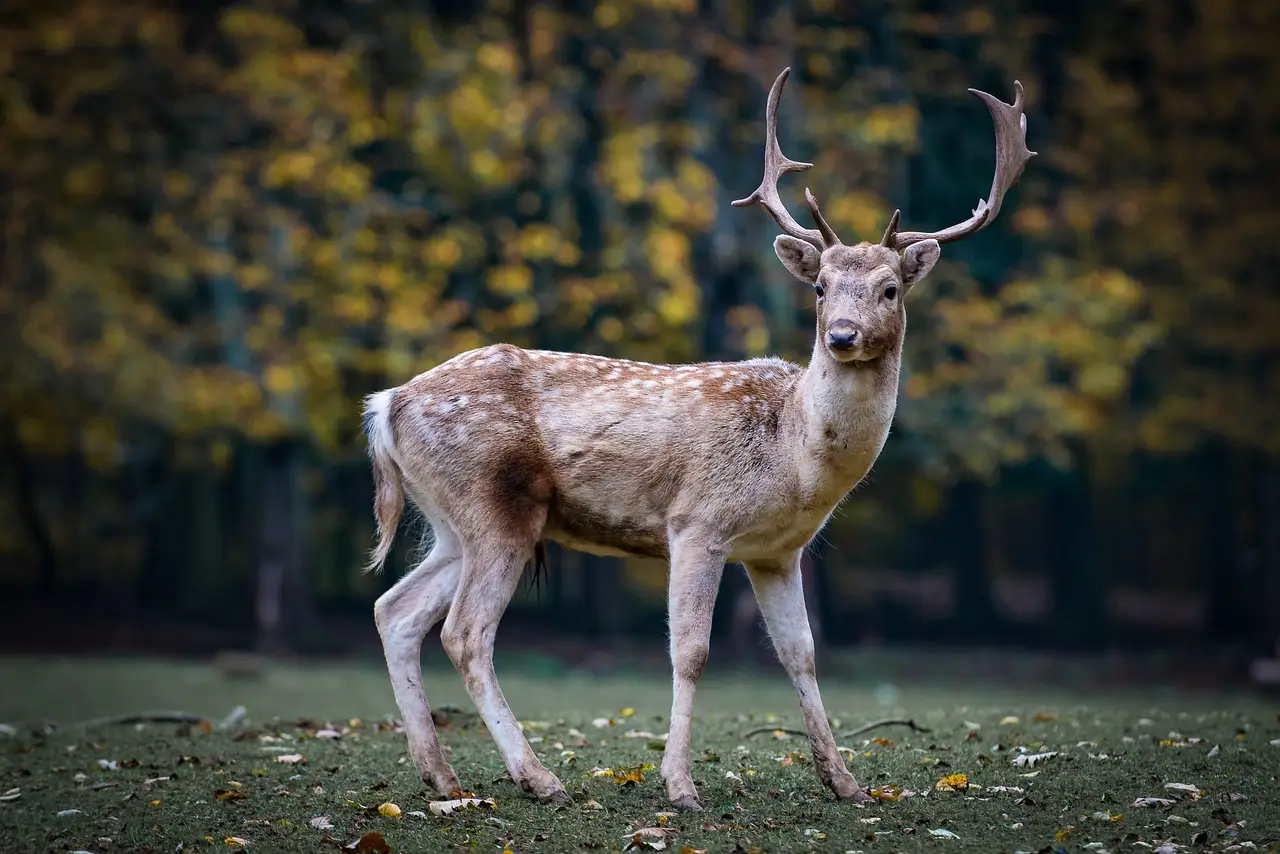
Deer vision matters, but it is not as simple as saying they are completely blind to color. Whitetails are dichromats, not trichromats, and they see blues and greens well while perceiving reds and oranges poorly. That means brand name matters less than background tone, outline breakup, and motion control.
What deer notice first at bow range
Movement is the number-one giveaway in the woods. A deer does not need perfect pattern recognition to catch a head turn, a bow arm lift, or a bright hand against gray bark. If the body moves cleanly into the shot window, the best print in the world becomes secondary.
Blue and green sensitivity also helps explain why leafy early-season patterns can work well in green cover, while gray and brown late-season woods call for less saturated, less leafy looks. Reds and oranges matter less than people think, but a poor background match still leaves a clear human outline.
Why red and orange matter less than movement
Deer poorly perceive reds and oranges, but that does not make camouflage optional. It simply means a hunter should stop treating camo like fashion and start treating it like outline control. A quiet bowhunter in a so-so print beats a noisy hunter in a perfect one.
Suppose a treestand hunter wears a leafy green jacket in a leaf-off oak ridge. The deer may not care about the red threads in the logo, but it can still catch the straight shoulder line and the hand that comes away from the tree.
Should you choose camo by terrain or by brand?
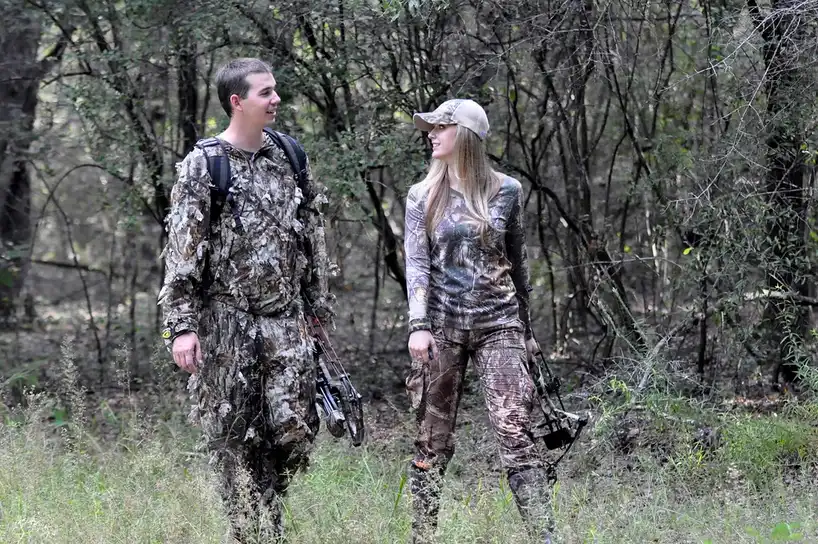
Choose by terrain and season first. Brand comes second. A common mistake is wearing one all-purpose print everywhere, even though early-season green cover, late-season gray-brown hardwoods, fields, marsh, and open western ground all ask for different visual tones.
Early-season green cover
Early season favors green, shaded, and leafy backgrounds. Realtree’s early-season green options fit that use case well, and Mossy Oak also offers early-season patterns that work in brushy cover and timber edges. The better print is the one that disappears into the actual canopy behind the shooter.
Late-season gray and brown cover
Late season changes the game. Leaf-off hardwoods, frosty edges, and brown grass reduce the value of bright leaf shapes and make gray-brown breakup more useful. Realtree’s late-season gray patterns are a strong match here, while Mossy Oak’s late-season options can work when the woods are darker or more bottomland-heavy.
Heavy timber, bottomland, fields, marsh, and open western ground
Heavy timber and bottomland usually reward darker woodland tones and more muted breakup. Fields and marsh often need broader, brighter background matching than a deep timber print, and open western ground usually calls for patterns that do not look too forest-heavy. Mossy Oak and Realtree both cover these zones, but the best pattern family is the one that fits the habitat first.
What matters more than the pattern for bowhunting?
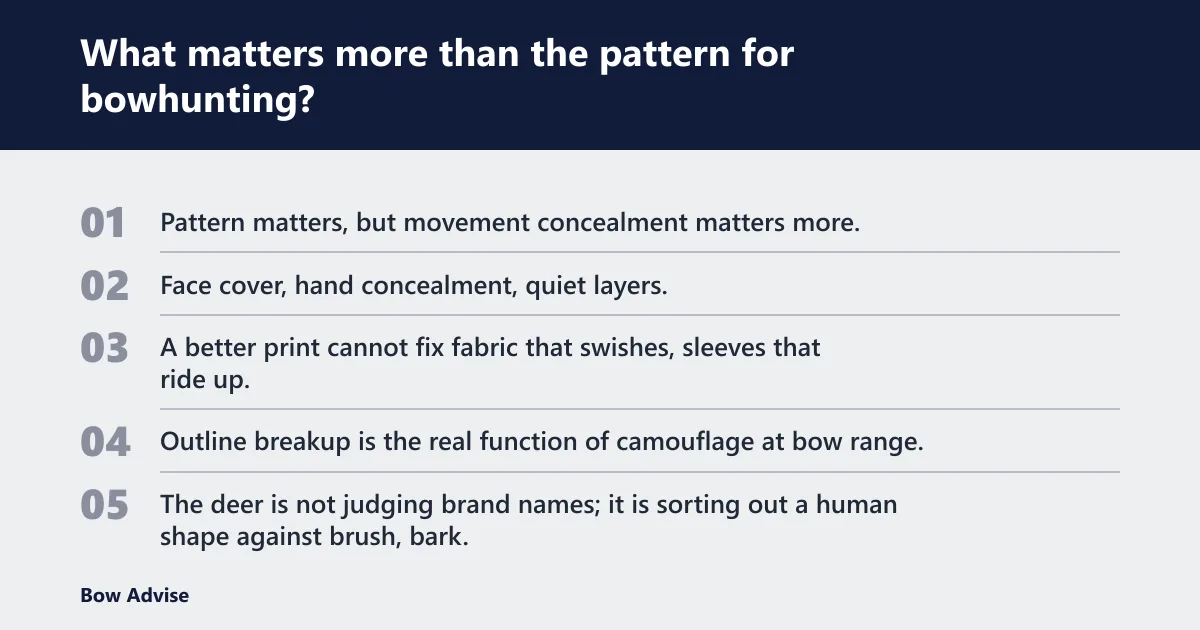
Pattern matters, but movement concealment matters more. Face cover, hand concealment, quiet layers, and a good fit often decide whether a deer spots the hunter before the shot. A better print cannot fix fabric that swishes, sleeves that ride up, or a pale face left in the open.
Movement concealment and outline breakup
Outline breakup is the real function of camouflage at bow range. The deer is not judging brand names; it is sorting out a human shape against brush, bark, grass, and shadow. If the outline stays broken and the hunter moves inside the cover’s natural rhythm, pattern choice gets more forgiving.
A common first-timer mistake is spending heavily on a premium pattern and then wearing a jacket that binds at full draw. The fabric may look right on the hanger, but a tight shoulder or noisy cuff can give the shot away before the arrow leaves.
Face mask or face paint
Face concealment often matters more than jacket pattern in many setups. A face mask or face paint reduces face contrast, which is one of the sharpest human cues in a tree stand, blind, or brushy ground setup. If the face shines or turns into a bright oval, the rest of the camo does less work.
Gloves and hand flash
Gloves reduce hand flash and help break the human outline. Hands move often during a bow setup, and bare skin can pop against bark or snow even when the clothing pattern is good. In late season, gloves also help keep fingers warm enough to avoid fidgeting.
Quiet, well-fitting layers and weather protection
Quiet, well-fitting hunting clothing is a bigger upgrade than switching between comparable camo families. Fit affects draw comfort and visible bunching, fabric noise affects movement, and warmth and weather protection affect whether the hunter stays still. If the clothing is noisy or loose in the wrong places, the print will not save the setup.
A practical buying order is to start with pattern fit to the background, then choose quiet fabric, then add face cover, then gloves. Scent control matters too, but scent does not replace visual concealment at bow distance.
Bowhunting camo decision table: pick the pattern family by setup
This table turns the brand choice into a setup choice. Start with where the deer will see you, then match season color and concealment priority, then buy the first non-pattern item that fixes the biggest visual problem.
| Setup type | Season | Background color | Concealment priority | Better pattern family | First non-pattern item to buy |
|---|---|---|---|---|---|
| Treestand in timber | Early season | Green canopy, shaded bark | Outline breakup and quiet fabric | Realtree or Mossy Oak; pick the timber-oriented pattern that matches the local woods | Face mask |
| Treestand in leaf-off hardwoods | Late season | Gray, brown, and bare trunks | Gray-brown background match | Realtree late-season gray or a muted Mossy Oak late-season pattern | Gloves |
| Ground blind over fields or marsh | Any open season | Reeds, grass, field edges | Blend with broad, open background | Mossy Oak open-country or waterfowl-oriented patterns; Realtree open terrain patterns can also fit | Face cover |
| Spot-and-stalk in open country | Fall transition | Tan, brush, mixed rock, sage | Reduce outline at movement points | Realtree open western terrain patterns | Quiet, fitted outer layer |
| Bottomland edge or swamp timber | Early to mid season | Dark trunks, shadow, water reflection | Dark woodland breakup | Mossy Oak timber and bottomland styles | Face mask |
Choose Mossy Oak if… / Choose Realtree for bowhunting if…
Choose Mossy Oak if your hunts are timber-heavy, bottomland-heavy, or centered on darker woodland backgrounds. Choose Realtree for bowhunting if you want photo-realistic timber, early-green hardwoods, late-gray leaf-off cover, or open terrain options that stretch beyond classic woods camo.
Choose Mossy Oak if…
Choose Mossy Oak if you spend most of your season in dense cover, bottomland, swamp timber, or other shaded woods where darker woodland tones blend well. It also fits hunters who want a brand family with early-season, late-season, open-country, and waterfowl options under one label.
Choose Realtree if…
Choose Realtree if your setup changes from green leaves to gray trunks, or from heavy timber to field edges and open western ground. It is also a strong choice for hunters who want detailed, photo-realistic timber looks and easy access to early-green and late-gray pattern families.
Frequently asked questions
Which is better for bowhunting, Mossy Oak or Realtree?
Neither brand is the universal winner. Mossy Oak often fits denser timber and bottomland looks, while Realtree often fits detailed timber, early-green woods, late-gray hardwoods, and open terrain. The right answer depends on your actual background, season, and how much movement your setup allows.
Does deer vision make camo brand matter?
Yes, but less than most people think. Deer are dichromats, not trichromats, and they see blues and greens well while perceiving reds and oranges poorly. That means brand choice matters mainly for background match and outline breakup, not because the deer is judging a pattern like a person would.
Which Mossy Oak pattern is best for early season?
The best early-season Mossy Oak pattern is the one that matches the local green cover and the hunter’s setup. Early foliage, shaded timber, and field-edge brush reward green and leaf-focused patterns, while darker bottomland-style looks work better where shadows and trunks dominate the view.
Which Realtree pattern works best in late season?
Realtree’s late-season gray options are the clearest fit for leaf-off hardwoods, frosty woods, and brown-gray cover. That said, the right choice still depends on the exact background. A late-season gray pattern can outwork a leafy green one very quickly once the canopy drops.
What matters more than camo pattern for bowhunting?
Movement matters most. After that come face concealment, hand concealment, quiet fabric, and fit. A good pattern on a loud jacket with a bright face gap is weaker than an average pattern on a still hunter wearing a mask, gloves, and quiet layers that do not bind at draw.
What should I wear besides camo to stay concealed while bowhunting?
Start with a face mask or face paint, then add gloves, then pick quiet, well-fitting layers with enough warmth and weather protection to stay still. Those pieces reduce contrast and noise, which often matter more at bow range than the logo on the chest or sleeve.