Bow Sling vs No Sling: Does It Help or Hurt on the Hunt?
Use a sling when dropping the bow would cost you most: a treestand, steep ground, thick cover, or long carries that wear out the bow hand. Skip it when the strap slows your draw or increases snag risk. A poor setup can add noise, delay the shot, or catch a limb at the worst time. This guide compares sling and no-sling setups for treestands, blinds, spot-and-stalk, and recurve bows, with field-use tradeoffs and setup checks.
| Decision factor | Bow Sling | No Sling | Winner |
|---|---|---|---|
| Bow retention during an accidental slip | Higher retention; helps keep the bow from hitting the ground | Nothing added between hand and bow | Bow Sling |
| Noise risk | Can add noise from nylon, plastic clasps, buckles, or hard parts | No sling hardware to rattle or click | No Sling |
| Hand fatigue on long carries | Can reduce fatigue while carrying the bow in the field | Requires direct hand carry the whole time | Bow Sling |
| Shot consistency if poorly adjusted | Can alter hand position if set too tight or too loose | No strap to change grip geometry | No Sling |
| Hands-free carry | Designed as a hands-free way to carry your bow | No hands-free carry aid | Bow Sling |
| Setup simplicity | Needs fit check and silent-on/off practice | Fewer parts to adjust | No Sling |
The sling trade-off: carry security versus shot quality
The trade-off is direct: a sling gives retention and carry comfort, while no sling removes hardware that can rattle, snag, or shift the grip. It is not a universal accuracy upgrade. It matters most when the cost of a dropped bow is higher than the cost of one more thing to manage.
Retention versus transport
A bow sling is a hands-free way to carry your bow, and that matters when a steep climb, a pack-out, or a climb into a stand makes a slip more expensive. No sling keeps the bow cleaner and simpler in the hand, but it also leaves the riser, quiver, sight, and cams fully exposed if the grip fails.
Picture a hunter easing into a treestand with gloves on and a quiver mounted. One hand is busy on the ladder, the other steadies gear. A sling lowers the chance that a brief slip turns into a bow drop.
Shot execution versus carry comfort
A sling can help a relaxed grip and steady follow-through if it is adjusted so it does not pull the hand into a new position. That is where some of the grip benefit comes from. But if the strap shifts the wrist angle or catches at the draw, the shot can feel different and less clean.
No sling keeps the shot picture plain. For disciplined shooters with a stable grip habit, that may be the better choice because it removes one more variable from the release.
Noise and hardware
Noise is the main reason some hunters skip a sling. Nylon slings and plastic clasps can make noise, and buckles can tap a riser or clothing when the bow moves. Some designs also use metal or hard plastic parts that are easy to hear in a still blind or a quiet timber edge.
That risk does not mean every sling is loud. It means the sling should be treated as part of a quiet hunting setup, with silent on/off practice and hardware that does not click when the bow comes up or goes back down.
Bow sling decision matrix
| Hunter profile | Tree stand height | Hike distance | Bow drop consequence | Noise sensitivity | Hand fatigue | Grip change | Recommendation |
|---|---|---|---|---|---|---|---|
| Treestand compound | High | Short to moderate | High | High | Moderate | Possible if poorly fitted | Bow Sling |
| Western spot-and-stalk | Low | Long | Moderate to high | Moderate | High | Possible but manageable | Bow Sling |
| Blind hunter | Low | Short | Moderate | High | Low to moderate | Low if kept simple | No Sling |
| Recurve hunter | Varies | Moderate | High | Moderate | Moderate | Low with finger sling setup | Bow Sling |
Treestand compound: The drop cost is high because elevation raises the damage risk if the bow slips. A sling earns its place here if it stays quiet and does not shift the grip. The main job is retention, not accuracy gain.
Western spot-and-stalk: Long hikes make a sling more attractive because carry fatigue builds over distance, and a bow can brush rocks, brush, or pack straps. The sling should be simple and quiet; anything that catches when moving fast over uneven ground works against the advantage.
Blind hunter: The carry benefit shrinks when the bow rides short distances from vehicle to blind. In a blind, the noise penalty can matter more than the retention benefit, especially if the bow rests nearby and does not need to hang from the hand for long.
Recurve hunter: Recurves often benefit from secure retention because the bow is carried and handled differently from many compounds, and a finger sling can fit the setup cleanly. Retention matters, but the sling must not interfere with the hand position that supports the shot.
What does a bow sling actually do?
A bow sling gives the hunter a hands-free way to carry the bow and adds a layer of retention if the bow slips. It can also support a relaxed grip, which may reduce torquing, but only when it is adjusted so the hand still lands in the same place for the shot.
Keep one idea clear: carry aid first, shot aid second. If the sling changes how the hand sits on the grip, the setup is wrong.
Hands-free carry and accidental slip protection
Three main categories cover most sling setups: wrist, shoulder, and backpack. Wrist slings are the most common bow sling type. Shoulder slings use a single strap worn over the body, and backpack slings transfer the weight of the bow to the pack.
Some designs attach through riser hooks or pack draw straps. That detail matters because the attachment point changes how much the sling helps with retention, transport, and movement through brush.
Relaxed grip without a forced grip change
A good sling can stop the shooter from death-gripping the bow, which is why forum users often recommend a wrist sling for hunting. A few also call it a cheap insurance policy. Those points hold only if the sling is adjusted so the bow still settles naturally in the same hand position at full draw.
Suppose a hunter uses a wrist sling that is tight enough to pull the heel of the hand away from the grip. The bow may feel secure, but the shot changes. The right fix is not “pull harder”; it is loosening or repositioning the sling until it supports the hand without steering it.
Which sling type fits your hunt?
The right sling depends on how the bow is carried, not just on whether the hunter likes a strap. Wrist slings suit the most common hunting setup, shoulder slings suit body-worn carry, and backpack slings make the most sense when a pack is already on the back.
Wrist sling
A sling may help prevent gripping and torquing if adjusted correctly. It works with compound bows and recurve bows, and it can help prevent gripping and torquing if it is adjusted correctly. That adjustment matters because a loose sling can slap the riser, while a tight one can alter hand position.
Shoulder sling
A shoulder sling is a single strap worn over the body. It feels closer to a rifle-style carry and can be fitted with paracord or padded cam and string covers on some setups. That design can help on long carries, but it also adds more strap to manage around the chest, pack straps, and clothing.
Backpack sling
A backpack sling transfers the weight of the bow to the pack, and it fits best for hunters already wearing a backpack. Because the bow is tied into the pack system, it can help on long hikes and steep climbs. The trade-off is that the pack and sling must work together cleanly, or the bow becomes awkward to remove when the shot comes.
Do compound bows need a sling as much as recurves?
Compound bows do not need a sling in the same way a recurve often does, but they can still benefit from one in the right hunt. Some compound setups can jump forward on release depending on bow design. A wrist sling or finger sling can help, but it should not force a different hand angle.
Compound bow
On a compound, the sling is usually about control during carry and a calmer grip at the shot. The bow may be easier to hold steady without squeezing it, but only if the sling does not tug the riser or interfere with how the hand relaxes after the release.
Recurve bow
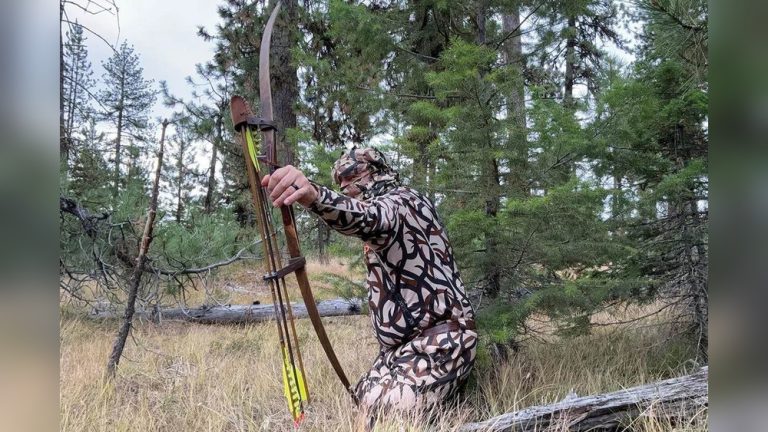
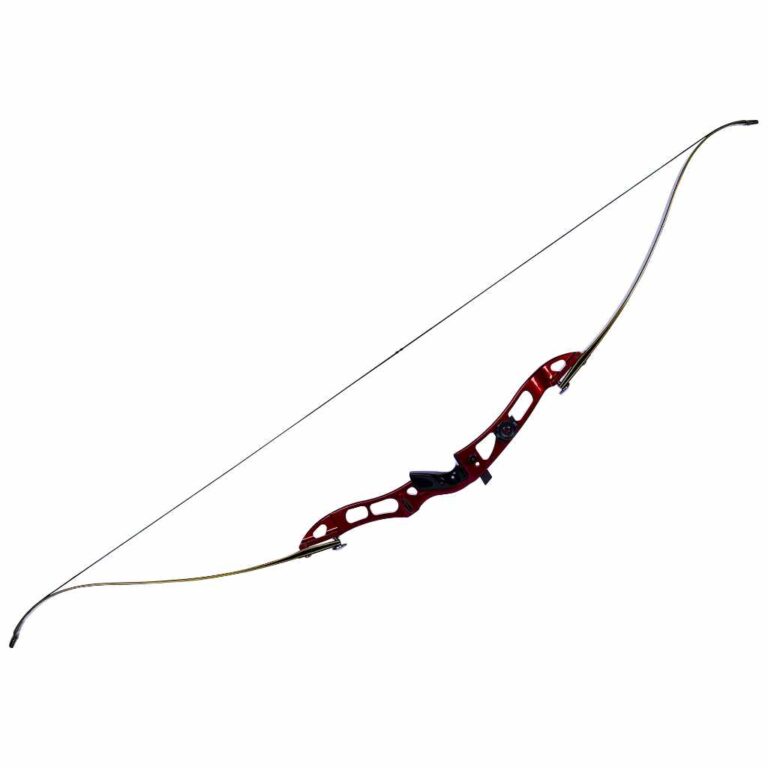
A recurve bow is more likely to benefit from secure retention because the grip and follow-through depend so much on a clean, open hand. Finger sling compatibility is a plus here. The sling should support the bow, not change the hand position that the archer uses to let the bow jump cleanly forward.
Will a bow sling help in a tree stand?
Yes, a sling often helps most in a tree stand because the bow-drop consequence is high and quiet retention matters more at elevation. The higher the stand, the more costly a slip becomes. A sling can also reduce the fear of dropping the bow, which can keep the hand from clamping down too hard.
High-drop consequence and quiet retention
Tree stand hunting puts the bow in the worst possible place for a slip. A bow that falls from height can be damaged by the platform, rail, ladder, or ground below. That is why a sling is more valuable here than on a short walk from truck to blind.
Fear of a drop changes handling
A common first-timer mistake is to hold the bow too tightly because dropping it feels risky. That grip tension can become a shot problem. A sling can reduce that pressure, but only if the hunter practices drawing, resting, and regripping without the strap changing the shot lane.
Choose Bow Sling if… / Choose No Sling if…
Choose Bow Sling if the hunt involves a tree stand, steep ground, thick brush, or a long hike that makes hand fatigue more likely. It is also the better pick when the bow has bulky sights, a quiver, or other parts that make a drop more costly. A sling is the safer call when the hunter needs hands-free carry for part of the approach.
Choose No Sling if the shot needs the fewest moving parts, the terrain is low-risk, and the carry distance is short. It also fits disciplined shooters with stable grip habits who do not need extra retention or strap management. If hardware noise or grip change matters more than carry aid, no sling is the cleaner choice.


Frequently asked questions
Does a bow sling improve accuracy on the hunt?
A bow sling does not automatically improve accuracy. It may help by reducing grip pressure and torquing, but that only works when the sling is fitted so it does not move the hand or change the feel of the grip. For some hunters, the biggest gain is confidence, not tighter groups.
Can you hunt without a bow sling and still shoot well?
Yes. A hunter can shoot well without a sling if grip habits are steady, carry distance is short, and the bow is not likely to be dropped. In that case, removing the strap also removes noise, fitting time, and any chance of the sling changing the shot feel.
Is a wrist sling or shoulder sling better for bowhunting?
A wrist sling is the better all-around choice for most bowhunters because it is the most common style and usually stays out of the way. A shoulder sling is better when the goal is body-worn carry over longer distances. The right pick depends on whether the hunter wants shot support or transport support.
Will a sling help if I hunt from a tree stand?
Yes, especially if the stand is high and the bow is expensive to drop. Tree stand hunting raises the cost of an accidental slip, so retention matters more there than on flat ground. The sling should still be quiet, because hardware noise can matter in close quarters above the woods.
Does a bow sling add noise or weight in the field?
It can. Most slings weigh only a few ounces, but that still matters to some hunters. Noise from nylon slings, plastic clasps, buckles, and similar hardware can matter in close quarters. A quiet setup usually needs practice both putting the sling on and taking it off silently.
How should I adjust a bow sling so it does not affect my shot?
Set the sling so the bow stays secure without pulling the hand into a different place on the grip. The strap should support the hand, not steer it. Then practice the draw, anchor, release, and regrip cycle until the sling does not change where the bow settles.
What type of sling works best for long hikes while bowhunting?
A backpack sling is the best fit when the hunter is already wearing a pack, because it transfers bow weight to the pack. A shoulder sling is the next option for body carry, while a wrist sling is usually more about keeping the bow secure in the hand. For long hikes, the pack-based carry is the easiest on the arm.