How Long to Become Proficient at Traditional Archery: Expert Timeline
Traditional archery has a special place in history, sport, and even in popular imagination. The quiet focus, the feel of wood and feather, and the challenge of mastering a simple, elegant tool draws many people in. But a common question arises early: How long does it take to become proficient at traditional archery? This question is not simple. “Proficient” means different things to different people. For some, it’s being able to consistently hit a target at 20 yards. For others, it’s hunting ethically, winning local tournaments, or shooting with confidence in various conditions.
Let’s look closely at what affects your journey, what realistic timelines look like, and what you can do to improve faster, without hype or empty promises. Whether you are just curious or already holding your first bow, you’ll find practical, honest guidance here.
What Does “proficient” Mean In Traditional Archery?
Most people want to know when they’ll stop feeling like a beginner. In traditional archery, proficiency usually means:
- Consistently hitting your target at a set distance (often 15-30 yards)
- Understanding your equipment and how to tune it
- Shooting safely and with good form
- Handling basic weather and field conditions
- Fixing simple mistakes on your own
For some, proficiency is measured by scores at a local club or being able to hunt ethically. For others, it’s the personal satisfaction of steady improvement. This variety means there’s no single “finish line. ” Still, most people recognize when they’ve crossed from beginner to skilled shooter.
Key Factors That Affect Your Learning Speed
Everyone progresses at their own pace, but a few key factors make a big difference. These are the areas where effort pays off fastest.
1. Practice Frequency And Quality
Regular, focused practice is more important than raw talent. Shooting once a week is better than once a month, but daily practice, even for 15 minutes, builds muscle memory much faster. However, mindless repetition can build bad habits. It’s better to shoot 20 arrows with focus than 100 arrows without thought.
2. Coaching And Feedback
Learning on your own is possible, but good coaching cuts months off your learning curve. Coaches spot form errors you can’t see. Even an experienced friend or club member can help. Video feedback (watching yourself shoot) is also very effective.
3. Equipment Fit And Setup
A poorly fitted bow or mismatched arrows will slow you down. Traditional bows should fit your draw length, strength, and hand size. Arrows need to match the bow’s “spine” (flexibility) and your style. Small mistakes here lead to big frustration.
4. Physical Condition
Archery uses specific muscles, shoulders, back, and core. If you’re active or have experience with other sports, you may find it easier at first. But archery is gentle enough for most ages and fitness levels.
5. Mental Approach
Focus and patience are as important as strength. Rushing to shoot “fast and hard” usually causes poor habits. Archery rewards those who slow down and think about each shot.
Pro Tip: Track your sessions in a notebook. Write down what felt good, what was difficult, and any changes you tried. Over time, you’ll spot patterns and improve faster.
Realistic Timelines: How Long Does It Take?
There’s no magic number, but based on interviews with coaches, club shooters, and my own experience, here’s a realistic range for most adults who practice regularly.
| Stage | Skill Level | Typical Time (With Regular Practice) |
|---|---|---|
| Beginner | Learning safety, basic form, hitting close targets (10-15 yards) | 0-3 months |
| Developing | Consistent form, hitting 20-25 yard targets, understanding equipment | 3-9 months |
| Proficient | Reliable accuracy at 25-30 yards, some field skills, self-correction | 9-18 months |
| Advanced | Competing, hunting, shooting in varied conditions | 18+ months |
Practicing 3-5 times a week, most people reach a solid proficient level in 9 to 18 months. If you can only shoot once a week, expect a longer journey. If you practice daily with good coaching, you may progress faster.
What Does Practice Look Like? Building Effective Routines
“Practice makes perfect” only works if you’re practicing the right way. Here’s what a good routine includes:
- Warm-up: Gentle stretching for shoulders, arms, and back
- Form drills: 5-10 arrows focusing only on stance, grip, and anchor point (not aiming)
- Target practice: Main session, shooting at a set distance (start close, increase over time)
- Varied shots: Try different distances, shooting angles, or targets to build skills
- Cool down: Record notes on what went well and what needs work
Pro Tip: Quality beats quantity. Ten focused arrows are better than fifty rushed shots.
The Role Of Equipment: Start Simple, Progress Wisely
Traditional archery is famous for simplicity, but equipment still matters. Many beginners struggle because they use the wrong bow or arrows.
Choosing The Right Bow
Start with a recurve or longbow that is light enough to draw smoothly (often 20-30 pounds for adults). Heavier bows cause fatigue and poor form. As you grow stronger and more skilled, you can upgrade.
Matching Arrows
Arrows must match your bow’s draw weight and length. Using the wrong arrows makes aiming and tuning much harder. Most archery shops will help you select the right arrows for your setup.
Accessories
A simple finger tab or glove protects your fingers. An armguard prevents string slap. These small items make learning much more comfortable.
Upgrading Over Time
As you improve, you may want to try different bows or fancier arrows. But in my experience, most skill improvement comes from practice, not buying new gear.
Common Mistakes That Slow Progress
Even motivated learners can get stuck. Here are some mistakes to avoid if you want to get proficient faster.
- Skipping Fundamentals: Many people rush to shoot far or fast, ignoring stance, grip, and anchor. Good basics save time later.
- Overbowing: Choosing a bow that’s too heavy leads to poor technique and injuries.
- Ignoring Arrow Match: Using arrows that are too stiff or too flexible makes aiming difficult and can even damage your bow.
- Practicing Without Feedback: It’s easy to build bad habits if you never check your form with a coach or video.
- Not Resting: Muscles need time to recover. Over-practicing leads to fatigue and frustration.
Pro Tip: If you feel stuck, go back to basics for a week. Focus only on form, not on hitting the target. This “reset” often leads to a breakthrough.

Credit: www.thefairchase.com
How To Measure Your Progress
It’s easy to lose motivation if you don’t see improvement. Measuring progress helps you stay on track.
Tracking Scores
Most archery clubs use scoring rounds at set distances. Keeping track of your scores shows real improvement over time.
Group Size
Even if you don’t score, notice how close your arrows land together (the “group”). Tighter groups mean better consistency, even if they’re not on the bullseye yet.
Video Analysis
Filming yourself and comparing to earlier videos reveals changes in form. This can be more valuable than scores alone.
Skill Checklist
Instead of just looking at scores, check off new skills: tuning your bow, shooting in wind, repairing arrows, etc.
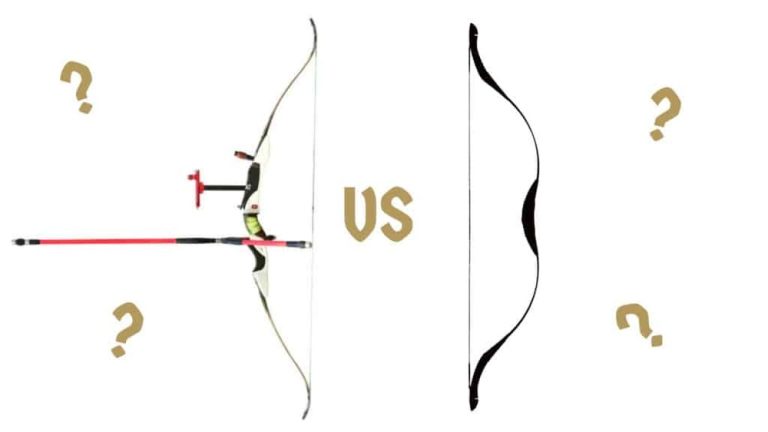
Traditional Archery Vs. Modern Archery: Is Progress Slower?
Some people ask if traditional archery is harder to learn than using modern compound bows. There are differences worth knowing.
| Traditional Archery | Modern Archery (Compound) |
|---|---|
| No sights or stabilizers; aiming is instinctive or “barebow” | Uses sights, release aids, and stabilizers for accuracy |
| Requires more practice to achieve tight groups | Technology helps maintain consistency |
| More focus on form and feel | More focus on tuning and equipment setup |
| Progress may feel slower at first | Easier to get consistent results early on |
Traditional archery rewards patience and process. Progress may feel slower, but many find the journey more satisfying.
Credit: barharborstory.substack.com
Real Stories: How Long Did It Take Others?
Every archer’s story is unique. Here are a few examples from club shooters:
- Jenna started with a 20-pound recurve, practicing twice a week. She reached consistent 20-yard groups in about 8 months.
- Sam had previous experience with rifles, so aiming came quickly. His challenge was learning good release and follow-through. He felt proficient after one year of steady practice.
- Luis joined a club and took weekly lessons. He reached local tournament level in 15 months, but only after correcting early form mistakes with coaching.
Example: When I first started, I spent months struggling with inconsistent groups. Only after filming my form did I realize I was dropping my bow arm on release. Fixing this one habit improved my accuracy more than any new equipment.
Training Methods That Work Best
There are many ways to practice, but some methods help you improve faster.
1. Blank Bale Shooting
Shooting at a blank target (no bullseye) helps you focus on form, not aiming. This builds good habits.
2. “bridge” Drills
Hold at full draw for a few seconds before releasing. This strengthens your back and builds control.
3. Variable Distance Practice
Shoot at different distances, not just 20 yards every time. This improves judgment and adapts your form.
4. Group Shooting
Practicing with others adds motivation and lets you see different styles and solutions.
5. Field Archery
Shooting at targets set in woods or fields builds real-world skills and keeps practice interesting.
Credit: startarchery.co.uk
How To Speed Up Your Progress (without Rushing)
While you can’t become an expert overnight, a few habits help you improve as quickly as possible, without building bad habits.
- Get feedback often: Take lessons, join a club, or use video analysis.
- Set small goals: For example, “hit a 6-inch group at 15 yards this month.”
- Fix one thing at a time: Don’t try to change everything in one session.
- Rest and recover: Muscles (and mind) need breaks to improve.
Pro Tip: If you feel frustrated, take a week off. Many archers return feeling fresher and more accurate.
The Role Of Community And Events
Archery is often seen as a solo sport, but joining a club or attending events can speed your progress. Other shooters offer tips, encouragement, and sometimes friendly competition.
- Clubs often have regular coaching sessions
- Local tournaments give you a target to work toward
- Online forums and videos provide answers to common problems
You can find clubs and events in your area through the National Field Archery Association or similar organizations.
Is Traditional Archery Right For You?
If you value patience, process, and personal challenge, traditional archery is rewarding, even if progress is slower than with modern bows. The connection to history, the feel of natural materials, and the “flow” of a good shot are hard to match.
But if you want quick results or high scores right away, you may prefer a more technical style of archery. There’s no right or wrong, just what fits your goals.
Summary Table: What Influences Your Timeline Most
Here’s a quick comparison of the biggest factors:
| Factor | Speeds Progress | Slows Progress |
|---|---|---|
| Practice Frequency | 3-5 days/week | 1 day/week or less |
| Coaching/Feedback | Regular lessons or group shooting | Shooting alone, no outside input |
| Equipment Fit | Properly matched bow and arrows | Overbowing or poor arrow match |
| Mental Approach | Patience, focus on form | Rushing, focusing only on results |
| Physical Conditioning | Regular stretching and strength work | No warm-up, ignoring fatigue |
Frequently Asked Questions
How Old Do I Need To Be To Start Traditional Archery?
Many clubs accept students as young as 8 or 9, provided they can safely handle a light bow. There’s no upper age limit, many archers begin in their 50s or 60s and progress well. If you have health concerns, talk with your doctor before starting.
Is Traditional Archery Safe For People With Shoulder Problems?
Traditional archery puts stress on the shoulders, but lighter bows and proper technique reduce injury risk. Many people with past shoulder issues can shoot safely if they warm up, use correct form, and avoid heavy draw weights. Always consult a physical therapist or sports doctor for guidance.
Can I Become Proficient Without Joining A Club?
It’s possible to learn on your own, especially with online resources and video analysis. However, joining a club or finding a coach often speeds up progress and prevents common mistakes. Clubs also provide a safe shooting environment and access to different equipment.
What Is The Best Way To Choose A Traditional Bow As A Beginner?
Choose a bow with a draw weight you can handle easily, usually 20-30 pounds for most adults starting out. Make sure the bow fits your draw length and hand size. Recurves are popular for beginners, but longbows are also good.
Visit a reputable shop or club to try different