Bow sling vs wrist sling: which helps on the hunt?
For most bowhunters, a wrist sling helps the shot, while a bow sling helps the carry; if you hike far, pick a wrist sling, and if you want one-handed carry, pick a bow sling. Pick the wrong one and you invite noise, dropped bows, slower setup, or a sloppy release when an animal steps out. I’ll break down carry use, shooting use, and which sling fits mobile hunting, stand hunting, and your noise tolerance.
This guide is part of our Hunting gear comparisons for archers series.
Bow sling vs wrist sling: the short answer for hunters
The split is plain. A wrist sling is for shooting control on a compound bow, and a bow sling is for carrying the bow in the field. I treat them as different tools because they solve different problems, even though both can keep the bow from a hard drop.
HuntWise says wrist slings are the most common bow sling type, and that matches what I see around compounds. Bow slings matter more when the walk is long, the brush is thick, or your pack already feels too heavy.
| Decision factor | Bow sling | wrist sling: which helps on the hunt | Winner |
|---|---|---|---|
| Primary job | Carry the bow hands-free or semi-hands-free | Keep the bow hand relaxed during the shot | Depends on the job |
| Best use in the field | Long hikes, brush, spot-and-stalk travel | Compound hunting from stands, blinds, and short walks | Depends on hunt style |
| Noise risk | Higher if buckles, clasps, or loose straps clack | Lower when kept simple and snug | wrist sling: which helps on the hunt |
| Bow protection | Can help protect cams and strings during transport | Helps prevent drops, but not transport protection | Bow sling |
| Shooting benefit | Little direct effect | Helps you avoid a death grip and bow torque | wrist sling: which helps on the hunt |
Primary job
A bow sling is a carry accessory. A wrist sling is a shooting aid. That difference matters because hunters often buy the wrong one expecting it to solve both problems.
Best use in the field
If you cover ground, the bow sling earns its place. If you sit more than you stalk, the wrist sling usually matters more because the bow spends more time in your hand than on your shoulder.
Noise risk
I rate the wrist sling quieter by default because it can be tiny and simple. A bow sling can stay quiet too, but only if the fabric, buckle choice, and adjustment hardware are controlled.
Bow protection
A bow sling can help keep the bow from banging into brush and can protect cams and strings while you carry it. A wrist sling does not solve that problem; it mainly keeps the bow from hitting the dirt if your hand opens.
Shooting benefit
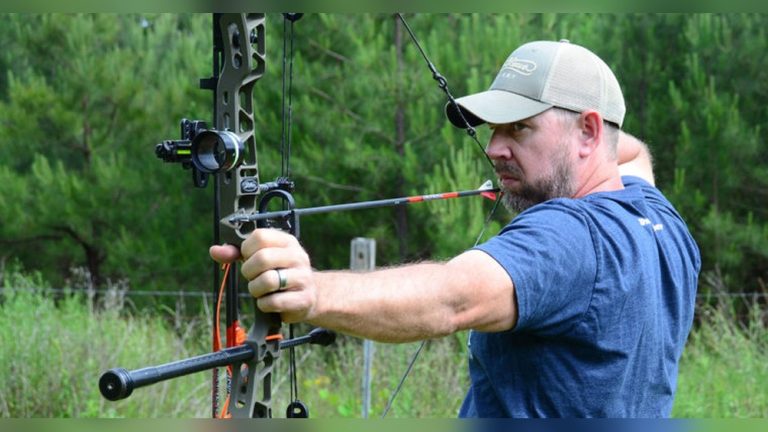
The wrist sling wins here because it supports a relaxed open bow hand. The sling itself does not make the shot better, but it helps prevent the hard grip that torques a compound bow.
According to 8 Best Bow Slings and Wrist Straps (September 2026) — One tested sling guide says sling testing covered 200+ arrows in the range.
What a wrist sling does on a compound bow
A wrist sling is a loop that runs around your wrist and connects to the bow, usually at the stabilizer bushing on a compound bow. It is cheap, quick to put on and take off, and easy to adjust. Its real job is simple: keep the bow in your hand without forcing a death grip.
The best use is a relaxed, open bow hand at release. Fletchwise calls wrist slings the practical default on a compound, and I agree because compounds are easy to torque when you clamp down.
How it attaches to the stabilizer bushing
Many hunting compounds have a stabilizer bushing, which is often the attachment point for wrist sling hardware. Fit matters here. If the sling hardware crowds the stabilizer, your front end can feel busy, and that gets old when you already have a release aid and other accessories on the bow.
Why an open bow hand matters for torque and follow-through
F2 is the key: the sling lets you shoot with a relaxed, open bow hand so you do not torque the bow. F3 adds the practical side: it helps keep you from gripping your bow while shooting. On target or in the woods, that open hand gives the bow room to move the same way every time.
Where a wrist sling can get in the way
If the sling is too short, it can tug the bow hand closed and create tension. If it is too long, it can hang awkwardly and interfere with the draw cycle or slap against gear. I also watch for release-aid interference when the sling, D-loop area, and front accessories crowd each other.
What a bow sling does while hunting
A bow sling is a carry accessory, and it may be a wrist, shoulder, or backpack-style setup. It helps most when you need your hands free for climbing, glassing, opening gates, pushing through brush, or balancing a pack. It may also help with protection for cams and strings during transport.
Bow slings can cut fatigue while I carry a bow in the field, which is why I reach for them on longer hikes. But they are not free. More material usually means more noise risk and more parts to manage before the shot.
Wrist, shoulder, and backpack-style carry options
A shoulder sling carries the bow over the body and usually aims at comfort. A backpack sling or pack system shifts bow weight to the pack, which is handy on spot-and-stalk hunts and longer approaches. Some systems even work with draw straps or riser hooks, which helps when your hands are full.
How it helps on long hikes and in brush
When I am climbing hard or pushing through wet brush, I want the bow out of my hand. A carry sling does that better than a wrist sling ever will. If the route is short and the bow stays close, the extra sling can feel like dead weight.
When bow protection matters more than shooting help
If the bow is riding outside your hand for hours, protection becomes part of the value. A sling can keep limbs, cams, and strings from smacking against brush, pack straps, or a rock when you set the bow down. That helps on rough access, but it does not replace a clean shooting grip.
Which sling is quieter in the field?
The quieter sling is usually the one with fewer moving parts. Camo fabric, neoprene, and paracord tend to stay calmer than rigid buckles and shiny clips, but any sling can get loud if the hardware is loose. Quiet setup matters as much as sling type.
I pay attention to every clasp, snap, and adjuster before I hunt. A sling that sounds soft in the garage can clack against a riser or stab into a pack strap when you kneel, twist, or draw.
Camo fabric, neoprene, and paracord compared
Camo fabric and neoprene help because they deaden contact and do not slap hard surfaces the way metal can. Paracord is popular because it is light and simple, and one tested wrist sling guide I read described a top-rated version built from full grain leather and 550 paracord. That kind of setup stays quiet if it is kept snug.
Hardware that can clack or snag
Buckles, clips, and adjustment ladders are the usual noise offenders. They can also snag on jackets, backpack straps, and blind fabric. If your sling uses hardware, I would test it while kneeling, drawing, and lowering the bow, not just while standing still.
How to keep a sling quiet before the shot
- Check every buckle and clasp for play.
- Trim or secure loose strap ends.
- Move the bow through a full draw cycle.
- Tap the bow against your pack and clothing.
- Listen for clicks before you leave camp.
Does a sling help accuracy or just prevent drops?
A sling helps both, but not in the same way. It can prevent drops and let you keep a relaxed grip, and that can reduce torque on a compound bow. It does not make someone a better shot by itself. The arrow still goes where your form and tune tell it to go.
They start fighting the bow instead of letting it settle, and the follow-through turns stiff. F2 and F12 from the sling guides line up with that: relaxed hand at the shot, and the sling should hang slack at full draw.
Why a relaxed grip matters more than the sling itself
The sling is only a support system for good hand pressure. If you already palm the grip hard, the sling does not fix that habit. If your hand is open and calm, the sling helps you keep that shape.
How a too-tight sling can create torque
An over-tight sling can pull the wrist into the bow grip and twist the front end. It can also make the bow feel trapped after the shot, which hurts follow-through. That is a failure case I see when hunters set a sling in the garage and never test it under draw weight.
What to notice when testing slings
I like to shoot new sling setups before a hunt, and I mean real sessions, not one arrow. One guide I reviewed tested slings over a period of shooting, including range sessions, spot-and-stalk hunts, and backyard practice. That is the kind of use that exposes fit issues fast.
Hunt-style decision matrix: tree stand, spot-and-stalk, and blind
This is the part most comparison pages skip. The right sling changes with movement, noise tolerance, and how much time the bow spends in your hand. I use a simple rule: if you move a lot, favor carry help; if you sit a lot and shoot a compound, favor shooting control.
| Hunt style | Carry comfort | Noise risk | Bow protection | Shooting benefit | Yes/no recommendation |
|---|---|---|---|---|---|
| Tree stand | Low need; short carry to the stand | Low if setup is simple | Moderate, mainly during climb and hang | High for wrist sling | Yes: wrist sling |
| Spot-and-stalk | High; long carries and hand-free movement help | Moderate to high if sling hardware moves | High; bow hits brush and gear more often | Moderate for wrist sling, low for carry sling | Yes: bow sling if carry is long |
| Blind | Low; bow stays close and ready | Moderate; small movements matter | Low to moderate | High for wrist sling | Yes: wrist sling |
Tree stand
Tree stand hunting usually favors the wrist sling because the bow is not traveling far, but the shot can happen fast. I want the bow hand relaxed and the sling quiet. A heavy carry sling is usually extra bulk here unless the walk-in is unusually rough.
Spot-and-stalk
Spot-and-stalk is where a bow sling can earn its place, especially a shoulder sling or backpack sling. If I am side-hilling, crawling, or hiking out under weight, carry comfort and bow protection matter more than a tiny shooting aid. But if I need the bow up and ready in seconds, I still want a simple setup.
Blind hunting
In a blind, I prefer the wrist sling almost every time. The bow is already contained, and the priority is a calm shot when an animal steps into view. A carry sling usually becomes unnecessary clutter unless you must walk a long way to the blind.
Choose wrist sling if… / choose bow sling if…
Choose a wrist sling if your hunting style centers on a compound bow, short walks, quick setup, and a calm open bow hand at release. Choose a bow sling if you hike far, push brush, climb with your bow, or want the bow off your hand during transport. That is the clean split.
Choose a wrist sling if…
- You shoot a compound and want less grip tension.
- You hunt from a tree stand or blind most of the time.
- You want the cheapest, simplest add-on.
- You care more about shooting control than carry comfort.
Choose a bow sling if…
- You spend real time hiking, side-hilling, or pushing through brush.
- You want hands-free carry or a pack-based bow system.
- You want some extra protection for cams and strings during transport.
- You can live with a little more setup and noise management.
When I would skip both
If the bow lives in a case until the last minute, or if your access is short and flat, I would skip the carry sling. If you shoot trad gear and already use a finger sling in target work, that is a different conversation, but for hunting I still see finger slings less often than wrist slings.
I also skip extra sling hardware when it adds clutter near the stabilizer bushing or interferes with a release aid. Simple wins in the field more often than fancy.
Frequently asked questions
Is a bow sling or wrist sling better for hunting?
For most hunting setups, a wrist sling is better for shooting, and a bow sling is better for carrying. If you hunt from stands or blinds, I lean wrist sling. If you hike long distances or carry through thick brush, a bow sling usually makes more sense.
How do I choose a sling for spot-and-stalk vs tree stand hunting?
For spot-and-stalk, pick a bow sling if the hike is long or the brush is heavy. For tree stand hunting, pick a wrist sling because the shot matters more than carry comfort. If the walk-in is short and quiet, the wrist sling is usually the cleaner choice.