Which Traditional Bow Is Right for You? Expert Guide to Choosing
The world of traditional archery is deep and fascinating, stretching back thousands of years and across every continent. Whether you’re a new archer, a bowhunter, or just curious about ancient weapons, understanding the different types of traditional bows is essential. Each kind of bow holds unique characteristics, shaped by the culture, geography, and needs of the people who made and used them. But which traditional bow is right for you, and what makes each one special? Let’s explore the main types, their history, uses, and what you should consider before choosing one.
What Is A Traditional Bow?
A traditional bow refers to any bow design used before the invention of modern compound bows and advanced materials like carbon fiber. These bows rely purely on the strength of the archer and the flexibility of the wood or horn. They include longbows, recurve bows, horse bows, flatbows, and more. Many people find shooting a traditional bow more satisfying because it connects them to the skills and challenges of ancient archers.
Unlike modern bows, traditional bows have no mechanical aids. There are no pulleys, sights, or stabilizers. The archer must develop proper technique and “feel” for the shot. This brings a sense of mastery that is hard to match with technology-driven equipment.
The Main Types Of Traditional Bows
Traditional bows come in many shapes and sizes. Here are the most important types you should know about:
1. Longbow
The longbow is most famous for its use by English archers in the Middle Ages. It’s a tall, D-shaped bow, usually as long as the archer is tall.
- Material: Often made from a single piece of yew or other strong wood.
- Design: Simple; no recurve (curved tips). The string only touches the tips of the bow.
- Draw length: Very long, allowing for powerful shots.
Advantages:
- Smooth draw and release.
- Historically accurate for reenactments.
- Good for target shooting and some hunting.
Disadvantages:
- Requires strength and practice.
- Less efficient than some other designs.
- Large size makes it harder to carry.
Example: The English longbowmen at the Battle of Agincourt (1415) changed history with their skill and power.
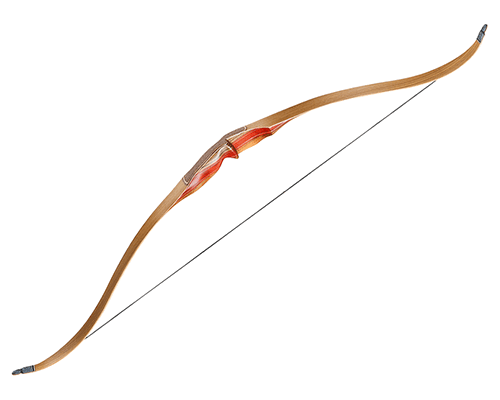
2. Recurve Bow
The recurve bow has tips that curve away from the archer when unstrung. This design stores more energy and delivers a faster arrow.
- Material: Wood, horn, sinew, or modern laminates.
- Design: Distinctive “S” shape at the tips.
- Draw length: Medium, usually shorter than a longbow.
Advantages:
- More efficient than a longbow.
- Easier to use in tight spaces.
- Used in Olympic archery (though with modern materials).
Disadvantages:
- More stress on the limbs (can break if not cared for).
- Slightly more complex to build.
Example: Many Asian and Middle Eastern armies used recurve bows for mounted archery.
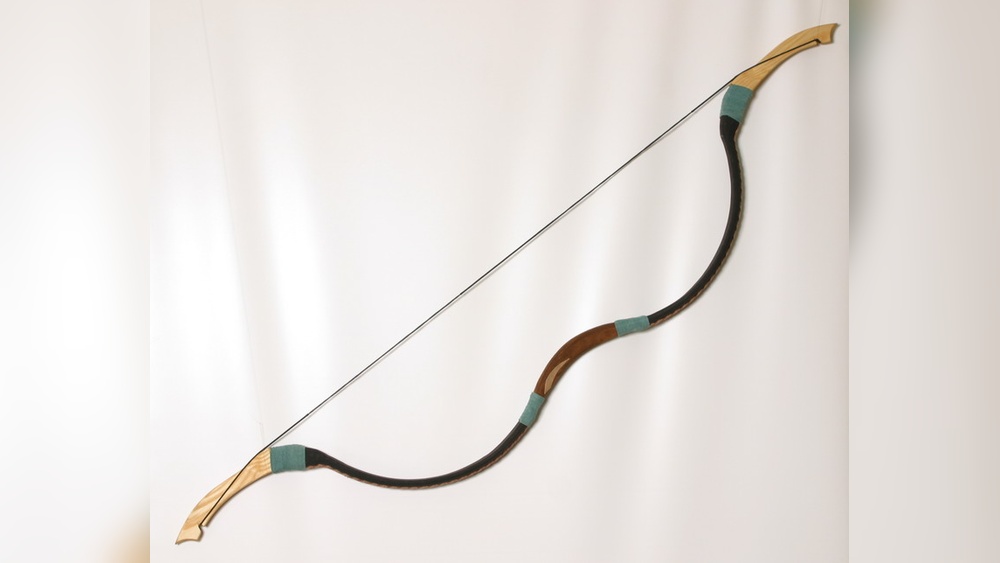
3. Horse Bow
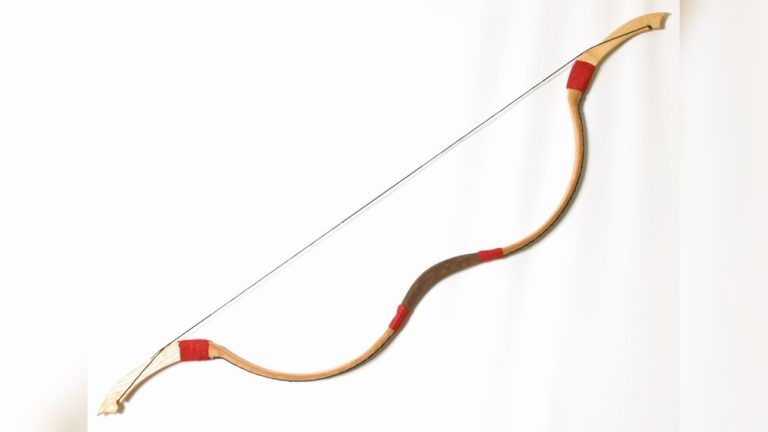
The horse bow (sometimes called a composite bow) is designed for use on horseback. It is short, light, and very powerful for its size.
- Material: Often horn, sinew, and wood layered together.
- Design: Deep recurve, compact length.
- Draw length: Short to medium.
Advantages:
- Easy to handle from horseback.
- Powerful for its size.
- Quick to shoot.
Disadvantages:
- More difficult to make.
- Sensitive to humidity and temperature changes (especially traditional glue).
Example: The Mongol horsemen used this bow to conquer much of Asia and Europe.
4. Flatbow
A flatbow has limbs that are wide and flat rather than rounded or D-shaped. It’s often made from a single piece of wood.
- Material: Elm, maple, ash, or hickory.
- Design: Flat, wide limbs; straight profile.
- Draw length: Medium to long.
Advantages:
- Simple and rugged.
- Can be made from many types of wood.
- Easy for beginners to use.
Disadvantages:
- Less efficient than recurve or composite bows.
- Bulky limbs can catch in thick brush.
Example: Native American tribes in North America used flatbows for hunting and war.
5. Self Bow
A self bow is made from a single piece of wood, with no added parts or laminations. Every self bow is unique to the wood it comes from.
- Material: Yew, osage orange, elm, or other strong woods.
- Design: Varies, but always from a single stave.
- Draw length: Depends on the length and flexibility of the wood.
Advantages:
- True to ancient traditions.
- Deep connection to the craft.
- Can be custom-fitted to the archer.
Disadvantages:
- Takes skill and patience to make.
- May not last as long as composite bows.
Example: The famous English longbows were often self bows.
6. Composite Bow
The composite bow uses layers of different materials to make a stronger, more flexible weapon.
- Material: Usually wood, horn, and sinew glued together.
- Design: Highly recurved, short and powerful.
- Draw length: Short.
Advantages:
- Extremely powerful for its size.
- Used successfully by many mounted armies.
- Flexible in cold and hot climates.
Disadvantages:
- Difficult and time-consuming to build.
- Sensitive to moisture.
Example: Turkish, Mongolian, and Persian armies used composite bows to great effect.
7. Bamboo Bow
The bamboo bow is common in Asia and the Pacific Islands. Bamboo is strong, light, and naturally straight.
- Material: Bamboo stalks, sometimes combined with other woods.
- Design: Long, sometimes recurved.
- Draw length: Medium to long.
Advantages:
- Fast-growing, sustainable material.
- Lightweight and flexible.
- Good for target shooting and small game.
Disadvantages:
- Can split if not treated properly.
- Less powerful than horn-sinew composite bows.
Example: Japanese Yumi bows (used in Kyudo) are famous bamboo-laminated longbows.
8. Yumi (japanese Longbow)
The Yumi is the traditional bow of Japan, used in the martial art Kyudo and by samurai warriors.
- Material: Bamboo and wood, sometimes lacquered.
- Design: Asymmetrical, lower limb is shorter than upper limb.
- Draw length: Very long, shot with a unique thumb draw.
Advantages:
- Elegant, with a rich cultural tradition.
- Allows shooting from kneeling positions.
Disadvantages:
- Expensive and complex to make.
- Requires special technique.
Example: The Yumi is still used in Japanese archery schools today.
9. Simple Bow
A simple bow is any traditional bow with no complex features, just a curved stick and a string.
- Material: Any flexible wood.
- Design: Basic; no recurves, no laminations.
- Draw length: Short to medium.
Advantages:
- Easy to make and repair.
- Good for learning fundamentals.
Disadvantages:
- Not as efficient or powerful as other types.
Example: Early hunter-gatherers used simple bows for survival.

Credit: classic-bow.com
Comparing Traditional Bows
Understanding how these bows compare can help you choose the right one for your needs. The following table highlights important differences:
| Bow Type | Length | Material | Draw Weight Range | Best Use |
|---|---|---|---|---|
| Longbow | 5-6 ft | Yew, wood | 30-80 lbs | Target, hunting |
| Recurve | 4-5 ft | Wood, horn, modern | 20-60 lbs | Target, hunting |
| Horse Bow | 3-4 ft | Horn, sinew, wood | 30-70 lbs | Mounted archery |
| Flatbow | 5-6 ft | Elm, maple | 20-50 lbs | Hunting, general |
| Yumi | 7-8 ft | Bamboo, wood | 20-50 lbs | Kyudo, tradition |
What To Consider When Choosing A Traditional Bow
Selecting a traditional bow is a personal decision. Several important factors should guide your choice:
Purpose
Ask Yourself: Why Do I Want A Traditional Bow?
- For target shooting, recurve and longbows are popular because they are stable and accurate.
- For hunting, you need a bow with enough power (draw weight) to ethically harvest game. Longbows, flatbows, and short recurves are common.
- For historical reenactment or martial arts, choose a bow authentic to the culture or period you’re interested in.
Draw Weight
Draw weight is the force needed to pull the string back. A heavier draw weight means more power, but it’s harder to pull.
- Beginners should start with 20, 30 lbs.
- Hunters may need 40 lbs or more (check local laws).
- Too heavy draw weight can cause injury or poor form.
Pro Tip: Always try to pull the bow before buying. What feels easy at first can become tiring after several shots.
Bow Length
The right bow length depends on your height and draw length.
- Taller archers need longer bows for a smooth draw.
- Horse bows and recurves are better for short draw lengths or shooting in tight spaces.
Materials
Different woods and materials have unique “feel” and durability.
- Yew is classic but expensive.
- Osage orange is tough and flexible.
- Bamboo is light and sustainable.
- Horn and sinew are powerful but require more care.
Cost And Availability
- Self bows and simple bows can be cheap if you make them yourself.
- Composite bows and yumi can be expensive due to materials and craftsmanship.
- Many traditional-style bows are available from specialty shops and archery stores.
Maintenance
Traditional bows need care:
- Store in dry, cool places.
- Wax the string regularly.
- Never dry fire (shoot without an arrow), which can break the bow.
Legal And Safety Considerations
Some countries have laws about bow hunting or transporting archery equipment. Always check local regulations.
Credit: www.thelongbowshop.com
The Skills You Need For Traditional Archery
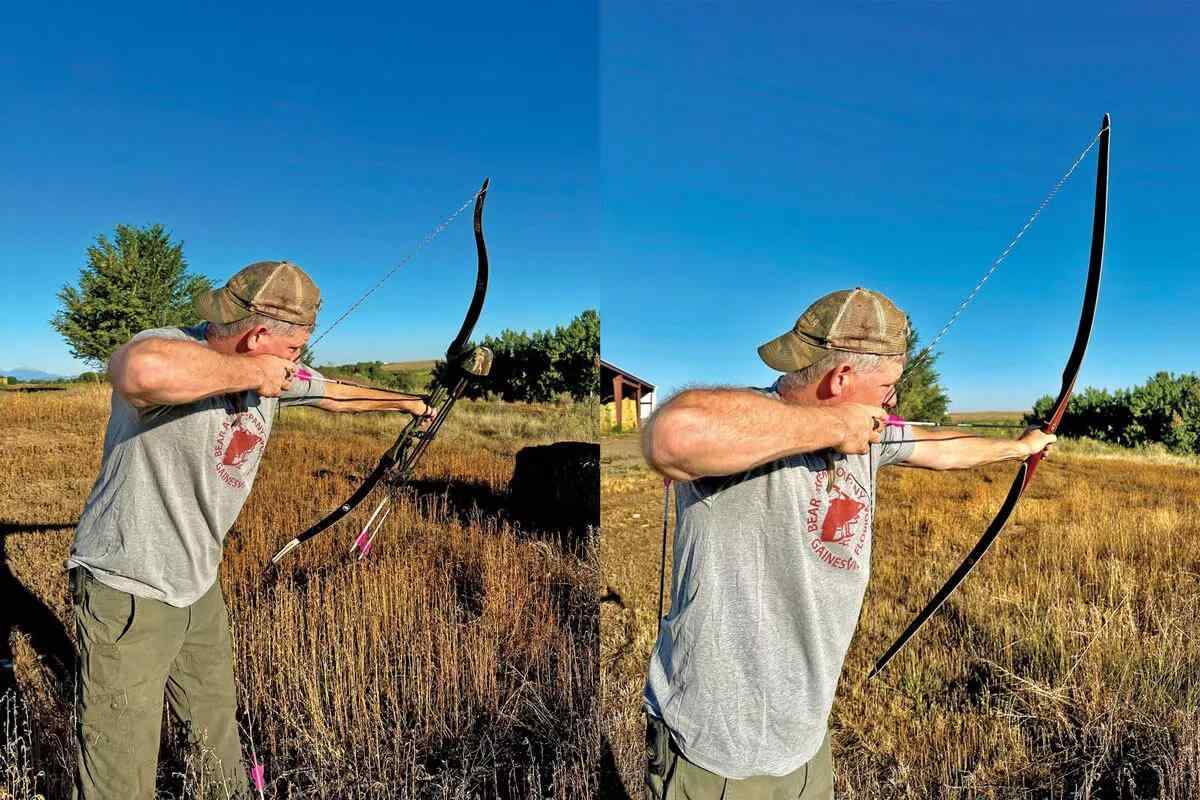
Traditional bows require skill and practice. Unlike modern compound bows, there are no sights or stabilizers. Here are the main skills you’ll develop:
- Instinctive aiming: Learning to shoot by feel, not sights.
- Consistent form: Drawing, anchoring, and releasing the same way every time.
- String walking and gap shooting: Advanced aiming methods for recurves and longbows.
Example: In my experience, learning to shoot a traditional longbow taught me patience and focus in a way that modern archery never did.
The Role Of Traditional Bows In History And Culture
Traditional bows are more than just weapons or tools. They are part of human history and culture.
- The Mongol composite bow helped build the largest land empire in history.
- The English longbow shaped the outcome of wars in medieval Europe.
- The Japanese yumi is at the heart of spiritual and martial traditions.
Many modern archers feel a connection to the past when they use traditional bows. Making or shooting these bows is a way to experience history with your own hands.
Credit: www.bowhunter.com
Modern Use Of Traditional Bows
Today, traditional bows are used in:
- Target archery: Many competitions have special classes for traditional bows.
- Field archery: Moving through woods and shooting at targets in natural settings.
- Hunting: Some hunters prefer the challenge and ethics of traditional bows.
- Reenactment and martial arts: Historical accuracy matters in these fields.
The popularity of traditional archery is growing, with many clubs and online communities supporting new learners.
Advanced Comparison: Longbow Vs. Recurve Vs. Horse Bow
Let’s compare the three most popular traditional bows on key features that matter to archers.
| Feature | Longbow | Recurve Bow | Horse Bow |
|---|---|---|---|
| Length | Very long (up to 6 ft) | Medium (4-5 ft) | Short (3-4 ft) |
| Power | High (with heavy draw) | High (efficient energy transfer) | High (for size) |
| Accuracy | Excellent at distance | Excellent at medium range | Good, quick shots |
| Ease of Use | Requires practice | Easier for beginners | Best for mounted archery |
| Historical Use | Europe | Asia, Europe, Middle East | Central Asia, Middle East |
Pro Tip: If you’re not sure which to choose, start with a recurve bow. It’s a good balance of power, ease, and historical style.
Common Mistakes When Choosing A Traditional Bow
Many beginners make avoidable mistakes when selecting their first traditional bow:
- Picking too high a draw weight: This leads to poor form and injury.
- Ignoring bow length: A bow that’s too short for your draw will feel harsh and stack up (get much harder at the end of the draw).
- Choosing based on looks: Some bows are beautiful but may not suit your needs or skill level.
- Not considering hand dominance: Make sure to choose a right-