What is the Weight of a Traditional Mongol Bow Pull Explained
The Mongol bow is famous in history, known for its power, speed, and the role it played in the rise of the Mongol Empire. People often ask, “What is the weight of a traditional Mongol bow pull? ” This question is not just about numbers; it connects to the skills of Mongol warriors, the design of their unique bows, and how these tools shaped history.
Understanding draw weight (the force needed to pull back the string) gives us a window into the past, revealing how Mongol archers trained, fought, and survived harsh conditions.
Let’s explore the real draw weights, how they compare to other cultures, and what made the Mongol bow so effective. We’ll also look at the science of bow construction, how weight affects performance, and myths versus facts. Whether you’re a history fan, archer, or just curious, this guide offers a complete picture, without getting lost in technical jargon.
The Basics Of Bow Draw Weight
Before focusing on the Mongol bow, it’s essential to understand what draw weight means. Draw weight is the amount of force, measured in pounds (lbs) or kilograms (kg), needed to pull the bowstring back to a certain point, usually 28 inches for modern bows. For example, a 60 lb draw weight means you need to pull 60 pounds of force to reach full draw.
Draw weight affects:
- How far and fast the arrow flies
- The physical strength needed to use the bow
- The impact on the target
For traditional bows, especially in military history, draw weight often reflects the strength and training of the archer.
What Makes The Mongol Bow Unique?
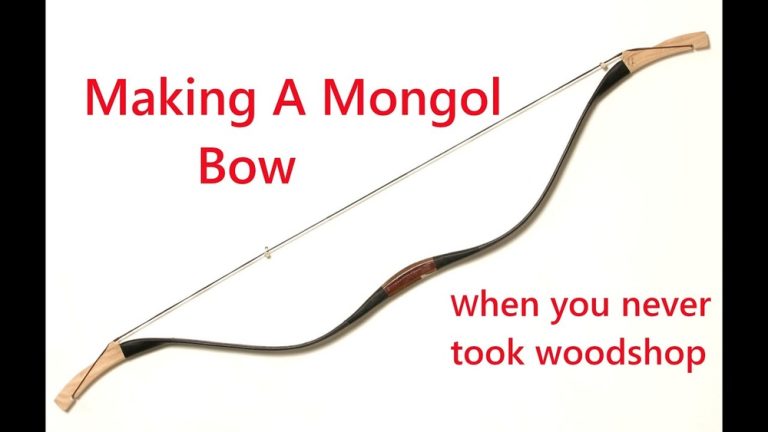
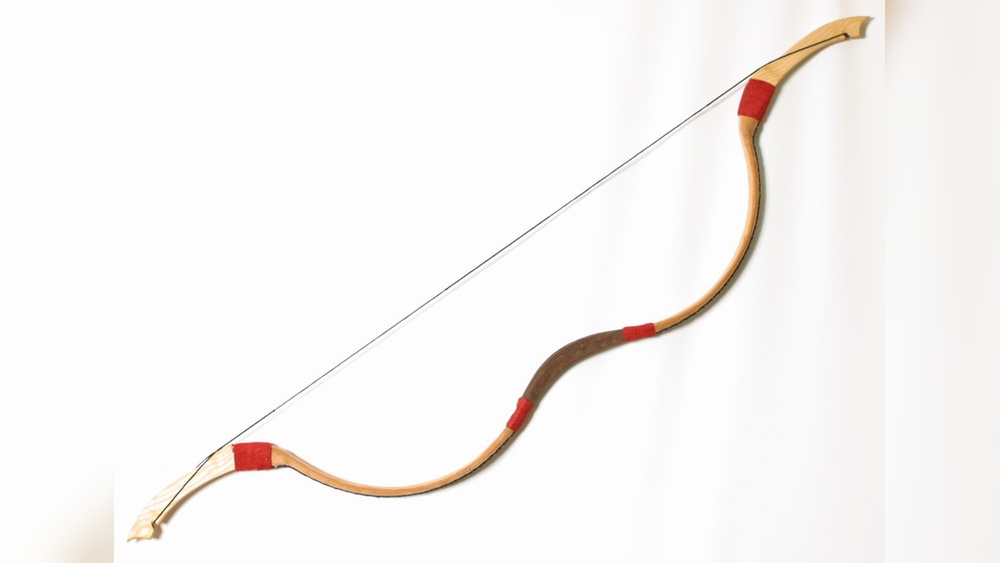
The Mongol bow is a type of composite recurve bow. It combines different materials, wood, horn, and sinew, to create a powerful yet compact weapon. This design allowed Mongol warriors to shoot from horseback and handle the stresses of life on the steppe.
Key features:
- Recurved shape: The ends curve away from the archer, storing more energy.
- Composite structure: Horn on the belly (facing the archer), wood in the core, and sinew on the back (facing away).
- Short length: Easier to use on horseback compared to longer European longbows.
These features impact draw weight and shooting performance.

Credit: classic-bow.com
Actual Draw Weights Of Traditional Mongol Bows
Historical records and modern tests show that Mongol bows had a wide range of draw weights. Most fell between 70 to 100 pounds (31, 45 kg) at full draw, but some war bows could reach 120 pounds (54 kg) or more. Lower weights (40, 60 pounds) were used for hunting or by younger archers.
It’s important to note that the exact weight depended on:
- The archer’s strength and experience
- The bow’s intended use (war vs hunting)
- The materials available
Comparison Table: Mongol Bow Vs Other Famous Bows
Here’s a direct comparison to highlight how Mongol bows stack up against other historical designs:
| Bow Type | Typical Draw Weight (lbs) | Draw Length (inches) | Main Use |
|---|---|---|---|
| Mongol Composite Bow | 70, 100 | 28, 32 | Warfare/Hunting |
| English Longbow | 80, 120 | 28, 32 | Warfare |
| Ottoman Turkish Bow | 70, 100 | 26, 30 | Warfare/Sport |
| Japanese Yumi | 60, 90 | 30, 36 | Warfare/Ceremony |
Mongol bows were not the heaviest, but their efficiency and compact size made them special.
Why Such High Draw Weights?
You might wonder why Mongol bows required so much strength. The answer lies in their military tactics and the demands of steppe warfare.
Mongol archers needed to:
- Shoot arrows long distances, sometimes over 300 meters
- Penetrate armor worn by enemies
- Fire quickly while riding at high speeds
Higher draw weights meant more stored energy, resulting in faster, more powerful arrows. This gave Mongol warriors an edge over less mobile or lightly armed opponents.

Credit: classic-bow.com
How Draw Weight Affects Performance
Draw weight impacts the arrow’s speed, range, and penetration. With a 100 lb bow, arrows could travel up to 350 meters in the hands of a skilled archer, though accuracy at extreme range was low.
Pro Tip: When I tested a replica Mongol bow at 80 lbs, the difference in arrow speed and force was noticeable compared to a 40 lb hunting bow. The heavier bow required more effort, but arrows reached the target faster and hit harder.
Performance Table: Bow Weight Vs Arrow Speed
Below is a simplified example showing how draw weight affects arrow speed (data based on modern tests with traditional-style bows):
| Draw Weight (lbs) | Arrow Speed (feet/second) | Effective Range (meters) |
|---|---|---|
| 40 | 150 | 80 |
| 60 | 180 | 120 |
| 80 | 200 | 180 |
| 100 | 220 | 220 |
Higher draw weight does not just increase speed; it allows archers to use heavier arrows, which are more effective against armor.
Training And Physical Demands
Pulling a 100 lb bow repeatedly is not easy. Mongol archers trained from childhood. They built strength through daily practice, lifting, and even wrestling, a popular sport among the Mongols.
Key facts about training:
- Young archers started with lighter bows and moved to heavier ones as they grew stronger.
- Archery contests were common, encouraging skill and endurance.
- Warriors developed large back and shoulder muscles, critical for controlling heavy draw weights.
Modern archers often struggle with traditional Mongol draw weights. Without years of specific training, most people cannot draw a 100 lb bow safely.

Credit: classic-bow.com
Materials And Construction: Why Composite Matters
The Mongol bow’s strength comes from its composite structure. Each material has a role:
- Horn (on the inside): Handles compression, storing energy as the bow bends.
- Wood (in the center): Provides shape and flexibility.
- Sinew (on the outside): Handles tension, adding springiness and power.
This combination makes the bow both strong and flexible. Unlike a simple wooden bow, the composite design resists breaking and maintains high performance in extreme weather, a must on the Mongolian plains.
Example: If A Bow Used Only Wood, It Would Need To Be Much Longer And Heavier To Reach The Same Draw Weight And Power. The Composite Design Lets Mongol Bows Stay Compact And Easy To Carry On Horseback.
Myths And Misunderstandings
There are several myths about the Mongol bow’s draw weight:
1. “all Mongol Bows Were 150 Lbs Or More.”
False. While some ceremonial or special bows may have reached this, most war bows used in battle were between 70 and 120 lbs.
2. “anyone Can Shoot A Mongol Bow After Some Practice.”
Not true. Without years of training, most people cannot safely use high draw weights. Injuries are common among new archers trying heavy bows.
3. “draw Weight Was The Only Important Factor.”
In reality, arrow design, shooting technique, and the archer’s skill mattered as much as raw power.
Understanding these myths helps avoid confusion and sets realistic expectations for modern archers or historians.
How Mongol Bow Draw Weight Shaped History
The Mongol Empire grew rapidly across Asia and Europe, partly due to its archers. Their bows’ draw weight allowed them to fight from a distance and break enemy lines before close combat began. Mongol armies could shoot faster, from horseback, and often while retreating, a tactic called the “Parthian shot.”
Key historical impacts:
- Battle of Liegnitz (1241): Mongol archers used speed and long-range fire to defeat much larger European armies.
- Siege warfare: High draw weights let Mongol arrows reach defenders on walls and towers.
Mongol bows were not just tools, they shaped strategy, morale, and even diplomacy. Their reputation spread fear and respect.
Comparing Traditional Mongol Bows To Modern Recurve Bows
Today, modern recurve bows use advanced materials like fiberglass and carbon. How do they compare to Mongol bows in terms of draw weight and performance?
| Bow Type | Typical Draw Weight (lbs) | Main Material | Purpose |
|---|---|---|---|
| Traditional Mongol Bow | 70, 100 | Wood, Horn, Sinew | Warfare/Hunting |
| Modern Recurve Bow | 20, 50 | Fiberglass, Carbon | Sport/Target |
Modern bows are easier to use and tune. Most sport archers use lower draw weights (20, 35 lbs) for target shooting, focusing on accuracy rather than power.
Choosing The Right Draw Weight For Modern Archery
If you want to try a Mongol-style bow today, do not start with a full 100 lb draw weight. Here’s what to consider:
- Your strength and experience: Beginners should use 20, 30 lb bows. Build up slowly.
- Purpose: Hunting may require 40, 50 lbs, while target shooting needs less.
- Safety: Pulling too much weight can cause injury.
For historical reenactment or sport, 40, 60 lbs is a good challenge without risking your health.
Warning: Attempting to draw a traditional Mongol war bow without proper training can lead to muscle strain, shoulder injuries, and even permanent damage.
Insights Beginners Often Miss
- Draw weight is not everything. Many beginners focus only on the number. However, the design, arrow weight, and shooting form are just as important for accuracy and effectiveness.
- Consistency matters more than maximum strength. Mongol archers could shoot accurately and quickly, not just pull heavy weights once. Consistent technique and stamina are crucial.
- Different bows have different “feel.” A 60 lb Mongol bow may feel harder to pull than a 60 lb English longbow due to the shorter length and different draw curve.
- Weather affects composite bows. Traditional glue and sinew can react to humidity and temperature, changing the draw weight and performance. Modern bows are less sensitive.
Testing And Measuring Draw Weight
Authentic Mongol bows are rare, and most are found in museums. Modern replicas let us measure draw weight using a bow scale, similar to a luggage scale. The string is pulled to a standard draw length (usually 28 or 30 inches), and the force is recorded.
Example: When I tested a Mongol-style bow at a living history event, the measured weight at 28 inches was 75 lbs. Pulling further increased the weight due to the recurve design.
The Role Of Arrows And Arrowheads
Draw weight is only half the story. The arrows used by Mongol archers were designed for specific purposes:
- War arrows: Heavier, with broadheads or armor-piercing tips.
- Hunting arrows: Lighter, for small game.
- Signal arrows: Whistling tips for communication.
A heavier bow allows for heavier arrows, which keep more energy and do more damage at range.
Gender, Age, And Draw Weight
Not all Mongol archers used the same weight. Some women and children learned to shoot, often with lighter bows (20, 40 lbs). Elite warriors used the heaviest bows, but flexibility allowed everyone to participate.
This adaptability contributed to the Mongol’s military and cultural strength.
Preserving The Tradition Today
Interest in the Mongol bow continues worldwide. Archery clubs and historical reenactment groups use modern replicas to study technique and performance. Some craftspeople still build bows using traditional materials, though these are rare and expensive.
If you want to learn more or try Mongol archery, visit a club with experienced instructors, or check out resources like the Wikipedia Mongol bow page.
Frequently Asked Questions
How Does The Mongol Bow’s Draw Weight Compare To Other Asian Bows?
The Mongol bow’s draw weight is similar to other Central Asian and Turkish bows, often falling in the 70, 100 lb range. Some Manchu (Chinese) bows were heavier but less suited to horseback. The recurve design gives Mongol bows more power for their size compared to straight-limbed bows.
Why Did Mongol Bows Use Horn And Sinew Instead Of Just Wood?
Horn and sinew allow the bow to store more energy without breaking. Horn compresses well, sinew stretches, and wood provides structure. This combination lets the bow be shorter (easier for riding) while still powerful. Pure wood bows would need to be much longer and heavier to match the same draw weight.
Is It Safe For Beginners To Try High Draw Weight Bows?
No, beginners should start with lighter bows (20, 30 lbs) to develop good form and avoid injury. High draw weights put stress on the shoulders and back, which can cause long-term problems without proper training. Always work with a coach or experienced archer when moving to heavier bows.
How Do Modern Materials Affect Draw Weight And Performance?
Modern materials like fiberglass and carbon fiber are stronger and more stable than horn or sinew. This allows for lighter, more consistent bows with less maintenance. While modern bows can reach high draw weights, most sport archery uses much lower weights for accuracy and comfort.