How Do You Make The Draw Weight On A Bow
Anyone who has spent time with archery knows that a bow’s draw weight is far more than a number, it’s the essence of the bow’s power, feel, and suitability for its user. Whether you’re a competitive archer, a bowhunter, or a recreational shooter, understanding how to adjust and measure draw weight can make or break your performance and enjoyment.
The process isn’t simply about turning a bolt or string; it’s about safety, technique, and matching the bow to your physical abilities and shooting goals.
From compound bows with adjustable cams to traditional recurves where draw weight is fixed, the methods and reasoning behind draw weight adjustments are diverse. Getting it right means improved accuracy, comfort, and, in many cases, compliance with local hunting regulations.
This guide will break down the mechanics, science, and practical steps to making draw weight adjustments, giving you actionable advice backed by expert recommendations and real-world examples.
Key Takeaways
- Draw weight determines a bow’s power and is critical for both performance and safety.
- Adjusting draw weight depends on bow type, compound, recurve, or longbow.
- Proper draw weight selection improves accuracy, reduces fatigue, and prevents injury.
- Measuring and changing draw weight requires the right tools and techniques.
- Real-world examples show the impact of draw weight adjustments on archery outcomes.
Credit: www.sportsmans.com
Understanding Draw Weight: What It Is And Why It Matters
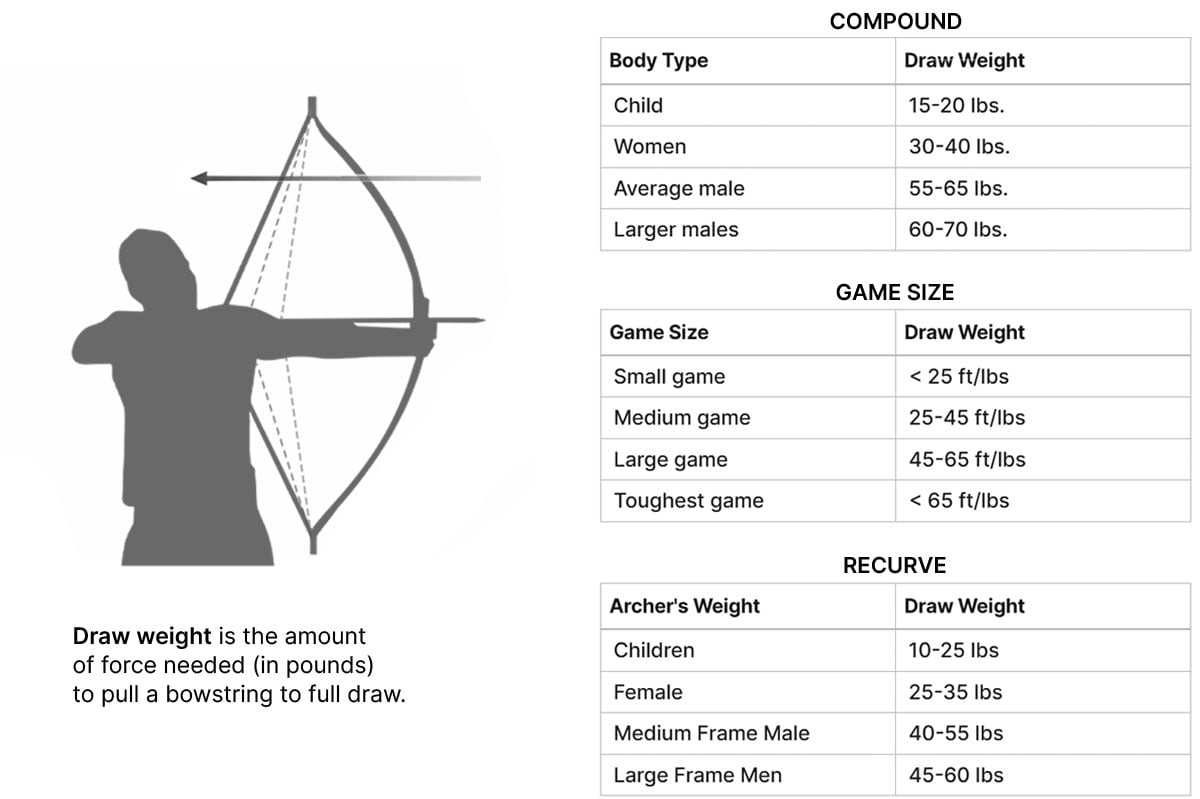
Draw weight is the force needed to pull back a bowstring to a specific distance, usually measured in pounds. This core metric affects how far and fast arrows fly, the ease of shooting, and even the legality for hunting. For instance, many states require a minimum draw weight for hunting deer, often around 40 pounds (see Iowa DNR).
The Science Behind Draw Weight
Draw weight is not just about strength; it’s about balance. Too much draw weight can lead to fatigue, reduced accuracy, and even injury, while too little compromises arrow velocity and penetration. The optimal range depends on:
- Shooter’s physical strength
- Intended use (target, hunting, competition)
- Legal requirements
Impact On Performance And Safety
A correctly set draw weight allows for:
- Consistent shooting form
- Higher accuracy
- Reduced risk of shoulder and back injuries
Switching from a 55-pound recurve to a 40-pound compound bow can improve shot consistency and may eliminate lingering shoulder pain.
Types Of Bows And Their Draw Weight Characteristics
Different bows offer different approaches to draw weight:
- Compound bows: Adjustable, typically 10, 20 pounds range.
- Recurve bows: Usually fixed; some models offer limb swaps for adjustment.
- Longbows: Fixed, rarely adjustable.
| Bow Type | Draw Weight Range | Adjustment Method |
|---|---|---|
| Compound | 10, 70 lbs | Cam and limb bolt adjustment |
| Recurve | 15, 60 lbs | Swap limbs (some models) |
| Longbow | 20, 80 lbs | None (fixed) |
Credit: shootingtime.com
How To Measure Draw Weight Accurately
Before making adjustments, it’s crucial to measure the current draw weight. This ensures you’re working from an accurate baseline and prevents mistakes.
Tools Needed For Measurement
- Bow scale: A handheld device that measures force in pounds.
- Measuring tape: For verifying draw length.
- Notepad: To record results.
Step-by-step Measurement Process
- Attach the bow scale to the string.
- Pull the string to your full draw length (usually 28 inches for adults).
- Read the measurement on the scale.
- Repeat twice for accuracy, and average the results.
Pro Tip: Always measure at the specific draw length you use, as draw weight increases with longer draws.
Common Mistakes In Measurement
- Measuring at the wrong draw length.
- Using a faulty or uncalibrated scale.
- Not factoring in arrow weight, which can affect perceived draw effort.
Example: Measuring Draw Weight On A Compound Bow
A compound bow advertised at 60 lbs may measure as low as 58 lbs at your draw length. This small difference helped fine-tune my tuning and improved shot consistency.

Credit: www.youtube.com
Adjusting Draw Weight On Compound Bows
Compound bows are renowned for their adjustability, which is especially valuable for youth, beginners, and those seeking custom performance.
Understanding Limb Bolts And Cam Systems
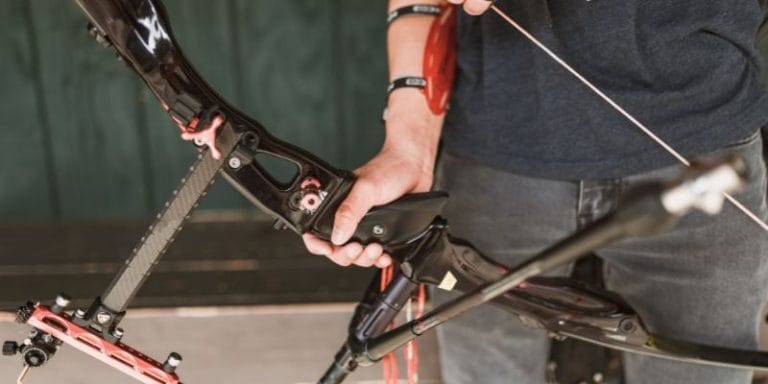
Compound bows use limb bolts and cam systems for adjustment. Limb bolts connect the limbs to the riser, while cams control string length and let-off.
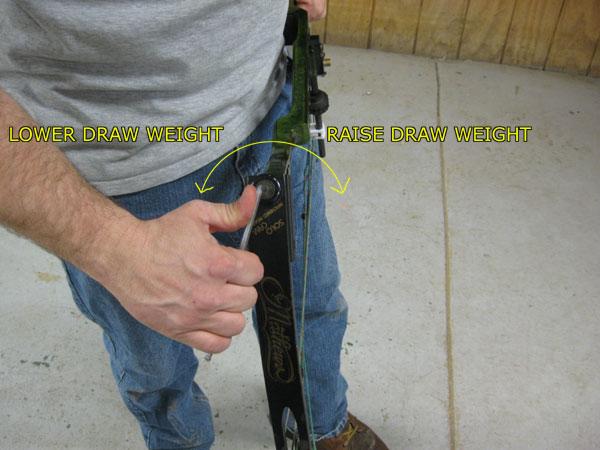
- Limb bolts: Turning clockwise increases draw weight, counterclockwise decreases it.
- Cam system: Some bows offer adjustable cams for fine-tuning let-off and draw length.
Step-by-step Draw Weight Adjustment
- Place bow in a stable position (bow vice recommended).
- Locate limb bolts above and below the riser.
- Use an Allen wrench to adjust bolts evenly, never more than two turns at a time.
- Measure draw weight after each adjustment.
- Test draw length and let-off to ensure compatibility.
Warning: Uneven limb bolt adjustments can damage the bow or affect accuracy.
Manufacturer Guidelines
Most manufacturers recommend not exceeding four turns from the fully tightened position. Always consult the user manual or the official site (Hoyt Archery) for specifics.
Example: Adjusting Draw Weight For A Teenage Archer
A 15-year-old started with a 40-pound compound bow. By gradually lowering the limb bolts, her father reduced the draw weight to 30 pounds, allowing her to develop proper form and confidence before moving up.
Comparing Compound Bow Models For Adjustability
| Model | Draw Weight Range | Adjustment Steps | Let-Off |
|---|---|---|---|
| Hoyt PowerMax | 40, 70 lbs | Up to 10 turns | 65, 75% |
| Bear Cruzer G2 | 5, 70 lbs | Up to 12 turns | 75% |
| Diamond Edge SB-1 | 7, 70 lbs | Up to 15 turns | 80% |
Adjusting Draw Weight On Recurve And Longbows
Recurve and longbows offer less flexibility than compounds but can be adjusted through limb selection or specific tuning methods.
Swapping Limbs On Recurve Bows
Some modern recurve bows feature ILF (International Limb Fitting) systems, allowing shooters to swap limbs for different draw weights.
- Remove old limbs.
- Install new limbs rated for desired draw weight.
- Measure and test.
This method is common in competitive archery where fine-tuning is essential.
Tiller Adjustment
Tiller refers to the balance between the top and bottom limbs. While tiller adjustment won’t change overall draw weight dramatically, it can affect feel and performance.
- Use tiller bolts to slightly adjust limb tension.
- Measure tiller gap (distance between string and limbs).
Longbow Considerations
Longbows are generally non-adjustable. The only way to change draw weight is to buy a new bow or custom order one.
Example: Upgrading A Recurve Bow For Hunting
A recreational archer swapped her 30-pound recurve limbs for 45-pound limbs when preparing for deer season. The swap enabled her to meet local legal requirements and increased arrow penetration.
Comparison Table: Recurve Vs. Longbow Adjustability
| Bow Type | Adjustment Method | Flexibility | Cost |
|---|---|---|---|
| Recurve (ILF) | Limb swap | Moderate | $100, $200 per limb set |
| Longbow | None | None | $250, $1000 for new bow |
Choosing The Right Draw Weight For Your Needs
Selecting the optimal draw weight isn’t about maximum power, it’s about matching your goals, body, and shooting context.
Factors Influencing Draw Weight Choice
- Physical strength and conditioning
- Shooting frequency
- Target vs. hunting
- Legal requirements
Recommended Draw Weights By Use Case
- Beginner adults: 20, 30 lbs for recurve/compound
- Hunters: 40, 60 lbs (check regulations)
- Youth: 10, 20 lbs
- Competitive archers: 30, 50 lbs
Testing And Fine-tuning
Always start with a lower draw weight and increase as strength and form improve. Many archers find their ideal weight after several weeks of practice.
Example: Competitive Archer’s Draw Weight Journey
A target archer began with a 32-pound recurve, gradually increased to 38 pounds as her strength improved, and saw her scores rise in national competitions.
Draw Weight Vs. Arrow Performance
| Draw Weight | Arrow Speed (fps) | Penetration | Suitability |
|---|---|---|---|
| 20 lbs | ~140 | Low | Youth, beginners |
| 40 lbs | ~180 | Moderate | Recreational, hunting small game |
| 60 lbs | ~220 | High | Big game hunting |
Risks And Safety Considerations When Adjusting Draw Weight
Changing draw weight is not without risks. Proper technique and awareness are critical for safety and bow longevity.
Bow Damage And Warranty Issues
- Exceeding manufacturer recommendations can void warranty.
- Uneven adjustments can warp limbs or affect accuracy.
- Using incorrect tools can strip bolts or damage threads.
Personal Injury
- Overestimating physical capability can lead to shoulder, elbow, or back injuries.
- Always warm up before testing new weights.
- Consult a physician if you have pre-existing conditions.
Maintenance After Adjustment
- Check string and cable tension.
- Inspect limbs for cracks after major changes.
- Test shots at short range before full-power shooting.
Pro Tip: Always record adjustments and measure after every change to ensure consistency.
Example: Injury Prevention In Youth Archers
A youth coach lowered all team bows to 20 pounds, emphasizing form and safety before gradually increasing draw weights. No injuries were reported, and skill levels improved steadily.
Real-world Case Studies: Draw Weight Adjustments In Practice
Learning from others can clarify the practical impact of draw weight changes.
Case Study 1: Bowhunter Prepares For Elk Season
A bowhunter increased his compound bow draw weight from 50 to 65 pounds for elk hunting. He spent six weeks gradually adjusting limb bolts and training his muscles, resulting in improved arrow penetration and a successful hunt. His process included regular measurement and consulting Archery Trade Association guidelines.
Case Study 2: Competitive Archery Club
A club standardized beginner bows at 25 pounds and offered incremental limb upgrades. Archers who moved up only after mastering form showed higher scores and fewer injuries, demonstrating the benefits of gradual draw weight increases.
Case Study 3: Adaptive Archery Program
An adaptive archery program used highly adjustable compound bows, enabling participants with varied abilities to find comfortable draw weights. Success rates and enjoyment increased, and no equipment failures occurred due to careful adjustment procedures.
Frequently Asked Questions
How Can I Tell If My Draw Weight Is Too High?
If you struggle to reach full draw without shaking, or if your accuracy drops after several shots, your draw weight may be too high. Signs include muscle fatigue, inconsistent form, and discomfort during shooting.
Can I Adjust Draw Weight Without Special Tools?
Compound bows require an Allen wrench for limb bolts, while recurve bows may need specific limb hardware. For accurate measurement, a bow scale is recommended. Attempting adjustments without tools can damage the bow or reduce safety.
Does Changing Draw Weight Affect Arrow Selection?
Yes, higher draw weights require stiffer arrows to handle increased force. Using arrows with the wrong spine (flexibility) can lead to poor accuracy and even breakage. Always consult arrow manufacturer charts when adjusting draw weight.
Are There Legal Limits For Draw Weight In Hunting?
Many states and countries set minimum draw weight requirements for hunting specific game. For example, deer hunting often requires at least 40 pounds. Check local regulations before hunting to ensure compliance.
How Often Should I Check My Bow’s Draw Weight?
Check draw weight every time you adjust limb bolts, swap limbs, or notice changes in performance. Regular checks, every few months for frequent shooters, help maintain safety and accuracy.
Making the draw weight on a bow is a blend of science, skill, and careful technique. With the right tools, knowledge, and respect for safety, archers can tailor their bows to match their abilities and goals. Whether you’re adjusting a compound for more power, swapping recurve limbs for target precision, or simply measuring for maintenance, mastery of draw weight adjustment is essential for anyone passionate about archery.