What is the Most Powerful Traditional Bow? Expert Guide & Top Picks
When people think of powerful weapons from ancient times, the image of a traditional bow often comes to mind. These bows played a central role in hunting, warfare, and cultural traditions across the world. But not all bows are the same. Some were designed for speed and portability, while others were built for sheer strength and impact. Today, many archery enthusiasts and historians ask: What is the most powerful traditional bow?
The answer is not simple. “Power” in a bow means more than just how hard it shoots an arrow. It also includes how much energy the bow can store and deliver, its range, the weight of arrows it can shoot, and even how quickly it can be used in battle.
In this article, we’ll explore what makes a traditional bow powerful, compare famous bow types from history, and reveal which one stands out above the rest. If you are curious about archery or want to understand the engineering behind these ancient weapons, you’ll find a clear, practical guide here.
What Makes A Traditional Bow “powerful”?
To find the most powerful traditional bow, we first need to understand what “powerful” really means in this context. Archers and historians measure bow power in several ways:
- Draw weight: How much force is needed to pull the bowstring back. A higher draw weight usually means the bow can shoot heavier arrows at higher speeds.
- Stored energy: The amount of energy the bow holds when fully drawn. More stored energy means arrows fly farther and hit harder.
- Arrow speed: How fast the arrow leaves the bow. Faster arrows travel farther and penetrate targets better.
- Penetration: The ability to pierce armor, shields, or animal hides.
- Accuracy and repeatability: Can the archer shoot accurately and quickly, especially in battle?
Each of these factors plays a role in a bow’s effectiveness. For example, a very heavy bow might shoot powerful arrows, but if it’s too hard to draw or aim, it may not be practical in real combat. The most powerful bow must balance raw force with usability.
Types Of Traditional Bows In History
Different cultures built their bows in unique ways, depending on the materials they had and their needs in war or hunting. Below is a look at some of the most famous types.
Longbow
The English longbow is legendary in European history. Made from yew or elm, it often stood as tall as the archer, sometimes over 6 feet (1.8 meters). The longbow’s power came from its length and simple “self-bow” design (made from a single piece of wood).
- Draw weight: Historical examples range from 80 to over 180 pounds.
- Effective range: Up to 250-300 yards with a heavy war arrow.
- Famous use: Battles like Agincourt (1415), where English archers defeated armored knights.
Composite Bow
The composite bow was developed by ancient civilizations across Asia and the Middle East. Unlike the self-bow, it combines wood, horn, and sinew. This construction stores more energy in a shorter bow, making it ideal for mounted archers.
- Draw weight: Usually 80-160 pounds, sometimes more.
- Effective range: 150-350 yards, depending on design.
- Famous use: Mongol and Turkish armies, who dominated open battlefields.
Japanese Yumi
The yumi is the traditional Japanese bow, easily recognized by its unique asymmetric shape (longer above the handle). Made from laminated bamboo and wood, it is used in both war and ceremonial archery.
- Draw weight: 30-70 pounds typically, but war yumi could exceed 100 pounds.
- Effective range: Usually 100-200 yards.
- Cultural role: Central to the samurai and kyudo (the way of the bow).
Native American Flatbow
The flatbow is common among Native American tribes, especially on the Great Plains. It is wider and flatter than the longbow, which helps distribute stress and allows for strong draws.
- Draw weight: Often 40-60 pounds, but war bows could reach 80+ pounds.
- Effective range: 100-200 yards.
- Notable feature: Simple design but effective for hunting large game.
African And Other Regional Bows
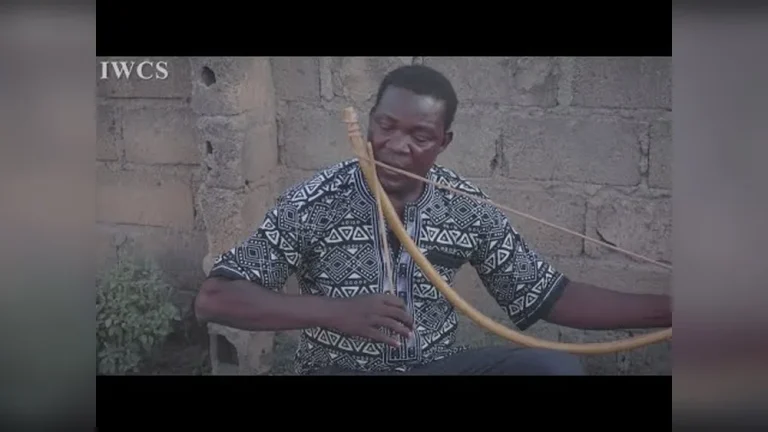
Many African tribes used bows for hunting and warfare, often with lighter draw weights but high accuracy and speed. In Central Asia, the Scythians and Parthians used short, powerful bows for horseback archery.
Comparing Traditional Bow Power: Data And Examples
To help you see the differences, here’s a side-by-side look at key data points for the most famous bow types.
| Bow Type | Draw Weight Range (lbs) | Max Effective Range (yards) | Main Materials |
|---|---|---|---|
| English Longbow | 80-180+ | 250-300 | Yew, Elm (wood) |
| Composite Bow | 80-160+ | 150-350 | Wood, Horn, Sinew |
| Japanese Yumi | 30-100+ | 100-200 | Bamboo, Wood |
| Native American Flatbow | 40-80+ | 100-200 | Osage Orange, Hickory |
Pro Tip: When comparing bows, always consider both draw weight and materials. Composite bows, for example, can deliver more energy at a shorter length because horn and sinew store and release force better than wood alone.
The Case For The English Longbow
When people debate the most powerful bow, the English longbow is often at the center. Its reputation comes from historical battles where English archers famously stopped armored knights.
Strengths:
- High draw weights: Some museum bows test over 180 pounds, much higher than most modern bows.
- Long range: Longbows could rain arrows down on enemy formations from a safe distance.
- Simple but effective design: Made from a single piece of wood, easy to produce in large numbers.
Limitations:
- Requires great strength: Only trained archers could use the heaviest longbows. Medieval English archers practiced from childhood.
- Difficult to use on horseback: Longbows are too big for mounted shooting.
Example: Skeletons of longbowmen from the Mary Rose shipwreck (1545) show enlarged bones in the arms and shoulders, proof of years of heavy bow use.
The Power Of The Composite Bow
The composite bow is another top contender for the most powerful traditional bow. Its secret lies in its construction. By gluing together layers of wood, horn, and sinew, ancient bowyers created a weapon that could store tremendous energy in a compact size.
Strengths:
- High energy storage: Composite bows pack more power into a shorter length, making them perfect for horse archers.
- Versatility: They perform well in both hot and cold climates (with some maintenance).
- Deadly accuracy: Used by Mongols, Turks, and Persians to conquer huge empires.
Limitations:
- Complex to make: Building a composite bow takes skill, time, and special materials.
- Sensitive to moisture: The glue and sinew can weaken in very wet conditions.
Example: The Mongol Empire’s rapid expansion was made possible by mounted archers using composite bows to outshoot their enemies.
Japanese Yumi: Unmatched Size, Unique Power
The Japanese yumi stands out because of its unique shape and ceremonial role. While not always the most powerful in raw force, some war yumi bows reached impressive draw weights.
Strengths:
- Long length: Yumi bows can be over 2 meters (6.5 feet) long, giving them a smooth draw and good arrow speed.
- Versatile shooting positions: The asymmetric design lets archers shoot from kneeling or horseback.
- Cultural significance: Essential in samurai training and Japanese tradition.
Limitations:
- Lower draw weights in modern practice: Most kyudo (Japanese archery) uses lighter bows for safety.
- Large size can be unwieldy: Not ideal for dense forests or quick movement.
Example: In samurai warfare, yumi archers could shoot from behind cover or while riding, giving them flexibility on the battlefield.

Credit: interestingengineering.com
Other Powerful Bows Worth Mentioning
While the English longbow and composite bow are usually at the top, some regional bows deserve attention for their unique strengths.
- Scythian Bow: Short, reflexed design for horseback archery; powerful for its size.
- Hungarian (Magyar) Bow: Similar to the composite bow, famous for speed and accuracy.
- Korean Gakgung: Small but extremely efficient, with draw weights over 100 pounds.
Each of these bows shows how cultures solved the same problem, building the most effective weapon for their needs, with different materials and designs.
What Does Science Say About Bow Power?
Modern tests help us compare the power of traditional bows more accurately. Using replicas and high-speed cameras, researchers can measure arrow speed, energy, and penetration.
| Bow Type | Measured Arrow Speed (fps) | Estimated Energy (Joules) |
|---|---|---|
| English Longbow (120 lbs) | 170-180 | 80-100 |
| Turkish Composite Bow (110 lbs) | 190-210 | 90-110 |
| Japanese Yumi (80 lbs) | 140-160 | 60-80 |
These numbers show that, pound-for-pound, the composite bow can match or even exceed the longbow in energy and speed, especially considering its compact size.

Credit: beasafehunter.org
Why Did Some Powerful Bows Disappear?
You might wonder why, if composite bows are so strong, they didn’t take over the world. The answer lies in local resources, climate, and technology.
- Materials: Not all regions had access to horn, sinew, or the right wood for composites.
- Climate: Composite bows can suffer in wet or humid conditions, which are common in northern Europe.
- Training: Both longbow and composite bow require years of training to use effectively.
- Cost: Composite bows are harder to build and repair.
Example: England, with its abundant yew trees, could field large armies of longbowmen. The steppes of Central Asia, with horse culture and suitable materials, favored the composite bow.
The Most Powerful Traditional Bow: The Verdict
So, after all the comparisons, which traditional bow is the most powerful? The answer depends on how you define “powerful,” but many experts agree:
- For sheer draw weight and battlefield impact, the English longbow stands out.
- For efficiency, speed, and versatility, the composite bow is unmatched.
If we measure by the energy delivered to the arrow and the ability to shoot quickly from horseback, the Asian composite bow takes the title of the most powerful traditional bow overall. Its combination of high draw weight, compact size, and advanced materials allowed mounted archers to dominate battlefields for centuries.
In my experience, shooting both types, the composite bow feels faster and more efficient, especially when you need to move or shoot quickly. However, the longbow’s heavy arrows and range still impress anyone who tries it.

Credit: interestingengineering.com
Common Mistakes When Comparing Bow Power
Many beginners make errors when thinking about powerful bows:
- Focusing only on draw weight: A heavier bow is not always better. Materials and design matter more.
- Ignoring arrow weight: Heavy arrows carry more energy but fly slower. Light arrows are faster but less effective against armor.
- Not considering the archer: The strongest bow is useless if you can’t draw it properly.
- Comparing modern and ancient bows: Modern materials (fiberglass, carbon) have changed the game; always compare like with like.
- Assuming all composite bows are the same: There are many types (Turkish, Mongol, Korean) with different strengths.
How To Choose A Traditional Bow For Power
If you want to try a powerful traditional bow, consider these points:
- Your strength and experience: Start with a lower draw weight and work up. Injury is common if you overestimate your ability.
- Purpose: Are you interested in historical reenactment, hunting, or target shooting? Different bows suit different tasks.
- Maintenance: Composite bows need more care, especially with humidity and temperature changes.
- Availability: Some bows are hard to find or expensive due to materials or craftsmanship.
- Cultural interest: Learning the history and technique of your chosen bow type adds enjoyment and depth.
Warning: Never attempt to shoot a heavy draw weight bow without proper instruction and warm-up. Shoulder and back injuries can take months to heal.
Famous Battles And Stories Featuring Powerful Bows
Powerful traditional bows have shaped history. Here are a few examples:
- Battle of Agincourt (1415): English longbowmen devastated French knights, changing the course of the Hundred Years’ War.
- Siege of Vienna (1683): Ottoman Turkish archers used composite bows to rain arrows on defenders.
- Mongol Conquests: Genghis Khan’s armies, armed with composite bows, conquered lands from China to Europe.
These stories show the impact of powerful bows not just as weapons, but as tools that changed empires.
Frequently Asked Questions
What Is The Highest Draw Weight Ever Recorded For A Traditional Bow?
Some English war longbows found on the Mary Rose shipwreck have draw weights estimated at over 180 pounds. However, only the most trained archers could use these bows effectively. Most historical bows used in battle were between 100 and 140 pounds.
Can A Traditional Bow Shoot Through Armor?
Traditional bows, especially the longbow and composite bow, could penetrate light armor at close range. At longer distances, armor-piercing arrows (bodkin points) helped, but heavy plate armor from the late Middle Ages became difficult to pierce with any bow. Archers often aimed for gaps in armor or unprotected parts.
Are Traditional Bows Still Used Today?
Yes, many people practice traditional archery for sport, hunting, and historical reenactment. Bows like the yumi, longbow, and **composite bow