
Best Bowfishing Rests for Budget Setups (2026): research shows
For budget bowfishing, I’d pick a simple brush or containment rest with stainless hardware and no exposed felt, as long as it clears your arrow shaft and stays centered for fast snap shots. A bad rest rusts, drags the shaft, and costs fish when your arrow leaves slow or kicks sideways. I’ll show the cheapest durable picks, how to match them to recurve or compound bows, and which rest style fits wet-use bowfishing best.
Best bowfishing rest for budget setups
The best budget bowfishing rest is the one that keeps working after water, mud, and rough handling, without turning into a rusted drag point. Based on specs and reviews, the Cajun Bowfishing Quick Draw Arrow Rest is the best starting point for most cheap setups because it gives you full containment, few moving parts, and a price tier that stays in reach.
If you shoot a borrowed bow, or you expect your gear to get rinsed, bounced in a truck bed, and used around muddy banks, I put simple containment ahead of fancy launch systems.
Top pick: why I’d start here on a tight budget
I’d start with the Cajun Bowfishing Quick Draw Arrow Rest because it fits the wet-use job without asking you to spend on features you may not need. Tarheel 3 Gun lists it as a top bowfishing rest pick and calls it very low budget, which matters when you want a rest that can get dunked, wiped off, and used again.
Full containment is handy when you move fast on carp or gar, especially if your hands are wet and your release timing is ugly. The tradeoff is that you still need to check fit carefully, because low-cost bowfishing rests can be picky about riser shape, mounting space, and whether your bow is left-hand or right-hand.
Who should skip this pick
Skip it if you want the cleanest possible arrow launch from a mixed bow setup, or if your bow has odd clearance issues around the shelf and cable guard. I also would not buy it blindly for a left-hand bow without checking orientation first, because the cheapest fix can become the most expensive mistake once holes and hardware are wrong.
If your setup is a compound that you also use for target work, a more adjustable model may make more sense. If you are dead set on a one-bow bowfishing rig, the value case gets stronger.
According to The Best Arrow Rests of 2026, Tested and Reviewed – Outdoor Life — Outdoor Life identifies the Hamskea R7 as its best limb-driven rest.
Quick picks
These are the picks I’d sort budget bowfishing rests into when I compare wet durability, rust resistance, containment, snap-shot speed, and ownership risk. I’m sorting by fit first, then corrosion risk, then how fast the rest clears the shaft, because those are the things that decide if a rest keeps working or turns into a headache.
- Best full containment: Cajun Bowfishing Quick Draw Arrow Rest
- Lowest moving-part risk: Cajun Bowfishing Roller Arrow Rest
- Cleanest arrow launch: Quick Draw Black Bowfishing Arrow Rest
- Best mixed budget setup: Fin-Finder Hydro Glide Pro
- Benchmarks worth knowing: AMS Tidal Wave, Trophy Ridge Quick Shot Whisker Biscuit, QAD Ultra-Rest Hunter
Quick comparison
| Product | Badge | Best for | Price | ||
|---|---|---|---|---|---|
 | – QI HUO JU – Archery Bow Flashlight Mount Universal– QI HUO JU – | Budget pick | Universal flashlight mount for compound bows | $17.99 Price as of 4 Oct 2026 | View |
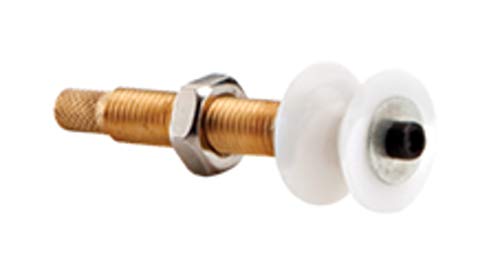 | Cajun Bowfishing Roller Arrow Rest – Easy Installation,Cajun Bowfishing | Our pick | Delrin roller rest for faster arrow speed | $21.42 Price as of 4 Oct 2026 | View |
 | Quick Draw Black Bowfishing Arrow RestQuick Draw Bowfishing Arrow Rest | Upgrade pick | Premium bowfishing arrow rest | $41.75 Price as of 4 Oct 2026 | View |
I’d use this comparison to sort by fit first, then by corrosion risk, then by how fast the rest clears the shaft. The best-looking rest is worthless if it binds the arrow, eats vanes, or does not fit your handedness.
My old mistake was simple: I bought gear that fit the bow I wanted, not the bow I actually used.
How we chose
I compared these rests using four filters that matter in wet bowfishing: wet durability, rust resistance, arrow containment or open launch quality, and compatibility with common bow types. I also weighed ownership risk, which includes retainer loss, hardware wear, and the chance that a bargain rest forces you into a bad compromise later.
For category context, Outdoor Life names the AMS Tidal Wave as its best bowfishing rest, the Trophy Ridge Quick Shot Whisker Biscuit as the best budget rest, the Trophy Ridge Whisker Biscuit Pro as the best fixed rest, the Hamskea R7 as its best limb-driven rest, the QAD Ultra-Rest Hunter as its best budget drop-away, and the Hoyt Hunter Rest as best for recurves. I’m using those as reference points, not as a shopping list for this page.
Tarheel 3 Gun also matters here because it recommends the Cajun Bowfishing Quick Draw Arrow Rest, says bowfishing rests should be highly rust resistant, and says bowfishing demands durability above all else. That matches what I see in muddy creek use and salt exposure: weak hardware fails faster than most people expect.
Cajun Bowfishing Quick Draw arrow rest: best for simple containment
This is the rest I’d put on a tight-budget bow when I want containment without a lot of moving parts. Based on specs and reviews, it is the safer low-cost choice for hunters who want the arrow held in place while they move fast around fish.
What stands out is the simple screw-in design and the rust-proof Delrin roller, which should help in wet conditions better than flimsy felt or bare-steel pieces. Tarheel 3 Gun calls the Cajun rest a very low budget option, so the value case is obvious if your priority is to stay in the game without spending on a full bowfishing rebuild.
The drawback is fit sensitivity. Like many budget bowfishing rests, it can be the wrong answer if your bow has clearance issues, unusual geometry, or a handedness mismatch. I would not treat “cheap” as a substitute for checking hole spacing, arrow centerline, and whether your bow’s shelf or riser shape will let the rest sit where it should.
Cajun Bowfishing Roller arrow rest: best for the lowest moving-part risk
I group this version as the lowest moving-part risk because the roller design keeps the arrow supported without asking the rest to do a lot of complicated work on release. For wet bowfishing, that matters. Fewer tiny parts mean fewer places for rust, slime, or grit to cause a problem.
It is a solid pick if you want a budget rest that leans toward simple reliability rather than a tuned target-style launch. The Delrin roller and brass shaft are the parts that matter most to me on paper, because they give you a tougher wet-weather setup than many generic archery rests at the same spend level.
The honest drawback is speed and forgiveness. A roller can be a little less forgiving than a fully contained biscuit-style setup for pure snap shooting, and it still depends on correct installation. If the shaft tracks poorly or the bow is out of tune, you will feel it quickly.
Quick Draw Black bowfishing arrow rest: best for the cleanest arrow launch
This is the pick I would put closest to a “clean release first” bowfishing rest in this small product set. Based on specs and reviews, it is built specifically for bowfishing applications and is aimed at consistent arrow release, which helps when you are shooting at short range and do not want extra drag.
The advantage is simple: a cleaner path off the rest can help with arrow flight when you are shooting quick, close shots at moving fish. If your hands are wet and your shot window is short, a rest that does not snag or trap the shaft on release can save you from misses that feel random but are really equipment related.
The drawback is that this kind of setup gives up some containment compared with a biscuit-style rest. If you like a fully captured arrow while you draw, a cleaner-launch rest may feel less secure until you get used to it. It also costs more than the very lowest-budget options, so the value math is weaker if you only shoot a few times a season.
Fin-Finder Hydro Glide Pro: best for mixed budget setups
This is the most practical choice when your bowfishing setup is mixed, borrowed, or shared between shooters. The Hydro Glide Pro uses a Teflon channel and aluminum and stainless steel parts, and Tarheel 3 Gun notes tool-free micro-adjust windage plus reversible left/right use. That combination helps a lot when fit is uncertain.
The Teflon channel matters because it cuts drag where the arrow rides, which is one of the failure modes I watch for on wet bows. Less drag means less binding and less chance that fish slime, sand, or dried residue starts making your shots feel sticky. For a budget buyer, that is real value.
The drawback is that it is still more complicated than the simplest fixed rest. More adjustment means more points to check after transport or repeated use. If you want the easiest “bolt it on and forget it” option, this is not the cheapest path.
How I judged each rest
I split the score into six parts: wet durability, rust resistance, arrow containment, snap-shot speed, compatibility, and total ownership risk. That last one matters because a cheap rest that needs rework, replacement, or extra parts is not really cheap.
| Rest | Wet durability | Rust resistance | Containment | Snap-shot speed | Compatibility | Ownership risk |
|---|---|---|---|---|---|---|
| Cajun Bowfishing Quick Draw | High | High | High | Medium | Medium | Low |
| Cajun Bowfishing Roller | High | High | Medium | Medium | Medium | Low |
| Quick Draw Black | Medium | Medium | Medium | High | Medium | Medium |
| Fin-Finder Hydro Glide Pro | High | High | Medium | High | High | Medium |
Wet durability and rust resistance are not the same thing. A rest can keep working for a while and still corrode its hardware, then fail later when a retainer loosens or a screw head rounds out. That is why I like stainless parts, Delrin pieces, and designs that do not depend on felt or exposed spring wear.
Containment helps when drawing in a boat or on a bank with wet hands. Speed matters more once the fish is in range. For snap shooting carp, I prefer a setup that does not trap the arrow so tightly that release feels sticky, but I also do not want a bare shelf that drops the shaft every time I move.
Is a Whisker Biscuit good for bowfishing?
Yes, a Whisker Biscuit style rest can work well for bowfishing if you want low-cost full containment and simple setup. It keeps the arrow captured during the draw, which helps budget shooters, but the bristles can slow the shaft slightly and add drag for some shooters.
Where it helps budget shooters
It helps when you are learning fast shots, borrowing a bow, or shooting a simple rig that needs an easy containment solution. Outdoor Life names the Trophy Ridge Quick Shot Whisker Biscuit as the best budget rest and the Trophy Ridge Whisker Biscuit Pro as the best fixed rest, which tells me the style still has a strong place for value buyers.
I like the idea of a biscuit when you care more about holding the arrow in place than chasing the cleanest launch. It is forgiving. That matters if your timing is rough or your boat is moving and you need the arrow to stay put until the last moment.
Where it slows you down
The downside is drag. A biscuit can shave off a little arrow speed and can feel less crisp on release than an open or roller rest, especially if your shaft or vanes are bulky. For snap shooting carp, that tradeoff is real, because a slow release can turn into a miss when the fish moves an instant before you loose.
It also gives you another wear item to think about. Bristles can wear, and wet grit can make them act inconsistent. If you want the cheapest rest that still survives abuse, a biscuit is good. If you want the cleanest shot path, I would look elsewhere.
Which one should you buy?
If your budget is tight and you want the safest value, buy the Cajun Bowfishing Quick Draw Arrow Rest. If you want the cheapest “works like a bowfishing rest should” answer, that is the one I’d start with. If you can spend a bit more and want easier fit flexibility, the Fin-Finder Hydro Glide Pro is the smarter step-up.
Best choice under a tight budget
Choose the Cajun Quick Draw if you want full containment and a simple wet-weather setup. It is the right answer when every dollar matters and you would rather spend on arrows, line, or a second string set than on a fancy rest.
Best choice if you shoot snap shots
Choose the Quick Draw Black if your style is quick release and fast target acquisition. Its cleaner launch path is the reason I would put it ahead of more clunky budget designs when speed matters more than maximum containment.
Best choice if your bow is borrowed or unusual
Choose the Fin-Finder Hydro Glide Pro if you need a rest that can adapt better to odd fit situations. The reversible left/right use and tool-free micro-adjust windage help when you are dealing with mixed gear, a borrowed compound, or a bow that was not built as a pure bowfishing rig.
When to spend more
Spend more when you fish in salt, leave gear wet for long stretches, or keep breaking cheap parts. A rest upgrade can be worth it if a $20 to $50 model keeps forcing you into replacements, bad fits, or missed shots. I would rather pay once for the right rest than pay twice for the wrong compromise.
How to choose
Start with bow type, then handedness, then how you shoot. A recurve and a compound do not need the same rest treatment, and left-hand fit matters more than many beginners think. I learned that lesson the hard way when I switched to a left-hand bow after finding out my left eye drove my aiming. My groups tightened within two weeks because the setup finally matched the shooter.
- Confirm whether your bow is compound or recurve.
- Check left-hand or right-hand orientation before buying.
- Decide if you want full containment or a cleaner open launch.
- Look for stainless hardware, Delrin, aluminum, or stainless parts instead of exposed felt.
- Make sure the arrow shaft clears the shelf, riser, and rest arm at full draw.
- Prefer the simplest design that still holds the arrow securely during draw and release.
If you are on a recurve, you may be better off with a simple rest that works with the bow’s shelf and does not add unnecessary hardware. If you are on a compound, especially one used for both fishing and target work, a containment or micro-adjust rest can save time and frustration.
A bad setup can make a decent rest look bad. Fix the bow first, then pick the rest that fits the real use case.
Frequently asked questions
Do I need a full containment rest for bowfishing?
No, but it helps more often than not. Full containment is useful when your hands are wet, your boat is moving, or you want the arrow held securely before the shot. If you shoot very fast and care most about a clean launch, an open or roller style may suit you better.
What arrow rest is best for fast bowfishing shots?
For fast shots, I would lean toward the Quick Draw Black because it is built around a clean release rather than maximum containment. A good snap-shot rest should clear the shaft quickly and avoid drag. That said, fit and tuning still matter more than the label on the box.
Which bowfishing rest is most rust resistant?
Among the budget picks here, the Fin-Finder Hydro Glide Pro looks strongest on rust resistance because it uses aluminum and stainless steel parts, plus a Teflon channel. The Cajun options also rate well because of simple construction and rust-proof Delrin in the roller version, which helps in wet conditions.
How much should I spend on a bowfishing rest?
I would think in tiers, not fixed rules. If you only need a basic wet-weather rest, the $20 to $50 zone usually covers the useful budget choices. Spend more when fit is tricky, corrosion is a constant problem, or you need better adjustment for a bow that sees mixed use.