Best Bowfishing Bows for Beginners (2026): we compared
For beginners, a compound bow in the roughly 40–45 lb range with a retriever reel and a slide or roller rest is often suggested, with an axle-to-axle length around 32–34 inches; a recurve may be the simplest hand-drawn option if that is your preference. Pick the wrong rig and you waste money, fight string slap, and spend more time fixing gear than shooting fish.
This guide is part of our Bowfishing from shore and without a boat series.
Quick comparison
| Product | Badge | Best for | Price | ||
|---|---|---|---|---|---|
 | Ready to Hunt Compound Bow Package for Adults,20-70 LbsS F | Our pick | 20-70 lbs draw · 19-30 in length | $110.99 Price as of 27 Sep 2026 | View |
 | AMEYXGS 6/12pcs Archery Fiberglass Bowfishing Arrow BowAMEYXGS | Pair with it | 6 fiberglass arrows · stainless tips | $31.99 Price as of 27 Sep 2026 | View |
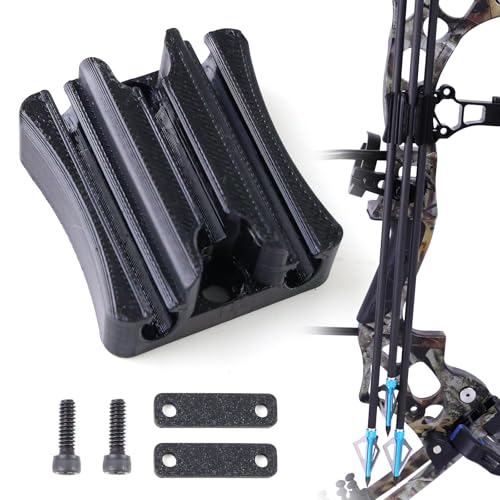 | Compound Bow Quiver Mini Hunting Quiver Capable Of HoldingMoyujian | Also great | Holds 3 wide-headed arrows | $9.99 Price as of 27 Sep 2026 | View |
If you want the shortest path to fish in the water, start with the simplest setup that fits where you’ll shoot. A recurve is easier to understand; a compound can work better if you already own one and are willing to tune it the right way.
How we chose
I looked at beginner handling first, because a bowfishing rig that feels awkward on day one usually stays awkward. Then I checked reel mounting, arrow clearance, maintenance load, and whether the setup makes sense from a boat, from shore, in freshwater, or around saltwater.
I also filtered out options that create avoidable problems for new bowfishers. That means over-heavy draw weights, finicky tuning, and setups that look fine on paper but become frustrating once the line, rest, and arrow are all on the bow.
Finally, I kept the budget path in view. A first rig should work now and still leave room to improve later without replacing everything at once.
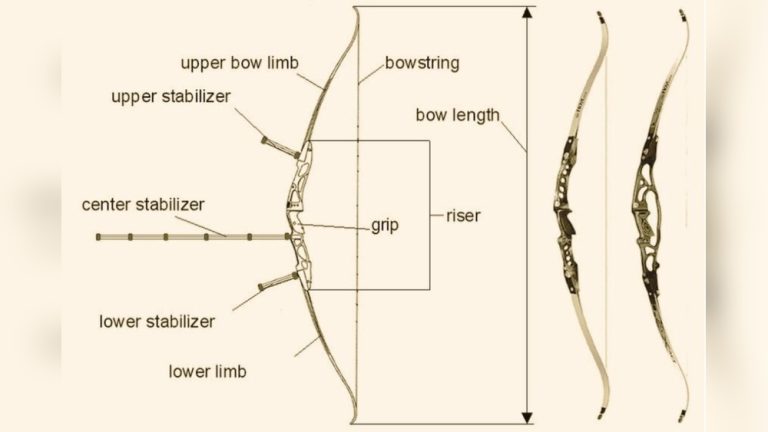
Recurve bow: best for simple learning

A recurve is the easiest learning bow for many beginners because the open-face design is simple, the moving parts are few, and upkeep stays light. If you want to spend less time thinking about tuning and more time learning shot timing on the water, this is the cleanest starting point.
What stands out is how forgiving the platform feels when you are still learning bowfishing basics. The bow does not ask you to manage cam timing or draw-length tuning, and that keeps the setup process calmer for a first-timer who wants to focus on aiming, holding steady, and recovering fish.
The drawback is that a recurve is not the best answer for everyone. If you want let-off, longer holds, or a more adjustable path later, a compound gives you more room to grow, and that matters if you plan to fish often.
What to pair it with on a first setup
I would pair a beginner recurve with a retriever-style reel, a durable arrow rest that keeps the shaft clear, and fiberglass bowfishing arrows. That combination keeps the system simple and helps new shooters avoid the common problem of a bow that works for archery but fights bowfishing gear.
For a beginner, the arrow should be a retrieval arrow with a safety slider and a barbed tip. The reel needs to match the bow’s mounting point and the line should run cleanly without binding, because bad line flow can turn a calm shot into a mess fast.
Compound bow: best if you already own one
A compound makes sense when you already own one or want let-off for a steadier hold, but only if the bow fits bowfishing use after setup. For beginners, the draw-length tuning, cam system, and accessory fit matter more than raw power, and that is where many first attempts go wrong.
Based on the spec sheet and owner feedback, this adjustable compound gives a wide draw-weight and draw-length range, which is useful if you want one bow that can start light and grow with you. That is the kind of flexibility I like for a first setup, especially if the same bow may later see target or hunting use.
The honest drawback is that a compound can become frustrating if it is overdrawn, badly tuned, or left wet after saltwater use.
When a compound becomes frustrating for beginners
A compound turns annoying when the draw length is wrong, the rest does not clear the arrow, or the bow is set too heavy for relaxed shooting. I see this most when beginners chase power instead of control, then wonder why their first shots feel rushed and inconsistent.
Saltwater adds another layer. If you shoot around brackish or salt water, you need to clean metal parts, reel hardware, and exposed fasteners right away, because corrosion can creep in faster than people expect.
Compound bow quiver: best for organized arrow carry
A small quiver works best for bowfishers who want extra arrows on the bow without loose gear on the deck or in the truck. It is a convenience piece, not the heart of the setup, and it matters most when you want quick access to a few wide-headed arrows.
What stands out here is the separate placement, which helps keep arrows from hitting each other. That is useful if you are moving between spots or fishing from a boat where gear bounces more than it does on land.
The drawback is simple: this style is designed around composite bows with installed sights, and without sights it may become unusable. That makes it a narrower fit than the other parts of a beginner rig, so I would treat it as an add-on only after the main bowfishing setup is sorted.
When this kind of accessory matters
I would consider a quiver like this only if your bow already accepts it cleanly and you actually need arrow storage on the bow. Beginners often do better starting with fewer extras, then adding storage once they know whether they shoot from shore or from a moving boat.
If your setup is still in the learning stage, a plain and reliable reel plus one or two arrows is usually enough. Extra gear is useful only when it stays out of the way.
What draw weight and bow length should a beginner choose?
Most beginners should choose moderate draw weight, not a heavy setup, because clean release and repeatable aim matter more than brute force. For bowfishing, that usually means enough weight to send the arrow with authority, but not so much that you fight the bow during every shot.
Bow length matters because tight spaces punish long rigs. A compact bow handles better on a boat and in crowded shore spots, while a longer bow can feel steadier if you have room to move and want a calmer sight picture.
Beginner draw-weight range and why moderate wins
I like moderate draw weight for new bowfishers because it gives you control during fast shooting. Very heavy setups can make you rush the shot, and rushing is where accuracy falls apart. If you are fresh to the sport, comfort and confidence matter more than raw power.
Fish size matters too, but beginners do not need to chase the heaviest practical draw to land common freshwater species. Shot placement and line management usually do more for success than adding pounds to the limbs.
Compact vs full-size bows for boat and shore use
A compact bow is easier to swing inside a boat, around railings, and in tight shore cover. A longer bow can offer a steadier hold when you have room to work, but it may feel awkward when the deck is crowded or the shot window opens and closes quickly.
If I were choosing only for a small boat, I would lean compact. If I expected to shoot from open shore, I would accept a bit more length for stability.
Beginner decision matrix and setup checklist
This is the part most pages skip. A beginner needs a simple way to compare bow types, then a checklist that keeps reel, rest, arrow, and line choices compatible before money gets spent.
| Category | Recurve setup | Compound setup |
|---|---|---|
| Simplicity | 5/5 | 3/5 |
| Maintenance | 5/5 | 3/5 |
| Upgradeability | 3/5 | 5/5 |
| Shore handling | 4/5 | 4/5 |
| Boat handling | 4/5 | 5/5 |
| Freshwater durability | 4/5 | 4/5 |
| Saltwater durability | 4/5 | 3/5 |
One-page compatibility checklist for reel, rest, arrow, and line
- Confirm the bow can accept a bowfishing reel mount without blocking grip or limb movement.
- Choose a retriever reel or similar retrieval style that matches your hand use and line capacity needs.
- Use a rest that gives clean arrow clearance, especially with a bowfishing arrow and line tied on.
- Pick a retrieval arrow with a safety slider, barbed tip, and secure line attachment.
- Use fiberglass arrows if you want durability, lower cost, and easy visibility in the water.
- Check that draw weight is comfortable enough to hold and shoot without flinching.
- For saltwater, choose corrosion-resistant hardware and rinse everything after use.
- Check local laws and species rules before buying gear or fishing.
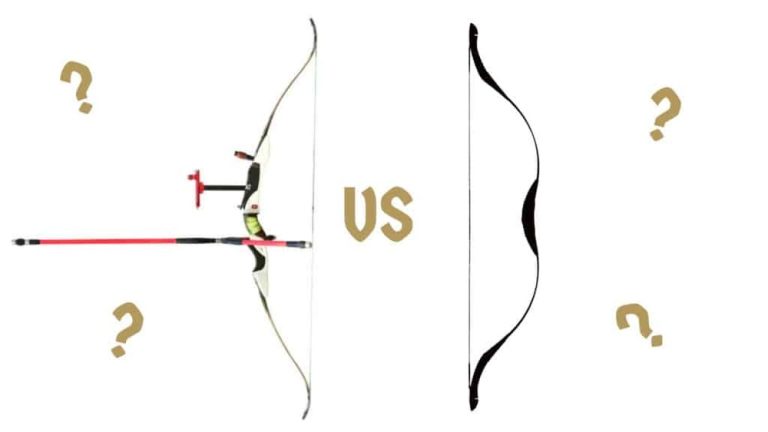
The recurve scores higher on simplicity and maintenance, which is why I call it the easier learning tool. The compound scores better on future flexibility, which matters if you know you will keep shooting and want more adjustment later.
Setup checklist by environment
For freshwater, keep the setup light, durable, and easy to service. For saltwater, pay extra attention to reel hardware, fasteners, and cleaning habits, because corrosion can wreck a beginner setup faster than bad form.
If you are deciding between boat and shore, do not ignore handling. A rig that feels fine on land can feel bulky once you are turning around inside a boat or reaching for fish with one hand.
Which one should you buy?
If you are a true beginner on a budget, I would start with a recurve and a simple retriever reel, then add fiberglass arrows and a durable rest. That path is easier to learn, easier to clean, and less likely to punish you for small mistakes.
If you will fish from a boat or tight cover, a compact compound can be the better buy, especially if you want let-off and you are willing to check draw length, rest clearance, and reel mounting before you leave the garage.
If you already own a compound bow, that changes the math. Use it if the draw length fits, the draw weight is comfortable, and you can set up the rest and reel correctly; do not assume every compound bow is ready for bowfishing without that check.
For freshwater, I would keep the gear simple and focus on handling. For saltwater, I would still start simple, but I would spend more on corrosion-resistant parts and make cleaning part of the routine. I would rather have a modest bow that stays reliable than a stronger one that becomes a headache.
Frequently asked questions
which archery bow is best for a beginner
For most new bowfishers, a recurve is the easiest bow to learn on because it has fewer moving parts and a simpler shot cycle. If you already own a compound and it fits you well, that can work too, but only after you confirm reel mounting, draw length, and rest clearance.
can any bow be used for bowfishing
No. The bow needs to accept a bowfishing reel, line, and retrieval arrow setup, and it should clear the arrow cleanly. A standard archery bow may be usable only after you confirm the accessories fit and the draw weight is comfortable for fast shooting.
can any compound bow be used for bowfishing
Not safely or comfortably. A compound bow can work if the draw length is tuned, the weight is sensible, and the rest and reel mount match the bow. If the bow is over-drawn, poorly tuned, or exposed to saltwater without care, it becomes a hassle fast.
what bow weight is best for beginner bowfishing
Moderate draw weight is the right starting point for most beginners. It gives you enough control to shoot accurately without making the bow hard to hold or recover between shots. Heavy setups often lead to flinching, which hurts more than a few extra pounds helps.
what draw weight do you need for bowfishing
You need enough draw weight to send the arrow with confidence, but not so much that you lose control. For beginners, the practical goal is repeatable shooting. If you can draw smoothly, hold steady, and shoot without fighting the bow, you are in the right range.
do I need a special bowfishing reel for a beginner setup
Yes, you should use a reel designed for bowfishing. It needs the right retrieval style, enough line capacity for your water and target species, and a mount that fits your bow. A mismatched reel creates line trouble and slows you down when the shot finally comes.
what features matter most in a beginner bowfishing bow
Start with simple handling, durable parts, and easy maintenance. Then check reel fit, rest clearance, arrow choice, and draw weight. Comfort matters more than raw power, because a bow you can shoot cleanly will put more fish on the string than a bow that only looks strong.