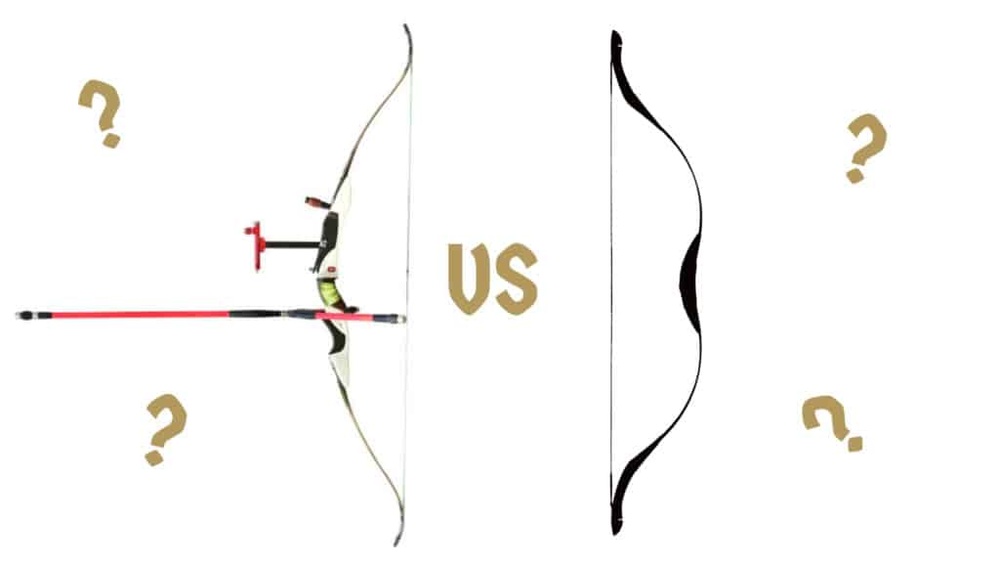
Differences Between Olympic Archery Versus Traditional: Key Contrasts
Archery is one of the oldest sports in human history, blending skill, patience, and focus. Today, it exists in many forms, but two stand out: Olympic archery and traditional archery. Both require a steady hand and a sharp eye, but their styles, rules, and equipment are very different. If you’re new to archery or curious about how these two worlds compare, this guide will break down their main differences, what makes each unique, and why people choose one over the other.
Whether you are interested in competing, learning a new hobby, or just want to understand the culture behind the bow and arrow, you’ll find clear answers here. We’ll look at equipment, rules, techniques, training, and even the mindset needed for each type.
By the end, you’ll know what separates Olympic archery from traditional forms, and which might suit you best.
What Is Olympic Archery?
Olympic archery is the style used in the modern Olympic Games. It’s governed by the World Archery Federation (WA), formerly FITA. The sport is highly regulated, with detailed rules for equipment, scoring, and competition format.
At the Olympics, archers shoot at a target 70 meters away. Each round is timed, and only specific types of bows and arrows are allowed. The environment is controlled, aiming for fairness and consistency. Olympic archery is about precision under pressure, with top athletes practicing for years to master their technique.
Olympic events are usually held outdoors, regardless of weather, and involve both individual and team competitions. The sport is broadcast worldwide, and athletes from many countries compete for medals. This global exposure has shaped Olympic archery into a highly technical and competitive discipline.
What Is Traditional Archery?
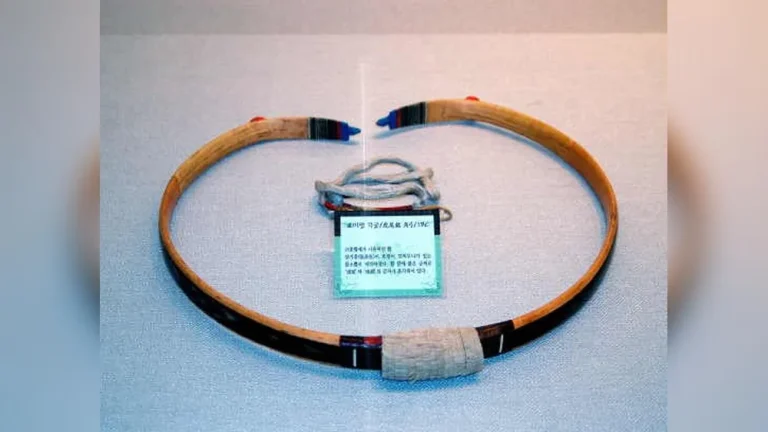
Traditional archery is a broad term covering many styles that predate modern equipment and rules. It includes longbows, recurve bows (without sights or stabilizers), horse bows, and more. Instead of strict regulations, traditional archery celebrates the roots of the sport, often focusing on historical techniques, hunting, or recreation.
There are no universal rules in traditional archery. Each culture and group has its own customs. Some shoot at targets, others at 3D animal shapes, or even in the woods. Traditional archery can be practiced anywhere, at home, in clubs, or at historical reenactment events.
The main idea is simplicity. Most traditional bows are made of wood or natural materials, and the archer relies on instinct, not modern technology. This brings a different kind of challenge and satisfaction, often described as being closer to nature and history.
Equipment: Olympic Vs. Traditional
The most visible difference between Olympic and traditional archery is the equipment. Let’s compare the main components.
| Feature | Olympic Archery | Traditional Archery |
|---|---|---|
| Bows | Recurve bows with sights, stabilizers, clickers | Longbows, flatbows, horse bows, no sights or stabilizers |
| Materials | Modern materials: aluminum, carbon fiber, laminated wood | Wood, bamboo, horn, sinew; sometimes simple laminates |
| Arrows | Carbon or aluminum shafts, precise fletching, plastic nocks | Wooden or bamboo shafts, feather fletching, simple nocks |
| Accessories | Sight, stabilizer, clicker, plunger, finger tab, chest guard | Glove or tab; rarely any other accessories |
Bows
Olympic bows are modern recurve bows. They have limbs that curve away at the tips, giving extra power and speed. These bows are modular, you can change limbs, risers, and accessories. The sight helps with aiming, while stabilizers reduce vibration and keep the bow steady. A clicker gives a signal when the draw length is correct.
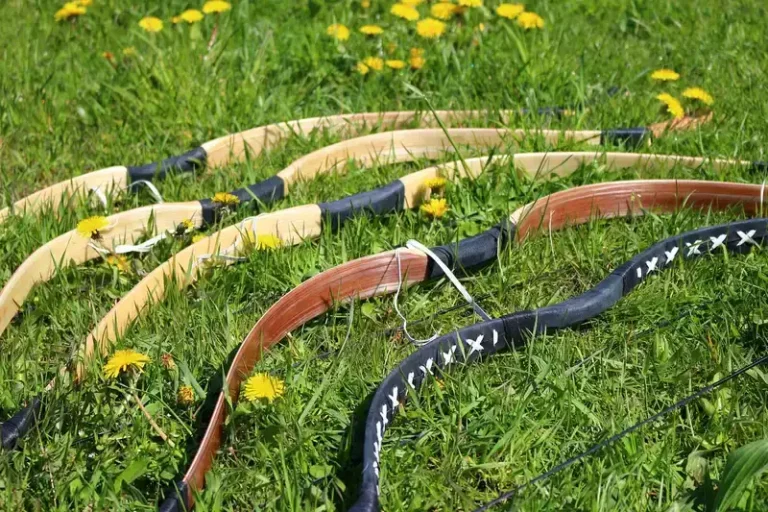
Traditional bows are simpler. The most common types are the longbow (a single curve), the flatbow (broad limbs), and horse bows (short, sometimes recurved, for shooting on horseback). These bows have no sights or extra parts. The archer aims by instinct, using experience to judge distance and angle.
Arrows
Olympic archers use carbon or aluminum arrows for consistency and speed. Each arrow is carefully matched for weight and straightness. Fletching is usually plastic for durability.
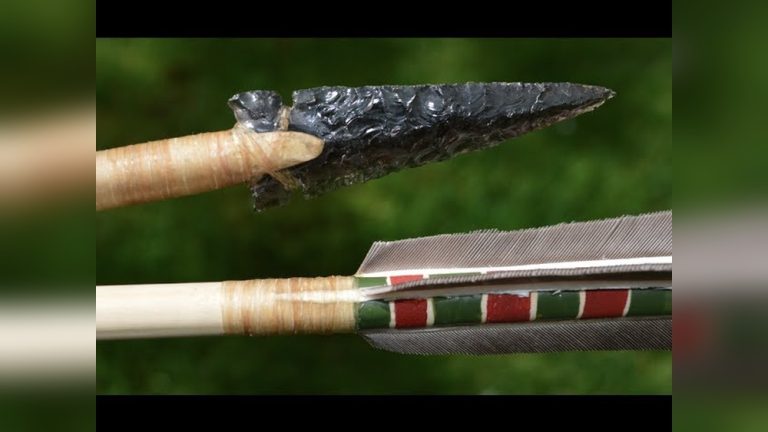
Traditional archers prefer wooden arrows with real feather fletching. Each arrow may be a little different, which adds to the challenge. Some traditional archers make their own arrows, following ancient methods.
Accessories
Olympic archers have a finger tab to protect their fingers, plus a chest guard and arm guard. The bow has a sight, a stabilizer bar, and sometimes a plunger button to fine-tune arrow flight.
Traditional archers often use just a leather glove or simple tab. They might wear an arm guard, but rarely use anything else. The focus is on direct connection between archer and bow.
Example: When I first tried Olympic archery, the amount of equipment surprised me. Adjusting the sight and stabilizer was a skill in itself. In contrast, shooting a traditional longbow felt more natural but required more practice to hit the target.
Rules And Scoring
The way archery is scored and judged is another major difference. Olympic archery has strict rules, while traditional archery is more flexible.
Olympic Archery Rules
- Distance: Always 70 meters for outdoor Olympic events.
- Target: 122 cm diameter, with 10 colored rings (gold center is worth 10 points).
- Rounds: Qualification round (ranking), then head-to-head elimination matches.
- Time: Each archer has a set time for each shot, usually 20 seconds.
- Equipment checks: Bows and arrows are checked for compliance before each event.
Scoring is precise. Every arrow is marked, and ties are broken with special shoot-offs. The environment is controlled to ensure fairness.
Traditional Archery Rules
Traditional archery covers many styles, so rules change depending on the event or club. Some common formats:
- Distances: Can range from a few meters to 60 meters or more.
- Targets: Paper rings, 3D foam animals, or even improvised targets.
- Scoring: Often uses simple point systems, or just counts hits.
- Rounds: Informal; some competitions allow walking between targets (field archery).
There is much less standardization. Some events focus on fun and challenge rather than strict scoring. For example, in traditional 3D archery, you might walk through the woods, shooting at animal-shaped targets from unknown distances.
Comparison Of Competition Formats
Here’s a side-by-side look at typical competition formats.
| Feature | Olympic Archery | Traditional Archery |
|---|---|---|
| Venue | Stadium, flat field, standardized range | Varied: open fields, forests, historical reenactments |
| Distance | 70 meters (outdoor) | 5 to 60 meters, or more |
| Target Type | 122 cm FITA target face | Paper rings, 3D animals, stumps, natural objects |
| Scoring | 10-point system, electronic scoring | Varies: points, hits, or none |

Credit: archershub.com
Technique And Shooting Style
The shooting technique in Olympic archery is highly standardized. Coaches teach a step-by-step process, and every movement is measured for consistency. In traditional archery, technique is more personal, often passed down through generations or learned by trial and error.
Olympic Technique
- Stance: Feet shoulder-width apart, body perpendicular to the target.
- Draw: Pull the string to the chin, anchor at the jaw or cheek.
- Aim: Use the sight to line up with the target.
- Release: Smooth and controlled, with follow-through.
- Breathing: Controlled breathing to steady nerves.
Olympic archers train to repeat the exact same motion every time. Small errors can mean missing the gold.
Traditional Technique
- Stance: Varies, some stand straight, others crouch or move.
- Draw: Anchor point can be at the mouth, cheek, or even chest.
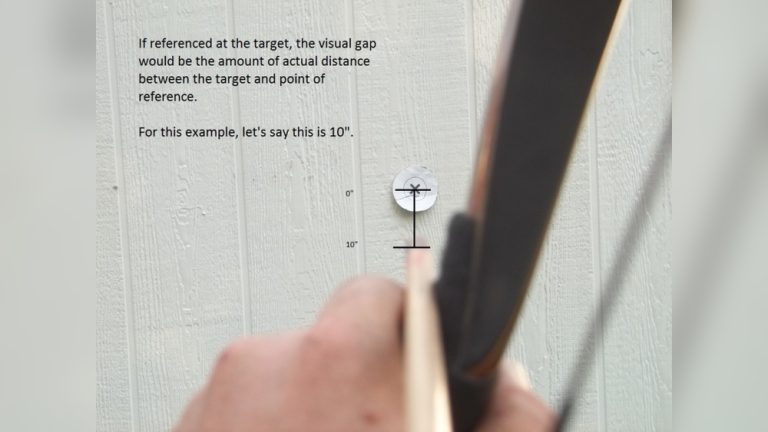
- Aiming: Instinctive (no sight); rely on feel, muscle memory, and practice.
- Release: Often a quick release, using fingers or thumb.
- Movement: Some styles, like horseback archery, require shooting while moving.
Traditional archers may use different grips, draws, and releases. The focus is on adapting to the environment and learning what works for the individual.
Pro Tip: Beginners often overlook the importance of a consistent anchor point. Whether using a modern or traditional bow, always draw to the same spot for better accuracy.
Training And Practice
Training in Olympic and traditional archery reflects their different goals. Both require dedication, but the methods and mindsets are different.
Olympic Archery Training
Olympic training is structured and intense. Athletes practice hundreds of arrows per day. They work with coaches, use video analysis, and follow fitness routines to build strength and endurance.
- Technique drills: Breaking down each step for consistency.
- Mental training: Visualization, focus exercises, stress management.
- Physical conditioning: Strength, flexibility, and stamina.
- Equipment tuning: Regular checks and adjustments for optimal performance.
Many Olympic archers start young and train full-time. Success depends on discipline, attention to detail, and the ability to perform under pressure.
Traditional Archery Training
Traditional archery is often more relaxed, focusing on enjoyment and self-improvement. Practice sessions may be solo or in groups, often outdoors.
- Instinctive shooting: Learning to judge distance and angle by feel.
- Field practice: Shooting at different targets and ranges.
- Bow making: Some traditionalists build and maintain their own equipment.
- Cultural study: Learning historical techniques and traditions.
Some traditional archers do compete, but many shoot for fun or personal challenge. The learning curve can be steep, hitting a target with a longbow at 30 meters is a real test of skill.
Key Insight
One thing beginners often miss: Olympic archery rewards perfection of form, while traditional archery rewards adaptability. Both require practice, but the path to improvement is different.
Mindset And Culture
The culture and mindset in Olympic and traditional archery are shaped by their histories and communities.
Olympic Archery Culture
Olympic archery is about competition and precision. It attracts athletes who enjoy structure, progress tracking, and the thrill of international events. The community is supportive but focused on results.
- Sportsmanship: Respect for rules and opponents.
- Goal setting: Rankings, personal bests, medals.
- Teamwork: In team events, communication is key.
Olympic archers often see themselves as elite athletes, training alongside other sports professionals. Success is measured in points and medals.
Traditional Archery Culture
Traditional archery is more about heritage and personal connection. Many archers are interested in history, nature, or the craft of bow making. The atmosphere is often relaxed, friendly, and inclusive.
- Storytelling: Sharing experiences, bow designs, and hunting tales.
- Cultural pride: Celebrating historical styles (English longbow, Mongolian horse bow, etc. ).
- Community events: Festivals, reenactments, and social shoots.
Traditional archers may compete, but many value the journey over the result. The focus is often on self-improvement, tradition, and enjoying the outdoors.
Cost And Accessibility
The cost of starting archery can vary a lot, depending on the path you choose.
Olympic Archery Costs
Olympic equipment is high-tech and can be expensive. A full setup (bow, arrows, sight, stabilizer, gear) can cost $1,000, $3,000 or more. There are ongoing costs for arrows, maintenance, and range fees.
Access to Olympic training may require joining a club or program. Some countries subsidize athletes, but beginners often pay out of pocket.
Traditional Archery Costs
Traditional bows are usually cheaper, especially if made by hand or bought used. A basic longbow and arrows can cost $200, $500. Accessories are minimal, and you can often practice at home or in local parks (where allowed).
Some traditional archers make their own bows, reducing costs further. However, rare woods or custom bows can be expensive.
Warning: Don’t buy the cheapest bow you find online. Poor-quality bows can be unsafe and frustrating. Test different styles at a club before investing.

Credit: beasafehunter.org
Popularity And Media
Olympic archery gets global exposure during the Olympic Games. Stars like Brady Ellison and Ki Bo Bae have brought attention to the sport. Major events are televised and attract millions of viewers.
Traditional archery is less visible in mainstream media but has a strong following in specific communities. It appears in historical documentaries, movies, and fantasy series (like “The Lord of the Rings”). Some social media channels and YouTube creators have made traditional archery more popular in recent years.
Which Should You Choose?
Choosing between Olympic and traditional archery depends on your goals, interests, and personality.
- If you love competition, precision, and high-tech equipment, Olympic archery is ideal.
- If you prefer history, simplicity, or shooting for relaxation, traditional archery is a better fit.
Many archers try both. Some start with traditional gear to learn the basics, then move to Olympic style for competition. Others stick with traditional for the connection to history and nature.

Credit: ozhuntingandbows.com.au
Notable Differences At A Glance
Here’s a quick summary of the main differences.
| Aspect | Olympic Archery | Traditional Archery |
|---|---|---|
| Equipment | Modern recurve, accessories | Simple bows, natural materials |
| Rules |