Best Bow Sights for Low-Light Hunting (2026): We Compared
For low-light hunting, choose a bow sight with a large 0.019-inch fiber or an add-on light if your pins fade at dawn, dusk, or in dark woods; pick the setup that keeps the pin visible without blooming. Miss that choice and you can lose the sight picture, rush the shot, or send an arrow at last light with poor pin clarity. This guide compares fiber brightness, sight lights, and setup tuning, and shows which fix matches glare, dim pins, or wet-condition failure.
Quick comparison
| Product | Badge | Best for | Price | ||
|---|---|---|---|---|---|
 | Trophy Ridge Gem 3-Pin Bow Sight – .019” Fiber Optic PinsTrophy Ridge | Our pick | .019" Pins · Reversible · Yellow Hood | $26.99 Price as of 19 Oct 2026 | View |
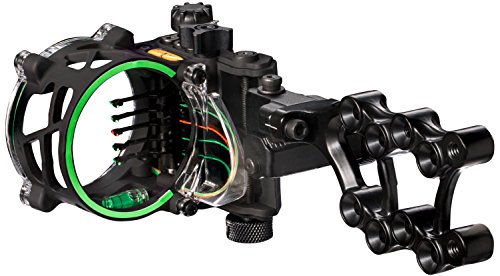 | Trophy Ridge Fix Bow Sight, 5 Ultra-Bright 0.019"Trophy Ridge | Upgrade pick | 5 Ultra-Bright Pins · Micro-Adjustable · Includes Hardware | $87.43 Price as of 19 Oct 2026 | View |
 | LWANO Rechargeable Archery Compound Bow Sight Light, 3LWANO | Pair with it | Rechargeable LED · 3 Brightness Levels · Universal Fit | $21.89 Price as of 19 Oct 2026 | View |
 | 37/45 Degree Hooded Peep Sight Compound Bow Peep SightLinkboy Archery | Also great | 37/45 Degree · 6X Lens · CNC Aluminum | $26.99 Price as of 19 Oct 2026 | View |
Use the table to split the real low-light fixes: brighter pins, a powered light, or better setup. The right answer depends on faint pins, haloing, glare, or poor sight adjustment.
How we chose
The shortlist favors sights and lights that solve a specific low-light failure mode, not a generic “brighter” claim. Fit matters too, especially thread standards such as 3/8-32, 1/4-28, and 7/16-20. Power source, brightness control, and weather resistance also matter because dawn and dusk add damp air, glare, and battery risk.
Setup support was another filter. A sight can still fail if windage, elevation, pin count, or brightness is wrong for shaded woods or close timber. This guide gives the fiber-vs-light decision first, then the tuning step that keeps the choice useful in the field.
Trophy Ridge Gem 3-Pin: best for simple low-light setup
This 3-pin sight suits hunters who want a straightforward low-light option with .019 fiber optic pins and a reversible design for left- or right-handed shooters. The yellow hood accent helps with quick target acquisition, and the removable level gives a cleaner sight picture when light is already thin.
The main tradeoff is pin count. Three pins are easy to read, but they still demand a clean gap between yardages, so they are better for hunters who can set a tight pin spread and do not need extra holds cluttering the housing.
Trophy Ridge Fix Bow Sight: best for adjustable fiber brightness
This is the better fit when a hunter wants bright .019 pins plus the option to tune the sight for changing light. It uses five ultra-bright 0.019 fiber optic pins, includes micro-adjustable pins, and adds second-axis adjustment, which helps when the bow is level but the pin picture still looks off on uneven ground.
The drawback is cost and complexity. More adjustment points help a serious setup, but they also give more ways to mis-set the sight if the bow is not tuned before last light. The added rheostat light option is useful only if brightness is kept low enough to avoid blooming.
LWANO Rechargeable Archery Compound Bow Sight Light: best for universal add-on lighting
This is the most flexible add-on light in the group because it is micro-USB rechargeable, offers 3 brightness levels, and fits 95% of compound and recurve bow sights, according to the product details. That makes it a strong choice for hunters who want a powered light without rebuilding the entire sight.
The drawback is the usual one with powered lights: too much brightness can create haloing around the pins, especially against dark timber or when the sight housing already catches glare. It is also a battery-dependent solution, so the hunter must remember to charge it before a dawn sit.
Linkboy Archery 37/45 Degree Hooded Peep Sight: best for pin clarity support
This is not a bow sight in the same sense as the others; it is a peep and clarifier kit that can help pin visibility in hunting situations when the rear sight image looks fuzzy. The CNC aluminum construction is a plus, and the clarifier lens can improve sight-picture clarity for some setups.
The drawback is scope and compatibility. A peep and clarifier do not replace a bright pin or a sight light, and the wrong angle or aperture choice can still blur the picture. It helps a particular part of the system, not every low-light failure mode.
Best bow sight for low-light hunting
The best low-light setup matches the failure mode. If the pins disappear in dawn shade, a .019 fiber sight is often enough. If the pins are visible but dull in dark timber, a powered light can help. If the sight picture is already messy, tuning and pin layout may matter more than either accessory.
A common first-timer mistake is adding more brightness before fixing the sight picture. Suppose a hunter in a ground blind sees the lower pin glow hard at 15 yards, but the top pin blooms and washes into the black bark behind it. That is not a visibility victory; it is a brightness problem that can hide the aiming edge.
Quick picks
- Best simple fiber option: Trophy Ridge Gem 3-Pin
- Best adjustable sight setup: Trophy Ridge Fix
- Best add-on light: LWANO rechargeable sight light
- Best pin-clarity helper: Linkboy peep and clarifier kit
Quick comparison table
| Pick | Best for | Key spec | Price |
|---|---|---|---|
| Trophy Ridge Gem 3-Pin | Simple low-light hunting | 3-pin, .019 fiber optic pins | $26.99 |
| Trophy Ridge Fix | Hunters who want adjustable fiber brightness | 5 ultra-bright 0.019 pins, micro-adjustable | $87.43 |
| LWANO sight light | Universal add-on illumination | Rechargeable LED, 3 brightness levels | $21.89 |
| Linkboy peep kit | Cleaning up the sight picture | 37/45 degree peep, 6X clarifier | $26.99 |
Sight-in for low light starts in daylight, not at dusk. Set windage and elevation with a clean anchor, then verify the pin picture at the distance you actually hunt. If the bow is already tuned, the low-light job becomes easier because the pin is not fighting form errors.
Use a target that shows the pin edge clearly, then check the same setting in shade. If the pin floats or blends into the background, adjust brightness, pin color, or sight light before moving the sight housing. Keep the groups consistent first; visibility comes second.
Setup checks that matter
- Confirm left- and right-hand compatibility before mounting.
- Set windage before chasing elevation.
- Use the same anchor point for every shot.
- Check pin count against the yardages you really shoot.
- Recheck brightness after moving from sun to shade.
Adjustment should solve one problem at a time. Windage corrects left-right impact; elevation corrects up-down impact; brightness or a sight light only affects what the eye sees. Mixing those jobs creates confusion, especially in a dim woods setup where the pin can look off even when the arrow is centered.
For low-light use, keep the pin picture uncluttered. If the pin cluster feels busy, move to fewer pins or a cleaner yardage layout. If the sight housing throws glare, reduce brightness instead of turning the light up again.
Low-light adjustment order
- Zero the bow at a known distance in daylight.
- Confirm windage and elevation with the same anchor and rest position.
- Step into shade and check whether the pin still reads clearly.
- Lower or raise the light until the pin glows, not halos.
- Retest at the last legal light you are likely to shoot in.
Should I use a sight light or brighter fiber optic pins?
Use brighter fiber optic pins when the pin is merely fading in normal dawn or dusk light. Use a sight light when the pin is technically visible but still too dim to trust in shaded timber, a dark blind, or a rainy morning. The light helps visibility; the pin size helps the pin itself hold shape.
Fiber alone is usually enough in open country with usable ambient light. A powered light becomes worth it when the sight picture is present but weak, or when the bow sits in a dark stand where the pins vanish against bark or brush. That tradeoff comes with battery risk and haloing if the brightness is too high.
When.019 pins are enough
.019 inch pins are a common choice for hunting because they stay easier to see in dim conditions than smaller pins. They are especially useful in dim-to-bright transitions, where the hunter moves between open sky and shaded cover. Five pins can work well if the spacing stays readable.
They are less helpful when the pin is visible but blooms against a dark target. In that case, a bigger pin is not always the answer; the real fix may be a lower brightness setting or a cleaner background.
When pin haloing becomes a problem
Haloing happens when the pin or sight light is brighter than the eye can manage in dark surroundings. The pin edge blurs, the sight picture gets fuzzy, and a small aiming mistake becomes easy. That is common in close timber, blind hunting, and any setup with a light aimed too high.
If the pin glows like a dot with no crisp border, back the light off. If the background is already dark, a more powerful setting often makes the sight picture worse, not better.
What is the best bow sight for low-light hunting?
A common low-light setup uses a compound bow sight with .019 fiber optic pins, clean windage and elevation adjustment, and a brightness option that does not flood the housing. For hunters who shoot in darker timber, a rechargeable sight light can be the better add-on because it fixes weak pin visibility without changing the whole sight.
Compound bow sights with durable aluminum construction tend to hold adjustment better, but the real low-light win comes from matching pin count and brightness to the hunting setup. A treestand whitetail hunter needs a different sight picture than a spot-and-stalk hunter crossing open ridges at dusk.
Who needs a sight light most?
Hunters in ground blinds often need a light sooner than open-country hunters because the blind cuts ambient light and creates a darker background. A rheostat light is especially useful here because brightness can be reduced before it blooms. Hunters in shaded woods may also benefit when dawn light is weak and the sight picture disappears before legal shooting time ends.
Who can skip the powered light?
Hunters who shoot mostly in open morning light may do fine with bright .019 fiber pins alone. If the pins stay crisp against the background and the bow is tuned, adding a powered light may only add battery management and glare risk. In that case, a clean fiber setup is the simpler answer.
Bow sight lights: best for last-light aiming
A bow sight light helps when a bright pin alone is not enough. It is the better tool for legal shooting light, heavy shade, and wet weather that steals contrast from the sight picture. Look for LED or fiber-optic illumination, a threaded mount such as 3/8-32, adjustable brightness, and water resistance that suits dawn and dusk use.

Rheostat lights are the more useful style for compound bow sights because brightness can be tuned instead of fixed. That matters when the problem changes from “too dim” to “too bright” as the woods darken. A fixed-brightness light can help one minute and glare the next.
Rheostat lights versus fixed-brightness lights
A rheostat light gives control over output, which is the whole point in low light. In a brightening dawn, it can stay low enough to avoid washing out the pin. In a black timber edge, it can be turned up just enough to hold the sight picture without overlighting the ring.
Fixed-brightness lights are simpler, but simpler does not always mean better. They can be fine for short sessions, yet they make it harder to adapt when the background changes or the bow is moved from open sky to a shaded tree line.
Thread sizes, battery type, and water resistance
Thread compatibility is not a minor detail. SOPOGER uses a 3/8-32 thread size, while the Viper fits 1/4-28, 7/16-20, or 3/8-32 threaded holes. The LWANO light is listed as a universal fit, which helps hunters who do not want to match one exact mount standard.
Power source also matters. The Viper is micro-USB rechargeable and has a 15-minute timer, which is useful when forgetting to shut off a light would drain it before the next sit. Water resistance matters too, because dawn rain, damp air, and wet brush can turn a weak light into a weak link.
Single-pin or multi-pin for low light?
Single-pin sights reduce clutter and can make the aiming point easier to read when light is fading. Multi-pin sights are faster across different distances, but extra pins can crowd the housing and make the eye work harder in dim conditions. The better choice depends on whether the hunter values speed or a cleaner sight picture.
In low light, fewer visible elements often help. That said, a multi-pin setup with .019 pins can still work well if the spacing is clean and the pins stay easy to separate from each other.
Accuracy versus speed in fading light
A single pin is usually easier to center on a target, especially if the background is dark and the pin needs to stay crisp. The tradeoff is slower distance changes. A multi-pin sight lets the hunter move quickly between known yardages, which is useful when an animal steps in and gives only a short window.
If the shot distance is always close and the lighting is poor, single pin can reduce visual clutter. If the hunter may need an immediate hold at 20, 30, and 40 yards, a multi-pin setup with disciplined pin count may be the better field choice.
How pin count changes clutter and aiming
More pins mean more reference points, but also more things that can blur together at dusk. Five pins can be useful if the sight is tuned and the hunter regularly shoots those distances. Three pins are easier to read when the field is dark and the eye needs a simpler picture.
Say a whitetail hunter in a treestand uses a 5-pin sight at last light. If the lower pins fade into the housing and the top pin stays bright, the sight picture can become uneven and distracting. A simpler pin layout or lower light setting may solve that faster than a new sight.
Low-light sight decision table
Use this table to match the hunt style to the actual problem. It is better to fix the failure mode you have than to buy brightness for a problem that is really about clutter, glare, or fit.
| Hunt style | Lighting problem | Best sight type | Ideal pin size | Recommended brightness setting | Common failure mode |
|---|---|---|---|---|---|
| Treestand whitetail | Shade under cover before sunrise | Bright .019 fiber sight | .019 inch | Low to medium | Pin haloing against dark bark |
| Ground blind | Dark interior and limited ambient light | Bow sight light with rheostat control | .019 inch | Low and adjustable | Overbright glow and glare |
| Spot-and-stalk | Changing light and moving between sun and shade | Fiber pins with optional add-on light | .019 inch | Medium, then back off | Brightness set too high for open light |
| Wet dawn sit | Damp air and reduced contrast | Rechargeable sight light | .019 inch | Low | Battery deadness or foggy glow |
Last-light sight test checklist
- Check the pin against a dark target, then a lighter one.
- Lower brightness until the pin edge stays crisp.
- Confirm the sight light fits the threaded mount before opening day.
- Verify windage and elevation after any brightness change.
- Test the setup at legal shooting light, not full daylight.
Which one should you buy?
Treestand whitetail hunters should start with the Trophy Ridge Gem if they want a simple .019 fiber setup, or the Trophy Ridge Fix if they want more adjustment and a brighter multi-pin layout. The choice comes down to how much clutter the hunter can read when the woods go dark.
Ground blind hunters should lean toward a bow sight light, especially a rheostat-style option that can stay dim. The LWANO rechargeable light is the better low-risk add-on when a universal threaded fit matters and the hunter wants an adjustable light instead of a fixed glow.
Spot-and-stalk hunters usually need flexibility more than raw brightness. A .019 fiber setup with controlled brightness is often enough, because the background keeps changing. If the sight picture goes soft in deep shade, a rechargeable light can be added without replacing the whole setup.
For budget buyers, the Trophy Ridge Gem and the LWANO light are the lower-cost options in this group, with the Gem at $26.99 and the LWANO at $21.89. The best budget choice depends on whether the problem is the pin itself or the light on the pin.
Frequently asked questions
When do bow sights work best?
Bow sights work best when the bow is tuned, the anchor is repeatable, and the target is readable. In low light, that means the best moment is often the last usable edge of dawn or dusk, when a .019 pin is still crisp and the background is not yet blacked out.
What pin size is best for hunting in low light
.019 inch pins are the safest all-around choice for low-light hunting because they remain visible without becoming too bulky in the housing. Smaller pins can be harder to find in dim woods. Larger pins are easier to see but can cover more of the target and feel busy against dark backgrounds.
Should I use a sight light or brighter fiber optic pins: use brighter fiber pins?
Use brighter fiber pins when ambient light is still good enough for the pin to read clearly. Use a sight light when the pin exists but is too weak to trust in shaded woods, a blind, or wet dawn air. If the pin blooms or halos, lower the light before buying more brightness.
How do I keep bow pins visible at dawn and dusk?
Keep the pins clean, choose .019 fiber optic pins, and set brightness only as high as needed. Match the pin count to the shot distance you actually face, then test at last light in the same cover you hunt. If glare appears, lower the light rather than adding more of it.