Best rainy day hunting gear for bowhunters: what to wear
The best rainy-day hunting gear for bowhunters is the quietest waterproof system that fits the hunt: a breathable 2.5-layer suit for stand sits, jacket-and-pants for mobile hunts, and a poncho only for long hikes in light rain. Cheap rain gear costs shots with noise, sweat, soaked layers, and clumsy movement. I’ll break down jackets, pants, suits, and ponchos by hunt style, weather severity, and the failure modes that matter in whitetail woods.
My top pick for most bowhunters is a quiet rain jacket paired with rain pants, because that setup handles stand hunts, short hikes, and mixed weather without the bulk of a full suit.
Quick picks by hunt style


| Best for | What I’d choose | Why it works |
|---|---|---|
| Most bowhunters | Rain jacket + rain pants | Flexible, quieter than most suits, and easy to pack for surprise showers |
| All-day stand sits | 2-piece rain suit with fully taped seams | Better leak control for long sits and less seepage at the shoulders and legs |
| Steep hikes and high exertion | Breathable rain jacket with pit vents | Moves sweat out better on the walk in, so you do not soak your base layer |
| Budget-minded hunters | Basic waterproof jacket first | Protects the torso, packs small, and usually solves the biggest failure point |
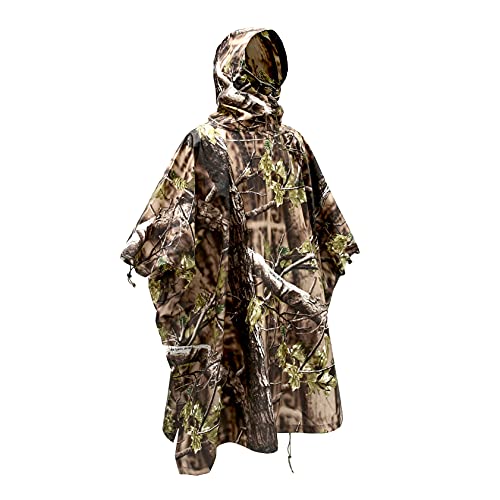
| Steady rain with minimal movement | Poncho | Full coverage and easy on-off, but only if wind and stalk noise are not major concerns |
According to 8 Best Rain Gear for Bow Hunting 2026 – countrycrossbow.com — The VOTAGOO Hunting Rain Suit is described as 100% waterproof.
What is the best rain gear for bowhunting?
The best rain gear for bowhunting is usually a quiet waterproof jacket first, then pants, then a full suit if you sit long enough for leaks and condensation to matter. I start with the piece that protects my torso and hood, because that is where wet weather ruins comfort and focus fastest.
Why a jacket is the most versatile starting point
A rain jacket is the best starting point for most hunts because it protects your core, shoulders, and bow arm without forcing you into bulky legwear every time clouds roll in. Look for a waterproof shell, a storm-flap zipper, quiet fabric, a hood that turns with your head, and pit vents or other breathability features.
In my own use, hood fit matters more than people think. A noisy hood rubbing against a jacket collar can sound louder than the rain itself when a deer is close.
When pants matter more than a jacket
Rain pants matter most when wet grass, knee-high brush, or a soaked seat will ruin your lower half before your upper body gets wet. Full-leg coverage and ankle adjustment keep water from wicking up the cuffs, and a good over-layer fit keeps them from binding when you climb or kneel.
When a full suit is worth the extra bulk
A full suit is worth the extra bulk when you expect long, steady rain, a full-day sit, or repeated sit-and-wait hunts where your lower body, lap, and seat stay wet for hours. A 2-piece set with fully taped seams gives better leak prevention than piecing together random outer layers, and it usually performs better across a whole day.
Where a poncho fits and where it fails
A poncho fits as a niche option for light rain, long walks, and easy packability. It gives movement freedom and fast coverage, but wind can blow it around, and active stalking gets sloppy fast if the fabric starts slapping brush or your bow. I would not choose it as my default for whitetail stand hunting.
Rain jackets: the best starting point for most hunts
For most bowhunters, a rain jacket is the best first buy because it handles the torso, hood, and upper arms while leaving you free to layer underneath. The right one stays quiet, seals water at the zipper, and still lets some heat escape when you hike in.
Waterproof shell and storm-flap zipper
A true waterproof shell matters more than marketing language. A storm-flap zipper helps stop water intrusion at the front, and that matters on long sits where droplets run down the zipper track and into your midlayer. I like jackets that keep the front closure simple, because extra hardware can add noise.
Quiet fabric and hood fit
Quiet fabric is essential for bowhunting. If the shell sounds like paper when you draw, deer will notice it before they notice the rain. Hood fit matters just as much, because a loose hood can block your peripheral vision or brush your bowstring side when you turn to range a lane.
Pit vents and breathability for walking in
Breathability is not a luxury on a wet uphill walk. It helps manage condensation, keeps sweat from soaking your insulation, and prevents that cold, clammy feeling once you stop moving. If I have a longer approach, I want pit vents or another way to dump heat without stripping layers in the rain.
When a jacket alone is enough
A jacket alone is enough for short sits, mild showers, and hunts where you can keep your pants dry by staying on a stand platform or in a blind. It is also the right answer when budget is tight. Spend first on the piece that protects your chest, shoulders, and head.
Rain pants or a full rain suit: which do you actually need?
Choose rain pants when your legs will get wet from brush, wet seats, or kneeling in wet cover, and choose a full rain suit when the whole hunt can turn into a long soak. Pants solve lower-body wetness, but a suit does a better job of keeping everything dry during all-day rain.
Full-leg coverage and ankle adjustment
Rain pants should give full-leg coverage and enough ankle adjustment to seal over boots without flapping. If the cuffs ride up or open while you climb, water gets in fast. I also want a hem that does not drag and soak up water on muddy walks out.
Over-layer fit and noise control
Over-layer fit matters because rain pants should slide over base layers and light insulation without pinching. Too tight, and they rustle every time you step. Too loose, and they bunch at the knee or catch on brush. I want enough room for movement, but not so much that the fabric slaps together.
Taped seams and pack size
Taped seams stop water from working through needle holes, and that matters on long sits where even small leaks become cold spots. Seam durability also matters if you wear gear often. Pack size is the tradeoff. A bulky pant can be a pain to carry, so I only take the pair I will actually keep in the pack.
When a 2-piece rain suit beats separates
A 2-piece rain suit can be a better choice than separates when you expect steady rain, repeated showers, or a late-season sit where staying dry matters. The VOTAGOO Hunting Rain Suit is described as fully waterproof and having several pockets, which makes it a useful example of a full-coverage setup for wetter days.
When does a poncho make sense for bowhunters?
A poncho makes sense for bowhunters on long, low-exertion walks in light rain, especially when packability matters more than wind resistance. It gives broad coverage and freedom of movement, but it is not my first choice for stand hunting in wind or for any stalk where noise control matters.
Movement freedom and easy packability
A poncho can be easy to stash and quick to throw on when rain starts early and you still have a long hike ahead. Because it hangs loose, it can move more naturally over layered clothing. That is useful when you are covering distance and do not want a tight shell trapping heat.
Wind protection limits
Wind is the poncho’s weak point. Open sides and loose fabric can let gusts push rain back under the edges or make the whole garment noisy. That is fine on a calm, steady walk. It is a problem when you are trying to draw a bow in brushy cover.
Stand hunting versus stalking
For stand hunting, a poncho can work if you are already on location and only need coverage over your lap and torso. For stalking, I prefer a jacket and pants because they stay closer to the body and catch less air. When brush is thick, a poncho has more to snag and announce you.
How do I stay dry without making noise while bowhunting?
Stay dry without making noise by choosing quiet fabric, keeping cuffs and hoods controlled, and layering in a way that does not create bulk or friction. The goal is not only waterproofing. It is controlling every place where fabric can rub, flap, or trap sweat before you reach the stand.
Quiet fabric, cuff seals, and hood discipline
Cuff leakage is a common failure point, especially when rain runs down your sleeves or when you raise your arm to set a bow. Tighten the cuffs enough to block water but not so tight that they pinch. Hood discipline matters too. Keep it adjusted before you hear deer coming, not after.
Layering order to avoid bulk and rustle
Base layers should wick and stay close. Midlayers should add warmth without puffing out so much that the shell squeaks over them. The rain shell goes on top with enough room to move, but not so much room that it sounds like a tarp.
Scent-control fabric and wet-weather outerwear compatibility
Scent-control fabric can help reduce odor and sometimes feels quieter in the hand, but I treat it as secondary. Waterproofing, fit, and noise control come first. The SCENTBLOCKER Drencher Rain Jacket uses S3 scent-control fabric, and Country Crossbow describes it as having fully taped seams, which is the right order of priorities for wet-weather use.
How to avoid condensation on the walk in
Open vents early if you are hiking hard, even if you are still dry. Once sweat builds, it is hard to recover. Breathability matters because it helps manage condensation during uphill approaches and humid warm rain. A jacket that keeps rain out but traps steam inside still leaves you wet.
Rainy-day decision matrix: match gear to weather, hunt style, and exertion
The right setup depends on how hard the rain is falling, how far you are walking, and how much you will sweat before you settle in. If you match gear to those three variables, you avoid the common mistake of wearing a heavy suit on a warm hike or too little shell for an all-day sit.
| Weather intensity | Hunt style | Exertion level | Best setup |
|---|---|---|---|
| Light rain | Stand or blind sit | Low | Rain jacket only, or jacket plus packable pants if grass is wet |
| Steady rain | All-day stand hunt | Low to moderate | 2-piece rain suit with fully taped seams and a quiet hood |
| Heavy rain | Long approach to public land | High | Breathable jacket and pants, carried until needed, then worn on the sit |
| Warm drizzle | Mobile spot-and-stalk | Moderate to high | Light, quiet jacket with pit vents; skip bulky insulation |
| Late-season cold rain | Long stand sit | Low | Full suit, taped seams, room for insulation, and whitetail-friendly camo |
Light rain, low exertion, short sits
For short sits in light rain, I keep it simple. A quiet jacket is often enough, especially if the forecast is unstable and I want to move fast. This is where packability matters more than maximum protection.
Steady rain, all-day stand hunts
For all-day stand hunts, I want a full suit or at least a jacket with pants because small leaks become miserable over time. Taped seams matter here more than they do on a brief evening hunt, and camo rain gear helps break up your outline in low light.
Heavy rain, long approach, high exertion
On a long, wet walk, breathability matters almost as much as waterproofing. If your shell cannot dump heat, you will sweat more than the rain can wet you. Pack the outer layer until you reach the stand if the climb is steep.
Late-season cold rain versus warm-season showers
Cold rain calls for more coverage, better sealing, and a quieter fit over insulation. Warm-season showers are more about breathability and noise control. In warm weather, I care less about maximum loft and more about staying dry enough to hold a steady draw.
How should I pack rain gear for a bowhunt?
Pack rain gear in a place you can reach fast, keep it dry inside the pack, and dry it fully after the hunt so the next sit starts clean. If the gear is buried under extra clothing, it will stay home when the sky opens up, which defeats the whole point.
What to pack in the main pack pocket
- Put the jacket where you can grab it without emptying the pack.
- Keep pants in a separate pouch or compression sack.
- Store a small cloth or towel for wiping cuffs and zippers.
- Keep gloves and a cap with the rain set so the whole system stays together.
How to keep gear quiet and dry until needed
Do not cram rainwear beside hard gear that rattles. A soft pocket or dry bag keeps the shell quiet and prevents it from picking up mud from the rest of the pack. The Outdoor Life ALPS OutdoorZ Pursuit Backpack has 2,700 cubic inches of capacity and weighs 4 pounds, 1 ounce, which puts it in the middle of the size range Outdoor Life says most bowhunters do well with.
Outdoor Life lists the Tenzing Hangtime Lumbar Pack as best for quick hunts, and the Sitka Cargo Box as best for tree stand hunters. That tracks with how I think about packing: quick hunts want fast access, while stand hunts want organization and less rummaging in the dark.
The ALPS OutdoorZ Pursuit Backpack also includes a blaze orange rain cover, which is useful when weather turns and visibility drops.
How to dry wet layers between hunts
Hang wet layers separately when you get home. Open zippers, turn cuffs outward, and dry the hood so it does not hold moisture overnight. If you are hunting again the next day, I would rather wear a slightly damp shell than stuff a still-wet one into a sealed pack pocket.
What to replace after repeated wet-weather use
Replace gear when the DWR stops beading, seams start to peel, or the hood and cuffs no longer hold a seal. Once a shell starts leaking at the same spots every trip, it stops being a rainy-day system and becomes dead weight in the pack.
How to choose
Start with your hunt style, not the product label. If you sit still for hours, buy for leak prevention, hood fit, and taped seams. If you hike hard, buy for breathability and quiet fabric first. If you hunt in mixed weather, a jacket and pants set usually covers more situations than a poncho or bulky suit.
Spend money on quiet fabric, taped seams, waterproof zippers, and a hood that stays put. Save money by skipping extras that do not stop water or noise. Camo rain gear matters most in low light and open timber, where whitetail-friendly colors help you disappear better than a bright, shiny shell.
If you are on a budget, buy the jacket first. If you hunt all day in cold rain, buy the suit. If you move a lot and sweat easily, prioritize breathability over maximum insulation so you do not end the sit damp from the inside out.
Frequently asked questions
What is the best rain gear for bow hunting?
The best rain gear for bow hunting is usually a quiet waterproof jacket and pants combination, with a full 2-piece suit for longer sits in steady rain. That setup gives you flexibility, better noise control, and enough coverage to stay effective when weather shifts during the hunt.
What should I wear bowhunting in the rain?
Wear a quiet waterproof shell over a close-fitting base layer, with pants if the brush or sit location will soak your legs. In colder rain, add a midlayer under the shell. In warmer rain, keep insulation light so sweat does not create the same wet problem from the inside.
Do I need a rain suit or just a rain jacket for hunting?
You need just a jacket if the rain is short-lived, the sit is brief, or your legs will stay relatively dry. Choose a rain suit when you expect steady rain, all-day sits, or wet vegetation that will soak your lower body before the hunt is over.
What rain gear is quiet enough for deer hunting?
Quiet rain gear for deer hunting usually means soft-feel fabric, minimal hardware, and a fit that does not flap or rustle. Jacket and pants setups often sound better than stiff full suits. Hood fit matters a lot, because a loose hood can make more noise than the outer shell itself.
Is breathable rain gear worth it for hunting?
Yes, breathable rain gear is worth it if you hike at all, especially uphill or in warm rain. It helps control sweat and condensation, which keeps your base layers drier and your body warmer later in the hunt. Without it, you can end up wet even when the shell never leaks.
What features matter most in rainy-day hunting gear?
The most important features are quiet fabric, true waterproofing, taped seams, a good hood, and enough breathability to manage sweat. After that, I care about packability and camo pattern. Scent-control fabric is useful, but it should never outrank fit, noise control, or leak prevention.