Best cold weather archery gear for late season hunts
The best cold weather archery gear for late season hunts is a layered setup that keeps my bow hand and release hand moving well, my string hand quiet, and my core warm; I start with a silent base layer, insulated outerwear, thin shooting gloves, and chemical hand warmers. Miss that mix and I lose full draw control, make noise at the shot, or leave early because my fingers quit. I’ll show the gear system I use for freezing stands and cold-move hunts, with what matters most for warmth, silence, and clean mechanics.
This guide is part of our Hunting gear comparisons for archers series.
Best cold weather archery gear for late season hunts


My top pick is a layered bowhunting system, not a single bulky jacket, because late-season success depends on draw clearance, quiet fabric, and the ability to stay still without shaking. I want warmth where I sit, freedom where I draw, and enough breathability to keep sweat from turning into a cold problem later.
Quick picks for late-season bowhunters
| Need | Best pick | Why I like it | Best use |
|---|---|---|---|
| Stationary warmth | Heater Body Suit | One-piece system with 300-gram Thinsulate Ultra Insulation, DuPont wind barrier, and DWR treatment | Long treestand sits |
| Active insulation | SITKA Kelvin Lite Down Jacket | 900-fill PrimaLoft Gold Down Blend and 16.8 oz weight in size Large | Cold but mobile hunts |
| Heated layer | TIDEWE Heated Vest | 10,000mAh battery, four carbon fiber heating zones, three heat settings | Long, still sits |
| Wind blocking shell | First Lite Corrugate Guide Jacket | 4-way stretch nylon with DWR coating | Windy walks and climbs |
| Boot warmth | Muck Arctic Pro Boots | Rated from -60°F to 30°F | Freezing ground sits |
| Base layer | Smartwool Merino 250 Base Layer | 100% merino wool for moisture control and skin warmth | Any late-season setup |
Best for treestand sits
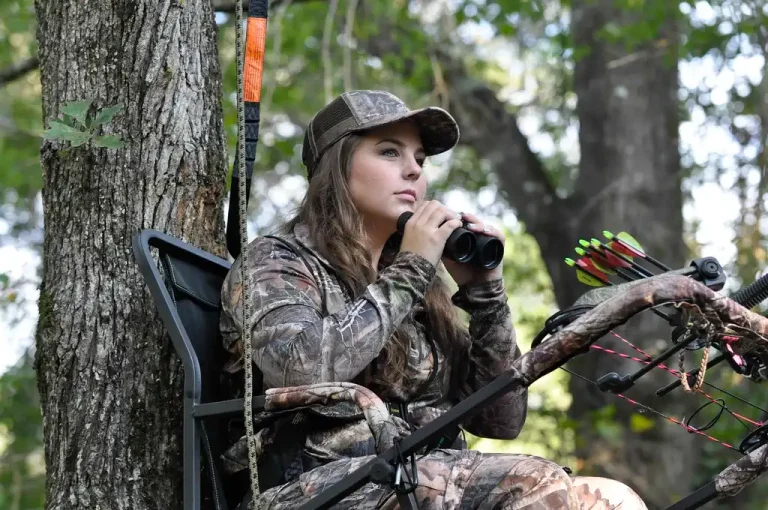
I’d build around the Heater Body Suit or a heated vest plus quiet insulation for treestand hunting. Stationary cold hits feet, fingers, and hips first, and a treestand also brings entry noise, shifting posture, and string clearance problems when bulk gets too thick.
Best for saddle hunts
For saddle hunts, I prefer a lighter insulation layer, a wind shell, and compact warmth pieces that do not bunch at the waist or pinch while I’m hanging. Saddle hunting rewards mobility more than raw insulation, so I keep the system trim and add heat only where I stop moving.
Best for walk-and-stalk hunts
For walk-and-stalk, I care more about sweat control than maximum insulation. I use merino next to skin, a quiet mid layer, and a shell I can vent before I overheat. If I arrive damp, I pay for it later when the wind picks up or I stop for a shot.
How to build a late-season layering system
A late-season layering system should control moisture first, add insulation second, and block wind last. I want pieces I can peel off before the climb, then put back on once I settle in. Warmth has to stay paired with draw room, anchor space, and a clean shot.
Base layer: moisture control and skin warmth
My favorite base layer material is merino wool because it stays comfortable when I sweat a little on the way in and it does not get clammy as fast as many synthetics. The Smartwool Merino 250 Base Layer uses 100% merino wool, which makes it a solid next-to-skin choice for cold sits and slow walks.
I keep the base layer quiet and fitted. If it binds at the shoulders, I feel it at full draw. Cold gear can do the same thing to my mechanics.
Mid layer: insulation without bulk at full draw
Mid layers should trap heat, not block the string path. I like light down blends and quiet synthetic pieces that compress well under a shell. The SITKA Kelvin Lite Down Jacket is worth watching because it uses a 900-fill PrimaLoft Gold Down Blend and weighs 16.8 oz in size Large, which tells me it is built for insulation without feeling like body armor.
Bulky mid layers cause anchor issues fast. They can push the string hand outward, change your release angle, and create string slap on the forearm or sleeve. I want a mid layer that bends with me when I sit, twist, and come to anchor from a cold position.
Outer layer: wind blocking, quiet fabrics, and movement
The outer layer should stop wind, shed light moisture, and stay quiet when I move in a stand. The First Lite Corrugate Guide Jacket uses 4-way stretch nylon with DWR coating, which is the kind of shell fabric I like for bowhunting because it moves well and does not sound like plastic when I draw.
Quiet fabrics matter more than most hunters admit. A loud shell can ruin a close deer encounter even if the jacket is warm. I want wind blocking, but I also want fabric that flexes at the elbows and shoulders so the string path stays open.
Are heated vests worth it for bowhunting?
Yes, a heated vest can be worth it for bowhunting when the hunt is mostly stationary and the battery system is reliable. I like them for long treestand sits because they warm the core without piling bulk onto the shoulders, and that helps preserve bow draw clearance and anchor consistency.
Battery capacity, heat settings, and runtime
Battery capacity matters because a heated vest that dies early is dead weight. The TIDEWE Heated Vest includes a 10,000mAh battery, four carbon fiber heating zones, and three heat settings, which gives you control over output instead of one blunt setting for the entire sit.
ScentLok’s Reactor Vest Plus produces warmth from 100 to 118 degrees and has three heat settings. That range makes sense for hunters who need adjustable warmth, not maximum heat all the time. I like that kind of flexibility for changing weather and changing stand exposure.
Where heating zones help most on long sits
Heating zones help most when they hit the chest and upper back, because that is where I want core warmth without overheating my arms. That matters in a tree stand where you are mostly still, but it matters less when you are hiking hard or climbing a ridge before daylight.
A heated vest is not my first choice for active hunts. If I expect lots of walking, I would rather use a non-heated insulation system and save battery weight. Heated layers shine when motion is limited and cold exposure is long.
When a heated vest adds bulk you do not want
Heated gear gets awkward when the battery pack sits where it interferes with a waist belt, saddle bridge, or pack strap. I also do not like thick heating panels that make the front of the vest stiff at full draw. If a vest changes how I anchor, it is too much.
Which jacket and shell combo works best in freezing stands?
The best jacket and shell combo for freezing stands is a quiet insulated mid layer under a wind-blocking shell, with enough room to draw without binding. I want the jacket to trap heat while seated, and the shell to stop wind without sounding crunchy when I turn or raise the bow.
Insulated jacket traits that matter for shooting
For a hunting jacket, insulation type matters less than how it behaves at full draw. I want low-noise fabric, good shoulder mobility, and enough loft to stay warm without making my front arm feel boxed in. Packability matters too, because I often strip a layer on the walk in.
The Heater Body Suit is built very differently from a normal jacket. It is a one-piece system with 300-gram Thinsulate Ultra Insulation, a DuPont wind barrier, and DWR treatment, and it costs $379.95. That price makes sense only if you sit hard and value maximum stationary warmth over flexibility.
Windproof shell details: DWR, stretch, and noise
Windproof shells are most useful when the wind keeps cutting through your insulation. DWR coating helps shed light moisture, and stretch fabric keeps the shell from fighting your draw cycle. Quietness matters as much as wind resistance because noisy fabric can telegraph movement before the shot.
I prefer shells that can move with my ribs and shoulders. If the jacket pulls across my back while I draw, I notice it immediately. That is why I keep coming back to shells that feel calm in the hands and quiet against the bowstring side.
Packability for the walk in
Packability matters because late-season hunts often start with a climb or a long walk in the dark. If the jacket stuffs down well, I can carry it until I settle into the stand. That helps me avoid sweating early and freezing later, which is a common late-season mistake.
What boots and head protection matter most?
Boots and face protection matter as much as any jacket because cold feet and exposed skin ruin concentration fast. I want boots with real insulation and standing comfort, plus a face covering that blocks wind, breathes well, and does not interfere with string clearance at anchor.
Cold-weather boots: insulation, traction, and standing comfort
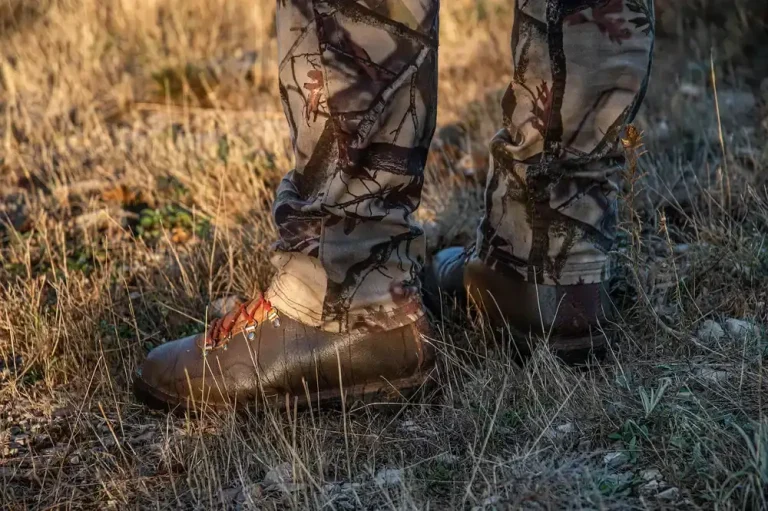
For brutal cold, I like boots with enough insulation for stillness and enough traction for icy steps. The Muck Arctic Pro Boots are rated from -60°F to 30°F, which makes them a strong late-season option when I am standing on frozen ground or waiting through a long sit.
Water resistance matters because wet socks kill warmth faster than cold air. Standing comfort matters too. A boot can be warm in the garage and miserable in a stand if the sole flex or ankle support makes me shift every few minutes.
Balaclava or face mask: coverage, breathability, and bow clearance
A good balaclava or face mask should cover the face and neck, cut wind across the cheekbones, and still breathe when you are climbing or waiting. I also want enough room around the mouth and nose so my breath does not fog my glasses or freeze on the fabric.
Bowstring clearance matters here. Too much fabric near the jawline can catch the string or change how the mask sits at anchor. I look for thin, quiet material that stays in place when I turn my head slowly toward a deer.
Gloves and hand-warmth tradeoffs at full draw
Gloves are a tradeoff. Heavy gloves keep fingers warm, but they can wreck dexterity and release feel. I often use thin shooting gloves with chemical hand warmers in my pockets, then warm the hand right before the shot. That keeps the release hand usable without making the grip sloppy.
Frozen fingers at full draw are a real failure case. If I cannot feel my release or settle my grip, I lose confidence. I would rather manage warmth with pockets, muffs, and hand warmers than wear one thick glove that dulls everything.
Late-season gear matrix by hunt style
This matrix is how I sort late-season gear in my own bowhunting system: warmth, noise, dexterity, draw clearance, and sit comfort all matter. Treestand hunters can accept more bulk. Saddle hunters need less of it. Walk-and-stalk hunters need the lightest, quietest pieces they can carry.
| Item | Warmth | Noise | Dexterity | Draw clearance | Stand-sit suitability | Best for |
|---|---|---|---|---|---|---|
| Heater Body Suit | 10/10 | 8/10 | 6/10 | 7/10 | 10/10 | Treestand |
| ScentLok Reactor Vest Plus | 8/10 | 8/10 | 8/10 | 8/10 | 9/10 | Treestand, saddle |
| TIDEWE Heated Vest | 8/10 | 7/10 | 8/10 | 8/10 | 9/10 | Treestand, saddle |
| SITKA Kelvin Lite Down Jacket | 7/10 | 9/10 | 9/10 | 9/10 | 8/10 | Saddle, walk-and-stalk |
| First Lite Corrugate Guide Jacket | 6/10 | 9/10 | 10/10 | 10/10 | 7/10 | Walk-and-stalk |
| Muck Arctic Pro Boots | 10/10 | 9/10 | 6/10 | 10/10 | 10/10 | Treestand |
| Smartwool Merino 250 Base Layer | 7/10 | 10/10 | 10/10 | 10/10 | 10/10 | All three |
Treestand vs saddle vs walk-and-stalk recommendations
- Treestand: prioritize heated core warmth, insulated boots, and quiet outerwear that does not snag on stand rails.
- Saddle: keep insulation compressed and portable so your bridge, tether, and anchor position stay clean.
- Walk-and-stalk: choose breathable layers and carry extra insulation in the pack instead of wearing it all at once.
Cost of ownership: batteries, socks, gloves, and warmers
The sticker price is only part of the bill. Add spare batteries, extra socks, backup gloves, and hand warmers, because cold-weather gear gets consumed faster than summer gear. I also think about replacement insulation wear, especially on heated vests and heavily used jackets that get stuffed, sat on, and sweat on all season.
How to choose the right late-season system
I choose late-season gear by asking one question first: will I be sitting still, or moving often? If I am sitting still, I bias toward heat retention, wind blocking, and insulated boots. If I am moving, I favor breathable layers, quiet shells, and less bulk at the shoulders and waist.
Decision criteria I use
- Pick base layers that manage sweat and stay quiet against skin.
- Choose mid layers that do not change your anchor point at full draw.
- Use a shell that blocks wind without sounding stiff or plastic.
- Add heat only where you sit the longest.
- Keep gloves thin enough to feel your release.
- Buy boots for stillness, not just walking.
Frequently asked questions
What cold weather archery gear is best for late season deer hunts?
The best cold weather archery gear for late season deer hunts is a layered system built around quiet base layers, a mobile insulation layer, a wind-blocking shell, warm boots, and thin shooting gloves. I rank it by how well it preserves draw clearance and helps me stay still without losing feeling in my hands.
How do I stay warm in a treestand without messing up my bow draw?
I stay warm in a treestand by putting heat into my core and feet, then keeping my shoulders and arms free enough to draw cleanly. That means thinner layers near the bow side, less bulk in the elbows, and warm gear that does not push my anchor point outward.
What layers should archers wear for late season hunts?
Archers should wear a moisture-managing base layer, a quiet insulating mid layer, and a wind-blocking outer layer that flexes at the shoulders. I avoid stacking too much fabric across the draw side, because layered bulk can create string slap and make the bow feel different at anchor.
Are heated vests worth it for bowhunting in cold weather?
Heated vests are worth it when the hunt is mostly stationary and the battery system lasts long enough for the sit. I like them for treestands and long cold waits, but I skip them for active hunts where extra bulk, wires, or battery weight would get in the way.
What gear keeps you quiet while hunting in freezing temperatures?
Quiet gear starts with soft fabrics, low-noise zippers, and layers that do not rub together when you move. I also like merino base layers, quiet pants with articulated knees, and shells with stretch. Loud fabric can spook deer before the shot ever happens.
Which cold weather hunting jacket is best for bowhunters?
The best cold weather hunting jacket for bowhunters is one that balances warmth, noise, and draw mobility. For stationary hunts, I want heavier insulation like the Heater Body Suit. For mobile hunts, I lean toward lighter insulated jackets and a quiet shell that does not bind at full draw.
What boots and face protection matter most in late season bowhunting?
Late-season bowhunting boots need real insulation, water resistance, and enough comfort for long standing periods. For face protection, I want a balaclava or mask that covers the neck and cheeks, blocks wind, breathes well, and stays clear of the bowstring path at anchor.
How do I avoid overheating on the walk in and freezing in the stand?
I avoid that mistake by starting the walk with lighter layers, venting before I sweat, and carrying my heavy insulation to put on once I settle in. Sweat on the hike in becomes cold fast in a stand, so I manage heat early instead of trying to fix it later.