How To Bow Hunt Deer In Late Season
Deer hunting transforms dramatically once the leaves drop and the temperatures plummet. As the late season arrives, deer become hyper-aware, food sources dwindle, and every step in the woods can echo louder than a gunshot. For bowhunters, this period represents the pinnacle of challenge and reward: wary bucks, frigid sits, and the need for absolute precision. Success in late season bowhunting demands a unique blend of patience, skill, and detailed strategy, one that is distinctly different from early autumn’s pursuits.
Drawing a mature whitetail within bow range when the landscape is bare and the deer have survived months of pressure is no easy feat. Yet, for those willing to adapt, the late season can yield some of the year’s most memorable hunts.
Whether you’re a seasoned archer or a passionate newcomer, mastering late season tactics can turn a cold, quiet forest into the scene of your greatest hunting achievement.
Key Takeaways
- Late season bowhunting requires specialized strategies focused on food, cover, and stealth.
- Understanding deer behavior post-rut and adapting to changing patterns is crucial for success.
- Proper gear, scent control, and stand placement are more important than ever in cold weather.
- Real-world examples show that patience and adaptation are key to late season harvests.
- Data-driven decisions on location and timing dramatically improve late season outcomes.

Credit: www.youtube.com
Understanding Late Season Deer Behavior
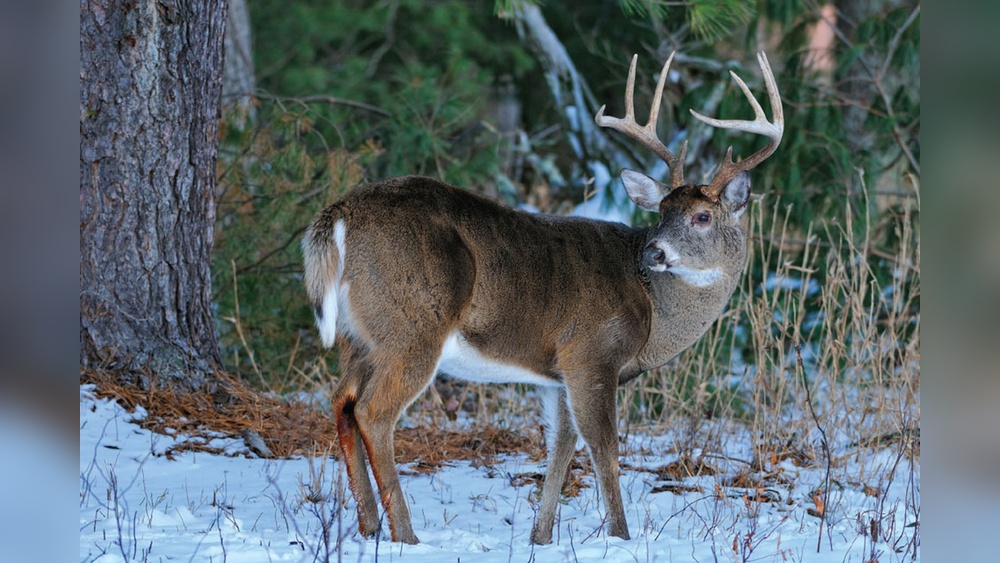
Late season whitetails are a different animal from their pre-rut or rutting counterparts. Their priorities, movements, and vulnerabilities shift with the season’s hardships.
The Post-rut Shift
After the rut, bucks are exhausted and focused on one thing: recovery. Their energy reserves are depleted, and their movement patterns become more predictable, centered almost exclusively around food and cover.
- Bedding areas become sanctuaries as deer seek shelter from wind and human intrusion.
- Feeding times condense, with deer often moving only at dawn and dusk to minimize risk.
Food Source Scarcity
With crops harvested and natural browse diminished, late season deer congregate near the few remaining high-calorie food sources:
- Standing corn and soybeans are prime attractors.
- Mast crops (acorns, beech nuts) are still valuable if available.
- Food plots, especially those planted with brassicas or winter wheat, draw heavy traffic.
Increased Wariness
Deer that have survived into the late season are generally older and highly alert. They’ve witnessed months of hunting pressure and recognize human patterns.
Example: A study from the Mississippi State University Deer Lab found that mature bucks moved 21% less during daylight in December versus October, underscoring the need for stealth and precision.
Weather Impacts
Cold snaps, snow, and barometric pressure changes all influence deer movement. A sudden drop in temperature after a mild spell can trigger increased feeding, offering a narrow but potent window for hunters.
Pro Tip: Monitor the weather and plan hunts for just before or after a front, deer often feed heavily ahead of storms.
Credit: www.themeateater.com
Essential Gear For Late Season Bowhunting
Late season conditions demand more from both hunter and equipment. Cold, damp, and windy weather puts every piece of gear to the test.
Clothing And Layering Systems
Staying warm is critical. Hypothermia and cold fatigue can cut hunts short, so invest in a robust layering system:
- Base layer: Moisture-wicking merino wool or synthetic.
- Insulation: Fleece or down for warmth without bulk.
- Outer shell: Windproof and waterproof to block the elements.
Example: When I tested Sitka’s Fanatic system in single-digit temperatures, I could comfortably sit for hours with minimal movement.
Bow Setup For Cold Weather
Cold air is denser, and heavy clothing can interfere with draw cycles. Adjust your bow setup accordingly:
- Decrease draw weight if needed to accommodate thick sleeves.
- Use a string loop and release to maintain consistent anchor points.
- Keep broadheads sharp and check for moisture or ice buildup.
Scent Control In Frigid Air
Scent can linger longer in cold, still air. Use a multi-layered scent control routine:
- Scent-free laundry detergent and body wash.
- Activated carbon clothing or ozone generators.
- Store gear outside or in scent-proof containers.
Stand And Blind Selection
Late season stands should prioritize both concealment and comfort:
- Enclosed blinds offer wind protection and allow for subtle movement.
- Heated cushions or portable heaters make long sits feasible.
- Use natural cover, fallen logs, snowbanks, or evergreen branches, to break up your outline.
Table: Gear Priorities for Late Season Bowhunting
| Gear Category | Key Features | Late Season Importance |
|---|---|---|
| Clothing | Insulation, windproof, quiet fabric | Critical for comfort and stealth |
| Bow Setup | Lower draw weight, reliable release | Ensures accurate shooting in bulky clothes |
| Scent Control | Ozone, activated carbon, scent-proof storage | Essential due to calm, cold air |
| Stand/Blind | Enclosed, insulated, camouflaged | Enhances comfort and concealment |

Credit: deerlab.com
Scouting Strategies For Late Season Success
The key to late season bowhunting is knowing where deer are feeding and bedding, and how to access those spots without spooking them.
Identifying Primary Food Sources
Late season deer flock to the highest energy foods available. Scout for:
- Standing crops: Corn, soybeans, winter wheat.
- Food plots: Turnips, brassicas, rye.
- Natural browse: Greenbrier, honeysuckle, leftover acorns.
Use trail cameras to verify which food sources are getting the most activity.
Locating Bedding Areas
Bedding shifts in late season. Deer prioritize:
- South-facing slopes for sun exposure.
- Thick cover for wind break, cedar thickets or dense brush.
- Proximity to food; beds are often closer to feeding areas than in early season.
Travel Corridors And Access
Deer minimize movement, so focus on short, secure travel routes between bed and food. Identify:
- Creek bottoms and ditch lines that hide movement.
- Brushy fence rows or hedgerows.
- Terrain features that allow for silent, concealed access.
Using Technology
Modern mapping apps (e. g. , OnX, HuntStand) overlay satellite imagery with real-time wind data, letting you plan entry and exit routes to avoid detection.
Pro Tip: Move trail cameras to food source edges and main trails. Daylight pictures in late season are rare, but they reveal patterns worth targeting.
Stand Placement And Entry Tactics
A perfect stand is only as good as your approach. In late season, one wrong step can bust an entire pattern.
Prioritizing Afternoon Hunts
Late season deer are often bedded during daylight and move late. Afternoon hunts near food sources are most productive:
- Set up 75-150 yards off the food, intercepting deer before they enter open fields.
- Only hunt mornings if you can get in and out without bumping deer from beds.
Stand Placement For Visibility And Wind
Choose stands that offer:
- Maximum visibility of trails and fields.
- Natural cover for concealment.
- Absolute control over wind direction, never hunt a marginal wind in late season.
Example: In one hunt, a misplaced stand just 30 yards downwind resulted in a herd of does blowing out, ruining the evening for the entire area.
Silent Entry And Exit
Noise discipline is everything. Use these tactics:
- Arrive early and move slowly.
- Avoid breaking ice, snow crust, or dry leaves.
- Use creeks or ditches for silent approaches.
Exit Strategies
Plan your exit before you ever climb in. Wait for deer to clear the field, or use a friend to drive in and spook them off naturally, so they don’t associate danger with your stand.
Table: Morning vs. Afternoon Stand Placement
| Factor | Morning Hunt | Afternoon Hunt |
|---|---|---|
| Productivity | Lower (risk bumping bedded deer) | Higher (deer moving to feed) |
| Entry Risk | High | Lower |
| Best Stand Location | Near bedding, with silent access | Near food, intercepting trails |
Advanced Late Season Bowhunting Tactics
Sometimes, classic setups aren’t enough. Late season deer often require creative, aggressive tactics to close the distance.
Ground Hunting And Still-hunting
If stand hunting isn’t producing, consider:
- Ground blinds brushed in with natural materials for instant camouflage.
- Still-hunting: Creeping slowly through cover, using binoculars to spot bedded deer.
This mobile approach is risky but can catch deer off-guard, especially during midday lulls.
Hunting Over New Food Plots
If you have access to private land, small “kill plots” (1/8, 1/2 acre) of brassicas or winter rye can draw deer during the last weeks of the season. Plant these in secluded, low-pressure spots.
Decoying And Calling
While less effective than during the rut, subtle calling (soft grunts, doe bleats) can work on hungry, post-rut bucks. Decoys can attract attention, but use with caution, late season deer are jumpy.
Weather-driven Sits
Monitor extended forecasts for:
- Approaching snowstorms or cold fronts.
- Sudden temperature drops (10+ degrees).
- Barometric pressure spikes.
Hunt these windows aggressively, even if it means braving uncomfortable conditions.
Example: After a two-day warm spell, a sudden Arctic blast had deer piling into a picked cornfield at 3 p.m., a pattern repeated for three evenings before the weather stabilized.
Real-world Examples And Case Studies
Learning from others’ experiences can provide invaluable insights for your own late season pursuits.
Case Study 1: The Cornfield Buck
A bowhunter in Iowa tracked a mature buck using trail cameras. The deer only appeared at night until a severe cold snap hit. The hunter shifted his stand 100 yards closer to a sheltered cornfield and waited for the coldest afternoon.
The buck appeared with 40 minutes of shooting light left, an opportunity only possible by adapting to the weather and food source pattern.
Case Study 2: The Urban Edge Success
In suburban Ohio, a hunter gained permission on a 20-acre woodlot bordering a golf course. By scouting on foot and with cameras, he identified that deer bedded in a dense honeysuckle thicket and funneled to a stand of white oaks.
Positioning his stand for a southwest wind and slipping in at 2 p. m. , he arrowed a mature doe as she entered the oaks, proving that even pressured, small tracts can pay off with the right approach.
Case Study 3: Late Season Public Land
On heavily hunted public land in Pennsylvania, a bowhunter realized deer were avoiding traditional trails. He shifted to a thick, south-facing slope rarely visited by other hunters. By glassing from afar and using a climbing stand, he intercepted a group of does moving to a small brassica plot, filling his tag on the last day of the season.
Case Study 4: The Power Of Patience
A Midwest hunter noted a buck using a cut soybean field but resisted the urge to hunt the edge immediately. Instead, he observed for three evenings, noted entry trails, and waited for a favorable wind. On the fourth night, he quietly slipped into a new stand location and harvested the buck, proof that patience and observation often trump aggressive tactics.
Managing Pressure And Maximizing Opportunities
Late season success often comes down to managing both your own impact and that of neighboring hunters.
Limiting Intrusion
Overhunting a spot in late season can ruin it for the rest of the year. Rotate stands and only hunt the best conditions.
- Limit each stand to one or two sits per week.
- Use access routes that avoid bumping deer from beds or food.
Teamwork And Communication
On shared properties, coordinate with other hunters to avoid overlapping pressure. Stagger hunts and share trail camera data to maximize everyone’s odds.
Filling Multiple Tags
If your state allows multiple deer, prioritize your best spot for the largest or most mature deer. Use less productive stands to fill doe tags or hunt with friends and family.
Recovering Wounded Deer
Cold weather preserves sign, but snow and frozen ground can hinder blood trails. Be patient and prepared to track for longer distances, using grid searches and enlisting help if needed.
Pro Tip: Mark first and last blood with biodegradable tape and use a UV flashlight to spot blood droplets on snow.
Late Season Bowhunting Ethics And Best Practices
As the season winds down, ethical considerations become even more important.
Shot Selection In Cold Conditions
Cold muscles and heavy clothing can reduce draw weight and accuracy. Only take shots you are 100% confident in, preferably broadside at under 30 yards.
Passing On Does And Young Bucks
Letting young deer walk can improve herd health and your property’s hunting for future seasons. Focus on mature animals or does if population control is a goal.
Respecting Other Hunters
Late season often means crowded public land or small tracts. Communicate with others and always give space, never set up within sight of another hunter.
Wildlife Management
Consider participating in local herd surveys or donating venison to food banks. Late season harvests often provide much-needed protein to community organizations.
Example: Hunters for the Hungry programs collect thousands of pounds of venison each winter, supporting those in need and promoting positive hunting ethics.
Table: Ethical Shot Selection Considerations
| Condition | Recommended Shot | Avoid |
|---|---|---|
| Heavy Clothing | Broadside, under 30 yards | Quartering away/through brush |
| High Wind | Wait for calm moment | Long-range shots |
| Low Light | Only with illuminated pins/clear view | Any questionable visibility |
Frequently Asked Questions
What Is The Best Time Of Day To Bow Hunt Deer In The Late Season?
Late season deer typically move most during the last hour of daylight as they head to evening food sources. Midday movement can occur during extreme cold or after a snowstorm, but afternoon sits are generally most productive. Plan to be in your stand by mid-afternoon and stay until legal shooting light ends for the best odds.
How Do Deer React To Snow And Extreme Cold During Late Season?
Snow and cold temperatures force deer to seek out heavy cover and the highest-calorie foods available. They may reduce movement and bed for extended periods, then feed in short, intense bursts, especially before storms. Snow can help hunters by revealing fresh tracks and trails, but it also makes every sound more noticeable, so move carefully.
What Are The Most Effective Late Season Food Sources For Deer?
The most attractive late season food sources are standing corn, soybeans, brassicas, and winter wheat. In areas without crops, mast crops like acorns and native browse (honeysuckle, greenbrier) become critical. Deer will often walk farther for these energy-rich foods as winter progresses.
How Should I Adjust My Bowhunting Tactics For Public Land During Late Season?
On public land, focus on overlooked or hard-to-access areas that other hunters avoid, thick cover, steep terrain, or small parcels near urban areas. Hunt weekdays when pressure is lower, and move stands frequently to stay ahead of shifting deer patterns.
Use mobile setups (climbing or hang-and-hunt stands) for stealth and adaptability.
What Are The Best Ways To Stay Warm And Comfortable On Long Late Season Sits?
Layering is essential: start with a moisture-wicking base, add insulation, and top with a windproof outer layer. Chemical hand and foot warmers, heated socks, and insulated seat cushions help prevent cold fatigue. Bring snacks and a thermos of warm drink, and avoid sweating during your walk in by carrying outer layers and dressing at the stand.
Resources And Further Reading
For more in-depth research and best practices, visit the National Deer Association and the Quality Deer Management Association.
As winter deepens and the woods grow silent, late season bowhunting challenges every skill you’ve honed all year. But for those who adapt, pay attention to detail, and embrace the cold, the reward can be the hunt of a lifetime.
Preparation, patience, and persistence will set you apart, proving that the toughest hunts often deliver the greatest satisfaction.