How to Bowhunt Food Plots in the Late Season
Bowhunt late-season food plots only when wind and access let you reach the edge without crossing deer movement, and leave if mature deer are hitting the plot after legal light or from the wrong side. Bad entry, sloppy timing, or hunting the middle of the plot educates deer fast and can shut down a scarce winter food source for days. This guide covers edge setups, entry and exit routes, wind rules, and how to use nearby travel corridors to improve shot chances without burning the property.
Why late-season food plots matter


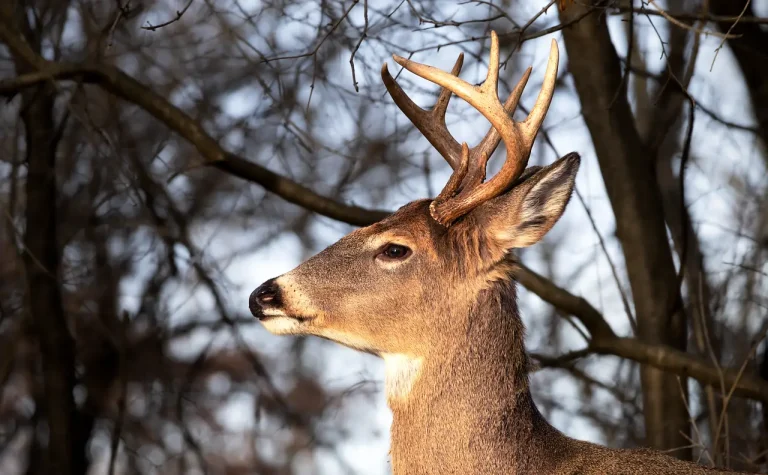
Late season starts after November rut activity passes, and the hunt shifts from social movement to survival feeding. Cold weather pushes deer toward food and away from extra movement, so late-season bow hunting can give hunters another chance at a mature buck. Food plots help attract and hold deer on hunting property, but only if the plot still offers calories worth crossing open ground for.
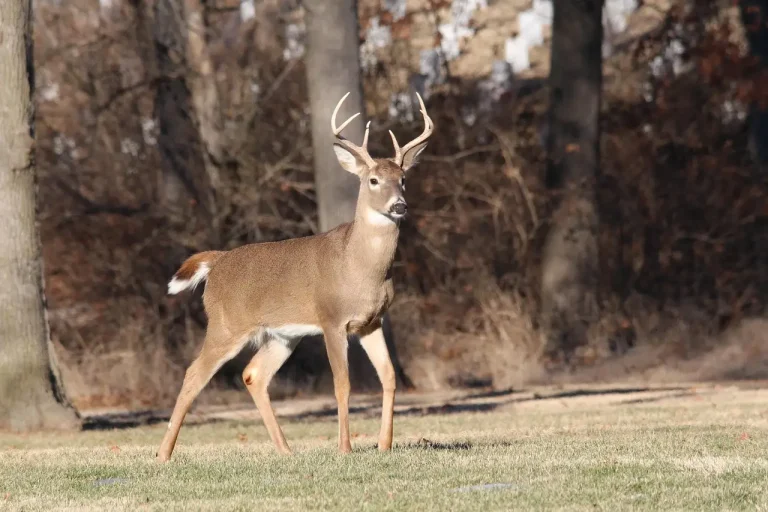
Whitetail bucks often tighten their core area after the rut. Their movement becomes more predictable, but also more sensitive to pressure. A late-season food plot works best when it sits close to a bedding area and the route between bed and feed stays quiet.
Food plots do not beat cover by default. They work when deer already want the calories, the crop is still usable, and the hunt stays out of the core movement lane. Late-season deer movement can be funneled by food or cover, so edge placement matters as much as crop choice.
What you’ll need
- Binoculars or a spotting scope
- Game cameras
- A wind check tool
- A quiet access plan
- A map or aerial image
- Boots that minimize noise on frozen or crunchy ground
- A headlamp with a dim mode for entry and exit
Late-season food plot decision matrix
Use this table before you climb. Match the weather, the crop, and the sign to the least invasive setup that still gives a clean shot. If the plot is overgrazed or the wind is wrong, the best decision may be to stay out.
| Weather | Crop type | Deer sign | Pressure level | Access wind | Recommended setup position | Do-not-hunt notes |
|---|---|---|---|---|---|---|
| Cold, stable, light snow | Standing corn | Fresh tracks and droppings on the downwind edge | Low | Wind blows from bedding cover to your approach | Travel corridor | Do not cross the same edge deer use to enter the corn; do not hunt if deer are feeding in daylight from the far side. |
| Hard frost after a warm stretch | Brassica cover crop | Browsed tops, torn leaves, recent track lines | Moderate | Crosswind keeps scent off the bed-to-feed line | Plot edge | Do not set up in the open middle; do not hunt if the plot looks cropped flat and deer are using it only after dark. |
| Sharp cold front, fresh snow | Winter wheat or cereal rye | Tracks entering at first light or late afternoon | Low to moderate | Wind exits away from the trail or pinch point | Bedding-side | Do not overcheck the area; do not walk in to confirm sign if the bed-to-feed trail is already visible. |
| Windy day, consistent cold | Standing crops mixed with winter cover crops | Tracks concentrated in one narrow entry route | High | Wind allows a silent outer edge approach | Travel corridor | Do not choose a setup that forces a broadside scent cone over the plot; do not hunt if the wind swirls near the timber edge. |
| Freeze-thaw, crusted ground | Overgrazed brassicas or wheat | Old sign, little fresh movement | High | Any marginal wind | Do not hunt | Do not force a sit on stale sign; do not assume the field will recover without new browse pressure or a weather change. |
How do you pick the right plot type?
Choose the crop that still gives deer a reason to move in daylight, then rank it by local reliability. Standing corn usually holds deer longest when other foods fade. Brassicas can draw hard after frosts, but deer may abandon them if the leaves are already stripped. Winter wheat and cereal grains can be strong winter foods when they stay accessible and ungrazed.
Standing corn, brassicas, winter wheat, cereal grains, and other winter cover crops all fit late-season hunting, but they do not rank the same everywhere. If the plot is hit hard and looks depleted, even a good crop can fail. A crop only matters if the deer still see value in it.
Suppose a 3-acre plot of brassicas gets hit by deer every night for a week and then frozen ground locks up the surrounding browse. If daylight tracks disappear and the leaves are gone, the plot has likely slipped from a huntable draw to a dark-only food stop. In that case, move to a route, not the field.
If the plot has a heavy browse line but no fresh crossings, wait. Crop abandonment is common when pressure rises or nearby natural food remains easier. A hunter should ignore a field when sign is stale, access is poor, and the only movement is after legal light.
Where should I set up for bowhunting over a food plot late season?
Set up where a deer must travel, not where it merely feeds. Bedding-side setups work when you can reach the first edge of movement without cutting through it. Travel corridor setups fit narrow routes between bed and food. Plot-edge setups work when the crop edge itself is the first reliable shot lane and the wind keeps your scent off the field.
The middle of the plot should be the rare exception. It often exposes you to every approach line and leaves too many deer with a direct look at your movement. On small plots, that mistake is even worse because one bad entry can educate the whole edge.
Picture a half-acre plot bordered by cattails on one side and timber on the other. If fresh tracks enter from the timber corner at dusk, the edge near that corner is the first option. If the plot is large and deer cross a brush finger before entering, that finger becomes the better setup.
Bedding-side setups
Use this when the bed-to-feed line is narrow and the wind can stay out of the bedding area. This is the highest-risk setup if access is sloppy, so keep pressure low and shorten the sit if deer shift early. It is best when fresh sign confirms same-day movement from cover.
Travel corridor setups
Choose this when deer are using a pinch point, ditch, inside corner, or timber strip to reach the plot. This is often the safest way to avoid educating deer in the food source itself. It also works well on pressured public-land deer that avoid open ground until the last legal light.
Plot-edge setups
Use the edge when you have a clear shot line and can slip in with a wind that carries scent away from deer entry. This is the most flexible option for private land with limited access windows. It works best when the plot edge has obvious tracks and fresh browse, not when it is barren.
How do you hunt without blowing deer out?
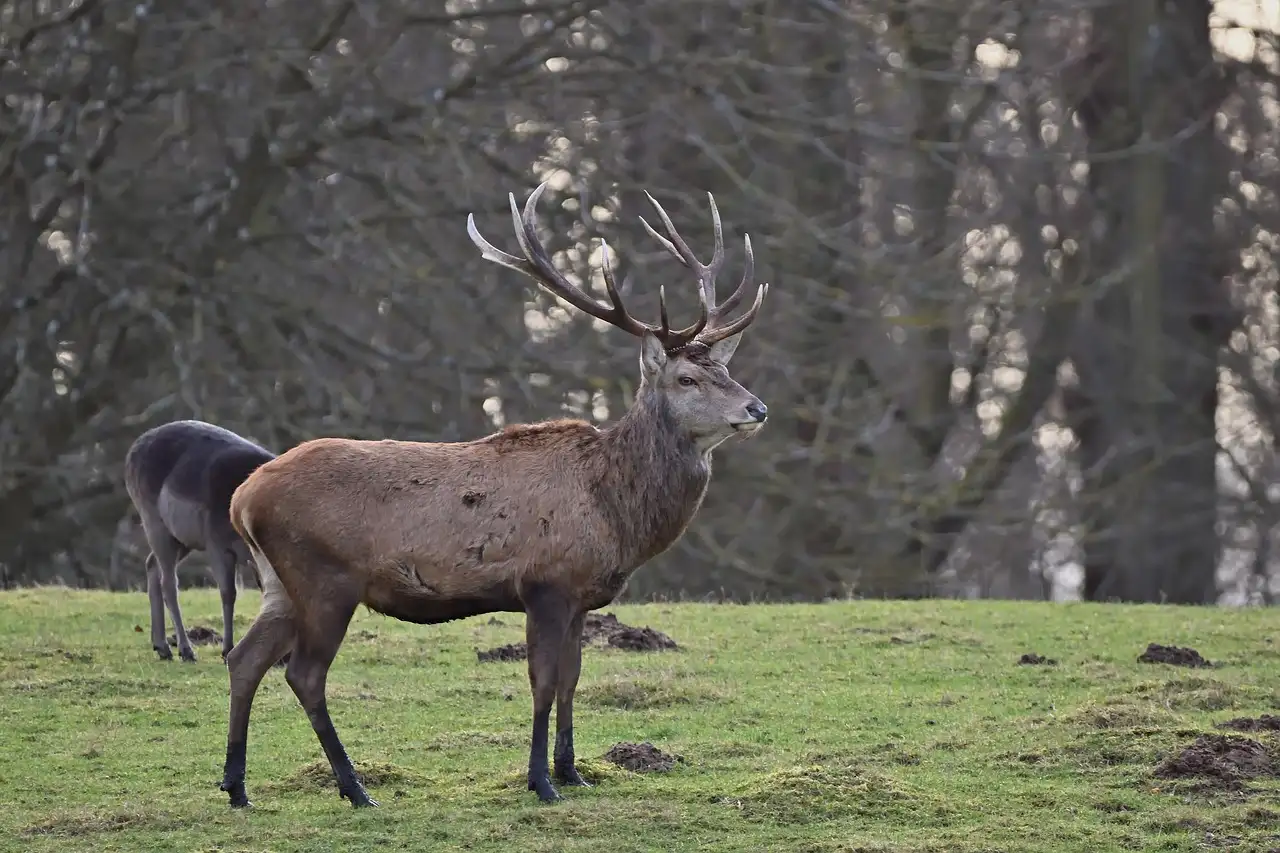
Keep the hunt short, quiet, and one-directional. Entry and exit routes matter more in late season because deer are already filtering movement through food, cover, and pressure. A bad path can contaminate the same plot for days, especially when the herd is concentrated on one winter food source.
Wind direction should control scouting, camera checks, and stand access. Check cameras from the downwind side only, and avoid walking the primary trail if you can reach the edge from a different lane. If snow is present, use it to identify fresh sign without trampling the route you plan to hunt.
- Mark the bed-to-feed line on a map and choose the cleanest access from a wind-safe side.
- Set the stand or blind about 15 to 30 yards off the travel line when cover allows it.
- Check cameras only on non-hunt days, and use the least intrusive approach route.
- Hunt evenings first on pressured plots, since deer often step out later after sensing danger.
- Hunt mornings only when the route lets you enter before deer leave the food source or when the setup is on a corridor away from the plot itself.
- If daylight movement drops off, back out and let the plot rest for several days.
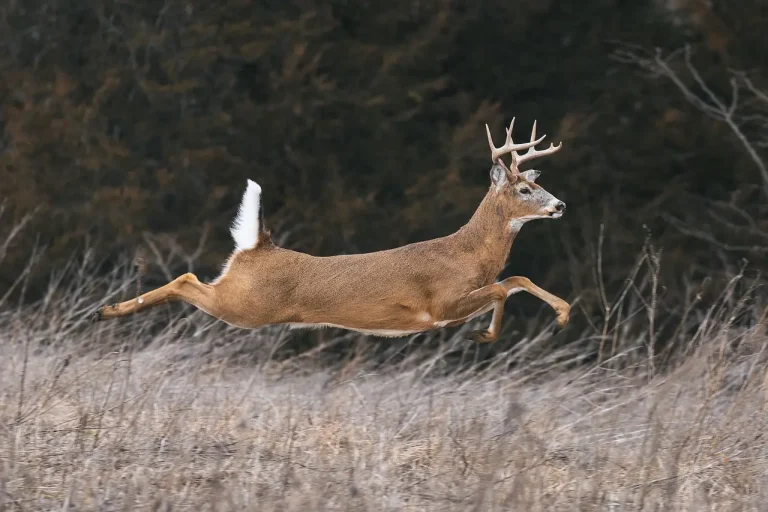
Cold temperatures can change the clock. Deer may move sooner on a hard front, or later if the wind, snow, or pressure makes them wait until the safest edge of legal shooting light. That is why time of day is not fixed. Evenings are often better than mornings on high-pressure plots, but a fresh snowfall or a hard cold snap can flip that rule for one short window.
Common first-timer mistake: a hunter checks a camera on the main entry trail at midday, then returns that evening to hunt the same edge. The plot still holds deer, but they shift to the far side after the disturbance. The fix is to use a separate access line and leave the trail untouched.
Common mistakes
Overhunting the same edge is the fastest way to burn a late-season plot. One or two bad sits can be enough to hurt a late-season plot when the crop is limited and deer have few options. Rotate setups only when the sign still supports them.
Ignoring access wind is another common failure. If your approach carries scent into the bed-to-feed route, the stand may be perfect and still dead. The same problem shows up on public land where deer already expect pressure.
Chasing stale sign wastes cold-weather sits. Fresh tracks, fresh browse, and current camera photos matter more than old sign on a plot that has already been hammered. Frozen ground can also hide subtle movement, so use multiple clues before committing.
Do not hunt over an overgrazed field just because deer once used it. Do not assume standing corn or brassicas will stay hot in every region or winter. And do not skip a backup setup when the first edge is winded out.
Frequently asked questions
What are the best late season food plots for deer?
Standing corn is often reported as a top late-season food plot because it can hold deer when other foods fade. Brassica cover crop, winter wheat, cereal grains, and other winter cover crops can also work well if they are still browseable and not overused. The best plot is the one deer still reach in daylight.
What deer foods work best after the rut?
Foods that stay available in cold weather do best: standing corn, winter wheat, cereal rye, and brassicas when they are not already stripped. A late-season food plot matters most when it connects to bedding-to-feed travel and still offers enough calories to pull deer before dark.
How do I hunt a food plot without blowing out deer?
Use a wind-safe access route, check cameras sparingly, and keep hunts short. If a mature deer is using the plot after legal light, back out rather than forcing repeated sits. The goal is to protect the next hunt, not to pressure the current one into silence.
Should I hunt evenings or mornings over late-season food plots?
Evenings are often the stronger choice on pressured plots, since deer are commonly reported to stage longer before entering the field. Mornings can work on isolated corridors or when the route lets you slip in before deer leave the bed. Severe cold or fresh snow can shift movement enough to make either window better.
What camera locations are best for late-season food plot hunting?
Place cameras on funnels, pinch points, water sources, and travel corridors, not in the middle of the plot. Check them with low pressure and from a wind direction that keeps scent off the main route. That way the camera helps identify current movement without changing it.
How do cold temperatures change deer movement on food plots?
Cold temperatures can push deer into food-focused patterns and tighten movement around the safest route to calories. They may feed earlier on hard fronts, or delay movement if pressure is high and the route feels risky. Track the change with fresh sign rather than assuming the same hour works every day.