How to Adjust Draw Length on a Golden Eagle Bow Easily
To adjust the draw length on your Golden Eagle bow, you’ll typically need to modify the cam module. This involves loosening set screws, rotating the module to the desired position, and retightening screws. Always follow your bow’s specific manual for precise steps and safety checks to ensure proper fit and performance. For more on this, see our guide on How To Adjust Point Of Impact Of A Arrow. For more on this, see our guide on How To Bow Hunt Deer In The Rain. For more on this, see our guide on How To Bow Hunt Hogs.
Mastering Your Golden Eagle Bow: A Beginner’s Guide to Adjusting Draw Length
Feeling a bit off when you draw your Golden Eagle bow? Maybe the draw feels too long, or perhaps it’s not quite reaching its full potential. This is a common feeling for many new archers, and it’s usually down to one simple thing: the draw length. Getting your draw length just right isn’t just about comfort; it’s crucial for accuracy, consistency, and preventing injury. A bow that fits you feels like an extension of yourself, making every shot feel natural and powerful. Don’t worry if it seems a bit technical at first. We’re going to break down exactly how to adjust the draw length on your Golden Eagle bow, step-by-step, making it easy and safe for you to get that perfect fit. Let’s get your bow feeling like it was made just for you!
Why Draw Length Matters on Your Golden Eagle Bow
Imagine wearing shoes that are too big or too small – it throws off your balance and makes it hard to move properly. Your draw length works the same way for archery. For a Golden Eagle bow, getting this measurement correct is fundamental to your shooting experience. A draw length that’s too long can lead to:
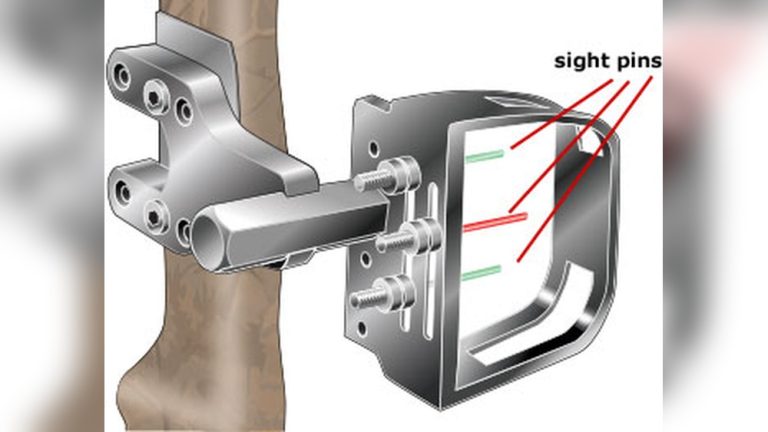
- Inconsistent Anchor Points: You might struggle to find a repeatable spot to hold the string at full draw, affecting where your sight pin lands.
- Difficulty Holding Steady: Over-stretching can lead to fatigue and shaky aim, making it hard to keep your sight picture stable.
- Potential for Injury: Forcing yourself into an unnatural position can strain your muscles and joints, especially your shoulder and back.
- Reduced Arrow Speed: If you can’t fully draw the bow, you won’t be efficiently transferring energy into the arrow, resulting in slower speeds.
On the flip side, a draw length that’s too short can mean:
- Loss of Power: You’re not pulling the bow back to its optimal energy storing point, which reduces the force behind your arrow.
- “String Jumping”: You might feel the string lurch forward unexpectedly as you release, which can negatively impact your aim.
- Uncomfortable Draw Cycle: The bow might feel like it’s “dumping” too early, or the let-off feels strange.
So, finding that “just right” spot with your Golden Eagle bow is key to unlocking your potential and making archery a more enjoyable and effective sport. It ensures your bow works with your body, not against it.
Understanding Your Golden Eagle Bow’s Cam System
Most modern compound bows, including many Golden Eagle models, use what we call a cam system. These are the spinning wheels, usually at the top and bottom of the bow’s limbs, that give the bow its power and let-off. The “draw length” on a compound bow is primarily controlled by the design and adjustability of these cams themselves, specifically the ‘modules’ attached to them. These modules are like pulleys that the string wraps around. By changing the size or position of these modules, you effectively change how far back the string travels at full draw.
Golden Eagle bows often feature two types of cam systems that affect adjustability:
- Single Cam Systems: These are generally simpler and quieter. The draw length is often adjusted by rotating a module on the single cam.
- Hybrid Cam Systems: These have a cam on both the top and bottom. They are known for a smoother draw cycle and better performance. Draw length adjustments are typically made by a rotating module on the bottom cam (or occasionally both).
The key to adjusting your draw length lies in these modules. They are usually marked with specific draw length settings or patterns that indicate their current setting. It’s important to identify which type of cam system your specific Golden Eagle bow possesses before you begin any adjustments.
What You’ll Need: Tools for Adjustment
Before you start tinkering with your Golden Eagle bow, it’s essential to have the right tools. While some bows might require a bow press for certain adjustments, changing the draw length via the cam modules often doesn’t. However, having a few basic items will make the process smoother and safer.
- Allen Wrenches (Hex Keys): This is the most crucial tool. You’ll need a set that includes the common sizes typically used for bow adjustments, usually metric sizes like 3/16″, 5/32″, and 1/8″ or their metric equivalents. Make sure they are good quality to avoid stripping screws.
- Torque Wrench (Recommended but not always essential for basic module rotation): For precise tightening of critical screws, a torque wrench specific for archery is ideal. This ensures you don’t overtighten or undertighten, which can be dangerous. Many manufacturers specify torque values in their manuals.
- Bow String Wax: To keep your string in good condition after handling it.
- Small Rag or Cloth: For cleaning and handling parts.
- Your Golden Eagle Bow’s Owner’s Manual: This is your bible! It will have specific diagrams and instructions for YOUR model of bow. Do not proceed without consulting it. You can often find these manuals online on the manufacturer’s website or through reputable archery forums if you’ve lost yours.
- A Reliable Measuring Tape or Archery Draw Length Arrow: To confirm your draw length after adjustment.
- A Bow Square (Optional but helpful): For checking cam timing and limb alignment.
Remember, always work in a clean, well-lit area. Keep all small parts (screws, modules) in a safe place so they don’t get lost. Precision is key here, so take your time and double-check every step.
Step-by-Step: How to Adjust Draw Length on Your Golden Eagle Bow
Adjusting the draw length on your Golden Eagle bow usually involves a straightforward process of rotating the cam modules. Let’s walk through it:
Step 1: Determine Your Correct Draw Length
This is the most critical first step. You can’t adjust your bow without knowing what length you need. There are a few ways to do this:
- Measure Your Wingspan: This is a common, though not always perfectly accurate, method for beginners. Measure the distance from the tip of one middle finger to the tip of the other, stretched out wide. Divide this by 2.5. For example, a 60-inch wingspan divided by 2.5 equals a 24-inch draw length.
- Use a Draw Length Arrow: This specialized arrow has markings on it. You nock an arrow, bring it to full draw (without drawing a real arrow or shooting), and then carefully measure from the nock point to the deepest part of the grip.
- Get Professionally Measured: The best method is to visit a local archery shop. They have the tools and expertise to measure you precisely and can even help you test-shoot different settings. You can find reputable shops through organizations like the USA Archery or the Archery Trade Association.
It’s also essential to consider your draw weight and the bow’s capabilities. Your draw length should feel comfortable and allow you to anchor consistently without strain.
Step 2: Identify the Adjustable Cam Modules
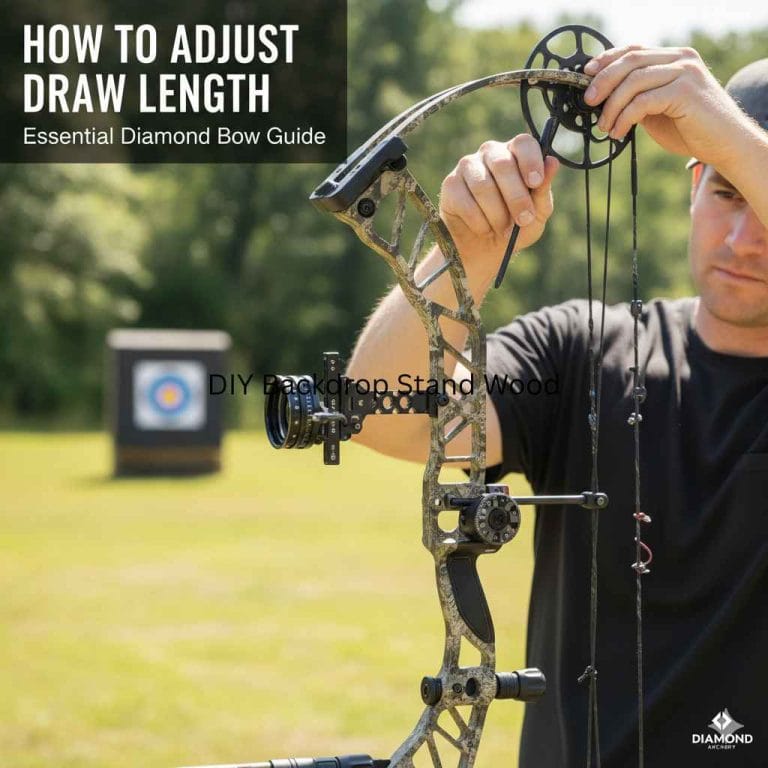
Locate the cams on your Golden Eagle bow. Most adjustable draw length systems use modules that bolt onto the cam. These modules are typically circular or have a specific shape and will have visible screw holes. Look for markings on the module itself that indicate the current draw length setting or a pattern of holes that correspond to different lengths. Your bow’s manual will clearly show which part is the adjustable module.
Step 3: Safely Depress the String (If Necessary)
For many Golden Eagle bows with rotating modules, you might not need a full bow press. However, you may need to slightly relieve tension on the string to allow the module to rotate smoothly. Sometimes, pushing the limbs together slightly (while holding the bow securely and away from your face) is enough to loosen the module’s screws. If your manual indicates a specific method or requires a bow press for this step, follow it precisely. Never attempt to forcibly bend the limbs or remove string without proper equipment. Forcing the system can damage your bow and cause serious injury.
Step 4: Loosen the Retaining Screws
Once you’ve identified the adjustable module and confirmed you can safely access it, locate the screws holding the module in place. Using the correct size Allen wrench, carefully loosen these screws. You typically do not need to remove the screws entirely; just loosen them enough so that the module can be rotated. Keep track of the screws; they can be small and easily lost.
Step 5: Rotate the Cam Module
With the screws loosened, you should be able to rotate the cam module. The module will have several positions, often marked with numbers or symbols corresponding to different draw lengths. Consult your Golden Eagle bow’s manual to understand the marking system and which direction to rotate the module to achieve your target draw length. For example, rotating it clockwise might increase the draw length, while counter-clockwise might decrease it. Some modules have specific “slots” or “holes” that align with holes in the cam body, and you’ll usually move the screws to a different set of holes to change the length.
Step 6: Align and Retighten the Screws
Once the module is rotated to the correct position for your desired draw length, carefully align the screw holes in the module with the corresponding threaded holes in the cam. Reinsert the screws and tighten them by hand first to ensure they are threading correctly. Then, use your Allen wrench to snug them up.
Step 7: Tighten Screws to Manufacturer Specifications (Crucial!)
This is where accuracy and safety are paramount. You must tighten the screws securely. If you have a torque wrench, use it here. Your Golden Eagle bow’s manual will specify the exact torque setting (e.g., 15 or 20 inch-pounds). Tighten the screws in a star pattern (like tightening lug nuts on a car wheel) to ensure even pressure. If you don’t have a torque wrench, tighten them firmly and evenly, but do not overtighten, as this can strip the threads or crack the module. Overtightening is generally more destructive than undertightening, but both are dangerous. If you’re unsure, it’s best to have a pro check it.
A good resource for understanding general bow maintenance, including cam adjustments, is often found on sites like Bowhunting Magazine’s gear advice, which often covers common practices for various bow types.
Step 8: Check Cam Timing and Sync (Important!)
After adjusting the draw length, it’s vital to check your cam timing and sync. This refers to how the top and bottom cams rotate together. If they are out of sync, your bow will not shoot accurately and can feel uncomfortable. With the bow uncocked:
- Visually Inspect: Look at the cams. Are they roughly lined up?
- Check String and Cable: Ensure the string and cables are seating on the cams correctly.
- Cycle the Bow (Safely): If possible without a bow press, slowly and safely draw the bow back a little and check if the cams are rotating together. Many bows have indicators on the cams or limbs to show when they are in sync.
If the cams appear out of sync, or the bow doesn’t feel right when drawn, you may need to adjust the string or cable lengths slightly, or the modules might need further precise adjustment. This is often where a visit to a pro shop is recommended, as incorrect timing can be detrimental to the bow’s performance and your safety.
Step 9: Test and Fine-Tune
Once everything is tightened and checked, carefully draw the bow fully (without an arrow first, then with an arrow, but do not shoot yet). Ensure it feels comfortable and that you can maintain a solid anchor point. Then, proceed with caution:
- Nock an arrow.
- Draw the bow to full, proper anchor.
- Gently release the arrow, aiming at a safe target.
Pay attention to the feel of the draw cycle, the hold at full draw, and the shot. If it still doesn’t feel quite right, you might need to make very minor adjustments. Often, an adjustment of just one increment on the module can make a noticeable difference. Make one adjustment at a time and re-test.
Troubleshooting Common Draw Length Adjustment Issues
Even with careful steps, you might run into a snag. Here are some common issues and how to address them:
- Module Won’t Rotate: This usually means the screws are still too tight, or there’s a slight tension issue. Gently try to relieve limb pressure again if possible, or ensure screws are loosened enough. Never force it.
- Screws Won’t Tighten Properly: The threads might be stripped. This is a serious issue. You may need to contact Golden Eagle or a pro shop for repair or replacement of the cam or module.
- Cam Timing is Off After Adjustment: This is the most common issue. It might require small shims, twists in the string/cables, or repositioning the modules slightly again. Small adjustments are often needed to get timing perfect.
- Draw Length Seems Incorrect Even After Setting: Double-check your initial measurement. Did you measure correctly? Is the module marked clearly? Sometimes, the draw length stated on the module isn’t exactly the physical measurement; it’s a guideline. Re-measure your actual draw length after adjustment using a draw length arrow or by having someone mark your string while you anchor.
- Bow Feels “Harsh” or “Jumpy”: This could be related to cam timing or the draw length not being optimal for your draw weight. Ensure you consulted the manual for appropriate draw weights for your draw length.
When in doubt, especially with safety-critical components like cam screws and timing, visiting a certified archery technician at a pro shop is the safest and most effective solution. They have specialized tools and experience to get your Golden Eagle bow dialed in perfectly. You can often find certified technicians through archery equipment retailers or manufacturer directories.
Important Safety Considerations
Working on your bow is rewarding, but safety must always come first. Here are some non-negotiables:
- Never Dry Fire Your Bow: This means drawing and releasing the bow without an arrow nocked. The energy has nowhere to go, which can severely damage the bow’s limbs, cams, and string, and potentially cause injury.
- Consult Your Manual: I cannot stress this enough. Your Golden Eagle bow’s specific manual is your definitive guide. General advice is helpful, but your manual has the precise instructions for your model.
- Use the Right Tools: Using the wrong-sized Allen wrench can strip screws, making future adjustments impossible and potentially dangerous.
- Work in a Safe Environment: Ensure you have a clear workspace free of distractions. Keep small parts contained.
- Don’t Overtighten or Undertighten Screws: Especially the module screws. They need to be secure but not so tight they damage components. Torque specifications are there for a reason.
- Check for Damage: Before and after adjustments, inspect the cams, limbs, string, and cables for any signs of wear, fraying, or damage. If you see any, stop and seek professional advice.
- When in Doubt, Seek Professional Help: If you are unsure about any step, or if the bow doesn’t feel or sound right after adjustment, take it to a qualified archery technician. It’s a small price to pay for safety and proper performance.
Following these safety guidelines will ensure you have a positive experience adjusting your bow and that it remains a safe tool for your archery pursuits.
FAQ: Adjusting Your Golden Eagle Bow Draw Length
Q1: How do I know what my draw length actually is?
A1: The most accurate way is to have a professional archer or shop technician measure you. You can also use a draw length arrow or calculate it approximately using your wingspan (wingspan in inches / 2.5 = approximate draw length in inches). Remember that your “eye-to-hand” measurement can vary slightly from these estimates.
Q2: Do I need a bow press to change the draw length on my Golden Eagle bow?
A2: Many Golden Eagle bows with rotating cam modules do not require a bow press for draw length adjustment. You might only need to apply slight pressure to the limbs to loosen the screws enough to rotate the module.