Best Weather Conditions for Bow Hunting Deer: A Guide
For deer bowhunting, I prefer cool, calm, overcast weather with a light breeze. If wind is strong enough, or rain, ice, or heavy snow makes the setup unsafe, I usually stay home. Bad weather timing burns sits, bumps deer, and turns clean shots into risky ones. I rank weather by deer movement, shot safety, and how well it fits a tree stand, ground blind, or saddle.
This guide is part of our Bow hunting laws and regulations series.
What weather is best for bow hunting deer?
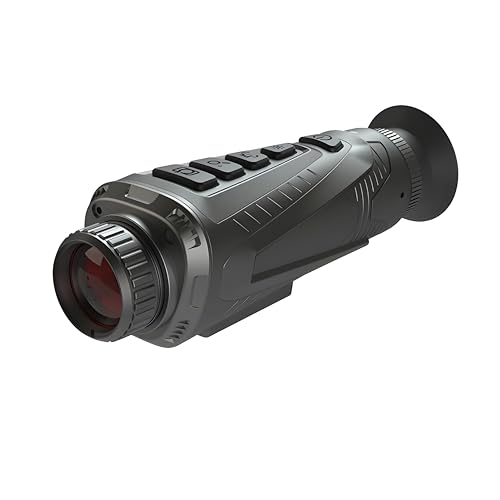


The best weather for bow hunting deer is the weather that gives me two things at once: steady deer movement and a safe, quiet shot. I want conditions that push scent away from my lane, keep footing honest, and let me stay still long enough to make a clean shot.
I do not treat weather as a single “best day” rule. I rank it by huntability. A marginal weather day can still beat a great forecast if I’m on a travel corridor, near fresh sign, or hunting the rut.
How I rank weather when I plan a hunt
I start with wind, then rain, then temperature, pressure trend, and lightning risk. Wind and storm safety come first because they can ruin both my setup and my shot. After that, I weigh deer movement, especially if I’m hunting a narrow funnel or a bedding edge.
Field archery is outdoor target shooting that can improve bowhunting skills in realistic conditions. It is typically shot in woodland and rough terrain, and it can help archers practice for tough light and weather.
According to Field archery – Wikipedia — A hunter round uses uneven distances up to 70 yards. (source)
Wind: the first condition I check
Wind is the first thing I check because it affects scent, sound, and how steady I can hold. Direction matters more than raw speed. A clean 8 mph wind can beat a messy 4 mph swirl if the 8 mph wind pushes my scent away from the deer trail.
Why wind direction matters more than raw speed
I care most about where the wind is blowing relative to the deer’s travel line. A crosswind can work well if it carries my scent off the path. A headwind can be useful only if it still keeps my odor from reaching the bedding cover before the deer appears.
Swirling wind is the real problem. It happens around terrain breaks, hollow cuts, ridges, and tight timber. If the wind keeps changing direction minute to minute, deer get my scent faster than a forecast map suggests.
When wind makes a tree stand or saddle a bad call
Once wind gets strong enough to shake my setup or push branches into my lane, I stop calling it a good sit. If I cannot hold steady in a tree stand, or if a saddle position leaves me exposed and twisting at the shot, I move to a ground blind or skip the hunt.
In my own hunts, I treat stronger wind as a serious warning sign, especially in open timber or on a high stand. That is not a hard law for every property, but it is my practical line for added noise, body movement, and lost control.
Is light rain good for bow hunting?
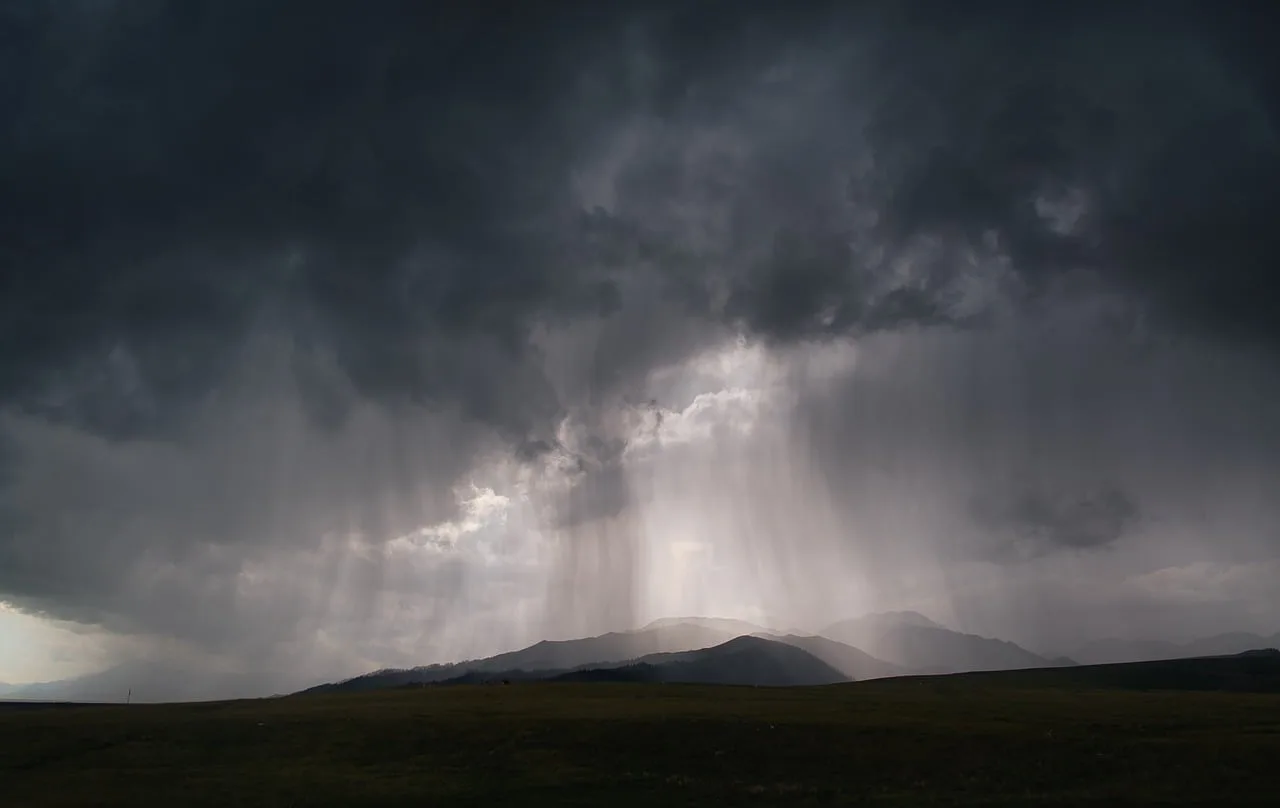
Light rain can be good for bow hunting if it helps with sound masking but is not so heavy that it hurts visibility or footing. I like light rain far more than steady, soaking rain. Once water starts changing my grip, clothing, or platform, the sit gets worse fast.
Light rain vs steady rain
Light rain can calm the woods and help me move without every step carrying as far. Deer still move in it, especially on travel routes between bedding and feeding cover. Steady rain is different. It can push deer into thicker cover and cut daylight movement if it lasts too long.
Rain also changes visibility. A misty drizzle is manageable. Heavy rain turns my pin gap, my lens, and the background into a mess. I want enough rain to help, not enough to blur the shot.
What rain does to deer movement and sound
Rain softens sound and can cover small mistakes. That helps me on the walk in and sometimes on the shot. It also makes scent control less reliable if moisture hangs in the air and my clothing never fully dries.
Deer often move after rain when the woods settle. Before rain, they may feed early if they sense weather changing. I do not count on either every time. I look at the route, the food source, and how much human pressure the area already has.
When rain creates equipment and footing problems
Wet footing is where rain turns from helpful to dangerous. A tree stand step, a muddy access hill, or a slick saddle platform can ruin the hunt. I also think about bowstring, grip, and release protection, because wet gear invites mistakes.
If I cannot get to the stand cleanly, or if descending in the dark feels sketchy, I stay on the ground or stay home. No deer is worth a fall.
How temperature and cold fronts change deer movement
Temperature changes matter because deer react to comfort and feeding needs. Cold fronts often help, but the fast drop matters more than the label. Warm spells can slow movement, especially after deer have been feeding hard in cooler weather.
Cold fronts, warm spells, and rapid drops
A sharp temperature drop can pull deer on their feet earlier, especially during the pre-rut and rut. I like the first cool morning after a warm stretch because deer often move before daylight and again near last light.
Warm spells usually make me lower my expectations, but not cancel the hunt. In early season, hot weather can keep deer bedded longer and shorten daylight travel. In late season, a mild rise in temperature can still produce movement if food is limited.
Why temperature swings matter more in some seasons than others
Early season is the hardest time for heat. Deer may move mostly at night if the temperature stays high. Pre-rut and rut can overpower some weather because deer are searching, checking, and changing routes. Late season is different again, because food and comfort drive the pattern.
That is why I do not rank temperature above wind or safety. It affects movement, but it does not fix a bad setup or unsafe access.
Comfort, layering, and staying still long enough to shoot well
If I am cold enough to fidget, I am probably too cold to shoot well. I layer for the sit, but I keep enough room to draw without binding my shoulder. Setting a compound bow too heavy often causes flinching until the limb bolts are backed out. Weather can expose that kind of mistake fast.
Cold weather also affects my hands and my release. I want enough warmth to hold steady, not so much bulk that I miss anchor or snag the string.
Does barometric pressure affect bow hunting?
Yes, barometric pressure can affect bow hunting because deer may respond to pressure changes, especially when they line up with a front. I treat pressure as a movement clue, not a promise. Rising, falling, and stable pressure all matter, but none of them replace sign, wind, and timing.
Falling, rising, and stable pressure
Falling pressure often shows up ahead of weather change, and that can pair with better movement before a storm. Rising pressure after a front can also be useful if the weather clears and deer need to feed after bedding longer through the rough weather.
Stable pressure can still produce a good hunt. I have seen deer move well under steady conditions when food, breeding, or pressure from hunters mattered more than the forecast.
What pressure changes can mean for movement windows
Pressure change is most useful when I pair it with time of day. A falling trend may improve the evening window. A post-front rise may help the first calm morning after the storm passes. I still need a good wind and a smart stand choice.
Why pressure should support, not replace, your sign and timing
If I have fresh tracks, rubbed saplings, or a travel corridor between bedding and food, pressure helps me decide when to sit. If I have no sign, pressure alone will not save the hunt.
Cloud cover, humidity, and low-light movement
Cloud cover can help because it stretches low light and often keeps deer moving longer at dawn and dusk. Humidity matters too, especially early season, because it affects comfort, scent retention, and how hard the air feels while I sit still.
How overcast skies can stretch daylight activity
Overcast conditions can make deer less cautious in open lanes and field edges. The lower contrast helps them move earlier and linger later. That said, cloud cover by itself does not make deer travel if food, wind, or pressure tells them to stay bedded.
Cloudy weather helps most when it lines up with a good route. A shaded trail to a food source is better than a random cloudy day over empty cover.
Humidity, scent, and heat stress
High humidity can hold scent close and make early-season sitting miserable. I notice it most when the air feels heavy and my clothing never cools. Deer may still move, but my scent control becomes less forgiving, and my patience wears down faster.
On hot humid days, I shorten my walk if I can and choose setups with easier shade and better airflow.
Why these factors matter more in early season
Early season is where humidity and cloud cover do more work. Deer are often patternable, but they move less in daytime if the weather is hot and still. I like cooler, overcast early-season evenings because they give me more chance to sit quietly without sweating through my layers.
What weather should I avoid on opening day?

On opening day, I avoid lightning, severe storms, ice, dangerous wind, and anything that makes the approach or exit unsafe. I do not force a hunt just because the date is special. A bad opening-day sit can ruin access, educate deer, and create a safety problem.
Lightning, severe storms, and wet footing
Lightning is a hard no-go. So are severe thunderstorms, hail, and falling limbs from unstable trees. Wet footing is another stop sign if it makes climbing, descending, or crossing slopes risky. I want to come home in one piece.
When wind and rain make a setup too risky
Wind plus rain is where many setups turn ugly. A tree stand can get slick and loud. A saddle can feel exposed if the tree sways and my body keeps fighting the gusts. A ground blind is safer in some wet wind, but only if water is not pooling and visibility still lets me make a clean shot.
How stand type changes the no-go line
Tree stands demand the strictest safety check. Ground blinds handle wind and rain better, but they do not fix poor visibility or a bad access route. Saddles give flexibility, yet they still need a solid tree and a calm enough day to shoot without fighting the platform.
| Condition | Deer movement score | Shot safety score | Tree stand risk | Ground blind risk | Saddle risk |
|---|---|---|---|---|---|
| Light wind, overcast, cool | 9 | 9 | Low | Low | Low |
| Crosswind 8–12 mph, dry | 8 | 8 | Low | Low | Low |
| Light rain, mild temperature drop | 7 | 7 | Medium | Low | Medium |
| Swirling wind, changing direction | 5 | 5 | High | Medium | High |
| Steady rain with slick access | 5 | 4 | High | Medium | High |
| Thunderstorm risk or lightning nearby | 2 | 1 | Do not hunt | Do not hunt | Do not hunt |
Weather decision matrix for bow hunters
I use this matrix to separate deer movement from setup risk. A day can score high for movement and still be a poor choice if the stand is slick or the wind is swirling. That split keeps me honest.
- Check wind direction first and map where your scent will travel.
- Judge wind speed and swirl risk around your exact setup.
- Score rain by visibility, sound masking, and footing.
- Look at temperature trend, especially rapid drops or warm spells.
- Read pressure change as a movement clue, not a guarantee.
- Mark any lightning or severe storm risk as a no-go.
- Match the weather to your stand type and access route.
Simple scoring guide: give each factor 1 to 5 for deer movement and 1 to 5 for setup risk, then hunt only when movement is strong enough and risk stays low enough for your platform. I treat 4s and 5s as favorable, 1s and 2s as warning signs.
Moon phase is secondary compared with weather factors. I will look at it only after wind, rain, temperature, pressure, and safety are handled. Moon data may help me choose between two decent sits, but it never outranks the weather itself.
What are the best weather conditions for deer hunting with a bow?
The best weather conditions for deer hunting with a bow are cool temperatures, steady wind under about 15 mph, overcast skies, and a safe setup with dry footing. I want a weather pattern that helps deer move and still lets me shoot cleanly from my exact stand type.
Is a cold front the best time to bow hunt deer?
A cold front is often a strong time to bow hunt deer, but not the best in every case. I like the first cool period after a warm spell, especially when it lines up with a good wind and a high-traffic trail. Timing matters more than the label.
What wind speed is too windy for bow hunting?
For me, stronger wind is where bow hunting gets risky enough that I usually stay home. The exact number matters less than how the wind behaves. If it swirls, pushes branches, or makes a stand unstable, the day is too windy.
How does barometric pressure affect deer movement?
Barometric pressure can help explain movement windows, especially when it is rising or falling with a front. I watch it as a clue for when deer may feed or shift cover, but I never let it override wind direction, season timing, or sign.
Should I bow hunt after rain or before rain?
Both can work. Before rain, deer may feed early if they sense change coming. After rain, they may move once the woods quiet down and the weather clears. I choose based on wind, footing, and where the deer already want to travel.
What weather conditions make deer move during daylight?
Cool fronts, overcast skies, light rain, and calm but workable wind often help daylight movement. I see the best odds when weather changes line up with the rut or with food movement near bedding. Good weather helps, but location still decides most of it.
What weather is worst for bow hunting accuracy?
Strong, swirling wind is the worst for my accuracy because it moves both my setup and my aim. Heavy rain, ice, and slick footing also hurt accuracy by making me rush, shake, or misjudge the shot. Unsafe conditions are worse than low deer activity.
Does cloudy weather help bow hunting?
Cloudy weather can help by stretching daylight movement and reducing harsh contrast in the woods. I like it most when deer already use the area. Cloud cover is helpful, but it works best when wind direction and access are also right.
What weather changes should I avoid on opening day?
Avoid lightning, severe storms, slick access, and high wind on opening day. I also avoid a setup that forces risky climbing or noisy entry just because the season opened. A careful hunt beats a rushed one, especially when the forecast looks ugly.
what are the best weather conditions for deer hunting
The best weather conditions for deer hunting are cool, stable, and quiet enough for deer to move while keeping your setup safe. I still rank wind direction first, then rain, temperature, pressure trend, and lighting conditions. The right day is the one that fits the deer and the stand.