Best Arrows and Broadheads for Bow Hunting Guide
Start with a spine that tunes, then match it with a 100- or 125-grain broadhead that groups with your field points; in my experience, beginners often do best with fixed blades on recurves and either fixed blades or simple rear-deploying mechanicals on compounds. Bad pairings waste energy, ruin blood trails, and can wound game. This guide shows how I choose arrows and broadheads by bow type, game, budget, and tuning skill.
This guide is part of our Bow hunting laws and regulations series.
What makes an arrow and broadhead match your bow?
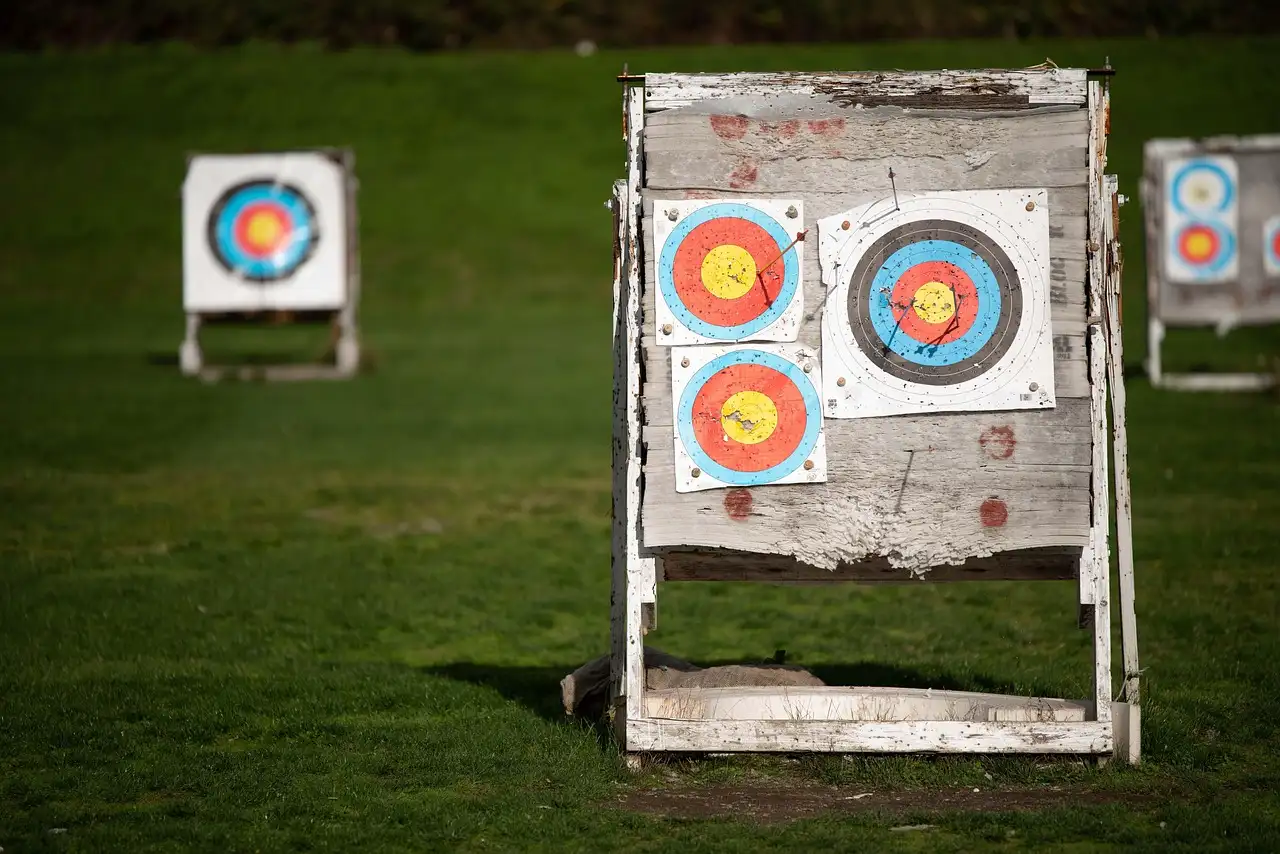
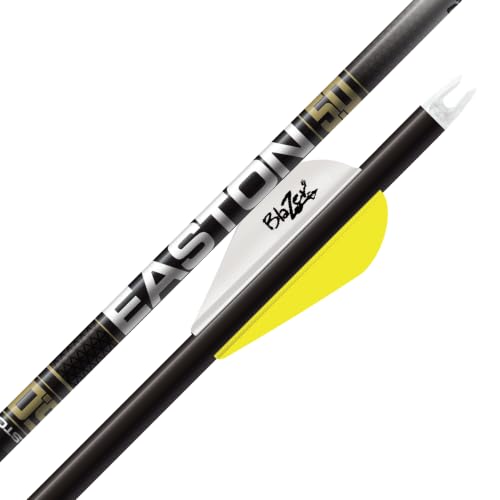

An arrow and broadhead match your bow when spine, finished weight, and head style fit your draw weight and draw length. Miss on any one of those, and the bow may still shoot, but broadheads often drift or plane. For beginners, I usually put tuneability first, forgiveness second, and speed last.
How compound bows and recurves change the setup decision
Compound bows store and return energy more efficiently, so they usually handle a wider spread of arrow weights and broadhead styles. Recurves punish weak spine and sloppy tuning, so I lean toward simple fixed blades, moderate arrow weight, and careful point weight matching. My first compound was set 10 pounds too heavy, and I flinched for a month before I backed the limb bolts out.
What matters more for beginners: tuneability, forgiveness, or speed
Beginners need forgiveness. A setup that tunes easily and holds broadhead flight beats a few extra feet per second. Speed matters some, but broadheads expose bad tune fast. If you are still learning anchor, release, and follow-through, choose gear that gives you room for error.
I switched to a left-hand bow after discovering I am left-eye dominant, and my groups tightened within two weeks.
What arrows should I use for bow hunting?
Use a carbon hunting arrow for most first setups, then choose spine based on your bow, draw length, and point weight. Carbon is a common choice because it stands up to hunting use, stays straight enough, and comes in many spine options. Aluminum can work well, but it bends easier. Hybrid shafts sit between those two.
Shaft material choices
Carbon is my first pick for beginners. It holds up in practice and in the field, and it comes in a lot of hunting spines. Aluminum is heavier and can tune well, but dents can wreck consistency. Hybrid arrows can fly well, yet you need to check compatibility carefully with inserts, nocks, and broadheads.
Why total arrow weight matters
Finished arrow weight, measured in grains, changes both speed and penetration. A lighter arrow is faster, but too light can be loud and unforgiving. A heavier arrow carries momentum better and usually penetrates more cleanly, especially on a quartering shot. I would rather see a beginner shoot a steadier, slightly heavier setup than chase a flat trajectory they cannot control.
What arrow spine do I need for my bow?
Arrow spine should be matched to draw weight, draw length, and point weight. If the shaft is too weak, it flexes too much and broadheads can plane. If it is too stiff, the bow may not recover cleanly and tuning gets stubborn. The correct spine is the one that gives clean field-point flight with your actual hunting tip.
Use draw weight, draw length, and point weight to narrow spine
Higher draw weight, longer draw length, and heavier point weight all push you toward a stiffer shaft. Lower draw weight, shorter draw length, and lighter heads move you toward a weaker spine. If you add a heavy insert or outsert, count that like extra point weight when you choose spine.
When to choose a stiffer spine
Choose a stiffer spine if your bow is near the top of your comfortable draw weight, your draw length is long, or you plan to use a 125-grain head with extra insert weight. I also lean stiffer when a compound tune is marginal and the broadhead flight is starting to show left-right drift. Stiffer usually gives more room to tune than weak.
When a weaker spine can make sense
A weaker spine can make sense for lower draw weights, shorter draws, or modest point weight on a compound that is already tuned well. I would not force a weak shaft just because the chart seems close. If you are on the edge, I prefer a slightly stiffer arrow and then adjust point weight or insert weight from there.
What arrow weight and FOC should I shoot for?
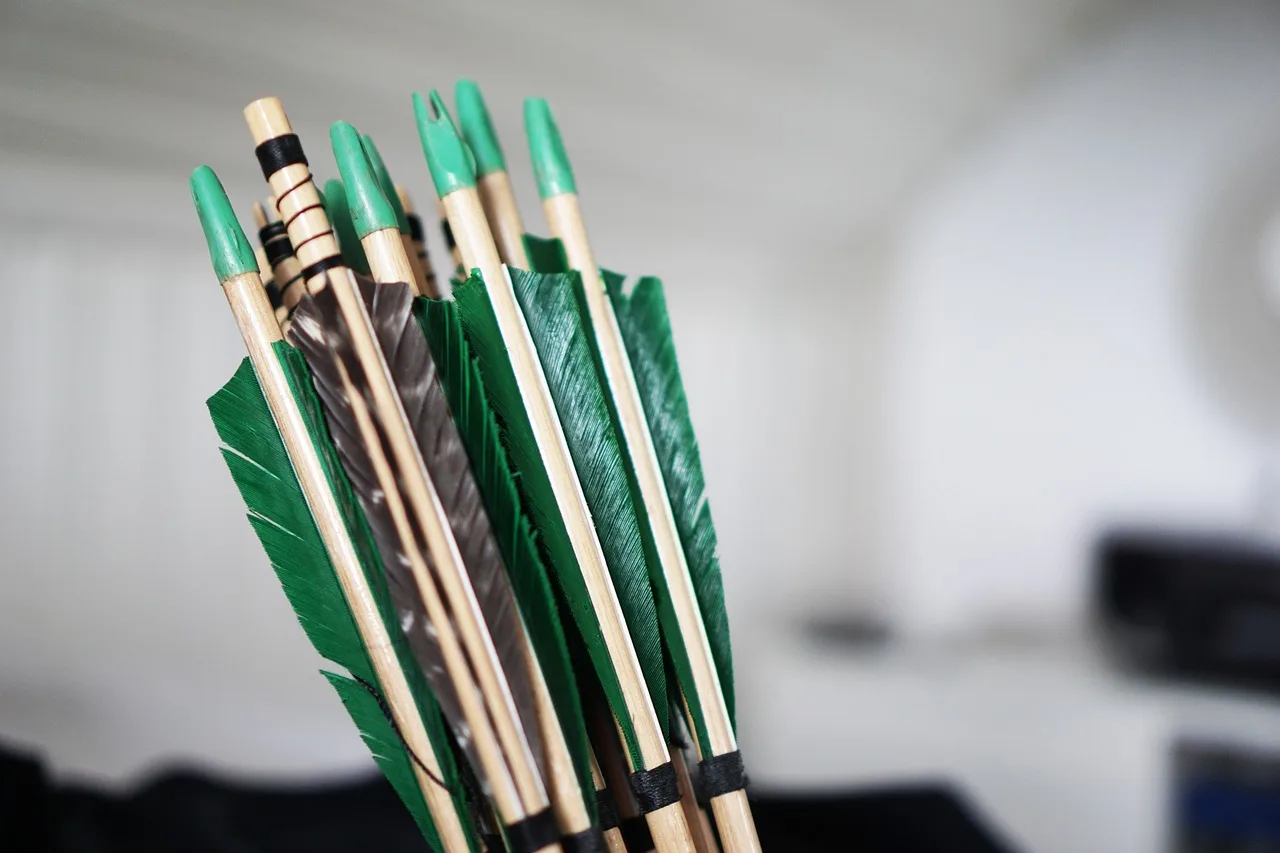
For deer, I like a finished hunting arrow that is heavy enough to carry momentum without getting sloppy to tune. For larger game, I want more mass and better broadhead stability. Front-of-center, or FOC, matters because it moves the balance point forward, which can help stability and penetration when it stays reasonable.
Finished arrow weight targets for deer and larger game
For deer with a compound, a practical beginner range is often around 400 to 450 grains finished arrow weight. For a recurve, I usually think heavier arrows often land somewhere around 450 to 550 grains or more, depending on draw weight. For larger game, I want the setup on the heavier side of those ranges, because penetration matters more than flat trajectory.
How point weight and insert or outsert weight change FOC
FOC rises when you add weight up front with the broadhead, insert, outsert, or a heavier point. That can steady flight and help penetration, but too much can make tuning harder and drop trajectory faster than a beginner expects. I aim for balance, not a huge number on a chart. A useful setup needs to fly clean first.
Why heavier arrows can help penetration without ruining tune
Heavier arrows carry more momentum at hunting speeds, and that often helps on bone, heavy hide, and angled shots. The mistake is going so heavy that the bow and arrow stop tuning well. If your group shrinks with field points but broadheads start to wander, the arrow may be too front-heavy or too weak in spine.
Fixed blade or mechanical broadheads?
Fixed blades are usually the safer beginner choice for recurves and for compounds that already tune well. Mechanical broadheads can fly easier from some beginner compound rigs because their blades stay tucked in flight. I do not call one style best for everyone. I match the head to the bow, draw weight, and the hunter’s tuning skill.
Fixed blades for durability and easier predictability on harder setups
Fixed blades are simple and tough. They cut as soon as they hit, and they usually handle bone better than light mechanical designs. The tradeoff is more wind planing and more demand on tune. On a recurve, that tradeoff is worth it for most new hunters because the bow already asks for clean arrow selection.
Mechanical broadheads for easier flight on some beginner rigs
Mechanical broadheads can be a good fit on a tuned compound with enough draw weight and speed to open them reliably. They often fly closer to field points, which helps a beginner gain confidence. The risk is that some models need enough impact energy to open well, and that makes them a poor fit for slower bows or modest setups.
How cut diameter and blade count affect penetration
Bigger cut diameter usually means a wider wound channel, but it also creates more resistance. More blades can add cutting surface, yet they can also increase drag. For deer, a moderate cut is plenty if the arrow is tuned. For larger game, I care more about strong construction and penetration than the largest possible cut.
What broadhead weight and insert system should I use?
Common hunting heads are often around 100 or 125 grains, and I like matching broadhead weight to the field points you use for practice. Insert and outsert systems add front-end weight and can change arrow selection fast. If you change the front end a lot, re-check spine and tune. The arrow does not care what your catalog says.
How to match broadhead weight to field points
Use the same weight field points as your hunting heads when you tune. If you shoot 100-grain broadheads, practice with 100-grain points. If you switch to 125 grains, retune and recheck impact. That rule matters because total front weight changes how the shaft flexes and how the bow reacts at release.
How insert and outsert systems affect shaft choice
Deep inserts and outserts add mass up front and can improve FOC, but they also change spine demand. Some shafts are built for standard inserts, while others need a specific outsert or collar system. I check compatibility before I buy because a mismatch can create a build that is hard to tune and hard to repeat.
When heavier point weight helps and when it hurts tuning
Heavier point weight helps when you need more penetration, a calmer front end, or better flight from a broadhead that wants more weight forward. It hurts when it pushes a borderline shaft too weak. If your broadheads hit low and left or start grouping differently than field points, too much front weight may be part of the problem.
Use this beginner decision table before you buy
This table is the quickest way I know to narrow a first hunting setup. Start with bow type, then match draw weight and game size, then check the tuning goal. If you are unsure, choose the option that gives you easier tune and dependable broadhead flight rather than the lightest arrow on the shelf.
| Bow type | Draw weight | Game size | Tuning goal | Recommended spine range | Finished arrow weight target | Broadhead style | Failure symptoms to watch for |
|---|---|---|---|---|---|---|---|
| Compound | 40-50 lb | Deer | Easy field-point and broadhead tune | 500-400 spine | 400-425 grains | 100-grain fixed or simple rear-deploy mechanical | Broadheads hit left or right of field points; tail kick in paper |
| Compound | 50-60 lb | Deer | Balanced speed and forgiveness | 450-340 spine | 425-475 grains | 100-125 grain fixed blade | Broadhead planing; group opens at longer distance |
| Compound | 60+ lb | Larger game | Penetration and broadhead stability | 400-300 spine | 450-525 grains | 125-grain fixed blade | Weak-spine signs, poor recovery, noisy launch |
| Recurve | 30-40 lb | Deer | Forgiveness and clean tune | 600-500 spine | 425-500 grains | 100-grain fixed blade | Wobble, erratic grouping, broadheads off line |
| Recurve | 40-50 lb | Deer or larger game | Penetration with stable flight | 500-400 spine | 500-575 grains | 100-125 grain fixed blade | Weak spine, fishtailing, front-heavy instability |
How do I know my broadheads will fly like my field points?
Use paper tune, walk-back tune, and broadhead tune to check that field points and hunting heads strike the same way. If broadheads group apart from field points, the bow is telling you something. Most of the time the fix is spine, center shot, rest position, nock tune, or point weight, not a different brand of head.
Paper tune, walk-back tune, and broadhead tune
Paper tune shows how the arrow leaves the bow. Walk-back tune checks whether impact drifts as distance grows. Broadhead tune is the final test because it compares field points against the actual hunting head. I use all three when I set up a bow for myself or help a beginner at my club.
What bad broadhead flight usually looks like
Weak spine often shows up as broadheads hitting left for a right-handed shooter, with a tail-wagging tear or a broadhead that wanders more at distance. Stiff spine can push the opposite way and still look ugly in paper. Planing usually means the broadhead is steering the arrow instead of the bow and shaft working together.
Simple fixes before you blame the broadhead
Before you blame the head, check center shot, rest height, nock fit, vane clearance, point weight, and shaft spine. Then retune with the exact hunting setup. If the bow still refuses to group broadheads and field points together, reduce front-end weight or move to a more forgiving broadhead style.
Frequently asked questions
What arrows should I use for bow hunting?
I start beginners on carbon arrows because they are durable, available in many spines, and easy to build for hunting. Pick a shaft that matches your draw weight, draw length, and broadhead weight, then finish it with a total weight that gives you clean broadhead flight instead of only chasing speed.
What broadhead is best for deer hunting?
For deer, I like a head that tunes easily and cuts cleanly without demanding perfect speed. A well-built 100- or 125-grain fixed blade is my first choice on recurves and many compounds. A simple mechanical can work on tuned compounds, but only if the bow launches it cleanly every time.
Should I use fixed blade or mechanical broadheads?
Use fixed blades if you want durability, simpler construction, and a head that suits slower or less forgiving setups. Use mechanicals if your compound is tuned and you want easier field-point-style flight. I would not choose mechanicals first for a recurve, and I would not force fixed blades onto a sloppy compound tune.
How do I match broadhead weight to my arrows?
Match your field points to your hunting head weight first. If you plan to hunt with 100-grain broadheads, practice with 100-grain points. If you move to 125 grains, retune because the heavier front end can change spine behavior, FOC, and often the point of impact.
What arrow spine do I need for my bow?
Start with your bow’s draw weight, your actual draw length, and your planned point weight. Higher draw weight, longer draw length, and heavier heads all call for a stiffer shaft. If you are between two spine options, I usually lean stiffer and then fine-tune with point weight and rest setup.
Do heavier arrows improve penetration?
Usually, yes, as long as the arrow still tunes and flies well. More mass gives the arrow more momentum, which helps drive fixed blades through hide and bone. But too much weight can slow the arrow enough that tuning becomes touchy, especially on a recurve with limited energy to spare.