How to Practice Bow Hunting Before Opening Day
Spend about the last week before opening day checking zero, broadhead flight, range marks, and a calm shot routine. If any of those change, fix the setup before hunting. Skipping that check can lead to a poor first shot, a weak blood trail, and a wasted tag. This guide gives a simple last-week routine to verify your bow, tune drift, and confirm repeatable hunting shots.
Opening day verification plan
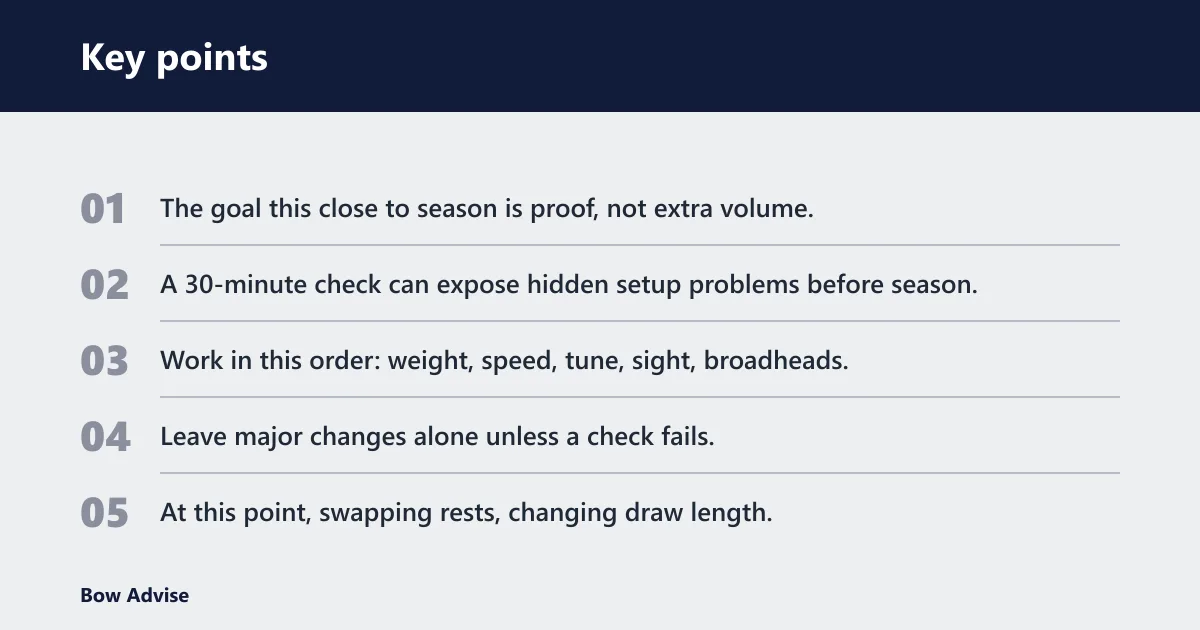


The goal this close to season is proof, not extra volume. A 30-minute check can expose hidden setup problems before season, and that is the right use of the final week: confirm draw weight, arrow speed, sight tape, and broadhead point of impact on a measured range.
Work in this order: weight, speed, tune, sight, broadheads. Leave major changes alone unless a check fails. At this point, swapping rests, changing draw length, or reshaping the arrow setup usually creates more risk than benefit.
What a last-7-days routine should prove
Your setup should prove that the hunting bow, same arrows, same release, same peep height, and same quiver all work together. The routine should also prove that the sight tape matches actual arrow speed and that broadheads land where the field-point baseline says they should.
For a compound bow, that means checking mechanical consistency. For a recurve, it means confirming arrow spine, brace height, and clean arrow flight with the hunting arrows you plan to carry. The exact method differs, but the standard is the same: the setup must repeat at hunting distances.
What to leave alone this close to season
Do not chase small cosmetic changes in the final week. A slight shift in peep height, a quiver mount change, or a different arrow model can alter impact enough to matter at hunting distances. Draw weight can also drift under vibration between seasons, so a quick weight check matters more than speculation.
Suppose a bow has been resting all summer and now reads 2 pounds light. That may look minor on paper, yet a 2-pound draw-weight drop can change impact at distance and can also throw off the sight tape if the speed estimate was built from the old weight.
What should I practice with before season?
Practice with the actual hunting setup: the bow, the arrows, the release aid, the peep height, and the quiver you will carry. Field points are useful for baseline practice, but they do not finish the job. Hunting arrows still need verified flight, speed, and point of impact before opening day.
Use the same setup you will hunt
The more the practice rig matches the hunting rig, the more trustworthy the result. Modern hunting arrows should be matched to the bow setup for accuracy and safety, and draw length, draw weight, and arrows matched to the setup matter more than spec-sheet numbers.
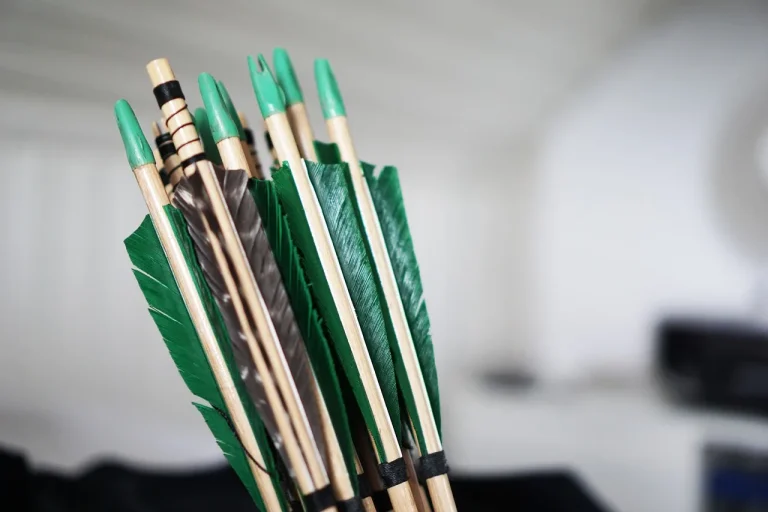
Arrow selection involves spine, FOC, weight, straightness, fletching angle, and length. If any one of those changes, arrow flight can change with it. Field points and broadheads may fly differently, so hunting arrows need verification, not a guess.
Match practice conditions to hunting conditions
Practice should include the same body position you expect in the field. That means a few shots from standing, a few from a slightly awkward angle, and a few with cold hands or gloves if that is realistic for your season. Practice from realistic field conditions, not only a flat range line.
Say your opening-day stand is 12 feet high and the shot lane angles down to 22 yards. A flat-range session at level ground does not fully cover that angle, so the final week should include elevated shots at a safe target and backstop.
Hunting setup drift checks
The final week is the time to measure, not assume. Verify draw weight with a bow scale, confirm actual arrow speed with a chronograph or Labradar, and check that the arrows still match the bow after any summer drift or gear changes.
Check draw weight with a bow scale
Draw weight can drift under vibration between seasons. Use a bow scale to confirm peak weight three times and average the readings. That average is more useful than one reading because it reduces the chance of chasing a single odd number.
If the average is down, inspect limb bolts and the rest of the setup before you touch the sight tape. Even a small change matters. A 2-pound draw-weight drop can change impact at distance, and that matters more at 40 and 50 yards than it does at 20.
Measure actual arrow speed
Use a chronograph or Labradar to measure actual arrow speed. Most modern hunting setups land between 270 and 295 fps, but the important number is the speed of the setup in hand, not the broad average. That measured speed is what should drive the sight tape.
A wrong speed produces a wrong tape. If the tape was built from a guessed number, the marks at longer distances can drift enough to matter. Measure speed before trusting the tape, then verify the tape at 20, 30, 40, and 50 yards on a measured range.
Confirm arrow match
Confirm that arrow length, spine, FOC balance, mass, and fletching still fit the bow. If the arrow is too weak or too stiff for the setup, broadhead flight may show it immediately, even if field points look acceptable at short range.
For compound hunters, a release aid that changes anchor pressure can also expose marginal arrow tune. For recurve users, the arrow spine and clean launch matter even more because the arrow leaves the string with less mechanical forgiveness.
Opening day readiness checklist
Use this checklist as a fast pass/fail routine during the final week. If any item fails, fix the setup first and retest before hunting.
| Drill | Pass/fail standard | Required gear | What to fix if it fails |
|---|---|---|---|
| Draw-weight check | Three scale readings are consistent enough to average and match the intended setup | Bow scale, hunting bow | Inspect limb bolts, cam settings, and overall setup for drift |
| Arrow-speed check | Speed is measured, recorded, and used for sight tape setup | Chronograph or Labradar, same arrows you will hunt with | Recheck arrow mass, bow weight, and shot form if the reading is off |
| Sight-tape verification | Marks match point of impact at 20, 30, 40, and 50 yards | Measured range, sight tape, field points | Correct the speed input or rebuild the tape from the measured speed |
| Field-point grouping | Three arrows at each distance group tightly enough to confirm repeatable flight | Field points matched to broadhead weight, measured range | Check arrow spine, nock fit, rest position, and release consistency |
| Broadhead confirmation | Broadheads land close enough to field points to trust the hunting setup | Actual hunting broadheads, hunting target that accepts broadheads | Re-tune arrow flight, check alignment, or replace mismatched arrows |
| Final 20-yard confidence check | One calm shot lands where expected without a rushed follow-through | Hunting bow, actual hunting arrows, quiet range lane | Stop and review anchor, grip, and sight picture before more shots |
How far should I sight in?
Verify the sight tape at 20, 30, 40, and 50 yards on a measured range. Those distances give a useful check from near to far without relying on guesswork. The tape should match impact at each mark, and the bow should be tested with the same arrows you will hunt with.
Use measured distances, not range guesses
Measured yardage matters because a sight tape is only as good as the speed behind it. If the tape is built from a guessed number, the error can show up more as the shot gets longer. Check each distance with the same hunting setup and the same aiming routine.
Use 3 arrows at each measured distance. That keeps the check fast and gives a better read on repeatability than one arrow alone. If the group shifts as distance grows, look at the bow setup before adjusting your form.
What the distance checks should tell you
At 20 yards, the setup should show clean center-impact confidence. At 30 and 40 yards, the tape and impact should still agree. At 50 yards, any tape mismatch becomes easier to see, which is why the farthest check belongs in the final week, not on opening morning.
If the tape is wrong at 40 or 50 yards, do not assume the bow has suddenly changed behavior. Recheck actual speed first, then compare the tape against the measured distances again.
How do I practice broadheads before opening day?
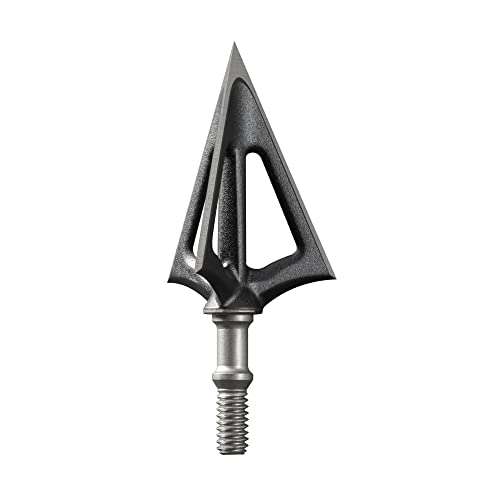
Practice broadheads with the actual hunting rig, not a separate target bow. Fixed-blade broadheads may hit differently than field points, so they need their own verification step before season. They should never be used for casual target use on a bag target, because the blades can ruin the bag and the shot result can mislead the tune check.
Why field points are only the baseline
Field points are useful for baseline practice because they let the archer see how the bow groups before broadhead testing starts. That baseline is not enough for hunting verification. Broadheads still need to land where the bow is sighted, or the setup is not ready.
Choose field points that match the broadhead weight when checking flight. If the practice points are heavier or lighter, the comparison becomes less useful and can hide a tune problem.
Use the right target for broadhead work
A hunting target should accept broadheads; bag targets should not. A bag target can be damaged by blade hits, and the damage can also change how the next arrow reads. Use a target made for broadhead work so the test stays clean and repeatable.
Imagine a first-timer who sees clean field-point groups at 30 yards and skips broadhead confirmation. On opening morning, the fixed-blade heads land 3 inches off the tape mark at 40 yards. That is not a target problem. It is a pre-season verification problem.
What to watch for with broadhead flight
Watch for horizontal or vertical separation from the field-point baseline. Small differences can be acceptable if they are understood and repeatable, but a changing impact pattern usually means the setup needs attention. Check nock fit, arrow spine, rest position, and the broadhead itself.
Do not wait until the eve of season to discover a mismatch. Broadheads should be tested with the actual hunting rig while there is still time to fix what is off.
Which drills mimic opening day?
The most useful drills copy the conditions that make a field shot harder: low light, colder hands, awkward body position, and a shot from an elevated angle. The goal is not to shoot more arrows. The goal is to make the opening-day shot feel familiar.
Low-light shooting
Practice before sunrise or at dusk when the range is safe and legal. Low light changes pin visibility, target contrast, and shot rhythm. That is exactly why it belongs in the last week, not in a generic practice block months earlier.
Cold hands and gloves
Cold fingers change grip pressure and release control. If the hunt may start in cold weather, spend a few shots wearing the gloves or liner gloves that will be in the pack. A common first-timer mistake is to perfect form with bare hands and then discover the glove changes the anchor and trigger feel.
Elevated and short-range confidence work
Practice a few elevated shots from a safe stand height or platform if the range allows it. Then finish with a short 20-yard confidence check. That last check matters because it is the distance most beginners expect to see first-light opportunities at, and it should feel calm, not rushed.
How long before opening day should I verify my bow setup?
Verify the bow setup in the last 7 days before opening day, and do not leave the main checks until the final evening. A 30-minute check can expose hidden setup problems before season, which still leaves time to fix drifted draw weight, wrong sight tape, or broadhead mismatch.
If the setup is already close, one focused session is enough. If anything changes, such as speed, weight, or broadhead impact, retest immediately instead of assuming it will settle by opening morning.
What are the most common mistakes when practicing for opening day?
The most common mistakes are practicing with a different bow, guessing at yardage, trusting a sight tape without confirming speed, and skipping broadhead testing. Beginners also overlook draw-weight drift, arrow mismatch, and the target type used for broadhead work. Each of those errors can hide until the first hunting shot.
Another common error is treating field-point groups as the full answer. They are only the baseline. Hunting verification requires the actual arrows, the actual release, the actual peep height, and the actual broadheads on a measured range.
Frequently asked questions
What time does bow hunting close tonight?
That answer depends on state law, local season dates, and sometimes the specific unit or wildlife area. Legal rules vary by state and change over time, so the safe answer is to check the current regulations for the exact area before heading out. Do not assume last night’s closing time still applies.
What time does bow hunting close tonight: the time is not
The time is not the same everywhere, and it can change with season dates, location, and special restrictions. For first-time hunters, hunter education is required in every state, and some states also require a separate bowhunter education course. Current regulations are the only reliable source for tonight’s closing time.
How many yards should I practice bow hunting at before opening day?
Practice at the distances you are likely to shoot, then verify the setup at 20, 30, 40, and 50 yards on a measured range. Those checks confirm the sight tape and the arrow flight across practical hunting distances, which is more useful than shooting only at one comfortable yardage.
What should I do if my bow tune changes before season?
Stop treating it as a form issue until the setup is checked. Reconfirm draw weight, arrow speed, sight tape, and broadhead flight in that order. Small setup changes can alter impact at hunting distances, so the correct response is to identify the change, correct it, and retest before hunting.
What is the best time of day to bow hunt and practice for it?
The best practice time is the time that matches your hunt. If you plan to hunt at first light or last light, practice in low light when it is safe to do so. That helps with pin visibility, target contrast, and the slower shot pace that often shows up in the field.
How do I practice bow hunting before opening day?
Use the final week to verify the bow rather than just shoot more arrows. Check draw weight, actual arrow speed, sight tape, field-point groups, and broadhead flight on a measured range. Then finish with a calm 20-yard confidence shot and a few realistic condition drills like low light or elevated angles.