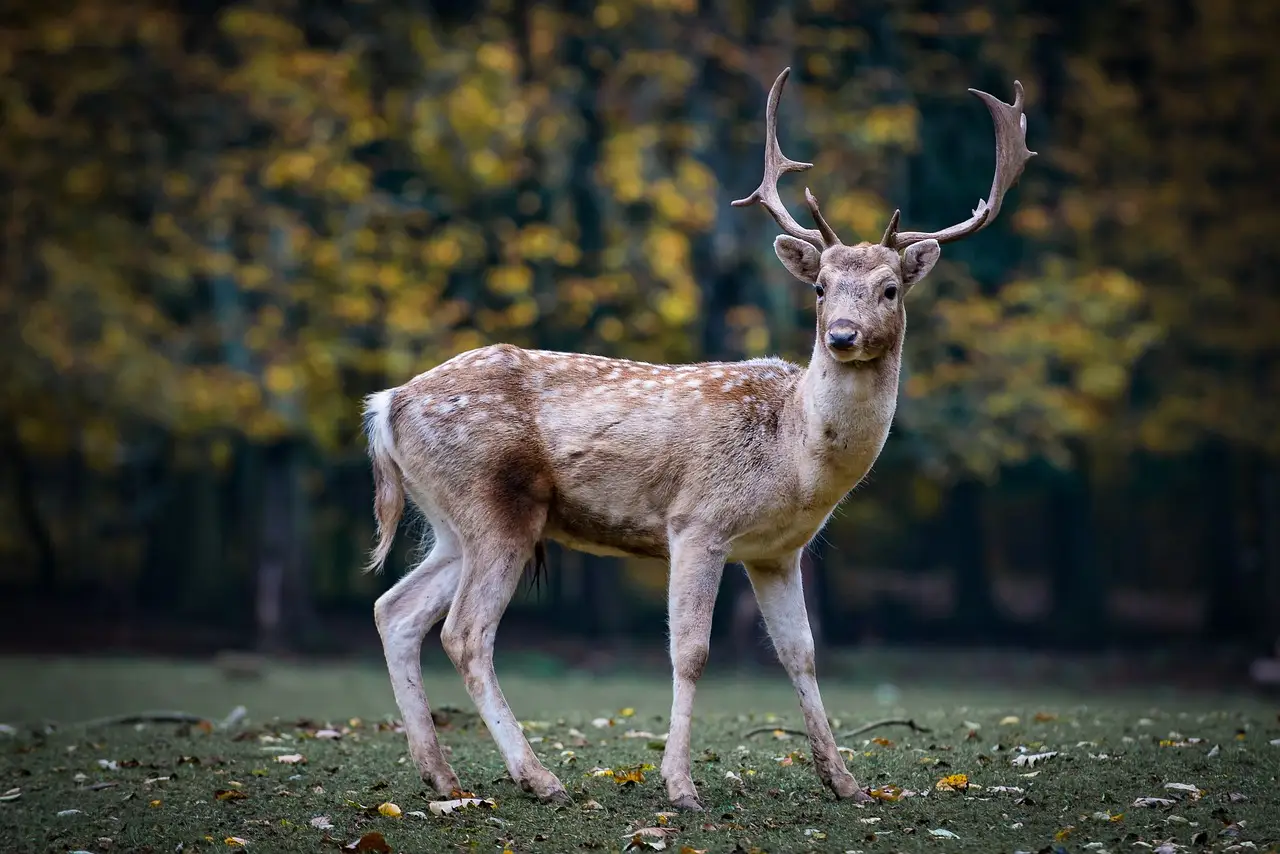
Bow Hunting Shot Placement for Deer: Exact Aim Points
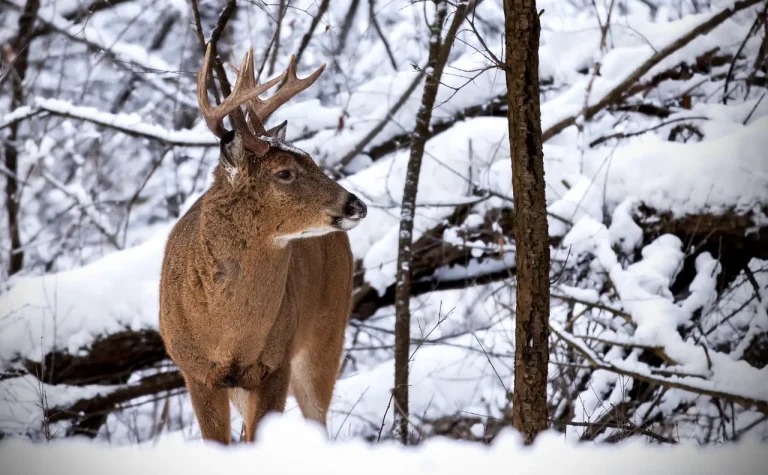
For deer, broadside or slight quartering-away shots are generally preferred, and the usual aim point is about one-third up the body just behind the front leg; steep quartering-to, front-on, or hard quartering-away angles are commonly passed on. Bad angle choices cause gut hits, long tracking jobs, and lost deer. This guide maps deer posture to exact aiming points and gives a simple pass-or-shoot rule for beginners.
Deer shot placement table
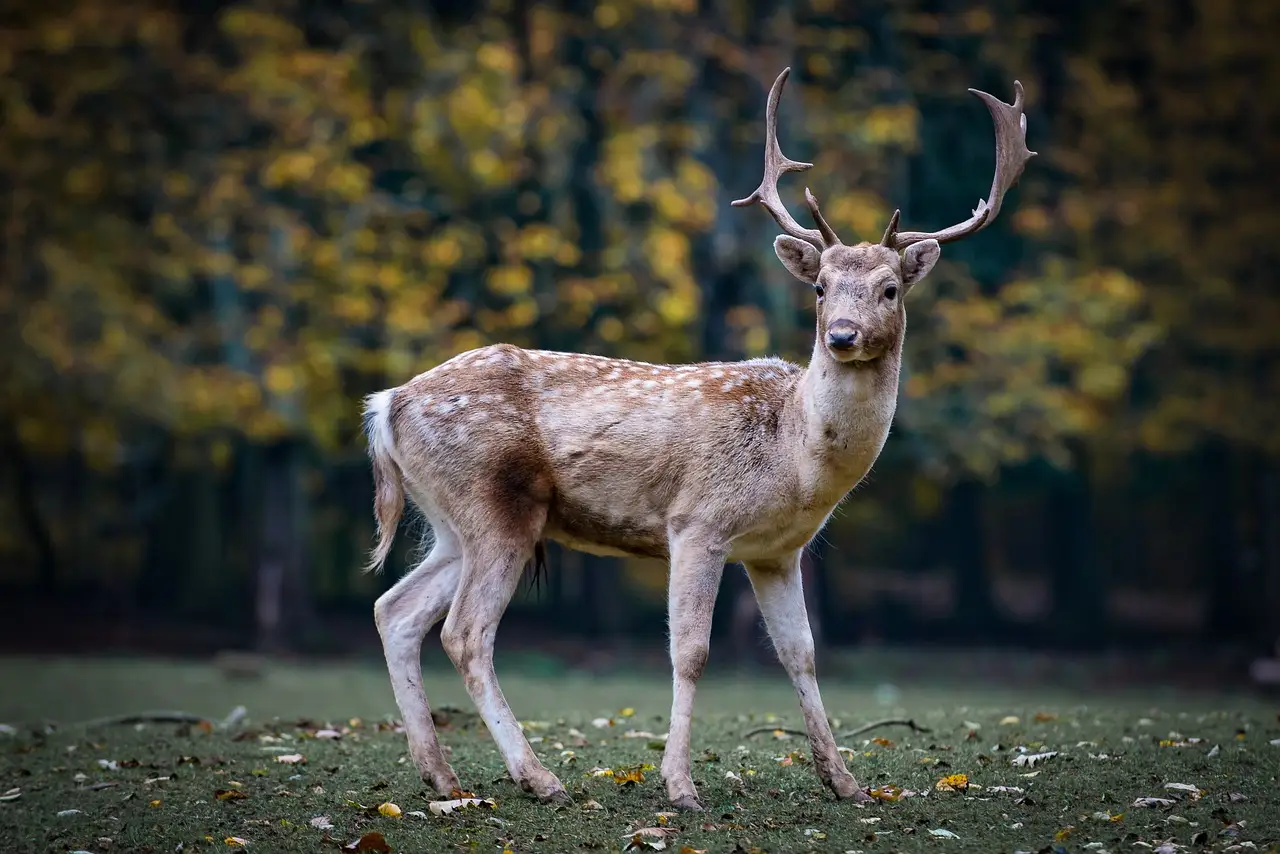
This table turns common deer postures into a simple aim point, a likely exit point, and the main miss risk. Broadside and slight quartering-away are the best common angles. Frontal, hard quartering-away, and quartering-to shots need much more restraint. (Alaska)
| Deer posture | Where to aim | Where the arrow should exit | Main miss risk |
|---|---|---|---|
| Broadside | Just behind the shoulder crease, one-third up the body, into the heart line | Near the offside lung | Too far forward into the shoulder or too high over the vitals |
| Slight quartering-away | A little farther back than broadside, still one-third up the body | Just behind the offside shoulder | Sliding too far back into liver or gut |
| Hard quartering-away | Only if the near-side ribs are open and the angle is still reasonable; aim for the offside shoulder exit path | Just behind the offside shoulder, but only if the shot path stays through both lungs | Arcing too far back and losing the lungs |
| Quartering-to | Pass for beginners | Unpredictable | Shoulder stop, shallow penetration, or one-lung/gut hit |
| Frontal | Pass for beginners | Small central lane only if conditions are exceptional | Very small margin for error |
| Walking deer | Only if the deer is slow and the lane is clear; hold on the chest line, not on the moving leg | Depends on pace and angle | Poor lead and clipped hits |
| Elevated treestand angle | Same vital zone, but pick an exit point lower than on level ground and bend at the waist | Through the lungs and out low on the far side | Shooting over the top of the lungs because the arrow path is too steep |
| Front-leg-forward variant | Use the rear edge of the forward leg as the reference, then stay just behind the shoulder crease | Through the heart-lung area | Aiming on the forward leg and striking shoulder bone |
Where are the vitals on a deer?
The deer heart-lung zone sits just behind the front shoulder. The goal is a heart hit or both lungs, and broadside or slight quartering-away angles reveal that zone best. When the shoulder line hides the chest, the shot becomes less forgiving and the chance of a poor hit rises fast.
Why the shoulder line matters
The shoulder is the key landmark because the forward leg and shoulder blade hide the front edge of the chest. On a broadside deer, the best target is not the outer shoulder joint. It is the pocket just behind it, where the heart and lungs sit together.
Outdoor Life says the worst place to hit a deer with an arrow is the shoulder danger area. That matches the practical rule: do not aim at bone. Aim for the open chest behind it. If the front leg blocks that lane, wait for a better position.
What broadside and slight quartering-away reveal
Broadside shows the chest most clearly, which is why onX says broadside and quartering away offer the best shot opportunities. Slight quartering-away opens the back half of the chest even more, but the aim point shifts. The arrow must travel farther through tissue and still exit near the offside shoulder.
Where should I aim on a broadside deer?
On a broadside deer, aim just behind the shoulder crease or slightly into the heart line, about one-third up the body. If the front leg is forward, use the crease behind that leg as the reference. If the leg is back, the heart-lung pocket is easier to see and the lane is clearer.
Front leg forward vs back
A forward front leg can hide the pocket and tempt the shooter to aim too far ahead. That is the mistake most beginners make. On a broadside deer, the correct hold stays behind the leg, not on it. If the leg blocks the crease, do not guess at the shoulder.
That lines up with the heart-lung lane, not the bone. Outdoor Life also says many bowhunters aim at the heart on a broadside deer, which is the same basic idea in plain language.
What happens if you aim too far forward
Aiming too far forward turns a clean chest hit into a shoulder hit. That can stop the arrow, reduce penetration, or shift the hit into only part of the vitals. A common first-timer mistake is to chase the front edge of the deer instead of the open pocket behind it.
Picture a deer standing broadside at 22 yards with the near-side front leg planted forward. The best hold is still behind the shoulder crease, not on the shoulder joint. Move the aim point forward only if the chest opening itself changes, not because the leg looks closer than the lungs.
How do I aim on a quartering-away deer?
For a quartering-away deer, aim a little farther back than broadside and pick an exit just behind the offside shoulder. That gives the arrow a path through both lungs. Mild quartering-away is a strong shot. Hard quartering-away becomes a pass if the exit point pushes too far back into gut or liver.
Mild quartering-away versus steep quartering-away
A mild quartering-away deer still shows enough chest that the near-side aim point can stay near the rib cage and send the arrow to the offside shoulder line. A steep angle hides too much of the front chest. At that point, the arrow path lengthens and the margin shrinks.
The simplest rule is this: if you can picture the arrow exiting just behind the offside shoulder, it is still a usable quartering-away shot. If the exit drifts behind the ribs and into the belly, pass. That is where the shot turns from ethical to low-margin.
When to pass the shot
Pass if the deer is quartering away so hard that the near-side entry point looks like it would ride back into the liver or paunch before reaching the lungs. Pass if brush, body twist, or movement blocks your exit picture. Quartering-away only works when the exit point stays honest.
Suppose a deer is quartering away at 18 yards and the far-side shoulder is hidden by the rib line. That is too steep for a beginner. Wait for the deer to turn a little more or step into a clearer angle, because the safer shot is the one that keeps both lungs in play.
Where do you shoot a deer facing you with a bow?
For a deer facing you, the best answer for a beginner is usually to wait. Frontal shots are controversial and higher risk, and onX warns frontal and head shots should be avoided. The target is small, the margin is thin, and the chance of a poor hit rises with even minor error.
Why frontal shots are low margin
The same source says the deadliest place to hit a deer is the frontal lung and heart area. That does not make the shot easy. The lane is narrow, the deer can move a step, and a slight miss can move the arrow out of the vital pocket.
For a beginner, the safer rule is simple: if the deer is looking straight at you, do not force the shot. Wait for broadside or slight quartering-away. A clean pass now is better than a rushed shot into a tiny target.
Safer waiting angles
If the deer is facing you but turning, wait until one front leg steps ahead and the chest opens. The moment the shoulder line clears, the shot becomes more readable. That is the time to use the broadside or slight quartering-away rule instead of the frontal one.
What shots should I avoid?
Avoid head shots, high shoulder hits, frontal shots, and steep quartering-to angles. Also avoid any shot where the leg blocks the chest or the deer is moving through cover with no clear exit picture. Some of these can still be lethal, but they are poor choices for beginners.
Head shots
Head shots are not recommended. The target is too small, the deer can move, and a miss can wound without giving a useful blood trail. That is a bad trade for a beginner, especially when the chest presents a much larger target.
High shoulder hits
High shoulder hits are another no-go. They can break bone and still fail to reach both lungs, or they can leave a deer with a severe but non-immediate wound. The shoulder is not a scoring zone. The chest pocket behind it is.
Liver-only hits
A liver hit can be lethal, but it is slower and often requires extended recovery effort. It is not a preferred aiming point. If a shot looks likely to slide too far back, the better move is to wait rather than plan on a tough recovery later.
Quartering-to and walking risks
The same source says a quartering-to shot is controversial in bowhunting. That is because the arrow must fight through more shoulder and less chest. Walking deer create a different problem: the target moves, so even a good aim point can shift by the time the arrow arrives.
Treestand and practice rules
Shots from a treestand change the arrow path because the hunter is shooting down into the deer. The fix is not to aim randomly lower or higher. Pick an exit point, then bend at the waist so the shot still passes through the lungs instead of clipping the top of the chest.
Aiming from above
From an elevated stand, the deer’s vitals still sit just behind the front shoulder, but the arrow angle is steeper. The hunter should think in terms of a line through the chest, not a flat-ground line. A steep shot needs a lower exit point on the far side than a level shot would.
That matters most when the deer is close to the stand. The closer the deer, the steeper the angle. If the shot looks like it will pass over the lungs or exit too high, wait for the deer to move farther out or turn slightly.
3D target practice
The same source recommends practicing with a 3D archery target like the Blackout Buck XL. That advice matters because flat paper does not show body angle well. A 3D deer target helps the shooter see shoulder line, rib line, and exit point on a real shape, not a flat circle.
Practice should include broadside, slight quartering-away, and steep angles from realistic height. That means not only standing on level ground. A treestand shot should be practiced from a raised position so the shooter learns how much bend and hold adjustment the angle requires.
Distance and group-size benchmarks
A useful beginner standard is to keep all practice shots inside the vital area of a deer-sized 3D target at the distances planned for hunting, and to repeat that from multiple angles. A common deer vital-zone target is roughly the size of a dinner plate, so a consistent group inside that zone is a practical benchmark.
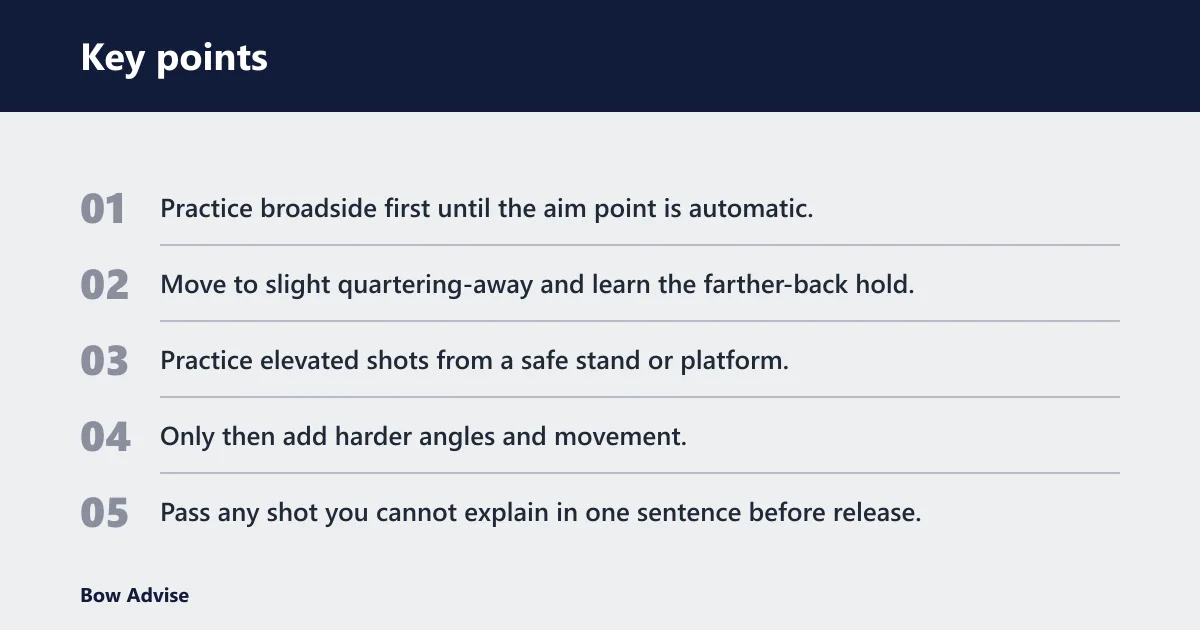
- Practice broadside first until the aim point is automatic.
- Move to slight quartering-away and learn the farther-back hold.
- Practice elevated shots from a safe stand or platform.
- Only then add harder angles and movement.
- Pass any shot you cannot explain in one sentence before release.
What is the average bow shot on a deer?
The average bow shot on a deer is usually a close hunting shot rather than a long one, but the exact distance depends on terrain, cover, and the hunter’s setup. For beginners, the right question is not the average distance. It is whether the shooter can place every arrow into the vital zone at the real hunting distance.
Can you shoot a deer with a bow in city limits?
Can you shoot a deer with a bow in city limits depends on local law, not on shot placement. Some places allow archery hunting in certain zones, while others ban it or set special distance limits from homes, roads, or occupied buildings. Check the local rules before any hunt.
Frequently asked questions
Where should I aim on a deer with a bow?
Aim just behind the front shoulder, one-third up the body, so the arrow passes through the heart-lung zone. On a broadside deer, that is the cleanest point. On a quartering-away deer, shift the aim slightly farther back so the arrow can exit just behind the offside shoulder.
Should I aim behind the shoulder or at the shoulder on a deer?
Aim behind the shoulder, not at the shoulder. The best target is the heart-lung pocket just behind the front shoulder crease. A shoulder hit can waste penetration and reduce the chance of reaching both lungs. Broadside and slight quartering-away are the angles that make that pocket easiest to hit.
What is the best shot angle on a deer for bowhunters?
Broadside is the best common angle, with slight quartering-away close behind it. Those angles expose the heart-lung zone most clearly and give the arrow the best path through vital tissue. Broadside is the simplest for beginners; slight quartering-away is strong when the exit point stays near the offside shoulder.
What shot placements on deer should I avoid with a bow?
Avoid head shots, high shoulder hits, frontal shots, and steep quartering-to angles. Also avoid any shot where the deer is moving and the chest is not clearly open. Liver-only hits can still be lethal, but they are slower and are not a preferred aiming point for a beginner.