Bow Hunting Rules Every Beginner Should Know
Before hunting, check three things: your state or province license rules, the season dates for your game, and the equipment rules that apply to your weapon and land. These rules change by location, and a missed detail can bring a fine, a confiscated tag, or both. This guide separates broad bowhunting rules from local checks and gives you a first-hunt readiness list.
What rules matter first?
Start with the rules that can stop a hunt fast: state wildlife rules, land access rules, and the season and weapon rules for the animal you plan to take. Bowhunting rules vary by state and country, so the local wildlife agency is the final authority, not a forum post or a friend’s memory.
That order matters. A beginner can be legal on one parcel and illegal on the next if the landowner sets extra limits, while statewide rules still apply as well. Archery season can also vary by species, county, and land type, and it may differ between public land and private land.
For deer, a common first-timer mistake is assuming archery season and rifle season are separate in every place. They can overlap, run in different windows, or have different rules on the same day depending on the state and the land. Verify all three before opening day: species, location, and weapon class.
Do you need hunter education?
Many states require hunter education before a person can hunt, and some treat bowhunter education as a separate requirement for archery use. The safe answer is simple: confirm the rule with the state wildlife agency before buying a license or entering the field, because that agency sets and publishes the current standard.
Hunter education usually covers safety, ethics, and legal basics. That includes firearm and archery handling, target identification, land access, and basic game laws. If a separate bowhunter course is required in your state, treat it as a license step, not an optional class.
Do not rely on a generic national answer here. The rule can change by state, and the final source is the agency that manages hunting in that state. If the agency says a course is required, complete it before you plan a hunt.
License, tags, and season access
A hunting license is usually the first legal document a beginner needs, and the correct tags, stamps, or permits may be required in addition to it. Those items are often species-specific and area-specific, so a general license alone may not be enough to hunt deer, turkey, or another game animal legally.
Archery season often opens earlier and can last longer than firearm season, although that is not true everywhere. The dates can differ by species, county, and land type, and some public lands have extra rules that do not match nearby private ground. Check the season calendar and the unit or zone that applies to the exact hunt location.
Can I bow hunt during rifle season? Sometimes, yes. In some states archery and rifle seasons overlap, and in others they do not. Even where they overlap, the land, species, and weapon rules still matter, so a beginner needs to verify both season access and property-specific regulations together.
Legal equipment basics
What bow hunting equipment is legal for beginners depends on the state and the season. The usual checklist includes bow type, draw weight, broadhead rules, and crossbow rules if crossbows are allowed where you hunt. Legal equipment may also include lighted nock rules and blaze-orange requirements, depending on the state and season.
Compound bows are a popular beginner option because they need less holding effort, and they make it easier to stay at full draw than many other setups. That does not make them legally automatic. The bow still has to meet the state’s minimum rules, and it still has to fit the shooter’s draw length and strength.
Draw weight and smooth shooting control
What is the legal draw weight for bow hunting? That depends on the state, and common minimums can be 30, 35, or 40 pounds. The legal number is only the starting point, though. A bow that can be drawn smoothly, held steadily, and shot with clean form is better than a heavier bow that causes collapse and poor release.
High draw weight with poor control is a liability. Beginners should choose a setup they can draw without strain from a hunting position, including while wearing layered clothing. That matters more than bragging rights, because a shaky hold or rushed shot lowers accuracy and can lead to lost game.
Broadheads versus field points
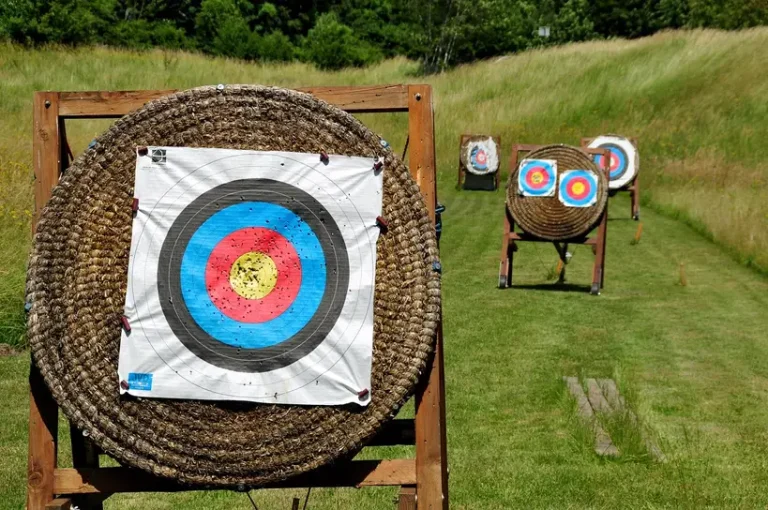
What broadheads are legal for bow hunting? That depends on local law, and they may be fixed-blade or mechanical depending on the state and season. Broadheads are hunting points. Field points are practice points, and they are not the same thing. A beginner should use field points for practice, then confirm broadhead impact before the season opens.
Broadheads are essential hunting gear, and a sharp broadhead is the standard recommendation for beginners. The key point is not whether one design is always better than another; it is whether the chosen head is legal where the hunt happens and whether the bow is tuned well enough that the arrow flies where it should.
Crossbow rules to verify
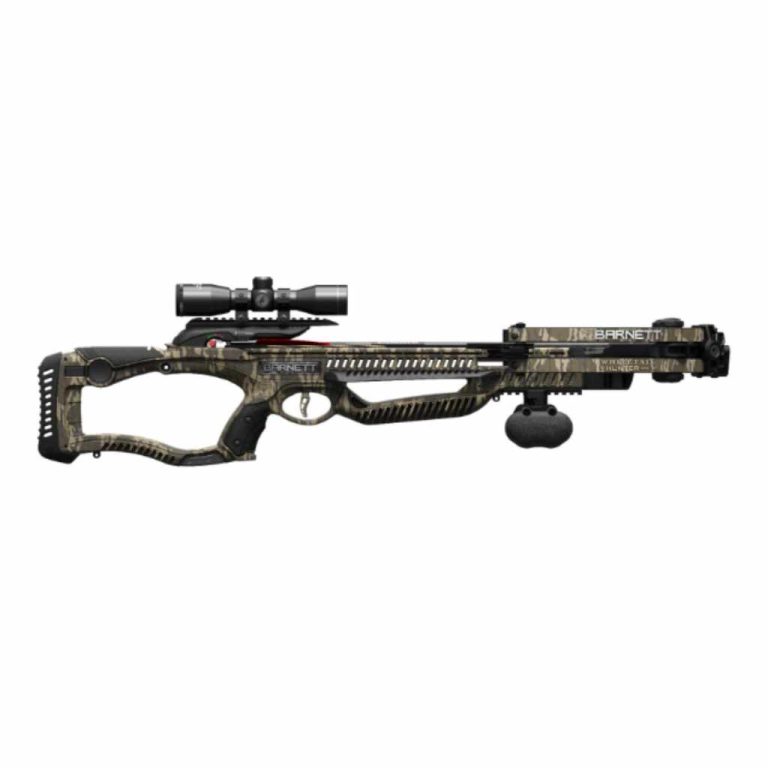
Can a crossbow be used during archery season? Many states allow it, but not all, and the rule can change by season, age class, permit status, or species. A beginner should verify whether a crossbow is legal for the exact season being hunted and whether any extra permit or disability rule applies.
Do not assume an archery tag automatically allows a crossbow. Some states treat crossbows as archery equipment in certain seasons and not others. The rule can also change between public land and private land, so the location matters as much as the weapon.
Beginner bowhunting rules matrix
This matrix separates what is universal from what must be verified locally. Use it as a pre-hunt check, not as a substitute for your state regulations.
| Universal rules | State-specific items to verify | Common beginner mistakes |
|---|---|---|
| Finish required hunter education before hunting. | Whether hunter education is required, and whether a separate bowhunter course is required. | Assuming a general hunting course covers archery in every state. |
| Carry the proper license and the correct tags, stamps, or permits. | Which species, zone, unit, or property the license and tags cover. | Buying a license but skipping the species tag. |
| Use legal equipment for the season and species. | Minimum draw weight, broadhead rules, crossbow rules, lighted nock rules, and blaze-orange requirements. | Taking the same setup to every season without checking the regulations. |
| Know your honest maximum range before hunting. | Any location rule that limits shooting distance, shooting lanes, or elevated stands. | Counting a backyard target range as hunting accuracy. |
| Use field points for practice and broadheads for hunting. | Whether the broadhead style is allowed for that season or species. | Practicing only with field points and never confirming broadhead flight. |
| Use a treestand or ground blind when the setup helps conceal movement. | Tree-stand rules, tether requirements, blind placement rules, and land-specific access rules. | Ignoring fall protection or setting a blind where it blocks legal access. |
| Follow ethical shot selection and pass uncertain shots. | Any minimum distance, angle, or shot restriction in local regulations. | Shooting because the animal is in view, not because the shot is clean. |
What shot distance is ethical?
What is the legal draw weight for bow hunting? That is a regulation question. What shot distance is ethical is a different question. Beginners should set a real maximum range based on verified accuracy, steady form, and first-shot confidence, not on the longest arrow they can send downrange in ideal conditions.
Range judgment matters. A rangefinder helps measure distance before the shot, which is especially important for new hunters who are judging pins, angle, and animal movement under pressure. The common beginner standard is to stay inside a proven hunting range, often about 15 to 30 yards for new archers, depending on skill and conditions.
That range should be based on hunting posture, not only target practice. A 3D target at daylight is not the same as a cold first shot after sitting motionless in a stand. If the first arrow of the day is not predictable at that distance, the distance is too far.
Say your practice groups are solid at 30 yards on a square range, but your first cold shot from a treestand sways low on the first arrow. The ethical range is not 30 yards that day. It is the distance where the first shot lands where intended, under hunting conditions.
Start by checking your state wildlife agency, getting the required education, and confirming the license and tag package for the game you want. Then choose legal equipment, practice with field points, and verify broadhead flight before the season opens. That sequence keeps the first hunt legal and practical.
A beginner should also plan where the hunt will happen. Archery season can be different on public land and private land, and property rules can change access, parking, stand placement, and shooting lanes. If the hunt is on public ground, read the unit rules with extra care.
For many first-timers, a treestand or ground blind is the simplest starting point for deer. A treestand helps with concealment and a better angle, but it requires tethering and fall safety. A ground blind can hide movement and make the shot less exposed.
Suppose a beginner hunts a private farm that allows archery gear but bans elevated stands on one field edge. The state law may still allow the stand, yet the property rule does not. Both rules apply, and the hunter has to follow the stricter one for that parcel.
What rules do beginners need to know before bow hunting?
Beginners need to know which rules are mandatory and which are simply good practice. Mandatory items include education requirements, license and tag requirements, season dates, legal equipment, and any orange or permit rules. Good practice includes close-range shooting, careful scouting, and conservative shot selection.
The easiest way to avoid mistakes is to separate the hunt into three checks: state law, property rules, and your own readiness. State law tells you what is legal. Property rules tell you what is allowed on that land. Readiness tells you whether you can make the shot cleanly.
One more failure case matters. If a beginner carries a bow that is under the legal minimum draw weight, the hunt can end in a citation before any shot is taken. If the broadheads are not legal for the season, or if the tags are wrong for the zone, the same result can follow. Legal details matter before fieldcraft does.
How to bow hunt starts with legal prep, then moves to practice, then to shot selection. Verify the rules, set up legal equipment, practice with field points, confirm broadhead point of impact, and choose a setup that reduces movement and improves concealment. Only then should a beginner think about the first hunt.
Good field preparation also means knowing where the animal is likely to travel and how the shot will present. That is why a rangefinder, a safe stand or blind, and a realistic maximum range are part of bowhunting readiness. They are not extras.
Frequently asked questions
Can I bow hunt during rifle season?
Sometimes. Some states allow archery hunting during rifle season, while others separate the seasons or add weapon restrictions by unit, land type, or species. Check the season calendar for the exact location and read both the archery rules and the rifle-season rules before hunting.
What broadheads are legal for bow hunting
Legal broadheads vary by state and season. Many places allow fixed-blade or mechanical designs, but local law controls the details. Beginners should confirm the allowed broadhead type, then tune the bow and confirm impact with the same hunting setup before opening day.
What bow hunting safety rules should beginners follow
Keep the bow pointed safely, identify the target and what is beyond it, and use a treestand tether or a safe blind setup when needed. Wear required orange where the law says so, follow the land rules, and stop if the shot is outside your honest range.
What is the legal draw weight for bow hunting?
The legal minimum depends on the state, and common minimums are 30, 35, or 40 pounds. Legal minimum is not the only standard, though. A beginner should choose a draw weight that can be pulled smoothly, held steadily, and shot with repeatable form.
Do I need hunter education for bow hunting?
In many states, yes. Some states also require a separate bowhunter education course for archery hunting. The final authority is the state wildlife agency, so the safest move is to verify the current rule before buying a license or planning the season.