Morrell Yellow Jacket Target Review: Best For Field Points
The Morrell Yellow Jacket is a solid buy for field-point practice at moderate speed, but I would only point you to it if you want short-to-medium sessions and you accept that broadheads, high FPS setups, and heavy volume will wear it down faster. I’ll separate the standard target from the CPX2 so you can match the right model to your bow, arrows, and shooting habit.
Verdict: who should buy the Morrell Yellow Jacket target
My short verdict on the standard Yellow Jacket
I would recommend the standard Morrell Yellow Jacket to bowhunters and beginners who shoot field points, want clear aiming feedback, and want a target that is easy to drag across the yard. It is built as a stand-up target made specifically for field points, and that is where it fits best.
It is not the target I would pick for broadhead-heavy tuning or for very fast setups that live above the comfort zone. In my own shooting, that is where targets start costing real money fast.
When the Yellow Jacket is a smart buy
Pick it if you want a backyard practice target for regular sight work, close-range repetition, and casual hunting prep. The high-visibility face helps late in the day, and the carry handle makes it easier to move in and out than a bulky block that feels like a cement sack.
I also like it for new archers because it gives quick visual feedback without asking much from the shooter. When I coach beginners at my local club, that kind of simple feedback matters more than flashy features.
When I would pick something else
I would look elsewhere if you shoot broadheads often, run a high-energy compound, or want a target that will handle many arrows without packing down. If your bow is already on the hot side, a soft-core target can start acting tired long before the outside looks bad.
My first compound was set 10 lb too heavy. I flinched for a month before I backed the limb bolts out. That taught me a simple lesson: the target has to match the bow, not the other way around.
According to Morrell Yellow Jacket Target Review – The Professional Gunfighter — The target is claimed to be 100% weatherproof.
What the Morrell Yellow Jacket is built to do
Field-point use comes first
The standard Yellow Jacket is aimed at field-point shooting first. That is the core use case, and it shows in the way the target face and internal structure are set up to stop repeated practice arrows instead of acting like a universal catch-all.
If you want a target for routine sight-in work, form drills, and backyard sessions, this model fits that job better than a lot of cheap foam alternatives that break down fast in the middle.
Multilayered density and internal frame system
The target uses a multilayered density design and an internal frame system. In plain terms, that means the stopping material is meant to spread impact instead of letting every shot punch the same channel deeper and deeper.
That design is why the target stays useful for a while with field points, especially when you spread shots around. When I keep arrows off the exact same hole, any practice target lasts longer. That is true here too.
Visibility, carry handle, and outdoor use
The Yellow Jacket also includes an E-Z Tote carrying handle, and that matters more than most buyers admit. If a target is a pain to move, you stop moving it, and then you stop using it.
The target is claimed to be 100% weatherproof, so outdoor use and a little light rain are part of the pitch. I would still store it under cover when I can, because weatherproof does not mean I want it sitting soaked all season.
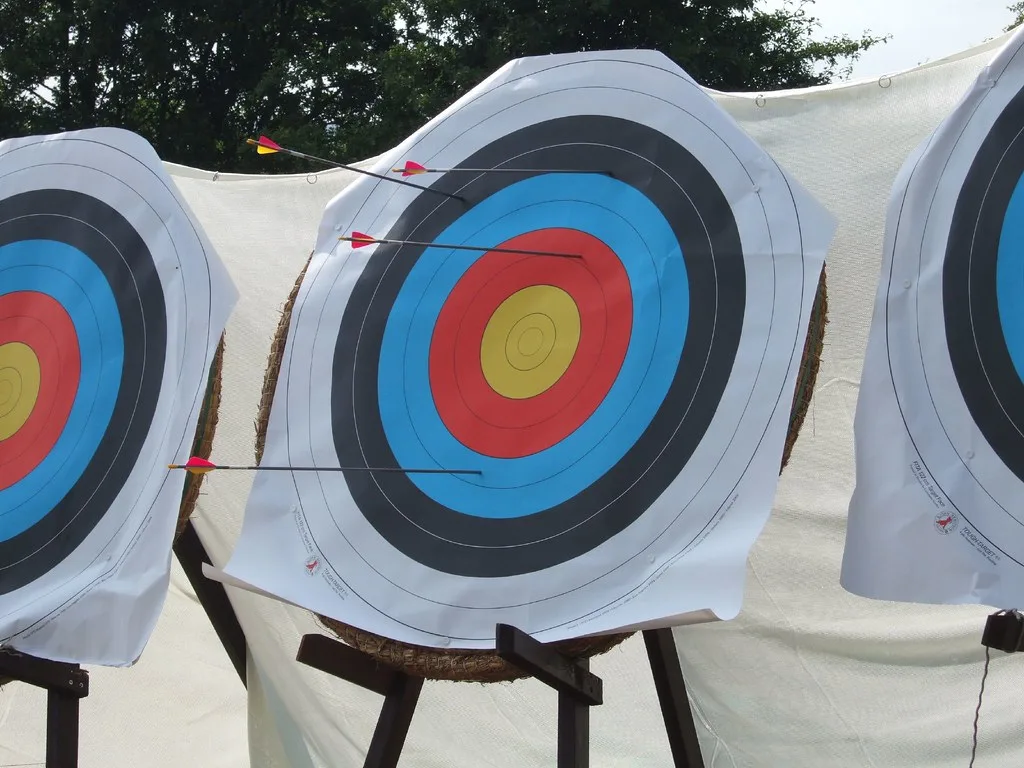
Is the Morrell Yellow Jacket target good for field points?
Yes. Field points are the Yellow Jacket’s best fit, and that is the clearest reason to buy it. It is designed specifically for field points, and that makes it a practical practice target for sight-in work, form drills, and repeated backyard shooting with standard practice arrows.
Why field-point practice is its best fit
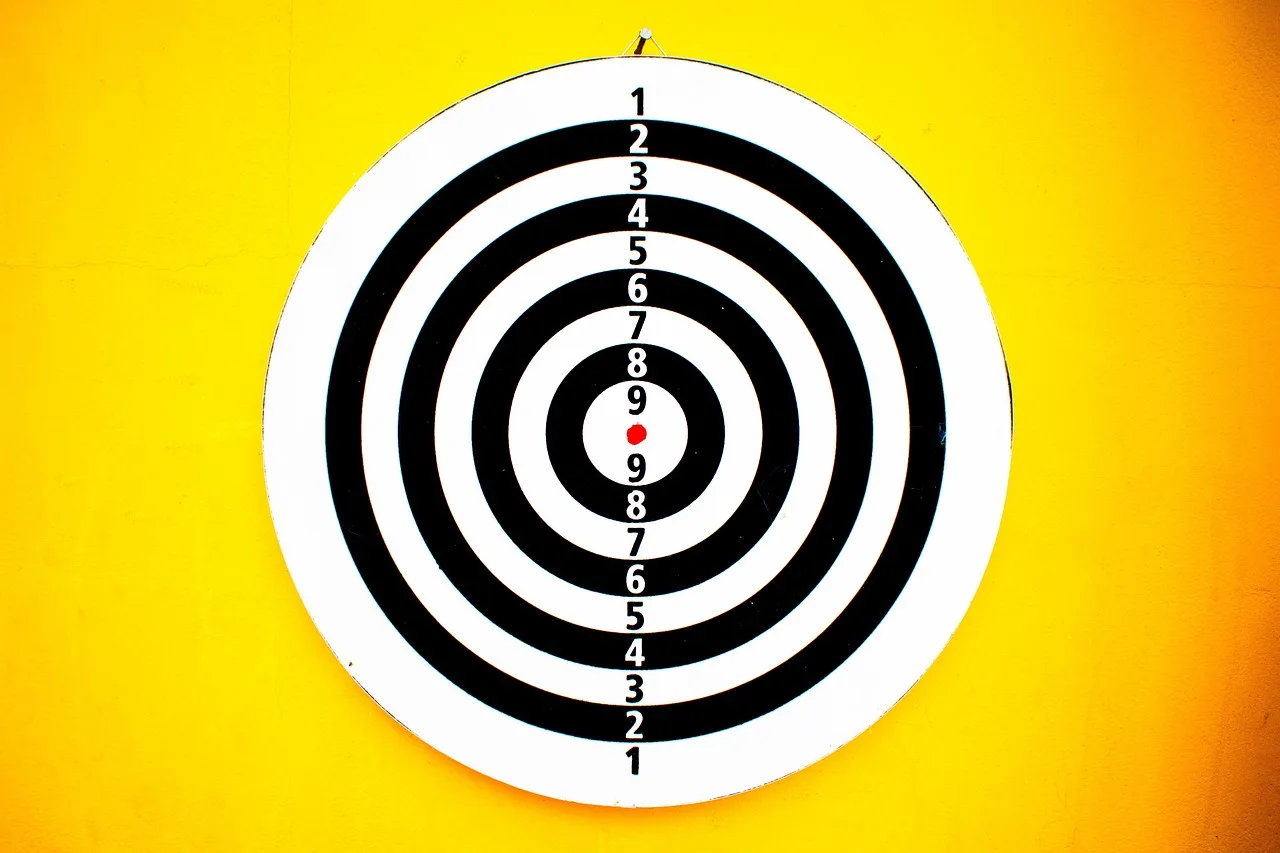
Field points are cleaner on targets than hunting heads, and the Yellow Jacket is built around that kind of use. The high-visibility surface makes aiming easier, and the structure is meant to take repeat shots without feeling like a one-shot novelty item.
Competitor pages usually get one thing right here: field points are the main compatibility story. They just do not separate that from broader target use as cleanly as they should.
Arrow removal and day-to-day convenience
Arrow removal is part of the value. If a target is hard to pull from, practice slows down and people shoot less. With this style of target, pull force usually stays manageable early on, especially with field points and moderate draw weights.
As the face packs down, that changes. The same arrows that came out cleanly on day one can start feeling stuck, and that is one of the first signs that the target is getting tired.
What repeated hits do to the face and core
Repeated hits are what compress any practice target, and the Yellow Jacket is no exception. The center area will take the most abuse, and once the core starts tightening up, arrow pull gets harder and the stopping power gets less predictable.
That is why I tell beginners to move aiming points around. It buys time, and it keeps the target from turning into one worn tunnel.
Can you shoot broadheads into the Morrell Yellow Jacket target?
Only in a limited way, and I would treat that as a brief confirmation use, not a regular habit. Broadheads can create wear and tear fast, and whether they are tolerable depends on the head design, draw weight, shot count, and how much energy your bow is carrying.
When a brief broadhead check is acceptable
If you want to verify point of impact before season, a few broadhead shots may be acceptable on the standard Yellow Jacket, especially if you keep the count low and use moderate speeds. I would not use it as a dedicated broadhead target.
That is the difference most buyers miss. A target that can survive a couple of tuning shots is not the same thing as one built for repeated broadhead practice.
Why wear rises fast with broadheads
Broadheads cut instead of slipping through cleanly, so they chew the face and inner material much faster. Add a heavier draw weight or a faster bow, and the damage piles up. The target does not care that the shot was “just one arrow.” It only sees the cut.
When I test gear on my own range, broadhead use is the fastest way to expose weak spots in a practice target. It also makes arrow pull less pleasant sooner than field points do.
Failure signs: pass-through, blowout, and deformation
Watch for pass-through, blowout, and target deformation. A pass-through means the arrow is no longer being stopped cleanly. Blowout usually shows up when material opens around the impact point. Deformation is the slow one: the target starts bulging, leaning, or feeling uneven under new shots.
If I see those signs, I stop using broadheads on that target and move to field points only, or I replace it if even field-point stopping starts slipping.
Model-by-model buying table: which Yellow Jacket fits your setup
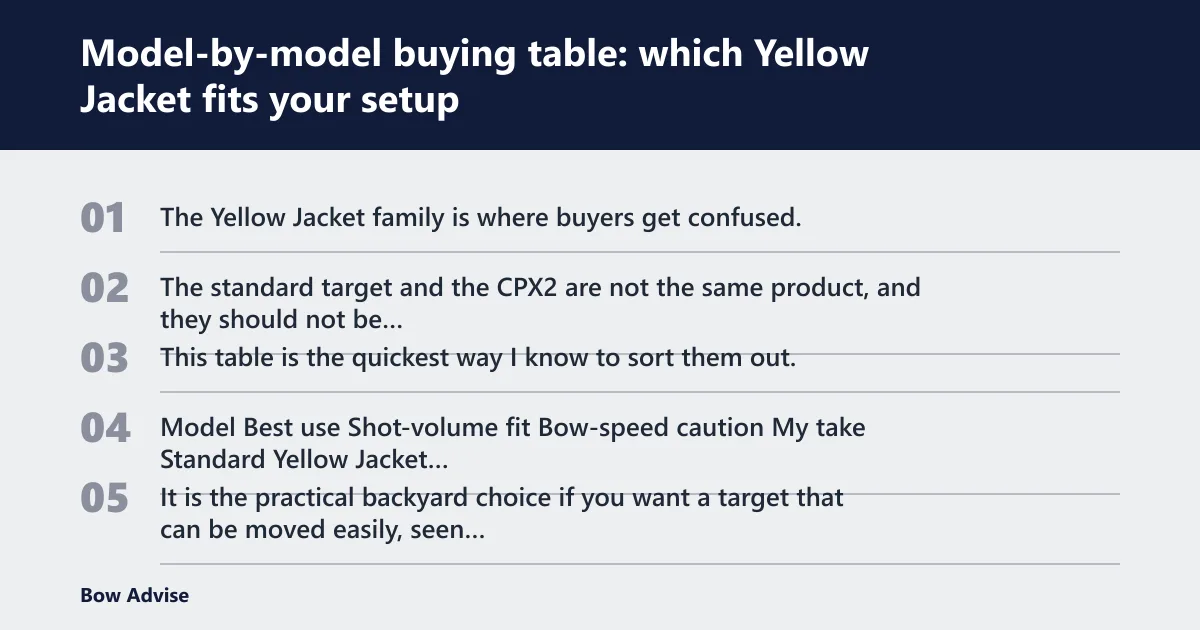
The Yellow Jacket family is where buyers get confused. The standard target and the CPX2 are not the same product, and they should not be treated like they are built for the same job. This table is the quickest way I know to sort them out.
| Model | Best use | Shot-volume fit | Bow-speed caution | My take |
|---|---|---|---|---|
| Standard Yellow Jacket | Field-point-only practice, backyard tuning, sight work | Best for moderate, repeated sessions with rotated aiming points | Be cautious at and above 300 FPS; higher-energy bows can shorten life or cause pass-throughs | My pick for most bowhunters and beginners who want a real practice target |
| Standard Yellow Jacket | Occasional broadhead confirmation | Low shot count only | Above 300 FPS, broadheads are a bad fit much sooner | Fine for a few checks, not for regular broadhead tuning |
| CPX2 | Low-cost drill work and sight work | High face count, but each face is paper-based, so it is not a stop-it-and-shoot-it target | Speed matters less here because this is a paper target face, not a stop target | Best for aiming drills and reference work, not backyard stopping power |
Standard Yellow Jacket for backyard field-point practice
This is the version I would point most shooters toward. It is the practical backyard choice if you want a target that can be moved easily, seen clearly, and used for routine field-point work without paying for features you do not need.
Yellow Jacket for occasional broadhead confirmation
I would only use the standard target for brief broadhead confirmation. That means a few arrows to verify impact before hunting season, then back to field points. If your bow is fast or your broadhead is aggressive, I would stop sooner rather than later.
CPX2 paper target for low-cost drills and sight work
The Morrell Yellow Jacket CPX2 is a different animal. It measures 34 inches by 34 inches, is made from heavy paper stock, includes 100 individual targets, and sells at around $43. It uses bold yellow and red scoring zones, which makes aiming feedback obvious.
That makes the CPX2 better for drill work, paper-face sighting, and high-volume aiming practice where you want lots of fresh faces. It is not the same kind of backyard stop target as the standard Yellow Jacket.
How long does a Morrell Yellow Jacket last?
It depends on shot volume, arrow type, and bow speed. With field points and moderate use, the standard Yellow Jacket can last a useful amount of time. With repeated broadheads or a fast bow, the useful life drops quickly. I would call it a wear-item, not a forever target.
Shot volume, draw weight, and FPS
A lighter bow and lower shot volume are easier on the target. A heavier draw weight and a busy practice schedule chew it up faster.
The review notes a limit with setups exceeding 300 FPS, and that is the line I would keep in mind. Faster setups bring more impact energy, more compression, and a greater chance of pass-through or ugly pull-outs.
What changes at 300 FPS and above
At 300 FPS and above, I would expect target life to shorten. That does not mean the target instantly fails, but it does mean you are asking more from it than a moderate-speed hunting bow would. The margin gets smaller, especially if you shoot a lot.
If I had a high-energy bow, I would watch for deeper penetration, looser stopping, and arrows that start coming through the back or bottom in a way they did not before.
Realistic replacement signs I look for
- Arrows stop burying the same way they used to.
- Arrow removal takes a lot more force.
- The target leans, bows, or deforms around the center.
- Field points start pushing material through the back.
- Broadhead cuts open the face faster than I want to keep using it.
When those signs show up, I stop trying to squeeze more life out of it. A target that costs less up front can get expensive if it starts eating arrows or forcing you to replace shafts.
Is the Morrell Yellow Jacket target weatherproof?
Yes, the standard Yellow Jacket is claimed to be 100% weatherproof, so outdoor use and light rain are part of the appeal. I would still treat that as weather resistance for normal backyard storage and shooting, not an excuse to leave it soaked or buried in bad conditions for weeks.
What weatherproof means in practice
Weatherproof means I am less worried about a quick drizzle or damp morning. It does not mean I expect the target to stay at peak condition if it sits in standing water, takes repeated soaking, or stays outside through long stretches of abuse.
For me, weatherproof is convenience, not immunity.
Is the Morrell Yellow Jacket target easy to pull arrows from?
Yes, at first it usually is, especially with field points and a sane bow setup. Arrow removal is one of the reasons people like it for everyday practice. Once the target packs down, though, pull force rises, and that is when training gets slower and less enjoyable.
What makes pull-out easier or harder
Field points are easier than broadheads. Moderate speeds are easier than hot setups. Fresh target zones are easier than the same center lane hammered over and over. Those are the levers that matter.
When pull-out starts getting ugly, I do not blame the arrow first. I look at the shot count and where I have been hitting.
What size is the Morrell Yellow Jacket CPX2 target?
The Morrell Yellow Jacket CPX2 measures 34 inches by 34 inches. It is a paper target face, made from heavy paper stock, and it includes 100 individual targets. The bold yellow and red scoring zones make it easy to pick a spot, even when light starts fading.
What I would use the CPX2 for
I would use the CPX2 for sight work, form drills, and low-cost repetition where a fresh face matters more than stopping power. The color contrast helps with visibility, and the low price point around $43 makes it easier to keep plenty of faces on hand.
I would not confuse that with the standard Yellow Jacket. One is a paper target face system. The other is the backyard stop target most bowhunters mean when they say Yellow Jacket.
Which Morrell Yellow Jacket target is best for backyard practice?
The standard Yellow Jacket is the better backyard practice choice for most shooters. It is built for field points, it has better stopping usefulness for real arrows, and it fits the kind of repeat shooting bowhunters actually do when they are getting ready for season.
Why I would choose the standard target
If you want to shoot after work, move the target around, and keep using the same block for a while, the standard Yellow Jacket makes more sense than the CPX2. The carry handle helps, and the weatherproof claim matters when the target lives outside part of the time.
Who should pick the CPX2 instead
Choose the CPX2 if your main need is paper-face drills, sight checking, or low-cost practice with lots of fresh scoring surfaces. It is not the right answer if you want a target that stops arrows all afternoon in the yard.
Pros and cons
Pros
- Built specifically for field points.
- High-visibility aiming zones make quick feedback easy.
- Stand-up design works well for backyard practice.
- E-Z Tote handle helps with moving it around.
- Weatherproof claim is useful for outdoor use and light rain.
Cons
- Broadheads are only a limited-use fit.
- High-FPS bows can shorten target life fast.
- Repeated center hits pack it down.
- The CPX2 is often confused with the standard target, even though it fills a different job.
- Cost per use rises if you treat it like a broadhead target.
Who it’s for
This target suits beginners who want a clear, forgiving practice target and bowhunters who sight in before season. It also fits backyard shooters who use field points and want something they can move without much fuss.
It does not suit the shooter who pounds broadheads into the same spot every week, or the high-speed compound owner who expects one target to absorb unlimited abuse. If that is your setup, I would spend differently.
Frequently asked questions
Is the Morrell Yellow Jacket target good for field points?
Yes. Field points are the Yellow Jacket’s best use case, and that is where it performs most predictably. It is a stand-up target made specifically for field points, so it works well for practice, sight-in work, and repeat shots with a normal hunting setup.
Can you shoot broadheads into the Morrell Yellow Jacket target?
Only for limited confirmation shots, not regular broadhead practice. Broadheads can wear the face and core quickly, especially with heavier draw weights, sharp-cutting heads, or lots of shots. If you use broadheads often, expect faster wear and more target damage.
How long does a Morrell Yellow Jacket target last?
That depends on shot volume, arrow type, and bow speed. With field points and moderate use, it can hold up well enough for routine practice. With broadheads or a setup above 300 FPS, life shortens, and you should expect earlier replacement.
Is the Morrell Yellow Jacket target weatherproof?
The standard Yellow Jacket is claimed to be 100% weatherproof, so it can handle outdoor use and a little light rain. I would still store it under cover when possible. Weatherproof does not mean I would leave it soaked for long periods or ignore wear.
What bow speed is too fast for the Morrell Yellow Jacket target?
The review notes a limit with setups exceeding 300 FPS. That is the point where I would start worrying about shorter target life, more compression, and a greater chance of pass-throughs. Faster bows can still work, but the target gets less forgiving.
Which Morrell Yellow Jacket target is best for backyard practice?
The standard Yellow Jacket is the better backyard practice target for most shooters. It is built for field points, it is easier to move, and it gives useful feedback on repeat shots. The CPX2 is better for paper-face drills and sight work, not stopping arrows.