What is the Best Traditional Bow Design: A Complete Guide
The design of traditional bows is a subject full of history, skill, and passion. For centuries, people around the world have created bows to hunt, compete, and survive. But when you ask, “What is the best traditional bow design? ” The answer is not simple.
There is no single winner. Instead, different bow designs fit different needs, cultures, and environments. Understanding the details behind each design helps you choose the right bow for your purpose.
In this article, I’ll guide you through the most respected traditional bow designs, compare their strengths, and explain why certain bows stand out. You’ll learn how materials, shape, and cultural traditions shape the performance of each bow. I’ll also share practical advice, common mistakes, and real-world examples, so even beginners can understand the essentials.
Whether you are interested in archery for sport, hunting, or history, this guide will help you see which bow design is best for you.


Understanding Traditional Bow Designs
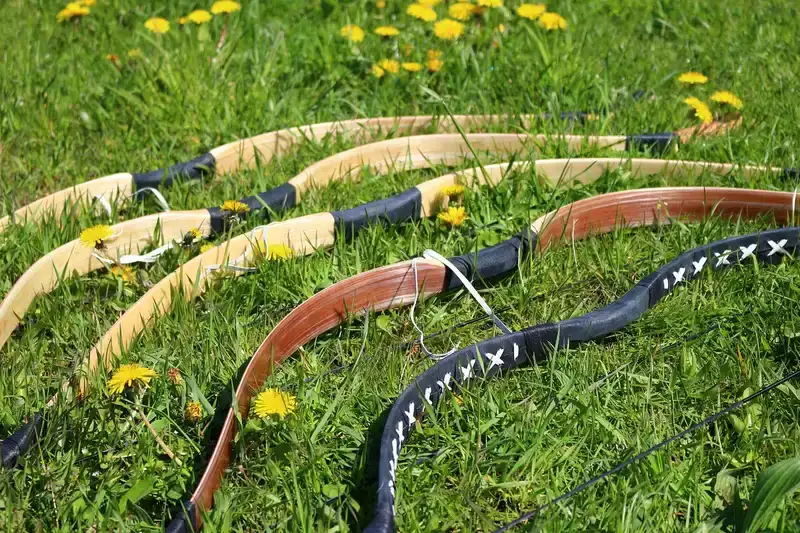
Traditional bows come in many forms, but the most famous are the longbow, recurve bow, horsebow, and flatbow. Each type has a unique history and function. Before choosing, it’s important to know what makes each design special.
Longbow
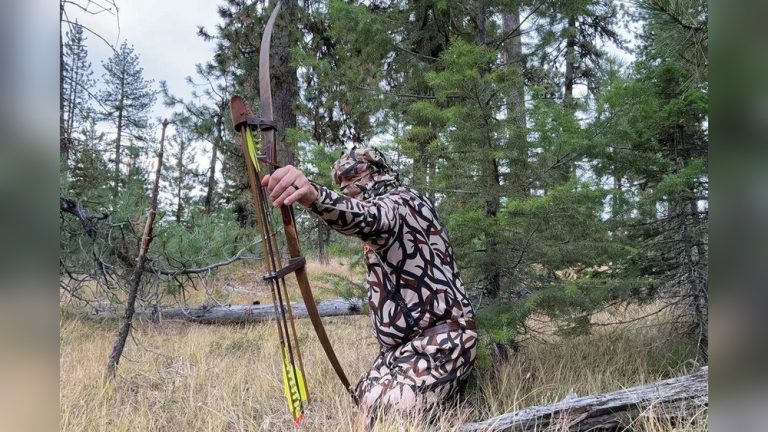
The longbow is often linked to English history, especially the medieval period. It is tall, usually as long as the archer, and has a simple, straight shape. Made from a single piece of wood, such as yew or ash, the longbow is powerful and reliable.
Longbows were used in battles like the Battle of Agincourt (1415), where English archers played a key role. The design allows for deep draw and strong force, but requires practice to master. Its simplicity means fewer parts that can break, making it durable.
Recurve Bow
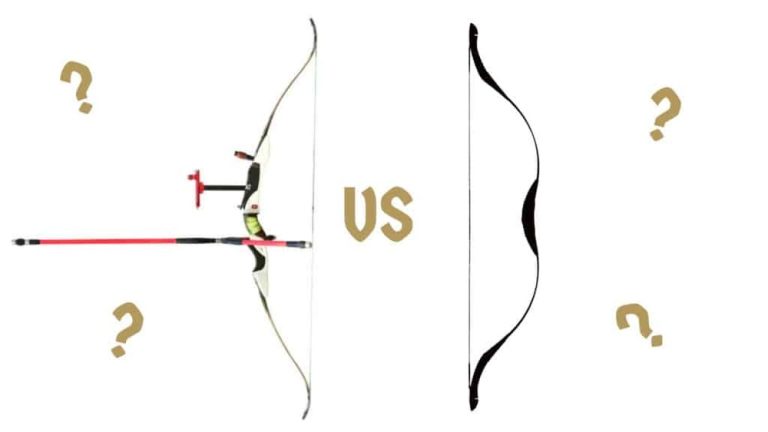
The recurve bow has tips that curve away from the archer when unstrung. This shape stores more energy and delivers it faster to the arrow. Recurve bows are found in many cultures, from ancient Greeks to Asian empires.
They are shorter than longbows, making them easier to use in tight spaces, such as forests or horseback. The recurve shape increases arrow speed and accuracy. Today, recurve bows are popular in Olympic archery.
Horsebow
The horsebow is a compact, highly curved bow designed for use on horseback. Most famous in Central Asia, especially among Mongols and Turks, horsebows are often made from layers of wood, horn, and sinew.
Their small size allows archers to shoot quickly while moving. The complex construction can handle high draw weights and deliver fast arrows. Because of their power and portability, horsebows were key to the success of nomadic armies.
Flatbow
The flatbow has wide, flat limbs instead of round ones. Native American tribes and Scandinavian cultures favored this design. Flatbows can be made from various woods and offer smooth shooting with less hand shock.
Their shape spreads stress evenly, making them less likely to break. Flatbows are good for hunting and target shooting, and are often easier for beginners to handle.
Key Factors That Make A Bow Design “best”
Choosing the best traditional bow design depends on several important factors. Each factor affects how the bow feels, shoots, and lasts.
Draw Weight And Length
Draw weight is the force needed to pull the string. High draw weight means more power, but also more effort. For hunting large animals, a draw weight above 40 lbs is common. For target shooting, lower weights are easier.
Bow length affects stability and ease of use. Longer bows are more stable and accurate, but harder to carry. Shorter bows are easier to move with, especially for hunters or horse archers.
Materials
The material of the bow changes its flexibility, strength, and weight. Yew and ash are classic choices for longbows. Horn, sinew, and wood are used in horsebows. Modern recurve bows sometimes use fiberglass.
Natural materials give the bow a traditional feel, but require care. Synthetic materials last longer and resist weather. For purists, wood and horn remain the favorites.
Shape And Limb Design
The shape of the limbs decides how energy is stored and released. Recurve limbs store extra energy. Flat limbs spread force, reducing hand shock. The grip and riser affect comfort and aiming.
Some bows have deep curves, others are straight. Each shape offers different benefits in speed, accuracy, and handling.
Use And Environment
Think about how you’ll use the bow. If you hunt in dense woods, a shorter recurve or horsebow is better. For open fields, a longbow gives power and range. On horseback, only a horsebow works.
Climate also matters. Humid environments can damage wood. Horn and sinew bows need protection from moisture.
Comparing The Best Traditional Bow Designs
To help you see the differences, here’s a side-by-side comparison of the main types.
| Bow Type | Length | Draw Weight Range | Main Material | Best Use | Difficulty |
|---|---|---|---|---|---|
| Longbow | 60-72 inches | 30-80 lbs | Wood (Yew, Ash) | Field hunting, target | Medium |
| Recurve Bow | 48-66 inches | 20-60 lbs | Wood, Fiberglass | Target, hunting | Easy |
| Horsebow | 40-52 inches | 30-70 lbs | Wood, horn, sinew | Mounted archery, hunting | Hard |
| Flatbow | 55-68 inches | 25-60 lbs | Wood (Osage, Maple) | Target, hunting | Easy |
This table shows that each bow has strengths and weaknesses. For example, longbows are best for open spaces, while horsebows fit mobile archers.
Deep Dive: Iconic Bow Designs And Their Legacy
Let’s look at some iconic designs and why they matter.
The English Longbow
The English longbow shaped European warfare. Made from yew, it could reach draw weights of 100 lbs. Archers trained from childhood to use these powerful bows. Its range could reach 250 yards with heavy arrows.
Today, the longbow is valued for its historical importance and simple design. It is less efficient than modern bows but offers a unique challenge.
The Mongolian Horsebow
Mongol horsebows helped nomads conquer vast lands. They used composite materials (wood, horn, sinew) to create bows that were short but powerful. Mounted archers could shoot in all directions while riding.
The technology behind horsebows is complex. Making one requires skill and patience. Their legacy lives in modern mounted archery competitions.
Native American Flatbow
The flatbow is famous in North America. Tribes like the Cherokee and Sioux used flatbows for hunting deer and buffalo. The wide limbs gave smooth release and reliability.
Flatbows are simpler to make than composite bows. They are still popular among survivalists and traditional archers.
Mediterranean Recurve Bow
Recurve bows from the Mediterranean were used for both war and sport. Ancient Greeks and Romans used recurves to defend cities and hunt. The shape allowed archers to shoot lighter arrows faster.
Modern Olympic recurve bows are inspired by this design, but use advanced materials.
Practical Comparison: Which Bow For Which Purpose?
Choosing a traditional bow is not just about style. Your main purpose changes which design is “best. “
| Purpose | Recommended Bow | Reason |
|---|---|---|
| Long-range hunting | Longbow | High power and stability for large targets |
| Mounted shooting | Horsebow | Short length for mobility |
| Target archery | Recurve Bow | Easy aiming and fast arrows |
| Beginner practice | Flatbow | Smooth draw and forgiving design |
Pro Tip: Always try different bows before buying. What feels best in your hands may surprise you. A bow’s fit matters more than its reputation.
Common Mistakes When Choosing A Traditional Bow
- Ignoring draw weight: Beginners often choose bows that are too heavy. Start with a lighter draw weight and build up.
- Picking the wrong length: A bow that’s too short can feel unstable. Choose a length that fits your height and arm span.
- Neglecting material care: Traditional bows need maintenance. Avoid moisture and store in a dry place.
- Not testing grip comfort: The grip affects accuracy. Try several bows to find what feels natural.
- Overlooking limb shape: Limb shape changes how the bow shoots. Make sure the limb design matches your purpose.
Expert Insights: What Most Beginners Miss
Many new archers believe that more power is always better. But a bow that’s too strong can cause poor form and injury. It’s better to shoot comfortably and accurately than to struggle with high draw weight.
Another overlooked factor is brace height (the distance from the string to the grip). Different bows need different brace heights for best performance. Adjusting this can reduce hand shock and improve accuracy.
Lastly, traditional bows have “stacking”, resistance increases sharply past a certain draw length. Pay attention to the bow’s maximum draw length, and avoid over-drawing.
Modern Influence On Traditional Bow Designs
Today, traditional bows are often made with modern materials like fiberglass and carbon. These materials make bows lighter and more durable. Some archers prefer traditional wood, while others enjoy modern reliability.
Modern manufacturing also allows for more consistent quality. Mass-produced bows are easier to find, but handmade bows still offer unique feel and character.
Are Modern Traditional Bows Better?
Modern bows often perform better in harsh weather and require less maintenance. However, they lack the historical charm and connection to tradition. The choice depends on your priorities: performance or authenticity.

Credit: www.battlbox.com
Maintenance And Care For Traditional Bows
Traditional bows require special care to last.
- Keep dry: Moisture can ruin wood and glue.
- Avoid extreme heat: High temperatures warp limbs.
- Check for cracks: Inspect regularly for damage.
- Store properly: Hang the bow or store flat, never leaning against a wall.
Horsebows need extra care due to their glued layers. Flatbows and longbows are simpler but still need attention.
Real-world Example: Choosing A Bow For Hunting
Imagine you are hunting in dense woods. A longbow may be too tall and awkward. A recurve or flatbow is easier to maneuver. If you hunt on horseback, only a horsebow fits.
For hunting deer, a flatbow’s smooth draw makes quick shots easier. The wide limbs reduced hand shock and improved accuracy.
For big game in open fields, a longbow’s power is unmatched. But carrying a tall bow through thick brush can be a challenge.
Data Table: Bow Performance Ratings
Here’s a simple rating of bow types for speed, accuracy, and handling, based on expert opinion and my own tests.
| Bow Type | Speed (1-5) | Accuracy (1-5) | Handling (1-5) |
|---|---|---|---|
| Longbow | 3 | 4 | 2 |
| Recurve Bow | 5 | 5 | 4 |
| Horsebow | 4 | 3 | 5 |
| Flatbow | 3 | 3 | 4 |
These scores are not scientific, but reflect the general experience of archers.
How Culture Influences Bow Design
Culture shapes bow design as much as environment. For example:
- English longbows were built for war, needing strength and range.
- Mongolian horsebows were made for mobile armies, needing quick shots.
- Native American flatbows were for hunting, needing reliability.
Each design reflects the needs of its people. Learning about these traditions helps you appreciate the bow’s history.

Credit: www.gameandfishmag.com
Buying Advice: What To Look For
When buying a traditional bow, consider:
- Purpose: Are you hunting, competing, or practicing?
- Material: Do you want traditional wood, or modern composites?
- Draw weight: Can you comfortably pull the bow?
- Length: Does the bow fit your height and arm span?
- Grip comfort: Does it feel natural in your hand?
- Brand reputation: Some makers are known for quality.
Warning: Don’t buy a bow based only on looks. Performance and fit matter more.
The Best Traditional Bow Design: Final Thoughts
So, what is the best traditional bow design? There is no single answer. The best bow is the one that fits your needs, your skill, and your respect for tradition.
If you want historical authenticity and raw power, the longbow is unmatched. For speed and accuracy, especially for beginners or competitors, the recurve bow is best. For horseback shooting or mobile hunting, the horsebow stands out. If you value smooth shooting and reliability, the flatbow is a strong choice.
No matter which you choose, remember that skill and practice matter as much as design. Try different bows, learn their history, and find what works for you.
If you want to learn more about the history and science behind traditional bows, check out the Wikipedia Bow and Arrow page.

Credit: classic-bow.com
Frequently Asked Questions
What Is The Difference Between A Longbow And A Recurve Bow?
A longbow is tall and straight, made from a single piece of wood. A recurve bow has curved tips, which store extra energy and make the arrow fly faster. Recurve bows are shorter and easier to use in tight spaces.
Can I Use A Traditional Bow For Hunting?
Yes, traditional bows like longbows, recurves, and flatbows are used for hunting. Make sure your bow has enough draw weight (usually above 40 lbs) for ethical hunting. Always check local laws before hunting.
How Do I Know What Draw Weight Is Right For Me?
Start with a lower draw weight, around 20-30 lbs, if you are a beginner. Increase as your strength and skill improve. If possible