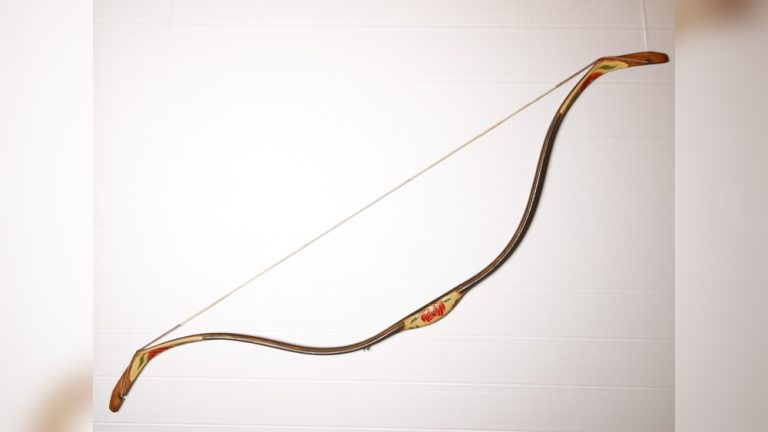
Different Types of Traditional Archery Bow Styles Throughout History
Traditional archery has shaped cultures, legends, and even the course of history for thousands of years. From hunting for survival to ceremonial rituals, the style and design of bows have evolved dramatically based on geography, material availability, and the needs of different societies.
But what makes one bow style unique compared to another? Why did some cultures prefer short, recurved bows while others relied on long, straight designs? Exploring the different types of traditional archery bow styles throughout history reveals not only engineering brilliance but also the deep connection between people and their tools.
This article guides you through the world’s most influential traditional bow styles. You’ll discover their origins, how they were used, and what made them effective. Whether you’re an archer, a history enthusiast, or someone curious about how ancient innovations still impact modern archery, you’ll find detailed comparisons, practical insights, and lesser-known facts that bring each style to life.
The Longbow: Simplicity And Power
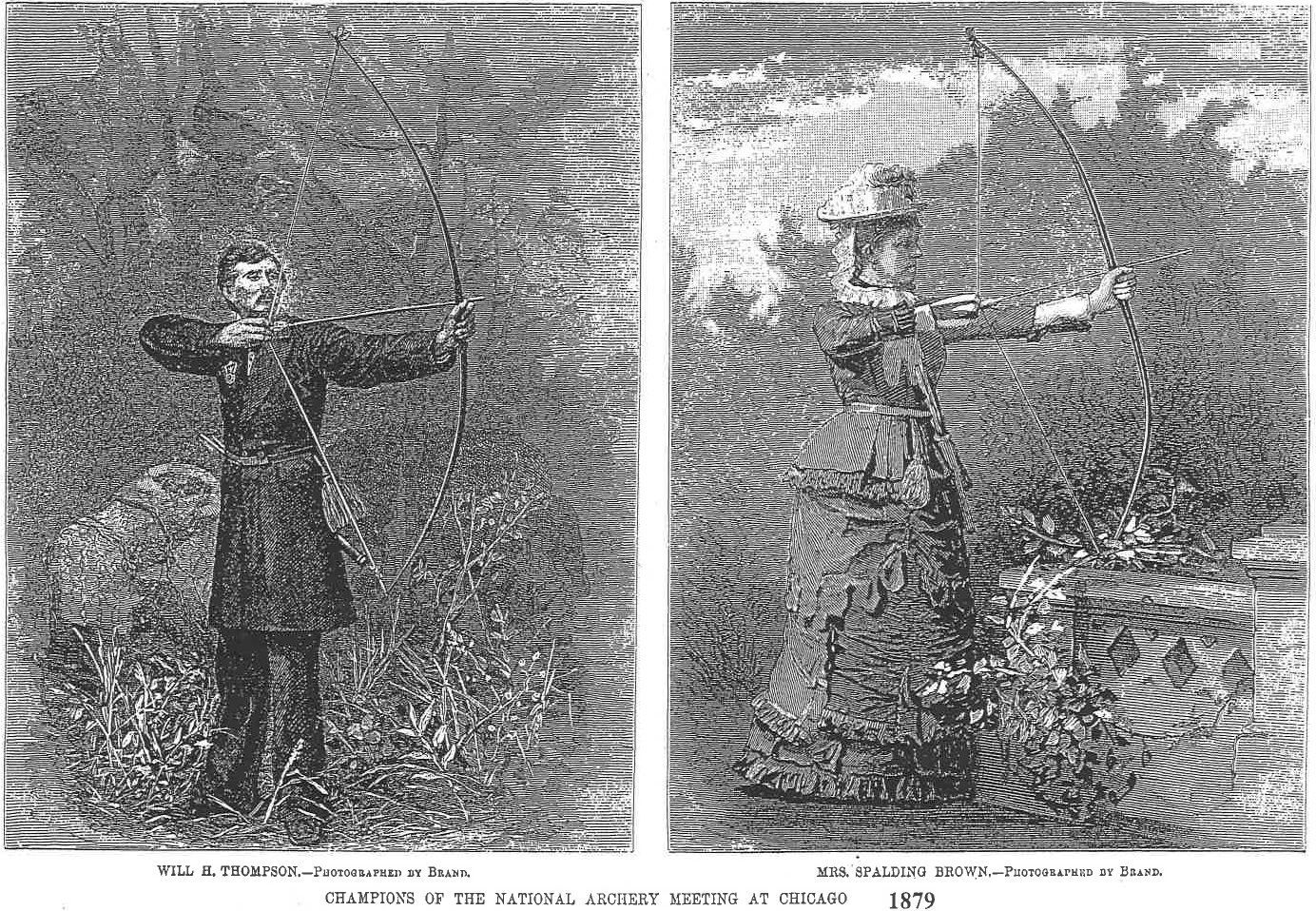
The longbow is often associated with English archers but has appeared in various forms worldwide. Typically, a longbow is as tall as or taller than the archer, with a simple, straight design and a D-shaped cross-section.
Key Features And Historical Use
Longbows were usually crafted from a single piece of yew, elm, or ash. The English longbow, for example, played a decisive role at battles like Agincourt in 1415, where its range and power outclassed heavily armored knights. Longbows could shoot arrows over 250 yards in skilled hands.
Construction And Shooting Style
Making a longbow requires careful selection of wood with the right tension and compression properties. The classic English longbow has no arrow rest, so the archer must skillfully balance the arrow on their hand.
Cultural Impact
The longbow became a symbol of national pride and was even required by law for Englishmen to practice in medieval times. Its simplicity hides the fact that mastering it takes years of practice, as even minor flaws in the wood can cause breakage.
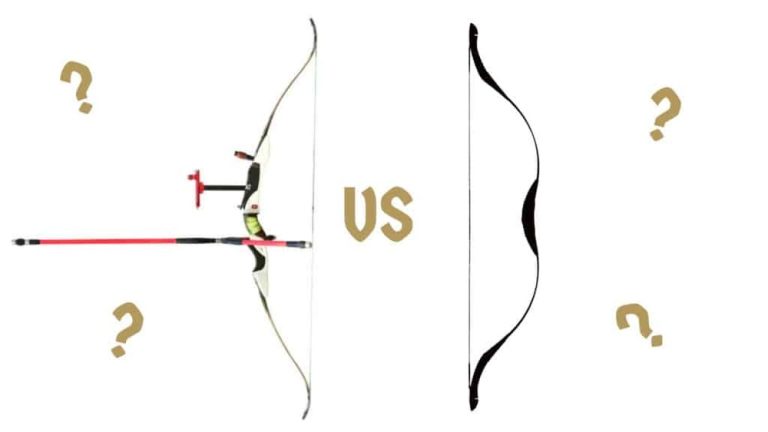
Comparison: Longbow Vs. Recurve Bow
| Feature | Longbow | Recurve Bow |
|---|---|---|
| Length | Typically 6-7 feet | 4-5 feet |
| Power | High (slow draw) | High (faster release) |
| Design | Simple, straight | Curved limb tips |
| Use | Distance and power | Speed and portability |
The Recurve Bow: Efficiency In A Compact Form
The recurve bow is easily recognized by its outward-curving limb tips. This design stores more energy and delivers a faster arrow release compared to straight-limbed bows of the same size.
Global Origins
Recurve bows have ancient roots across Central Asia, the Middle East, and the Mediterranean. The Scythians, Persians, and later the Turks and Mongols all used versions of the recurve bow, adapting it to their needs.
Construction Materials
Traditional recurve bows were usually made with a composite construction: wood for flexibility, horn for compression, and sinew for tension. This allowed for shorter bows that still packed significant power, essential for archers on horseback.
Advantages And Tactical Uses
The short, powerful recurve was ideal for mounted archery, allowing riders to shoot in any direction without the bow getting in the way. In my experience, the recurve’s snap and speed give a distinct advantage in fast-paced shooting scenarios.
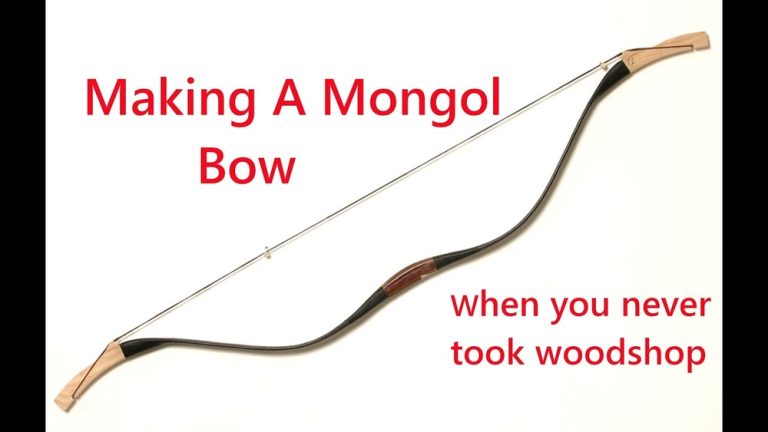
Example: Mongol Composite Recurve Bow
The Mongol bow could shoot arrows with enough force to penetrate armor at over 200 yards. Its efficiency contributed to the Mongol Empire’s rapid expansion in the 13th century.
The Flatbow: Balanced Performance
Unlike the longbow’s D-shaped cross-section, the flatbow has flat, wide limbs with a rectangular cross-section. This design spreads stress more evenly across the bow, reducing the risk of failure.
North American Roots
The Native American tribes, especially those in the Great Plains and Eastern Woodlands, often favored flatbows. The Holmegaard bow, a famous archaeological find from Denmark (circa 7000 BCE), is an ancient example of a flatbow design.
Practical Advantages
Flatbows are less picky about wood quality, making them easier to produce from various tree species. Their limbs resist twisting and cracking, which is helpful in climates with wide temperature changes.
Use In Hunting And Warfare
Flatbows were practical for both hunting and combat. Their shape provided a smooth draw and reliable performance, even with minimal tools and resources.
The Short Bow: Speed And Maneuverability
Short bows, often less than 4 feet long, were common in dense forests or regions where quick shooting mattered more than long-range power.
Design And Application
Short bows are usually made from a single piece of wood or, sometimes, horn. Their compact size makes them easy to use from horseback or in thick brush, where a longbow would be unwieldy.
Regional Variants
The Cherokee and other Southeastern tribes in North America used short bows for hunting deer and small game. In other parts of the world, like Japan, short bows were sometimes used for indoor archery practice.
Drawbacks
While quick and light, short bows have less draw length, reducing their maximum power and range compared to longer bows. They excel in speed and stealth over outright force.
The Yumi: Japan’s Iconic Asymmetrical Bow
The yumi is Japan’s unique longbow, easily identified by its striking asymmetrical shape. The grip sits about one-third up from the bottom, creating a long upper limb and a short lower limb.
Construction And Materials
Traditional yumi are crafted from bamboo and wood, laminated together for strength and flexibility. The unique shape allows archers to shoot from a kneeling position, which was important for archery in Japanese warfare and ceremonial practice.
Role In Kyudo
The yumi is central to kyudo, Japan’s martial art of archery. Here, the bow is more than a weapon; it’s a tool for spiritual discipline, with rituals for drawing and releasing the arrow.
Historical Significance
Samurai used the yumi both on foot and horseback. Its range and power made it a respected battlefield weapon until firearms became dominant in Japan.
Pro Tip:
When using a yumi, archers must learn to control the twist and balance due to the asymmetrical shape, a skill that takes dedicated practice.
The Composite Bow: Engineering Marvel Of The Ancient World
Composite bows represent a leap in bow technology. Instead of one material, these bows combine wood, horn, and sinew glued together, harnessing the best properties of each.
Ancient Innovators
The earliest composite bows appeared in Mesopotamia and Egypt around 2000 BCE. Steppe cultures like the Huns, Mongols, and Turks perfected the design, allowing for powerful, short bows that performed well in both humid and dry climates.
Benefits Over Self Bows
Composite construction gives greater power and durability in a shorter package. However, these bows require months to build and cure, and they are sensitive to moisture due to their organic glues.
Military Impact
Nations with skilled composite bow makers had a clear advantage on the battlefield. For example, the Turkish Ottoman bow was renowned for its high arrow speed and range, sometimes exceeding 300 meters.
| Bow Style | Materials | Draw Weight Range | Climate Suitability |
|---|---|---|---|
| Composite Bow | Wood, horn, sinew | 40, 150 lbs | Steppe, arid |
| Self Bow | Single wood piece | 30, 100 lbs | Temperate, humid |
| Yumi | Bamboo, wood | 30, 80 lbs | Temperate, humid |
The Self Bow: Simplicity Across Cultures
A self bow is made from a single piece of wood, without any added materials. This is one of the oldest and most widespread bow types, found in almost every culture.
Versatility And Local Adaptation
Self bows can be long or short, flat or rounded, depending on the available wood and the archer’s needs. The English longbow and many Native American bows are classic examples.
Accessibility
These bows are easy to make with basic tools, and repair is straightforward. However, their performance depends heavily on the quality of the wood, which can vary greatly.
Limitations
Self bows generally have lower draw weights and are more vulnerable to changes in humidity and temperature compared to composite bows.
The Penobscot Bow: Double-limbed Innovation
The Penobscot bow (also called the “Wabenaki bow”) is a unique American design. It features a main bow with a second, smaller bow attached in reverse on the back.
Purpose And Performance
This double-limbed construction increases power and stability. By tightening the cords between the two bows, archers can adjust the tension and fine-tune the bow’s performance.
Cultural Origins
Named after the Penobscot tribe in Maine, this bow style was developed to get the most out of local materials and to allow quick repairs in the field.
Rarity And Modern Interest
While not as widespread as other types, the Penobscot bow is popular among experimental archers and bowyers who appreciate its mechanical ingenuity.

Credit: beasafehunter.org
The Crossbow: Bridging Archery And Engineering
Though not a bow in the traditional sense, the crossbow is an important part of archery history. It uses a horizontal bow mounted on a stock, with a mechanism to hold and release the string.
Early Use And Spread
Invented in ancient China around the 5th century BCE, crossbows later appeared in Greece and Europe. Their advantage was clear: almost anyone could shoot a crossbow accurately with minimal training.
Strengths And Weaknesses
Crossbows can be held at full draw, allowing for precise aiming. They have higher draw weights than most hand-drawn bows but are slower to reload.
Influence On Warfare
Crossbows changed military tactics by allowing foot soldiers to match armored knights at distance. In some periods, crossbows were even banned for civilian use because of their deadly efficiency.
The Gakgung: Korea’s Horn Bow
The gakgung is a small, highly reflexed composite bow from Korea, famous for its power and compact size. It played a major role in Korean military history.
Unique Construction
Gakgung bows use buffalo horn, bamboo, and mulberry wood, glued and wrapped with sinew. The result is a bow under 1 meter long that can shoot arrows over 145 meters with ease.
Cultural Importance
Gakgung archery is not just a sport but a national tradition in Korea, with festivals and competitions held annually.
Example: Joseon Dynasty Archery
During the Joseon Dynasty, Korean soldiers trained with the gakgung to defend against invaders, and historical records praise their archery skills as decisive in battle.
Credit: www.usarchery.org
The Horse Bow: Designed For Mobility
Many steppe cultures developed the horse bow, a short, recurve composite bow perfected for shooting from horseback.
Features And Advantages
Horse bows are lightweight, quick to draw, and highly maneuverable. Their size allows for shooting in any direction, even behind the rider, which was crucial for Parthian and Mongol tactics.
Variations Across Cultures
The Hungarian, Turkish, and Scythian bows are all horse bows, but each has subtle differences in limb shape and material based on local preferences.
Modern Influence
Modern “horse bows” are still made today for mounted archery competitions, keeping the spirit of these ancient warriors alive.
The Inuit Bow: Arctic Adaptation
Inuit archers from the Arctic regions designed bows suited for extreme cold and scarce resources.
Materials And Construction
Instead of wood, which was rare, Inuit bows used driftwood reinforced with bone or antler. Sinew was used for the bowstring and sometimes for backing.
Hunting Applications
These bows were crucial for hunting seals, caribou, and birds. The design allowed for quick repairs and modifications, essential for survival in harsh conditions.
Example: Sinew-backed Bows
Sinew backing increased power without making the bow too stiff, a clever adaptation to limited material choices.

Credit: beasafehunter.org
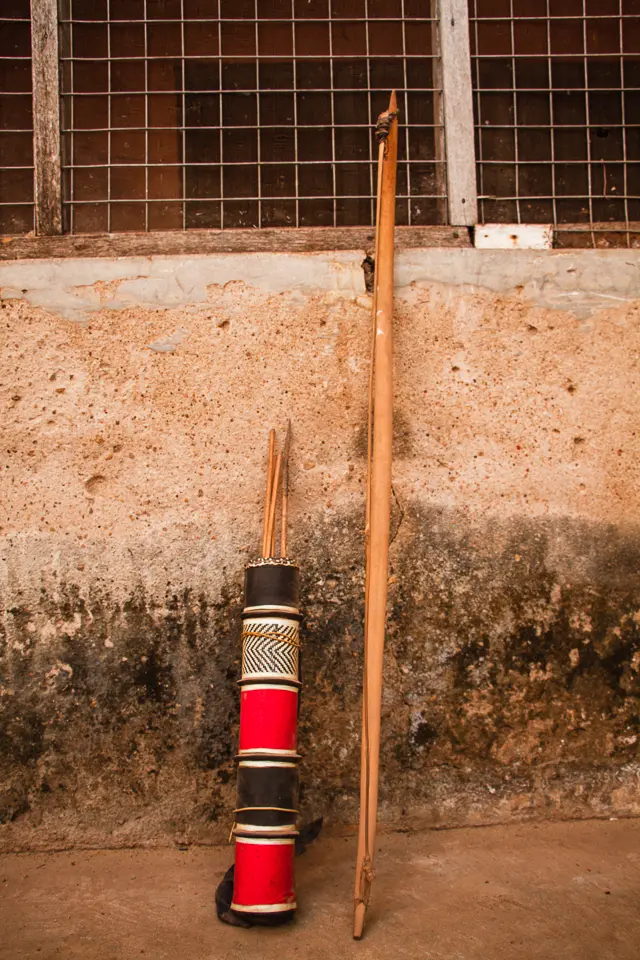
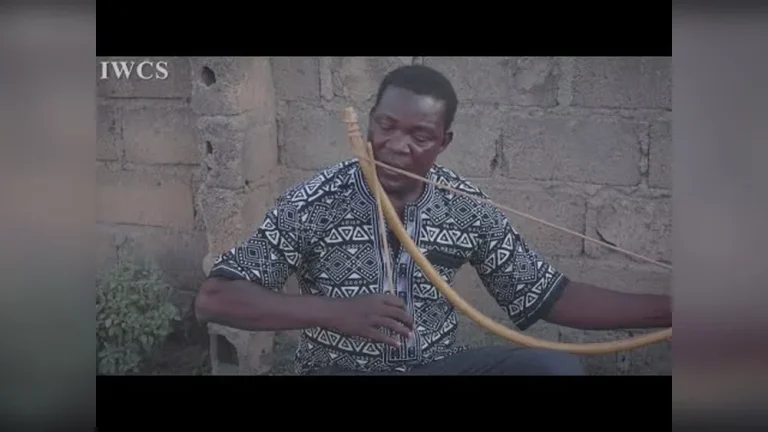
The African Bow: Diversity Across The Continent
Africa has a rich variety of traditional bow styles, shaped by diverse cultures and environments.
Notable Styles
- The Hadza of Tanzania use small, powerful hunting bows.
- The Zulu made larger war bows during the 19th century.
- In West Africa, archers sometimes added iron tips or poison to arrows for big game hunting.
Materials
African bows are often made from locally available wood, with strings from plant fiber or animal sinew. Their design reflects the needs of the community, stealth for forest hunting, range for open plains.
Cultural Role
Bows feature in rituals, storytelling, and initiation ceremonies. Some tribes still use traditional bows for hunting and symbolic events today.
The Egyptian Bow: From Simple To Composite
Ancient Egypt saw several bow styles evolve over time.
Early Self Bows
Old Kingdom archers used simple self bows made from acacia or date palm. These bows were effective at short to medium range.
Composite Advancement
By the New Kingdom (circa 1550 BCE), Egyptians adopted composite bows from their Asiatic neighbors. These bows were shorter and more powerful, ideal for chariot archers.
Artistic Depictions
Egyptian tomb paintings show both types, with composite bows often reserved for elite warriors or royalty.
The Native American Bow: Adapting To The Land
Different Native American tribes developed bow styles suited to their environments.
Plains Bow
The Plains bow is short, strong, and ideal for shooting from horseback. Made from osage orange or ash, these bows helped hunters take down bison and deer.