Best Draw Weight for Bowfishing (2026): Research Shows
For most setups, 30–40 lb is the best starting range, with 40 lb on a compound bow being the safest all-around pick. Go lighter for small, shallow targets and heavier only when depth, species, or retrieval resistance demands it.
For many bowfishers, about 30–40 lb is a practical starting range; go lighter only for small, shallow targets, and move up only until arrows penetrate cleanly and still track straight. Too much draw weight makes shooting shaky and wastes penetration on fish you could already secure. Species, depth, arrow setup, and reel choice all change the poundage you actually need.
40 lb compound bow: best overall
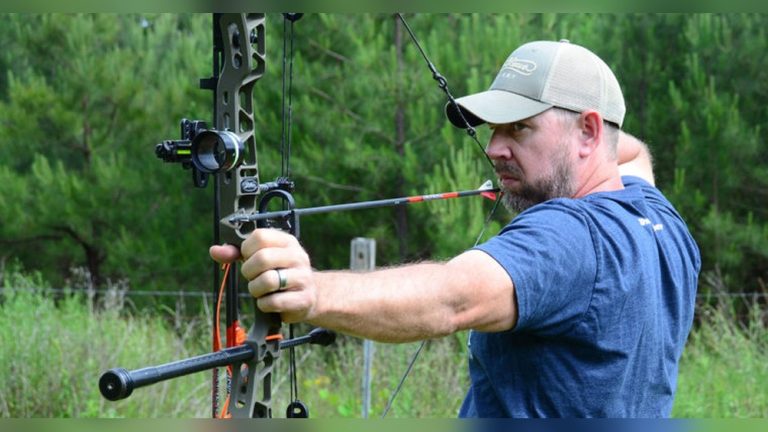
A 40 lb compound bow is the safest general pick for many beginners because it sits near the middle of the common bowfishing band and still leaves room for deeper water or tougher fish. It gives enough usable power for most freshwater situations without making repeated shots feel punishing.
This is the best middle ground when the goal is clean penetration, straight tracking, and manageable fatigue over a long session. A compound’s let-off also makes the same peak weight easier to hold than a recurve, so the shooter stays steadier between shots.
When this weight makes sense
Choose this band for common carp, mixed-size fish, shoreline shooting, and boat shooting where you may need several shots in a row. It also fits the “most adult bowfishers” guidance well, since 40 to 50 pounds is a common effective range and 40 to 50 pounds helps in deeper water.
When to move up or down
Move up only when shallow-water shots stop penetrating consistently, the arrow is slowing too much before impact, or you are targeting tougher fish such as gar. Drop down if the bow starts feeling slow to recover between shots or if arrows are burying too deeply in mud, clay, stumps, or snags.
Quick comparison
| Product | Badge | Best for | Price | ||
|---|---|---|---|---|---|
 | FENJANER Bowfishing Recurve Bow KitFENJANER | Our pick | $99.99 Price as of 11 Nov 2026 | View | |
 | SPG Bowfishing Reel, Archery Bottle Bow Fishing Reels KitsSPG | Our pick | $33.99 Price as of 11 Nov 2026 | View |
Most adult bowfishers land in the middle, not at the edges. Water drag strips arrow speed fast, so the best poundage is the lightest one that still gives reliable penetration and easy retrieval. For a drag explanation, see the physics of water resistance discussed by the Encyclopaedia Britannica; for target-species toughness, Texas Parks & Wildlife notes the hard, bony armor of gar species and their durability compared with many other freshwater fish.
Shallow shoreline shooting and deep-water boat shooting do not need the same setup. Retrieval problems matter just as much as power, because a strong hit that disappears into mud can slow the whole session.
How we chose
The main filter was penetration versus fatigue. Bowfishing rewards enough energy to reach the fish, but repeated shots make heavy draw weights less practical than they look on paper.
Depth and bottom type came next. Deeper water needs more energy, while mud, clay, stumps, and snags can make extra power a liability if arrows bury too deeply.
Species hardness also matters. Common carp are tougher than many target fish, but gar are a different level of difficulty, especially longnose, shortnose, and alligator gar.
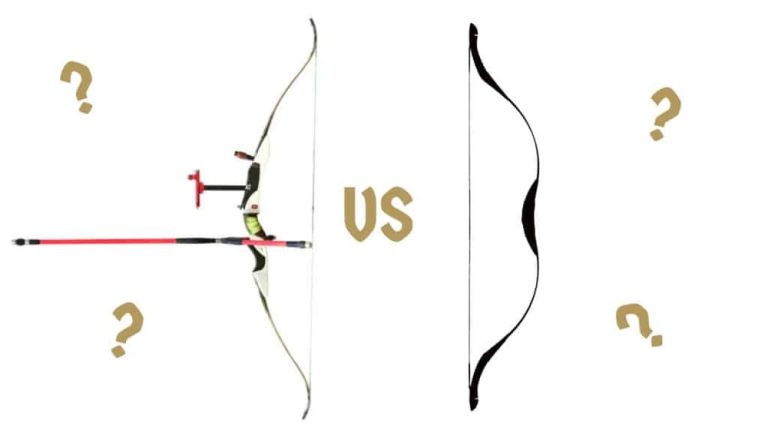
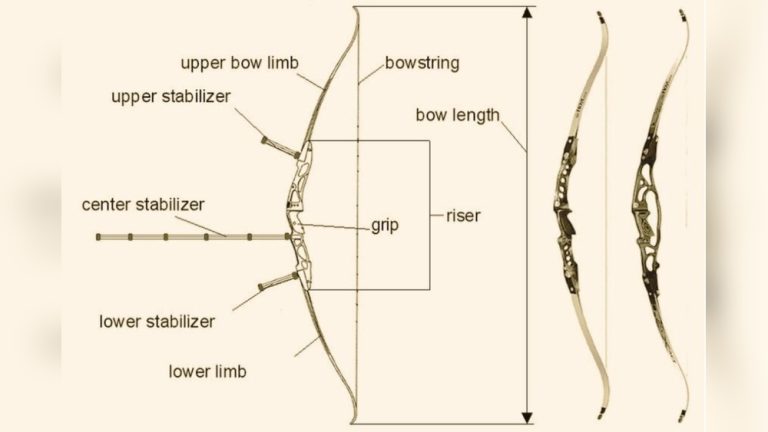
Bow type matters too. A compound bow’s let-off improves holding comfort, while a recurve gives no let-off, so the same peak poundage feels more demanding over a full session.
30 lb recurve: best for shallow water
Thirty pounds can work for small fish in shallow water, and children and beginners can bowfish successfully with 25 to 30 pound draw weights. For a recurve, that lighter band is often the more realistic starting point because there is no let-off to ease the hold.
This setup fits clear, shallow water with short shots and modest retrieval resistance. It is a practical answer when the goal is easy handling, fast snap shots, and less fatigue rather than maximum depth or trophy targets.
Why lower weight can work here
Water reduces arrow velocity by about 50% within the first foot, so bowfishing does not need hunting-level power to begin with. In a shallow setup, the loss is already built into the shot, and extra poundage often adds more fatigue than value.
Where it starts to fall short
It starts to fall short when the water gets deeper, the fish get harder, or the bottom gets messy. Thirty pounds is workable for small fish, but 40+ is recommended for consistency, especially when the arrow must keep driving after that first fast speed loss.
Who should avoid it?
Skip this weight if the plan is mostly gar, deeper water, or heavier saltwater work. A recurve at 30 lb can be a fine learning tool, but it is not the best match for demanding targets or frequent pull-outs.
40-50 lb compound: best for carp and gar
This band is the most practical answer for many freshwater bowfishers because it covers common carp well and reaches into gar territory without becoming extreme. It also matches the broad guidance that most adult bowfishers need 40 to 50 pounds for effective penetration and retrieval.
For a compound, the let-off makes this poundage easier to repeat through a long session. That matters because bowfishing is less about one perfect shot and more about keeping the bow steady shot after shot.
Why this band covers most freshwater bowfishing
Common carp often fit 30 to 40 pounds in shallow, easy conditions and 40 to 50 pounds when the water is deeper or the bottom is tougher. That extra power helps the arrow stay useful after water drag strips speed away.
When gar pushes you higher
Longnose and shortnose gar are often tougher than carp, so a common choice is about 40 to 50 pounds. Alligator gar can push a setup toward about 50 to 60+ pounds, but that is where the tradeoff gets sharper and fatigue starts to matter more.
What changes in deeper water
Deeper water generally increases energy needs. If shots are coming from a boat into deeper lanes, 40 to 50 pounds is easier to justify than a lighter setting, but the point is still to stop once penetration and tracking are reliable.
Bowfishing draw weight decision table
This table turns fish type, depth, bow type, and retrieval issues into a practical starting point. It is a guide, not a contest, and the lowest workable poundage is usually the better choice for all-day shooting efficiency.
| Species or setup | Water depth | Bow type and style | Recommended draw weight | Likely retrieval problems | Beginner go/no-go rule |
|---|---|---|---|---|---|
| Small fish | Shallow shoreline water | Recurve, quick snap shots | 25 to 30 lb | Mud, light weeds, occasional pull-outs | Go if the fish are small and the shot is short. |
| Common carp | Shallow to moderate depth | Recurve or compound, mixed shooting style | 30 to 40 lb | Clay bottoms, mud, stumps | Go if arrows still track straight after impact. |
| Common carp | Deeper water | Compound, repeated shots | 40 to 50 lb | Pull-outs, buried arrows, snagged line | Go only if retrieval stays manageable. |
| Longnose or shortnose gar | Shallow to moderate depth | Compound, steady aim | 40 to 50 lb | Snags, stumps, tough pull-outs | Go if the bow still holds comfortably between shots. |
| Alligator gar | Moderate to deeper water | Compound, controlled shooting | 50 to 60+ lb | Heavy mud, deep pull-outs, lost arrows | No-go for most beginners unless the setup is already stable. |
| Mixed fish | Shallow water from shore | Recurve, snap shooting | 30 to 35 lb | Less mud burial, easier retrieval | Go if comfort matters more than power. |
| Mixed fish | Deeper water from a boat | Compound, repeated shots | 40 to 50 lb | Mud, clay, stumps, line tangles | Go if the shooter can keep form under repetition. |
| Saltwater target | Deeper or moving water | Compound, quicker follow-up shots | 40 to 50 lb, sometimes higher | Pull-outs and line drag | No-go for beginners chasing maximum poundage first. |
Which one should you buy?
If the shooting is mostly from shore, start lower. A recurve at 30 lb or a compound near 30 to 40 lb is usually easier to handle, easier to hold, and less punishing when shots stay short and shallow.
If the shooting is mostly from a boat, move toward the middle. Forty pounds is a strong all-around choice, and 40 to 50 pounds makes more sense when the water is deeper or the fish are tougher.
If the bowfisher is upgrading from hunting gear, the safest move is not to copy hunting poundage. Start with the lightest bow that still penetrates reliably, because bowfishing rewards repeatable handling more than raw draw weight.
Say your target is common carp in waist-deep water over a muddy bottom. A 30 lb recurve might land the fish, but it is more likely to give weak tracking and more missed opportunities than a 40 lb compound with better hold comfort.
Suppose the target shifts to longnose gar in deeper water from a boat. The better choice moves up to 40 to 50 pounds, because the extra energy helps offset water drag and tougher fish without jumping straight into fatigue-heavy territory.
Frequently asked questions
What draw weight do I need for bowfishing?
Most adult bowfishers do best in the 30 to 40 pound range, with 40 to 50 pounds becoming more useful as depth and fish toughness increase. The right answer is the lightest draw weight that still gives reliable penetration, straight tracking, and manageable retrieval.
Is 30 lb enough for bowfishing?
Yes, 30 pounds can be enough for small fish in shallow water, and it is a reasonable starting point for beginners. It becomes less ideal as depth increases or when the target is carp or gar, where 40+ is recommended for consistency.
Is 40 lb or 50 lb better for bowfishing?
Neither is automatically better. Forty pounds is the more efficient all-around starting point for many shooters, while 50 pounds makes more sense in deeper water or for tougher fish. The extra power is only useful if it does not create fatigue or retrieval headaches.
Do I need a heavier draw weight for carp and gar?
Carp usually fit lower to mid draw weights, often around 30 to 40 pounds in easier conditions and 40 to 50 pounds when the setup gets tougher. Gar are harder than carp, so longnose and shortnose often justify 40 to 50 pounds, while alligator gar may need 50 to 60+ pounds.
What draw weight should I use for saltwater bowfishing?
Saltwater usually pushes the choice toward the heavier end because the shots are often deeper, the fish can be stronger, and conditions can be less forgiving. Even then, the better choice is still the lowest weight that gives reliable penetration and does not wear the shooter down.
Does a compound bow need less draw weight than a recurve for bowfishing?
A compound does not need less peak draw weight to do the job, but it usually feels easier to hold because of let-off. A recurve has no let-off, so the same poundage is more tiring over repeated shots, which often pushes practical recurve setups a little lower.
Why is it hard to pull arrows out of mud after bowfishing?
Too much power can drive the arrow deep into mud, clay, stumps, or snags, and that makes retrieval harder than the fish itself. Bowfishing already loses speed fast in water, so extra poundage can create more burial and more pull-outs than useful penetration.
What draw weight do most bowfishing bows come in?
Common bowfishing setups are often listed around 30 to 70 pounds for compounds and 30 to 55 pounds for recurves. In practice, many buyers end up choosing the middle of those bands, because that is where penetration, control, and all-day shootability tend to meet.