How to Choose the Right Bow Weight for Beginners
Most beginners should start with 20–25 lb on a recurve or a 25–30 lb compound peak draw weight, then step down if they cannot hold anchor for 10 clean shots. Choosing too much weight leads to shaky form, rushed releases, and practice sessions that end early. This guide shows how draw length, shooting goal, and fatigue threshold point you to a bow weight you can actually repeat.
What you’ll need
- A tape measure for draw length
- A bow shop or range with demo bows
- Three to five arrows matched to the test bow
- A target butt that can handle repeated shots
- A notebook or phone note for shot count and fatigue signs
- An assistant or coach if a shop is not available
Choose your starting draw weight
Start with the heaviest bow weight you can shoot for 20 shots without breaking anchor, collapsing posture, or losing follow-through. For beginners, form quality matters more than the number on the limb sticker. A bow that feels strong for one arrow can still be too heavy for a full practice session.
The decision rule is simple: pick the lightest weight that still lets you repeat a clean shot cycle. For target practice, start lighter than you would for hunting because control and consistency matter more than speed. For a compound, use the peak draw weight, not the holding weight at full draw, when you compare options.
- Measure draw length first.
- Choose recurve or compound based on how you will shoot.
- Start in the beginner range for your body type and goal.
- Shoot 20 arrows with the same anchor and posture.
- Drop weight if form breaks before the last arrows.
Suppose a 5-foot-4 beginner adult can draw a 26 lb recurve for three shots but starts raising the shoulder by shot 12. That bow is already too heavy for training, even though the first few arrows felt manageable. The right starting point is the bow that still feels controlled at shot 20, not shot 3.
The fastest way to choose is to match draw length first, then pick a beginner range that fits the shooting goal, then confirm it with a 20-shot fatigue check. Recurve bows should start lighter because they hold full weight at anchor. Compound bows can start a bit higher on peak weight because let-off reduces the hold, but only if the draw length and limb range are correct.
If the archer is unsure, start lower. A lighter bow is easier to tune, easier to learn on, and easier to grow out of than a bow that is too heavy from day one.
How draw length changes bow weight
Draw weight is measured in pounds at the archer’s draw length, so the number on the limb only tells part of the story. Longer draw lengths increase the real effort of the shot, while shorter draw lengths can make a marked weight feel easier. That is why two beginners with the same bow may feel very different at full draw.
A longer draw length also changes how the bow loads through the shot cycle. On a recurve, more draw length usually means more stored energy and more force to hold at anchor. On a compound, draw length still matters because it affects the actual peak draw and the comfort of the holding position.
Why measured pounds depend on draw length
The same labeled weight can feel different once the archer reaches the actual anchor point. A bow marked 20 lb is only 20 lb at the manufacturer’s reference draw length, usually 28 inches for many recurves. If the archer draws farther than that, the effective weight rises.
That means a tall beginner with a 30-inch draw length may need a lighter starting bow than the label suggests. A shorter archer may have the opposite experience. This is why draw length must be matched before weight is chosen.
Why short draws can still hide overbowing
A short draw does not guarantee safe form. An archer can still overbow if the shoulders creep upward, the bow arm shakes, or the release gets rushed. The weight may look modest on paper while still being too much for clean repetition.
That is one reason bow shop fitting matters. It shows the real draw length, not a guessed number, and it reveals whether the archer can hold the shot with stable alignment.
Recurve vs compound weight
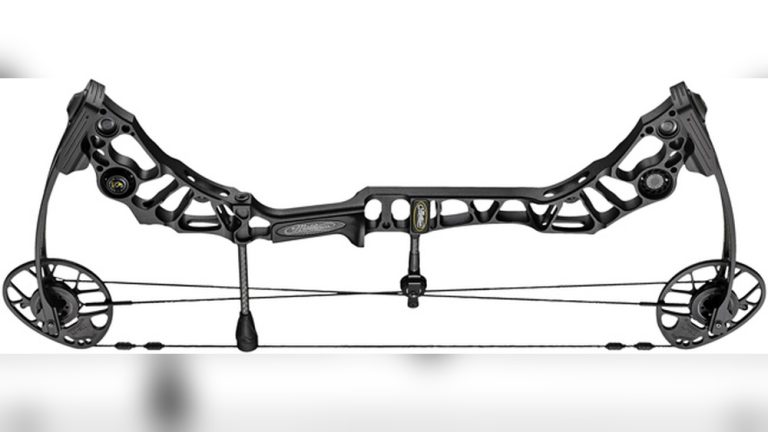
Recurve bows hold full draw weight at anchor, so the archer carries the entire load through the aiming phase. Compound bows feel lighter at full draw because let-off reduces the holding weight after the cams roll over. For beginners, that difference changes comfort, stamina, and how long good form can last.
That also means a compound’s peak weight and holding weight are not the same. A 30 lb compound can still feel easier to aim than a 25 lb recurve because the archer may only hold a fraction of that weight at full draw. The beginner should compare both peak and holding feel, not just the label.
Why recurves hold full weight at anchor
A recurve has no let-off. Once at anchor, the archer keeps the full draw weight in the back and shoulders until the release. That makes form discipline important, especially for new archers who tire quickly or who are still learning to stack alignment.
For that reason, recurves usually start lighter than compounds for true beginners. A small increase in weight can create a large increase in fatigue when the archer has to hold the entire load on every shot.
How let-off changes compound holding weight
Let-off is the percentage reduction in holding weight at full draw. If a compound has 70% let-off, the archer may only hold about 30% of peak weight at anchor. That is why many beginners find a properly adjusted compound easier to aim for longer sessions.
Still, let-off does not erase poor fit. A compound with a peak weight that is too high, or a draw length that is too long, can still cause creeping anchor and shaky releases. Easy holding is helpful only when the setup matches the shooter.
Which bow is easier for beginners at low weight?
A compound is usually easier to hold at low perceived effort because the let-off lowers holding weight. A recurve is simpler mechanically, but it demands more strength at full draw. For a beginner whose goal is relaxed target practice, a compound often allows longer sessions before fatigue sets in.
That does not make the compound automatically better. A beginner who wants a traditional shooting feel, or who plans to compete in recurve classes, may do better starting very light on a recurve and building form first.
Beginner bow-weight decision table
This table gives starting ranges, not final answers. The right row is the one that still passes the 20-shot fatigue check with clean form and stable anchor. If the bow feels fine for a few arrows but falls apart later, the starting weight is too high.
| Shoter type | Starting draw weight range | Self-test outcome |
|---|---|---|
| Adult men | Recurve: 20–25 lb; compound peak: 25–30 lb | Pass only if 20 arrows stay smooth and the bow arm does not drift up late in the set |
| Adult women | Recurve: 15–20 lb; compound peak: 20–25 lb | Pass only if anchor stays consistent and the shoulders remain relaxed through shot 20 |
| Teens | Recurve: 10–15 lb; compound peak: 15–20 lb | Pass only if posture stays upright and the release does not become rushed by fatigue |
| Recurve target shooters | 12–20 lb | Pass only if aiming stays steady and the archer can repeat the shot cycle without shaking |
| Compound beginners | 20–30 lb peak | Pass only if holding weight feels controllable and the back tension stays active at full draw |
| Any beginner, 20-shot fatigue check | Use the same range above | Pass if the last 5 arrows look like the first 5; fail if form degrades before shot 20 |
| Warning signs of overbowing | Any range | Shaking, creeping anchor, shoulder collapse, short draw, and poor follow-through mean the bow is too heavy |
How to read the table: choose the row that matches the shooter, then test the low end first. If the lower number already creates fatigue, step down again before moving up. If the archer is smaller framed or returning after a long break, the lower end is usually the better starting point.
What to check at the bow shop
A bow shop fitting is the best place to confirm draw length, comfort, and safe starting weight before buying. Bring the same stance and anchor you plan to use later. A proper fitting checks whether the archer can repeat the shot, not just whether the bow can be drawn once.
Ask to see the limb label or the adjustable range before buying. Limb settings must stay within manufacturer spec. Do not crank limbs beyond the marked range to “make it work”; that is a common path to overbowing and setup problems.
- Measure draw length with the shop’s fitting setup.
- Confirm the limb label or peak-weight range.
- Test the bow with matched arrows.
- Check whether anchor and posture stay stable for 20 shots.
- Verify arrow spine against the selected draw weight before leaving.
Arrow spine matters because draw weight changes can shift the tuning window. If the bow gets heavier, an arrow that was correct may become too weak. If the bow gets lighter, the same shaft can end up too stiff. The setup should be checked again after any weight change.
How do you know it is too heavy?
If the archer cannot hold anchor for 20 shots with clean form, the bow is too heavy. The clearest signs are shoulder collapse, shaking in the bow arm, creeping draw length, and a release that gets rushed near the end of the set. Fatigue is the warning, not something to train through.
The fix is to step down before bad habits become normal. A too-heavy bow can teach a new archer to punch the shot, lose alignment, or avoid full expansion. That hurts both accuracy and safety.
20-shot fatigue check
Use about 20 arrows as the pass test. If the first 5 feel fine but the last 5 are shaky, the starting weight is too high. The bow should feel repeatable from start to finish, with the same anchor, same grip pressure, and same follow-through.
A common first-timer mistake is buying for one strong draw at the shop and ignoring the rest of the session. That often leads to fatigue by arrow 10 or 12, which means the weight was chosen too aggressively.
Overbowing signs to watch
Look for a rising bow shoulder, a collapsing chest, or a draw elbow that drops as the set goes on. Other signs include trembling at full draw, creeping anchor, and a release that comes before aim settles. Those are not normal beginner bumps; they are signals to reduce poundage.
If those signs show up, stop the session and step down. Form loss compounds quickly, and it usually gets worse with more arrows, not better.
What draw weight should you choose for target practice?
Target practice usually starts lighter than hunting because repeatable form matters more than raw power. A bow that can be held and aimed comfortably for many shots will teach better technique than a heavier bow that forces the archer to cut the set short. Lower weight also helps the archer see groups more clearly.
For most beginners, that means staying near the low end of the beginner range and moving up only after the current bow feels easy for full sessions. If the goal is indoor or short-range practice, the lighter choice is usually the better one.
When to move up in small increments
Move up only after the current weight passes the 20-shot test several sessions in a row. For a recurve, a common step is 2 to 4 lb at a time. For a compound, raise peak weight only within the manufacturer’s adjustment range and then recheck arrow spine.
Do not jump several pounds at once. A bow that is slightly too light is usually better for a beginner than a bow that is too heavy by a wide margin.
Why consistency beats a higher number
Consistency is the real goal. A repeatable 18 lb recurve beats a 28 lb recurve if the heavier bow causes pain, shaking, or poor alignment. The same rule applies to compounds: a manageable peak weight with stable form is more useful than a higher peak that ruins the shot cycle.
That is why the best starting weight is the one the archer can repeat, not the one that sounds impressive.
Mistakes to avoid
- Buying by pride instead of by repeatability.
- Ignoring draw length and trusting the label alone.
- Choosing a compound peak weight without checking let-off and holding weight.
- Setting limbs outside the marked manufacturer range.
- Changing draw weight without checking arrow spine again.
- Using hunting weight for a first target setup.
- Keeping a bow that causes shoulder collapse or creeping anchor.
Say a beginner adult man can draw 30 lb once but starts shaking on shot 8. That is not a sign to “build into it.” It is a sign to step down, retest at 25 lb or lower, and keep form intact long enough to matter.
Our picks by need
Adjustable starter compound: Genesis Archery Original Compound Bow

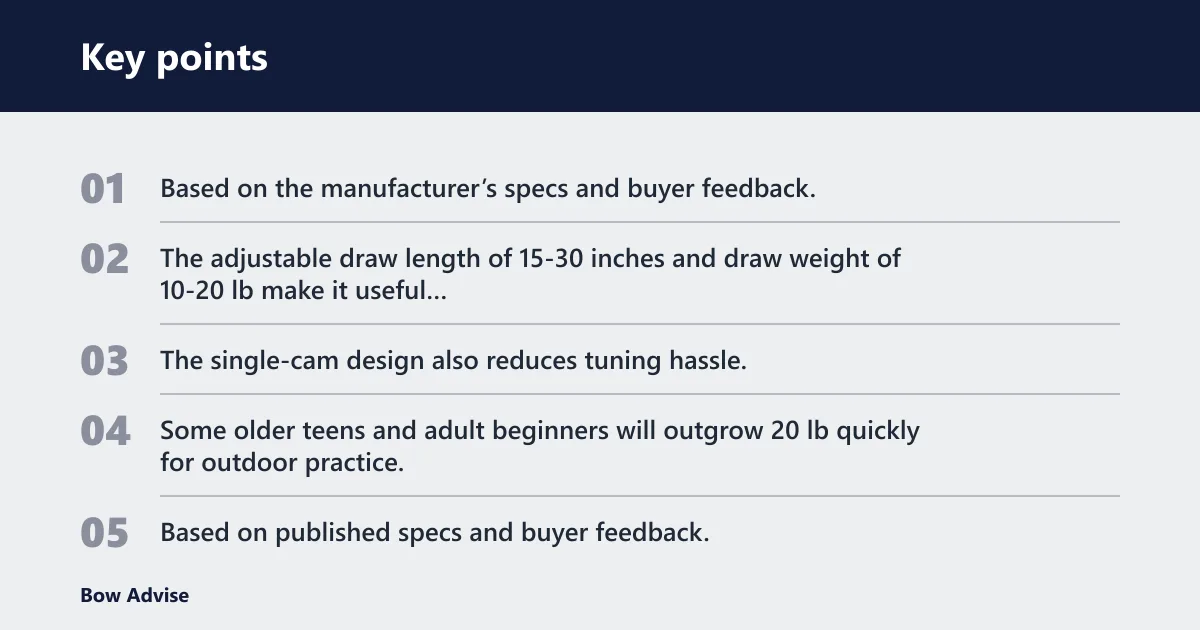
Based on the manufacturer’s specs and buyer feedback, this bow fits beginners who want a simple starting point. The adjustable draw length of 15-30 inches and draw weight of 10-20 lb make it useful for learning form without buying a new bow immediately. The single-cam design also reduces tuning hassle.
The main drawback is the lower top end. Some older teens and adult beginners will outgrow 20 lb quickly for outdoor practice, so it is better for form work than for long-term hunting prep.
Higher-adjustment compound: Diamond Archery edge Max

Based on published specs and buyer feedback, this is the better fit for beginners who want more room to grow. The fully adjustable platform and rotating modules simplify draw-length changes, and the included sight, stabilizer, and quiver reduce add-on shopping. It suits archers who want a more complete setup from the start.
The drawback is cost. At $489.00, it is a larger first purchase, and beginners still need to confirm proper draw length and keep the peak weight inside the safe adjustment range.
Frequently asked questions
What draw weight bow should I get?
Most beginners should choose the lightest bow that still allows 20 clean shots. A common starting point is 20–25 lb on a recurve or 25–30 lb peak on a compound, but draw length and shooting goal can shift that up or down. A bow shop fitting is the safest way to confirm the number.
What pound bow should I get?
Pick a poundage that lets you hold anchor without shaking through the end of a 20-shot set. For target practice, start lower than you think you need. If the last arrows look worse than the first ones, the poundage is already too high.
What size bow should I get?
Size depends on draw length and use, not just height. The bow must fit the archer’s draw so the anchor is comfortable and the limbs stay within spec. For a beginner, a shop fitting is the best way to confirm length, let-off, and usable adjustment range.
How much does a bow weigh?
Bow mass and draw weight are different numbers. A beginner compound can weigh several pounds as a complete setup once a sight, stabilizer, and quiver are added, while a bare recurve is usually lighter. The number that matters most for shooting comfort is draw weight, not carry weight.
How do I know if a bow draw weight is too heavy?
If the archer cannot keep the same anchor, posture, and follow-through for 20 shots, the bow is too heavy. Shaking, creeping anchor, and shoulder collapse are the clearest warning signs. Step down in weight before those habits become normal.
Is a recurve or compound easier at low draw weight?
A compound is usually easier to hold because let-off reduces holding weight at full draw. A recurve is simpler but requires the archer to hold the full draw weight at anchor. For a beginner focused on target practice, the compound often feels easier over a longer session.