How Much Does a Beginner Recurve Bow Cost to Start?
A beginner recurve bow often costs around $100–$250 for the bow alone, and roughly $200–$450 for a usable first setup once you add arrows, a tab, an armguard, a stringer, and basic accessories. Buying too cheap often means the wrong draw weight or missing gear, which leads to poor form and extra replacement costs. This guide breaks down true first-bow costs by new vs. used, kit completeness, and the draw-weight range that makes sense for beginners.
How much does a beginner recurve bow cost?
A beginner recurve bow usually falls in the $100–$200 range, with the full recurve bow market running anywhere between $50 to $1,200. The average price is around $350, but that average mixes beginner bows, intermediate models, and advanced rigs. For a first bow, the useful question is not “what is cheapest?” but “what gets a correct fit and enough quality to learn on?”
What a beginner usually gets at each price tier
At the low end, the bow may be simple and serviceable, but it can come with limited limb options, weaker finish quality, and less steady tuning from shot to shot. In the middle, a beginner usually gets a better riser, smoother limbs, and more predictable brace height and string behavior. Above that, price often buys refinement, not a better first lesson.
A beginner does not need competition extras on day one. A bow that fits the shooter and holds tune matters more than cosmetic upgrades or premium woods.
Why the bow price is only part of the budget
The bare bow is only the first line item. Arrows, a finger tab, an arm guard, a quiver, and a stringer can add another $100-$250 or more. A first-timer who buys only the bow often finds that the “cheap” option becomes the expensive one once the missing pieces are added.
📊 An adult beginner should start between 18 and 24lbs of draw weight. Source: How to Shoot a Recurve Bow (with Pictures).
What does a beginner recurve bow kit cost?
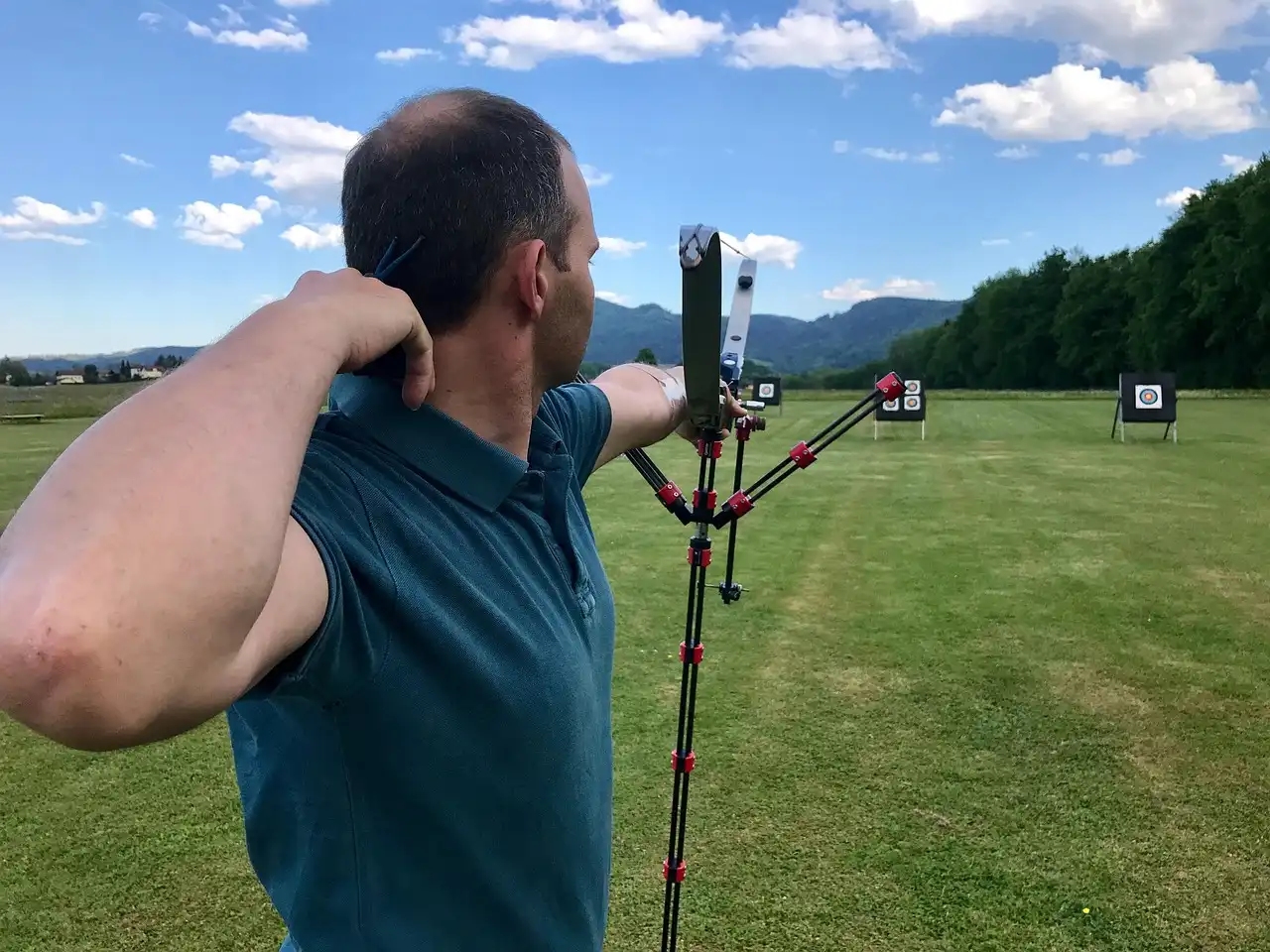
A beginner recurve bow kit usually costs more than the bow alone because it includes the items needed to shoot safely and consistently. A basic kit may look affordable online, but the real first-purchase cost often lands in the $200–$450 range once arrows and simple accessories are included. The kit price matters most when it tells the truth about what is missing.
Typical kit contents
A beginner adult bow kit often includes the riser, limbs, string, and sometimes a basic arrow rest or nocking point. Better kits may add a stringer, finger tab, arm guard, and a simple quiver. The more complete the package, the less likely the buyer is to face surprise purchases right after opening the box.
What is often missing from a starter kit
Many starter kits omit arrows sized to the shooter, a decent tab, and a proper quiver. Some also leave out a stringer, which makes stringing the bow safer and easier. Setup service is rarely included, yet that is where some beginners need the most help.
Say your package includes the bow, string, and an arm guard, but the arrows are generic 30-inch shafts that do not match your draw length. The bow may still shoot, but poor arrow fit can make the first weeks frustrating and can hide form problems.
| Purchase scenario | What is included | Estimated price range | Total out-the-door budget |
|---|---|---|---|
| Bare bow only | Recurve bow, string | $100–$200 | $100–$200 |
| Usable starter kit | Bow, string, arrows, tab, arm guard, quiver, stringer | $150–$300 | $200–$450 |
| Shop-fit first setup | Bow, fitted arrows, tab, arm guard, quiver, stringer, basic setup service | $250–$400 | $300–$550 |
Beginner recurve bow cost breakdown by purchase scenario
The cleanest way to budget is to separate the bow from the setup. A bare bow can be enough only if the shooter already has accessories and knows the correct draw weight. Most new archers do not. For that reason, the real first-bow budget should include arrows and the tools needed to use the bow properly.
Bare bow only
This is the lowest sticker price and the highest chance of missing something important. A beginner may spend $100–$200 on the bow, then discover that arrows, tabs, and arm protection are still needed. This option makes sense only if a shop is nearby and the rest of the setup is being selected at the same time.
Usable starter kit
This is the common middle ground for a first-time buyer. The kit usually gets the archer shooting, but it may still need better arrows or a better tab after a few sessions. That is still useful, as long as the buyer expects a few upgrades rather than assuming the package is fully finished.
Shop-fit first setup
This is the safest route for many beginners. A shop-fit setup usually means the bow is matched to the archer’s draw length, draw weight, and intended use, whether target practice or casual field shooting. The upfront cost is higher, but it reduces the odds of replacing the wrong limbs or buying arrows that do not match the bow.
How much should a beginner budget for arrows and accessories?
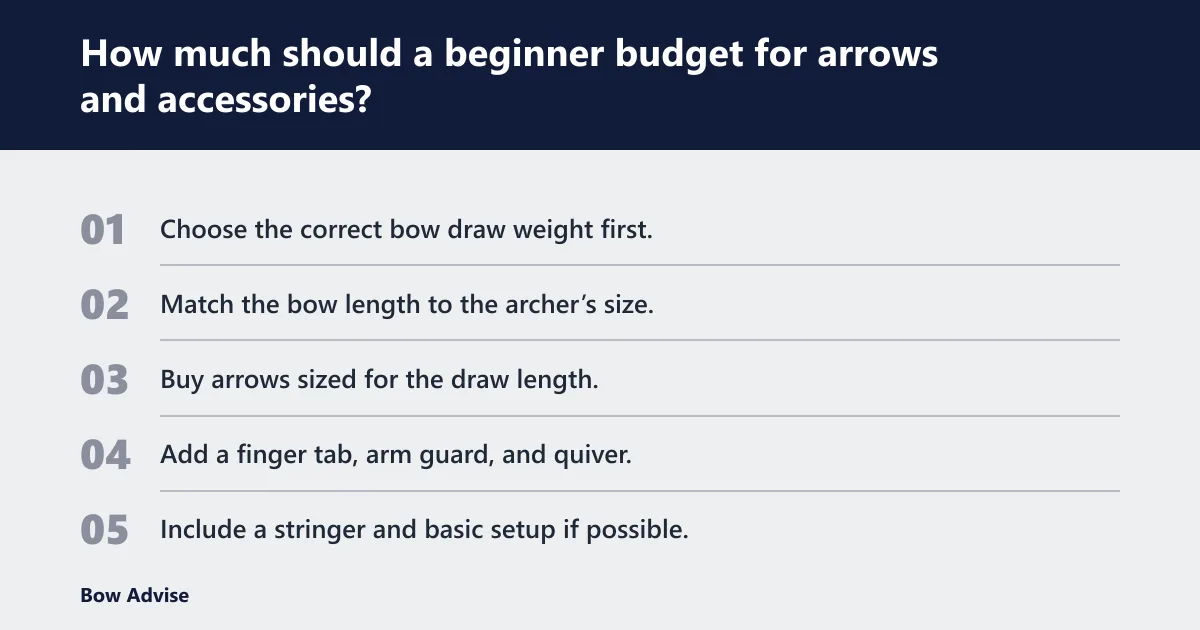
A beginner should plan on at least $100-$250 for arrows and basic accessories on top of the bow. The exact total depends on arrow count, arrow material, and whether the bow is bought as a bare riser or as part of a starter package. The bow is only one part of the first checkout.
Arrow budget
Arrows are not a place to guess. A beginner usually needs a matched set that fits draw length and draw weight, and a few extra shafts are useful because early misses happen. Cheap arrows can work, but poor arrow spine or length can give confusing results and waste practice time.
Tab, arm guard, and quiver
A finger tab protects the draw fingers and helps build a cleaner release. An arm guard protects the forearm from string contact. A quiver keeps arrows organized at the range and is useful for practice flow. These are not luxury items for a new recurve shooter; they are basic gear.
Stringer and basic setup service
A stringer helps string the bow without twisting limbs by hand. That matters on a takedown recurve bow, and it matters even more for a nervous beginner. A basic setup service can include nocking point placement, brace-height checks, and help selecting arrows. That service can prevent a lot of trial and error.
- Choose the correct bow draw weight first.
- Match the bow length to the archer’s size.
- Buy arrows sized for the draw length.
- Add a finger tab, arm guard, and quiver.
- Include a stringer and basic setup if possible.
What draw weight and bow length should a beginner choose?
An adult beginner should start between 18 and 24lbs of draw weight, and a common rule of thumb is to start lighter rather than heavier. Most manufacturers list 66 or 68 inch bows as the common size for average teenagers and adults. A bow that is too heavy or too short can hurt form and make learning slower.
How draw weight affects form and control
Lighter limbs usually save money in the long run because they help the beginner build a consistent anchor point, shoulder alignment, and release habits before moving up in weight. Too much draw weight can cause shoulder lift, shaky aim, and short practice sessions. That often leads to an early upgrade anyway.
A common first-timer mistake is buying 30lbs because it sounds more “serious.” The result is often poor back tension, collapsing at full draw, and arrows that land all over the target face. A lighter bow that can be shot correctly is worth more than a heavy bow that cannot.
Bow length and body size fit
For many adult beginners, 66 or 68 inches is a practical starting point. Shorter shooters may still fit one of those lengths depending on draw length, while taller shooters with longer draws may prefer the longer option. Youth archers usually need different sizing, so adult and youth beginners should not be treated the same.
Should you buy a takedown recurve bow as a beginner?
Yes, a takedown recurve bow is usually the better beginner choice because it allows limb changes instead of replacing the whole bow. That makes draw-weight changes cheaper and simpler as technique improves. A one-piece bow can still shoot well, but it gives less room to grow and is less flexible for first-bow buyers.
Why takedown bows are common for first-time buyers
A takedown recurve bow breaks down for travel and storage, and it also allows the archer to swap limbs when strength and form improve. That is a practical advantage for beginners who may outgrow the first draw weight within months. It is also easier to service and replace parts on many takedown designs.
How limb changes affect cost
A take-down bow allows you to purchase new limbs instead of a whole new bow. That matters because a first set of lighter limbs may be all that is needed for the first stage of learning. Paying a little more up front for a takedown riser can reduce total spending later.
When a one-piece bow makes less sense
A one-piece bow can be fine for a very specific use, but it gives less flexibility for a beginner who is still learning what draw weight and length feel right. If the plan is to progress, a takedown option usually makes more financial sense. That is especially true for adult beginners who expect to move up in weight.
Are used recurve bows worth it for a first bow?
Used recurve bows can be a good value if the buyer knows what to inspect and the bow fits the archer. The savings can disappear fast if limbs are damaged, strings are worn, or the bow is the wrong draw weight. For a first bow, used gear is a value play, not a shortcut.
Where used value is real
Used bows often cost less than new ones and may include accessories that would otherwise be bought separately. That can make a used takedown set attractive to a beginner on a budget. The key is whether the parts are still in safe, usable condition.
Inspection points before buying
Check limbs for cracks, twists, or soft spots. Look at the string for fraying and flattening. Make sure limb alignment looks straight and the riser has no obvious damage around the limb pockets. If the seller cannot state draw weight and bow length clearly, treat that as a warning sign.
Hidden costs that erase the savings
Replacement strings, new limbs, and a fresh set of beginner arrows can wipe out the used-bow discount. A bow that looks inexpensive at the listing price may need enough parts that the final cost is close to new. Hidden wear is the main reason used bows surprise first-time buyers.
How much is a good recurve bow?
A good recurve bow for a beginner is usually one that lands in the beginner or low-intermediate range, not the advanced category. Beginner recurve bows can cost between $100 to $200, intermediate recurve bows can cost between $200 to $500, and advanced recurve bows are $1000 plus. For a first bow, “good” usually means correctly sized and easy to tune.
Good, better, best budget thresholds
Good: $100–$200 for the bow alone, if the fit is correct and the limbs are appropriate for beginner draw weight. Better: $200–$350 for a takedown setup with usable accessories. Best for most beginners: $300–$550 for a shop-fit first setup with arrows and basic service included.
When paying more helps
Pay more when the higher price buys a correct draw weight, better limb options, and a setup that fits the shooter. That extra cost can prevent a quick upgrade. Pay less when the beginner is still unsure about commitment, but do not go so cheap that the bow cannot be shot with good form.
Suppose a 5’10” adult beginner buys a 32lb bow because it was discounted. The first session may feel fine for a few shots, then form falls apart and the shoulder starts to ache. A lighter 20lb to 24lb setup would likely have been easier to learn on and cheaper over time.
Frequently asked questions
How much does a beginner archery bow cost?
A beginner archery bow usually costs $100–$250 for the bow alone, with the full first setup often landing around $200–$450. The final number changes with draw weight, arrow quality, and whether the bow comes as a bare riser or as part of a kit with accessories.
How much do recurve bows cost?
A recurve bow can cost anywhere between $50 to $1,200, and the average price is around $350. Beginner recurve bows can cost between $100 to $200, while advanced recurve bows are $1000 plus. Handmade recurve bows could cost $8000 and beyond.
What does a beginner recurve bow kit cost?
A beginner recurve bow kit often costs $150–$300, but the out-the-door total is usually higher once arrows and missing accessories are added. A realistic first-purchase budget is $200–$450 if the buyer needs a tab, arm guard, quiver, and a stringer as well.
What draw weight should a beginner recurve bow have?
An adult beginner should start between 18 and 24lbs of draw weight. Lower draw weight usually helps form, anchor consistency, and shoulder control. Heavier limbs can feel exciting at first, but they often make learning slower and can force a quick replacement.
Should I buy a takedown recurve bow as a beginner?
Yes, for most beginners a takedown recurve bow is the smarter buy because new limbs can be purchased later instead of a whole new bow. That flexibility helps control long-term cost and makes it easier to move up in draw weight as strength and technique improve.
Can I buy a used recurve bow as a first bow?
Yes, but only after checking limb condition, string wear, draw weight, and bow length. Used bows can save money, yet hidden repair or replacement costs can erase the discount. If the fit is uncertain or the limbs look tired, a new beginner setup is usually safer.