How powerful were Native American bows for hunting?
Native American bows used for hunting and war often had a moderate to heavy draw weight, with the archer shooting lighter, faster arrows. With good sinew backing and proper arrow mass, roughly 400–600 gr, they could punch deep enough for kills and still hit hard from horseback using mounted aiming techniques. I’ll cover practical power in terms of draw weight, how penetration behaves, and how mounted use changes real-world performance.

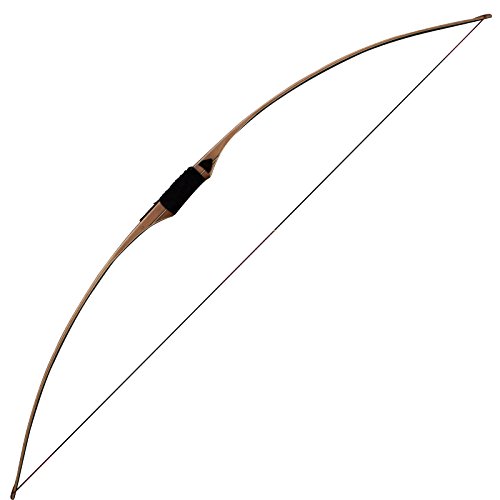

How powerful were Native American bows for hunting and war?
Native American bows were “powerful” when they delivered controlled arrow speed and penetration that matched the target, the shot angle, and the platform. On the Plains, sinew-backed bows built for horse maneuvering could still drive arrows through buffalo-sized game and into firm targets during fighting. The key was draw weight in a practical band, paired with effective arrows.
For hunting, draw weight and arrow construction decide whether the shot breaks down and stops in the hide and tissue or keeps going. For war, the bow becomes a different tool because the target, distance, and shooting rhythm change, especially from horseback. A mounted archer can trade absolute range for rapid follow-up, tight angles, and repeatable delivery.
Most Native American bows were wood, and the strongest were backed with sinew. That matters because a shorter bow can still feel like it has more when the spring and energy transfer improve. Plains bows were often short after horses were introduced, so they could be fired from horseback, and observed Plains bow length was about 42-48 inches.
What did “power” look like in the field?
In practical terms, power shows up as pass-throughs versus shallow penetration, and as the ability to keep shooting accurately after repeated cycles. The arrow hits, then it doesn’t keep traveling.
Penetration depends on more than the bow’s peak draw. Arrow mass, point type, and how securely the fletching stays aligned affect flight consistency and impact angle. Even shot angle changes outcomes; an arrow that lands flatter can drive more effectively, while steep angles can shed penetration quickly.
There’s also a range reality. A “max distance” claim doesn’t tell you effective lethality. Effective killing range comes from how consistently the archer holds the same point of aim and how the arrow behaves when it arrives. Mounted archery often shifts priority to repeatable shots at shorter, controlled distances where follow-up shots matter.
According to Plains Indian Weapons, part I: the Bow and Arrows — Observed Plains bow length was about 42-48 inches. (source)
How much draw weight did Native American bows usually have?
For Plains sinew-backed bows, a commonly reported average draw weight range was 50-70 pounds, with some bows likely lower or higher depending on region and intended use. Hunting and war-use overlap, but the bow often favors a band that an archer can shoot accurately from a moving horse. That creates useful power, not just high numbers.
Bow draw weight can vary by region and use, and measurement approaches weren’t always consistent between makers and observers. If the archer can’t stay calm through the draw and follow-through, penetration and accuracy both suffer. Power you can’t deliver under fatigue isn’t real power.
Draw weight also doesn’t transfer cleanly across setups. A shorter, reflexed bow with sinew backing can deliver a different energy curve than a longer, rigidly tillered bow. Even if two bows hit the same pounds, the arrows they launch can differ in speed, momentum, and how they hold together through impact.
Bow draw weight as a hunting versus war choice
Hunting power leans toward predictable penetration and clean recovery through hide and tissue. War-use power has to work under stress, fast transitions, and sometimes different target structures. Plains groups used bows and arrows for both hunting and war, and that shared platform is why you see overlapping draw-weight bands rather than one “war-only” number.
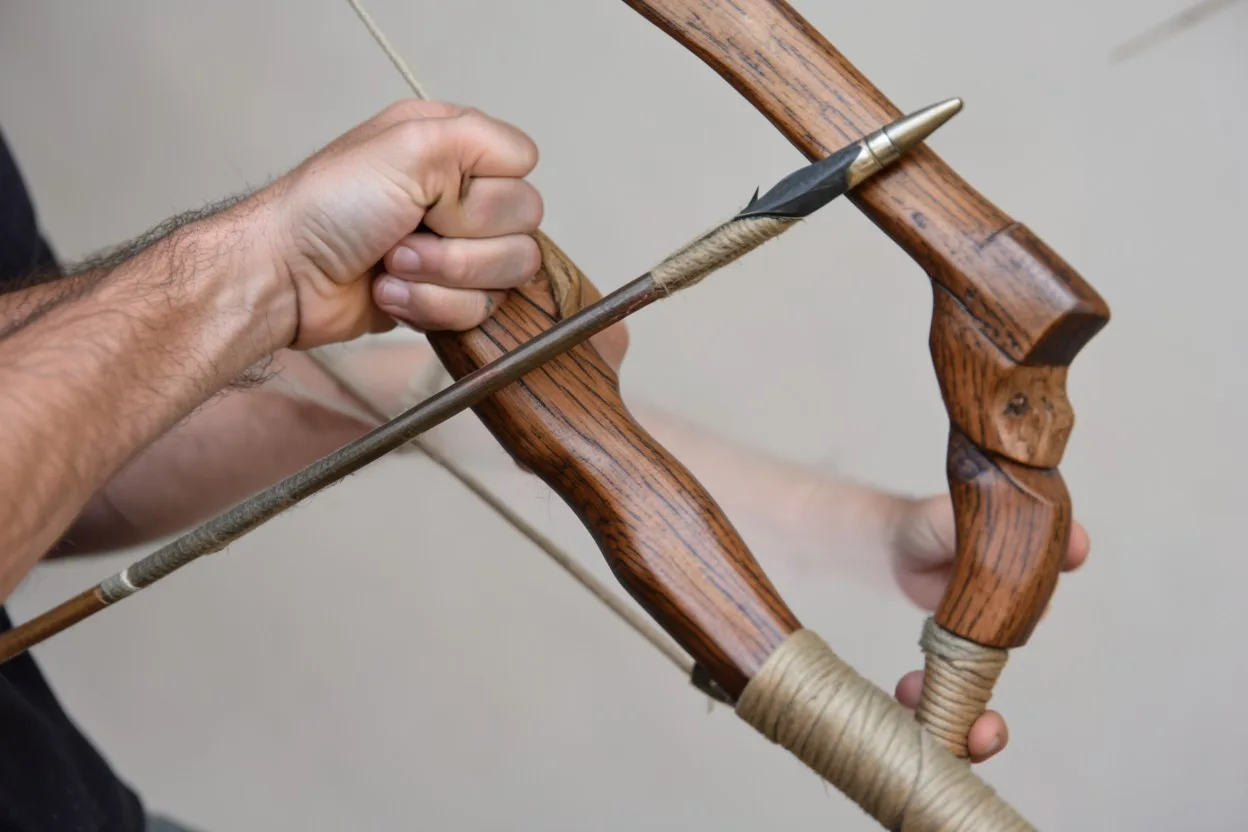
How did sinew backing make Native American bows more powerful?
Sinew backing improved Plains bow performance by adding strength and spring, which typically increased speed and durability. The process wasn’t a thin patch; sinew backing was layered onto the bow with glue made from hide scrapings or sinew scraps mixed with water. That added work lets a compact bow carry meaningful arrow energy.
The strongest bows were backed with sinew, and sinew backing made Plains bows faster-shooting, more powerful, and sturdier. I learned early that durability changes field power. When your limb stays in spec shot after shot, your tuning doesn’t drift into a weaker delivery. That’s why backing matters as much in repeated use as it does in the first string pull.
When a short bow is built to be efficient, the archer gets a better outcome per length. Plains bows were shorter after horses were introduced, so the performance boost from sinew helps offset compact geometry that would otherwise cost energy transfer.
Construction choices that affect power transfer
The backing process influences how the bow stores and releases energy cycle-to-cycle. With sinew layered and glued, the limb can flex and recover in a way that helps arrow delivery stay consistent. In my shop, that’s why I check tiller and backing integrity together; a high poundage bow with compromised backing tends to lose speed sooner than the maker intended.
Plains sinew-backed bows: short, reflexed, and built for mounted use
Plains bows were often shortened for horseback use after horses were introduced, with observed Plains bow length about 42-48 inches. They were commonly shaped for maneuverability, including reflexed or gull-wing profiles in many Plains builds. A compact bow lets the archer lift, aim, and keep the string path clear while shooting from a moving platform.
Mounted archery changes what you need from a bow. The archer’s body position limits how much room there is to draw and how much the bow can swing through recoil. A shorter bow can come on target sooner, and that matters for rapid shooting and follow-up in Plains warfare context.
But compactness has tradeoffs. Distance held at longer ranges tends to narrow when a bow is built short. The build strategy compensates by using sinew backing and efficient arrow systems to maintain enough energy and penetration for practical field outcomes.
Why mounted archery rewards compact “control power”
I’ve watched shooters chase distance when they first try to shoot from unstable positions. The groups look fine at home on a stand, then open up as soon as the platform moves. Shorter bows designed for maneuverability tend to reward control because the archer can run a consistent draw and release sequence while the horse does its job.
Proof table: translating historical descriptions into practical performance terms
Below is a practical comparison framework that turns likely Plains bow descriptions into performance expectations. It separates intended use, draws attention to bow length and sinew backing choices, and makes “power” measurable through likely draw-weight bands, arrow delivery expectations, and tradeoffs between speed and penetration.
| Design / historical note | Likely draw-weight band (lb) | Typical bow length | Construction choices | Intended use | What this likely meant for penetration and speed |
|---|---|---|---|---|---|
| Plains sinew-backed bow (short length for mounted use) | 50-70 | about 42-48 inches | Wood bow body; sinew backing layered with glue made from hide scrapings or sinew scraps mixed with water; reflexed or gull-wing profile | Buffalo hunting from horse or foot; Plains mounted fighting | Higher spring and faster-shooting behavior from sinew backing; more durable limb for repeated shots; good chance of deep penetration when paired with suitable arrows |
| Plains ash/chokecherry/juniper/osage builds (region-tuned wood) | 50-70 (range tends to follow the builder’s target band) | about 42-48 inches | Wood species chosen by region such as ash, chokecherry, juniper, or osage orange; sinew backing to boost speed and durability | General hunting and war use on the Plains | Wood choice influences feel and working behavior; sinew backing is the common performance booster that helps keep arrow delivery energetic in a compact form |
| Stronger sinew-backed “tuned-for-work” build (best backed class) | 60-70 (typical “upper band” practical expectation) | about 42-48 inches | Heavy or carefully layered sinew backing; robust glue bond | Longest practical hunting shots; situations where deeper penetration matters | More energy available for heavier point setups; improved durability for follow-up shots; faster arrow speed increases penetration odds through large targets |
| Lower-draw hunting bow in mounted practice (still functional) | 40-60 (likely when draw is tuned for control) | about 42-48 inches (mounted-friendly length) | Wood body; sinew backing still used when the maker prioritizes speed and strength; arrow mass and point selection become critical | Deer hunting; close-range mounted work | Less margin for range and point error; penetration depends heavily on arrow mass and point design to maintain deep placement |
- Pick a draw-weight band that you can shoot from stable and moving positions without flinching.
- Match arrow mass and point type so impact behavior stays consistent with your goal target penetration.
- Use sinew backing as the performance booster for compact bow designs when you need maneuverability.
- Plan effective ranges around accuracy and impact behavior, not maximum reach.
Could Native American bows kill buffalo or deer effectively?
Yes, Plains bows were used effectively for buffalo hunting, where deep penetration is the whole problem. Plains bows were among the most powerful Native American bows because they had to shoot through buffalo, and described performance included arrows passing through buffalo and sticking in the ground. Deer-sized targets can be handled with less margin if the archer places shots well.[3]
Buffalo are large, tough targets with heavy hide and tissue structure, so arrow design must keep moving after impact. A heavier front end can help maintain momentum, while a point that holds shape reduces energy loss through deformation. The archer’s shot setup also matters; a good angle and a controlled follow-up can decide outcomes even when power looks similar between bows.
Distance and conditions shape practical lethality. When I tune a bow, I don’t judge only by group size. I also test whether the arrow lands through the same window consistently, and whether the point stays seated and aligned after impact. In buffalo-scale scenarios, small problems show up as big failures.
What arrow materials made Native American bows effective?
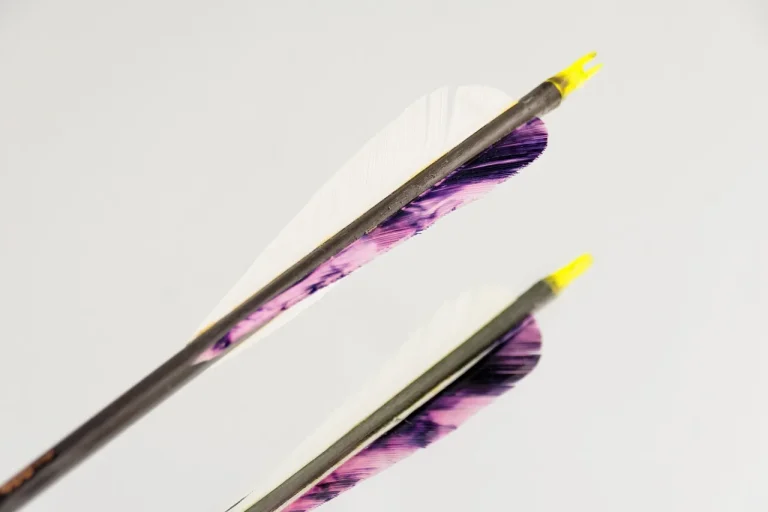
Native American bows were effective because their arrow systems were built for quiet, efficient delivery and repeatability. Plains arrows often used wood shafts and feathers for fletching, with points varying by time and available materials. That combination helps arrows stay stable and hold together through the conditions that demand hunting and battlefield follow-through.
Wood shafts provide a predictable flex profile when matched to the bow’s spring. Point material changes practicality. Trade-era metal points replaced some stone heads by being easier to shape and more durable, which improved day-to-day reliability for use where you need consistent point geometry.[5]
Feathers and fletching stability matter because a stable arrow arrives with a predictable impact angle. Impact angle drives penetration behavior. If the fletching can’t keep alignment due to damage or inconsistent seating, you can lose effective killing power even with the same draw weight.
Stone and metal points through trade-era changes
Stone points can work extremely well, but they require sharpening and careful shaping. Metal points adopted through European trade introduced easier shaping and more durability, which changed field practicality. You can have a strong bow and still end up with shallow hits if your arrow system isn’t built to deliver.
Were Native American bows weaker than European war bows?
They could be lower by raw “maximum draw” numbers, but that comparison misses what matters in real fights. European war bows were military systems built around their own battlefield assumptions, including target type and often different engagement distances. Plains bows were compact for mounted archery, and compact mounted-bow efficiency can produce effective combat outcomes even when draw weight varies.
“Weaker” also ignores the arrow-and-shot delivery system. A Plains sinew-backed bow paired with efficient arrows and proper point selection can produce deep penetration on appropriate targets. For war, speed of follow-up from horseback and hit-to-hit consistency can outweigh the advantage of a heavier static peak draw in a context where you can’t safely use maximum draw.
I’ve seen this in modern tuning too. Pushing poundage for more power can create a flinch and degrade release timing. You end up with slower, less consistent arrow behavior. The historical advantage wasn’t magic, it was matching the tool to the job and the platform.
Why did Native American bows stay in use after guns arrived?
Bows stayed in use after guns arrived because they were quiet, efficient, and effective, especially when you needed rapid, low-signature action. Plains groups continued using bows and arrows after guns arrived because they were quiet, efficient, and effective. Mounted users also benefited from familiar handling and repairable materials.
Even when metal points spread, the bow platform stayed a practical system with a mature supply chain, wood, sinew, feathers, and arrow components you could make or maintain locally. I’ve watched hunters keep using traditional tools for the same reason modern folks stick with what works in the field, familiarity and control beat marketing.
Trading up to firearms doesn’t erase archery value when you can close, shoot fast, and keep pressure on targets without announcing your position as loudly as a gun would.
Frequently asked questions
How strong were Native American bows?
On the Plains, sinew-backed bows were described as among the most powerful because they had to shoot through buffalo, and the average draw weight of the Plains sinew-backed bow was reported as 50-70 pounds. The strongest bows were backed with sinew, which made Plains bows faster-shooting, more powerful, and sturdier in repeated use.
How short were Plains Native American bows for horseback use?
Plains bows were shortened after horses were introduced to make them easier to fire from horseback, and observed Plains bow length was about 42-48 inches. The shorter length improves maneuverability and control while mounted, even though it can reduce the distance potential compared with longer bows.