How Powerful Were Native American Bows vs Recurves?
Native American composite horn-bow tech often lands around 30–60 lb draw in common reconstructions. When I normalize for same draw weight and similar arrow mass, the setups usually deliver ~70–90% of the arrow energy/speed of today’s hunting recurves. Modern recurves can exceed that when the bow is well built and well tuned. Getting this wrong pushes people into bad poundage choices, overdraw, and unrealistic penetration expectations, and it also invites unsafe practice. I compare them using a fair, bowyer-style method based on draw weight, arrow mass, and measured performance targets.

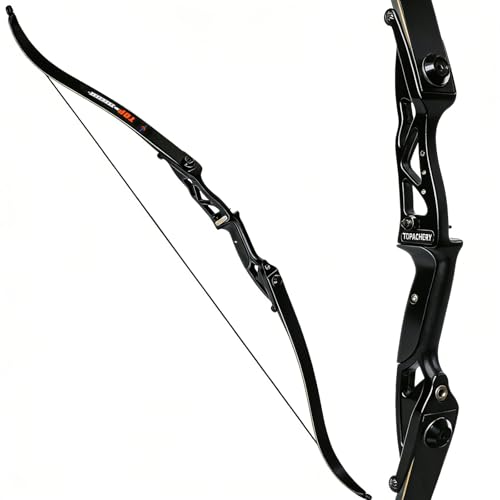
What does “power” mean for bows in this comparison?
Power is the energy your arrow carries and what that energy does on target. It shows up as speed into the shot, penetration capability, and forgiveness when draw length varies. Draw weight alone misleads because short reflex bows store differently, arrow mass changes the math, and efficiency depends on how well the bow and arrow match.
When I tune recurves, I treat draw weight as a starting constraint, not the full scoreboard. Two bows at the same listed weight can shoot arrows with very different behavior because limb design, string type, and arrow mass change the system. In a historical setting, those variables shift more. Bow length and profile often differ, and arrow shafts plus heads vary by region and intended game.
For a fair Native-versus-recurve comparison, I normalize by draw weight at a comparable draw length, arrow mass matched to historical materials as closely as practical, and expected limitations like string weathering, weaker consistency, and tuning sensitivity. That’s the only way a short Plains bow doesn’t get judged like a longer bench recurve.
How I normalize the comparison for a short reflexed bow
I treat the draw weight number as a proxy for energy storage, but I also track draw length and arrow mass. A Plains Indian bow around 42–48 inches can be forced into the same draw length you’d use on a modern recurve only if you can reach it safely. If you can’t, the bow’s practical stored energy drops fast.
Then I match arrow mass assumptions to shaft materials that those bows typically pair with. If the historical setup leans toward lighter or stiffer shafts, the speed and penetration balance shifts. When you normalize those choices, you can see where historical bows were surprisingly close, and where modern recurves pull ahead.
What counts as “wins” for different users
Hunters usually care about penetration and repeatable performance under real conditions. Collectors often care about construction logic and handling that matches how a short bow actually behaves, including how it runs on horseback. Traditional target shooters often care about shot feel stability and how quickly they can get back to group after tuning changes.
A Plains-mounted bow can win on maneuverability and shot timing even if it loses some efficiency. A modern recurve usually wins on repeatability and efficiency once tuned, because the materials and designs stay consistent and easy to set to the same geometry.
According to How many pounds do you think the American Indian bows … — Plains bows were short, about 42-48 inches, for mounted use. (source)
How were Native American bows built and why does it matter?
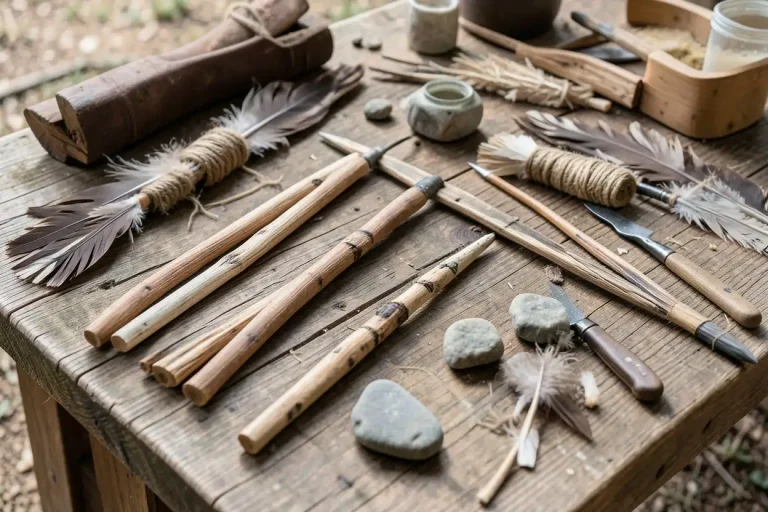
Native American bows varied by region and tribe, but the performance driver I focus on is construction. Self bows and flatbows use plain wood, while composite variants add extra layers for speed and durability. Reflexed and sinew-backed examples on short Plains designs also change how the bow stores energy, especially when mounted archery pushes bows shorter.
I see shifts from string twists, nock height, and slight draw-length changes. When I test handmade gear, the pattern keeps repeating. A bow can look strong on paper and still feel inconsistent if the materials and build don’t keep the geometry stable.
Self bow and flatbow builds versus composite variants
Many historical bows were built as self bows/flatbows from local woods. In other cases, builders used composite variants that add more materials to the working face and back. Composite designs are where you most clearly see why certain historical bows could feel quicker than plain wood alone would suggest.
On the Plains, builders also leaned into reflexed or sinew-backed construction so short bows behave better for mounted-use drawing. That design goal changes the “power” conversation, because the bow is optimized for the shot window and handling, not for maximum energy at a long bench draw.
Materials: local woods, bowstrings, and arrow shafts
Historical Plains bows were commonly made from local woods like ash, chokecherry, juniper, and osage orange. Plains arrows were made from red osier dogwood, juneberry, or chokecherry. Those material choices affect stiffness, straightness, and durability, and that feeds directly into speed and penetration.
Bowstrings in historical examples were often hemp or sinew with twisted construction. That choice matters because maintenance and practical consistency follow weather and wear. Over a long day, string condition can shift tension and speed delivery. If the string needs replacement, the bow’s real output changes.
When I set up beginners, I look for a specific mismatch. They choose a poundage they can draw safely, then run shafts and fletching that don’t match what that bow likes. With short historical-style setups, arrow matching matters even more, because short bows stay less forgiving when tuning errors creep in.
Sinew backing: what it does to bow behavior
Sinew backing adds durability and speed, which improves output on short bows. It uses dried sinew glued to the back, and it resists breakage and weather effects better than bare wood backs. That’s why many reconstructions of Plains setups include sinew instead of treating it as optional.
The backing used buffalo or elk sinew glued in layers. The glue was made from hide scrapings or sinew scraps mixed with water. In practice, the layered system handles stress better during the draw and recovers in a way plain wood sometimes can’t manage at shorter lengths.
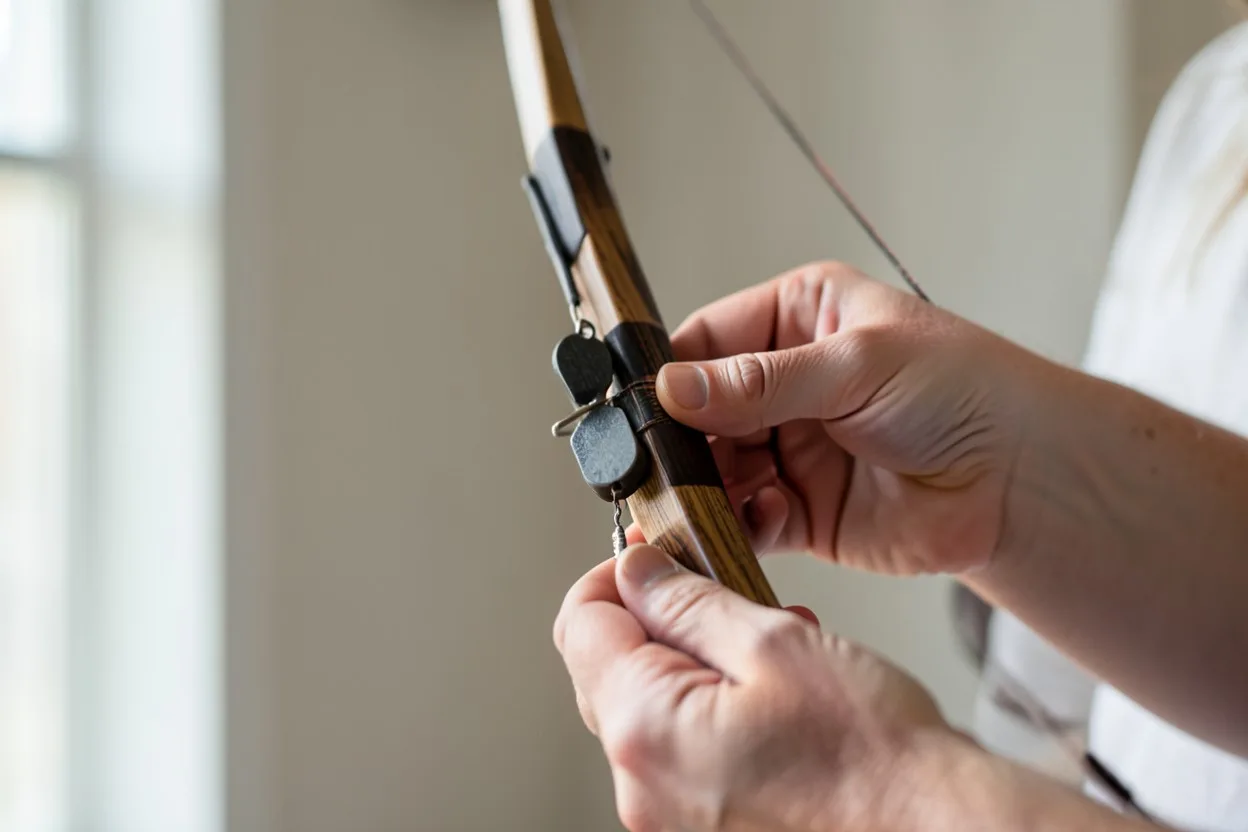
How short were Plains Indian bows, and why weren’t they longer?
Plains Indian bows were short, about 42–48 inches, mainly because mounted archery demands maneuverability. Shorter bows are easier to bring to bear from horseback, and reflexed profiles help extract usable stored energy from a shorter limb length.
Now picture that same problem on horseback with wind, movement, and time pressure. A bow built for that environment prioritizes handling, and that usually means giving up some raw energy storage potential.
Mounted archery constraints drive design tradeoffs
Mounted archery drives shorter bow design and forces fast handling, so the efficiency tradeoff becomes part of the plan. The compromise matters for Plains warfare and hunting. You want a bow that fires reliably during the shot window, even if it isn’t the best energy machine on a long bench draw.
Where competitors mess up is the comparison. They match a mounted short-bow against a longer woodland bow, or they compare it to a modern long-draw recurve without splitting the use case. Those are different tools.
Where woodland bows differ from Plains expectations
Woodland contexts often allow longer bows that can store energy more efficiently at the same draw length. Plains builds push designers toward reflex profiles and shorter limbs to work within mounted-use needs. When you compare “power,” you have to compare systems that share the same draw realities.
What draw weight did Native bows usually have?
Historical draw weight estimates vary by tribe, purpose, and source quality, so you can’t treat a single number as universal. For Plains bows, historical descriptions commonly place draw weights around 50–70 lbs, but other estimates exist and can land closer to 40 lbs or 40–50 lbs depending on the account.
That’s why the fairest comparison matches draw length and setup as closely as possible, then compares practical performance expectations instead of raw poundage. A short bow drawn to the same full draw as a modern recurve may simply not be feasible for every user, or for every historical reconstruction.
Why equal poundage is not equal output
Even if two bows both list “60 lbs,” they can store energy differently due to limb geometry and how efficiently they transfer energy to the arrow. Modern recurve design uses limb recurve for energy storage and cast, plus consistency from modern limb materials and riser design. Handmade historical builds can be excellent, but variation between individual bows is normal.
Arrow setup then magnifies the difference. If your arrow is heavier, speed drops but penetration can rise. If your arrow is lighter, speed can rise, yet structural performance can suffer when shafts vary in stiffness. That’s why I judge power as an outcome, not a single mechanical number.
Draw weight estimates vary because sources vary
Plains examples are often described with ranges, and war use versus hunting use can push different weights. Reconstructions also vary with reported draw lengths, and with whether the account describes the bow’s typical hunting setup or an unusually strong individual bow.
So when you see a low forum estimate like 40 pounds, I treat it as one data point, not a replacement for all historical descriptions. When you see averages like 40–50 pounds, I treat it as a regional or reconstruction-specific claim. The key still stays normalization by draw and realistic arrow mass.
How did sinew backing change power and survival in the field?
Sinew backing changed power mainly by improving energy transfer on short bows and by boosting durability under repeated stress. It also changes weather survival, because sinew-backed systems resist breakage better than bare wood backs, especially when string and glue joints take daily abuse.
On the Plains, where bows often run short and reflexed, sinew helps more. A shorter bow has less limb length to store energy, so the build needs help to keep working performance high enough for hunting and mounted use.
Speed and durability from layered backing
The typical Plains backing used buffalo or elk sinew glued in layers. That layered sinew system gets paired with glue made from hide scrapings or sinew scraps mixed with water. The result I feel during shooting is smoother energy release and better survivability when the bow is carried and used repeatedly.
I’ve seen beginners break stiffer wooden setups by drawing past comfort or by dry-firing habits. With historical-style designs, the margin can differ, so the backing story is part of why these bows could stay usable under real conditions.
Weather sensitivity and practical maintenance realities
Even with sinew backing, string materials like hemp or sinew and the glued joints still change over time. Weather alters string condition, which changes actual draw behavior and shot timing. That’s why your practical field power includes how stable your setup remains after hours of use.
Modern recurve systems aim for consistency and efficiency through modern limb materials and riser design, which makes tuning repeatable. When you compare historical versus modern, you still have to include failure modes like string wear, glue joint fragility, and individual bow variability.
How powerful were Native American bows compared with modern recurves?
Compared at matched draw weight and similar arrow mass, reconstructed Native American composite and sinew-backed bows often land at roughly 70–90% of the arrow energy/speed of well-tuned modern hunting recurves. Modern recurves can exceed that when optimally built and tuned. The biggest gap usually shows up as consistency, efficiency, and repeatable shot output.
To keep this fair, I don’t treat raw poundage as the full story. I compare how the system performs with arrows likely to be used in that historical context, and I separate Plains-mounted short-bows from longer woodland expectations. That’s where the “surprisingly close” parts show up, and where modern gear pulls ahead for real.
Expected arrow type effects: speed, mass, and penetration
Arrow shafts in those setups were often wooden and made from regional woods like red osier dogwood, juneberry, or chokecherry. Straightness and stiffness vary, so arrow-to-arrow behavior can vary. Heavier arrows often trade speed for penetration, while lighter arrows can raise speed but increase sensitivity to shaft inconsistency.
On a modern recurve, if you tune for consistent nock travel and use matched shafts, you reduce that variability. The bow can still be “lower poundage,” and you may still get better downrange performance because the arrow behaves more consistently.
Where modern recurves usually win
Modern recurve bows use limb recurve for energy storage and cast, plus modern limb materials and riser design. That combination gives better consistency and efficiency than handmade historical bows, especially across seasons and changing conditions. In my shop, when a recurve is tuned, groups hold because the bow and arrow system stays coherent shot after shot.[3]
Historical bows can be excellent, but your practical power includes how often you need to replace or adjust strings and how much variance you accept from handmade materials. That’s not criticism of tradition. It’s part of the comparison.
Native vs modern recurve at comparable power
The table below normalizes historical Native bow estimates to the same draw weight so you can compare apples to apples by use case and likely arrow setup. It also flags the practical limitations that drive real-world performance differences, including short-bow handling, arrow tuning sensitivity, and string/weather issues.
| Normalized draw weight (lb) | Likely Native bow setup (examples) | Comparable draw length / handling | Likely arrow type used | Expected on-target performance vs tuned modern hunting recurve | Practical limitations you should plan for |
|---|---|---|---|---|---|
| 40 | Forum-style western Native estimate often put around 40 lb | Short reflex handling; draw-to-position varies by maker and user | Wooden shaft with regional wood; hunting head weight matters | Often “adequate” for small-to-medium game if arrow match is good; penetration depends heavily on arrow mass | String condition and shaft stiffness spread can change arrow-to-arrow behavior |
| 50 | Common Plains hunting range often reported in reconstructions | Short bow around 42–48 in; reflexed profile favors mounted use timing | Wooden shafts from local woods; matched to likely stiffness | Frequently close in arrow speed to tuned recurves when arrow mass is comparable; may still lag in efficiency | Requires careful arrow matching; reflexed geometry can be less forgiving of tuning errors |
| 60 | Upper end of the 50–70 lb historical Plains description range | Mounted-capable draw window; less energy storage than a longer recurve at equal “draw feel” | Wooden shafts; straightness matters for consistency and penetration | Often lands around ~70–90% of tuned modern recurve output at the same normalized draw weight and similar arrow mass | Weather sensitivity of hemp or sinew strings can shift output across a session |
| 70 | Top end of the historical Plains 50–70 lb average reported range | Short reflex bow; still mounted-friendly but draw reach affects practical energy | Heavier arrow choices may help penetration; stiffness control becomes critical | Closest overlap with modern hunting recurves for penetration targets, but modern tuning usually keeps shot-to-shot consistency higher | Individual bow variation still matters; sinew and glue joints need care |
| 60 (modern tuned baseline) | Modern recurve bow setup tuned to 60 lb | Defined geometry with modern limb materials; repeatable draw length targets | Matched arrow shafts; consistent spine and mass for predictable flight | Baseline “best case” for arrow energy and cast efficiency at this normalized weight | Requires proper tuning discipline; results fall off quickly with wrong arrow spine or inconsistent release |
Short decision checklist for hunters, collectors, and trad shooters
Use this checklist when you’re choosing draw weight and realistic expectations. It keeps you from buying or building for “maximum poundage” and then being surprised by penetration limits, tuning frustration, or unsafe overdraw on a short reflex bow.
- Match draw weight at the draw length you can actually use. If you can’t reach the same practical draw, don’t assume equal energy.
- Match arrow mass and shaft stiffness to the bow. Wooden shaft choice and consistency drive how much energy turns into penetration.
- Plan for Plains-style constraints. If your setup is short (about 42–48 in) and reflexed, expect different handling and tuning sensitivity than a longer recurve.
- Account for string and weather behavior. Hemp or sinew strings and glued joints can change performance across a hunt day.
- Judge “power” by the target outcome you need. Penetration, timing, and repeatability matter more than a pound-number on paper.
Frequently asked questions
What draw weight did Native American bows usually have?
For Plains bows, historical descriptions commonly report an average draw weight of 50–70 lbs. Other estimates appear in reconstructions and discussions, including around 40 lbs and about 40–50 lbs on average for some western contexts. Those numbers vary because sources differ, and reported draw length may not match.
Were Native American bows strong enough for buffalo and deer?
Historical accounts say the bows had strength and force enough to pass through a buffalo. That claim, paired with Plains design choices like sinew-backed and reflexed short bows, indicates the systems were built for large-game use cases. Still, real penetration depends heavily on arrow mass, shaft quality, and proper tuning.
How short were Plains Indian bows and why?
Plains Indian bows were often short, about 42–48 inches, because mounted archery demands maneuverability. A shorter bow can be brought up quickly while horseback movement forces fast shot timing. Reflex profiles help extract usable performance from the shorter design even as energy storage efficiency changes.
What materials were Native American bows and arrows made from?
Plains bows commonly used local woods such as ash, chokecherry, juniper, and osage orange. Plains arrows were made from woods like red osier dogwood, juneberry, or chokecherry. Bowstrings were often hemp or sinew in twisted constructions, and string/weather behavior affects practical consistency.
How did sinew backing change bow power?
Sinew backing added durability and speed, improving power on shorter bows. Plains examples often used buffalo or elk sinew glued in layers, with glue made from hide scrapings or sinew scraps mixed with water. The layered system helps resist breakage and can deliver better energy transfer when bow length is constrained.
Were Native American bows accurate or mostly used in numbers?
You can find accounts suggesting fast rates of fire. One historical account says men could let fly eight arrows before the first hit the ground. That doesn’t automatically mean “only numbers,” because accuracy still depends on consistent form, arrow matching, and tuning stability. In practice, a skilled archer can be both accurate and rapid.
How do Native bows compare to a modern recurve at the same draw weight?
At the same normalized draw weight, modern recurves tend to produce more consistent arrow output because limb recurve design and modern limb materials plus riser geometry improve efficiency and repeatability. A historical short reflex bow can still be close when arrow mass matches well, but modern gear usually wins on tuning repeatability and shot-to-shot consistency.
How strong were Native American bows?
Strength varied by tribe, region, and intended use, so “how strong” needs context. Plains bows average descriptions of 50–70 lbs, and some estimates land near 40–50 lbs or about 40 lbs in certain reconstructions. Historical claims also describe sufficient force to pass through buffalo, reinforcing that these bows were engineered for demanding shots.