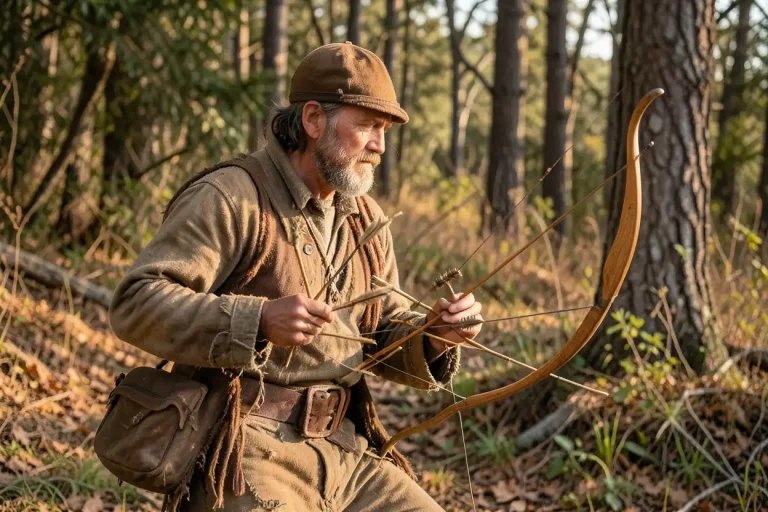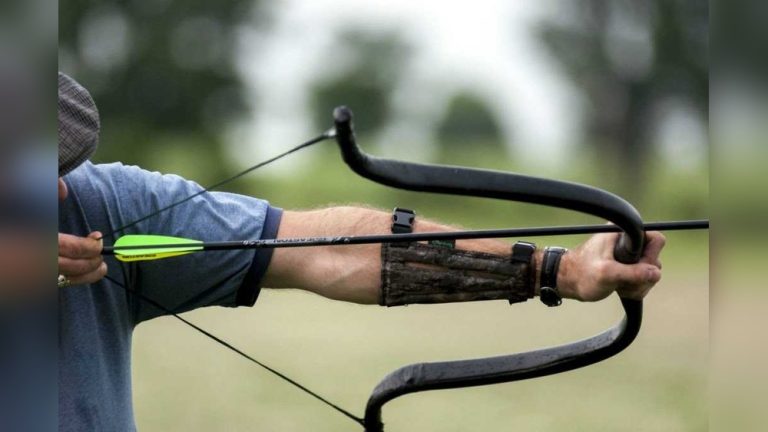
How Native American Hunting Arrows Tuned for Flight
Native builders tuned arrow flight by balancing mass and timing: choose the shaft’s stiffness range, then set point weight/front-of-center, add correct fletch height/angle, and seat the nock so the arrow releases straight. Bad spine, weak fletch, or mismatched balance shows as wide groups and fishtailing. I’ll lay out the practical logic—shaft, point, fletching, and nock—plus how different regions solved the same physics differently.
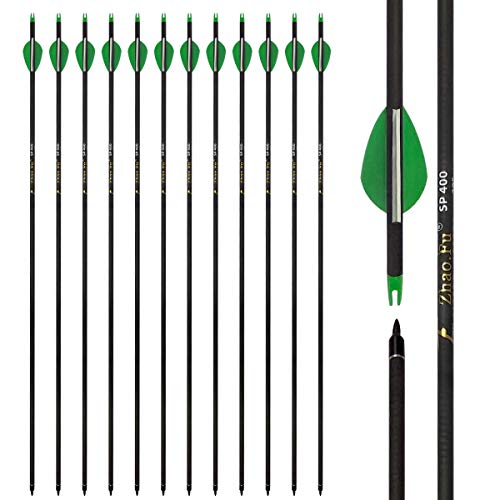

How did Native hunting arrow tuning work as a system?
Builders treated tuning as a whole-system job. They matched shaft stiffness and recovery to the bow’s draw weight and release timing, then corrected mass balance with point weight and bindings. Fletching set and nock fit governed early guidance and straight release. When flight went bad, symptoms pointed to weakness, stiffness, wobble, or instability.
Tuning variables you can actually see
Arrow flight problems usually show up in two buckets. One is direction: “Where does it point right after launch?” The other is stability: “Does it stay consistent in pitch and yaw while it slows down?” Shaft stiffness helps with the timing of recovery, while point mass and fletch geometry determine where the arrow wants to go and how it gets corrected.
In my own tuning work, I’ve learned that you can’t “paper tune” your way out of a crooked release geometry. If the nock sits wrong on the string, the first few milliseconds are off, and you chase the wrong fix.
Why the same symptom can come from different causes
If an arrow impacts high-left or high-right, people often blame “spine.” But a point that’s too heavy, a hollow foreshaft that shifts balance, or fletches set at the wrong angle can create similar launch behavior. Tumbling or fishtailing can come from poor shaft straightness, weak fletch attachment that lets feathers lift, or nock fit that lets the bowstring slip.
According to Arrows Guns and Buffalo – Fort Union Trading Post … — The NPS page says bows and arrows were used on the Great Plains by CE 250 at the latest. (source)
What materials did Native builders choose for shafts and why?
Native builders selected shafts based on what their region produced and what that material could do under working straightening methods. Dogwood, cane, reed, and hardwood shoots behave differently in stiffness and recovery, so each needed its own tuning attention. Hollow vs solid shafts also changed mass balance, sometimes making foreshafts necessary.
Dogwood, cane, reed, and hardwood shoots
In surviving examples and museum-linked reconstructions, you see arrow shafts built from different woods and reed-like materials depending on local availability. Dogwood shows up where people had straight-grain stem material and could work it into consistent taper. Cane, including Arundinaria gigantea, appears in regions with suitable bamboo-like growth; it’s light but still usable when builders get straightening and wall thickness right. Reed and other shoots were used where the plant offered long, workable culms.
One thing I watch closely in traditional builds is how straightening method and internal structure work together. Heat or pressure can “set” the grain and reduce spring-back, but if a shaft is hollow and the wall thickness varies, recovery can change shot to shot. I’ve seen that in the shop: two shafts that measure similarly on paper can fly differently once the point weight and wall geometry pull the balance in different directions.
Lengths, and why long vs short changes what you need
Historical specimens and regional depictions give us anchor points for how long hunting arrows often were. For example, two surviving Eastern Indian arrows in the American Museum of Natural History are 28.5 inches long. Plains arrows in the Hood Museum example are shown as 42 11/16 inches long overall. Builders were still solving the same system variables, but the bow form and draw dynamics changed the “ideal” arrow length and recovery timeline.
Shorter arrows also make sense where the bow and draw are shorter. After Spanish horses spread, short horse setups became common in many Plains contexts, and arrow/bow geometry had to match that. A shorter arrow can reduce the time window where the shaft is forced to recover against a mismatch. That’s why “short arrows were common” doesn’t mean “they tuned worse.” It usually means the tuning target shifted with bow style.
Hollow vs solid shafts and foreshaft mass balance
Some historic arrows used a hollow wooden foreshaft that could separate from the shaft. That kind of construction changes the effective front-of-center and can alter how the shaft’s recovery couples to the point’s momentum. If you’re trying to reproduce older behavior, you have to treat the foreshaft as part of mass balance, not as a separate accessory.
Foreshafts also help with point replacement and material management. If a stone or bone tip gets damaged, a modular system keeps the hunting arrow useful without rebuilding the whole shaft.
How did they straighten and keep shafts true before shooting?
Native archers kept arrows straight by combining straightening and timing controls: heat and pressure, careful drying, and reinforcement at vulnerable ends. A shaft that straightens poorly stores stress and “springs” back into a curve, which shows up as inconsistent recovery. Self nocks and clean string fit then make the release repeatable.
Heat, pressure, bundling, and drying
Shaft straightness was not a one-time fix. Many builders straightened by heat and pressure, then controlled how the shaft cooled or set under restraint. Bundling and controlled drying helped reduce twist and memory. In reed and cane-like materials, the working window can be smaller, so builders relied on careful handling to avoid permanent warping.
Here’s what matters for flight: straightening that leaves internal stress can cause the shaft to recover differently after each shot. I treat that like a “timing drift” problem. If the shaft’s recovery timing changes, your fletch correction and point balance no longer match the bow’s launch rhythm.
Self nocks and nock reinforcement
Clean nock fit is small in size and huge in effect. Many arrows used self nocks cut near the shaft end, and delicate arrows sometimes needed reinforcement so the string seated consistently without damaging the nock. When the bowstring contacts the nock the same way every time, the arrow starts with the same orientation, and your tuning variables actually stay linked.
In practice, reinforcement also prevents micro-cracks and crushed fibers that subtly change how the string releases. That can look like “random groups,” when the real issue is a repeatability failure at the very start.
How region materials affected straightening consistency
Dogwood shafts built from whole stem material often take straightening more predictably when straight-grain sections are available. Bamboo-like cane or reed can be light and fast to work, but variation in thickness or wall can create uneven stiffness along the shaft. That’s why builders paired material choice with their own straightening discipline and with point and fletching setups tuned to the recovery they expected.
How did Native American archers match arrow spine to bow draw weight?
They matched stiffness range to the bow’s draw weight by selecting shaft type and length, then testing flight to confirm recovery timing. Too stiff tends to push arrows toward direction errors and reduced correction window. Too weak tends to increase wobble and late recovery. Horse-bow setups often tended to use shorter arrows and different dynamic behavior.
Spine matching as a timing problem
“Spine” is shorthand for stiffness, but recovery is what matters. Your bow accelerates the arrow; once released, the shaft bends and then returns. If recovery timing matches the launch conditions, the arrow leaves in a stable orientation and fletching can do its job. If it doesn’t, you get wide groups even with “good” fletch.
What happens when stiffness is off
If an arrow is too stiff for the bow, the shaft may not bend enough to align its recovery before the arrow starts its guidance phase. In the field, that can show up as consistent misses rather than chaos. If an arrow is too weak, it can recover later and wobble longer, making the fletching correct after the arrow is already drifting.
I’m careful about this because I’ve lived through the “one variable too far” effect. My first compound bow was set noticeably too heavy.
Arrow length and bow form
Arrow length changes how long the bow and string accelerate and constrain the arrow, which changes the bend and recovery timing. That’s why short horse arrows can be rational solutions for short-draw setups, especially after horse introductions changed many hunting and war patterns. You can’t keep the same arrow length logic you’d use on foot-hunting bows and expect the same recovery.
Plains power demands and tuning pressure
Plains bows were powerful because they needed to shoot through buffalo, according to the Hood Museum page identification. That kind of draw demands stable performance under heavy impact requirements, so tuning with consistent straightness, reliable bindings, and dependable recovery was how builders avoided random failures at the point.
How did fletching geometry stabilize flight in the real world?
Feather fletching stabilized flight by guiding the arrow early and resisting uncontrolled yaw and tumbling. Native builders set feathers in a way that protected the bow and kept early steering predictable, including setting them parallel to the string. Helical or spiral sets could also induce spin when builders wanted more gyroscopic-like stability.
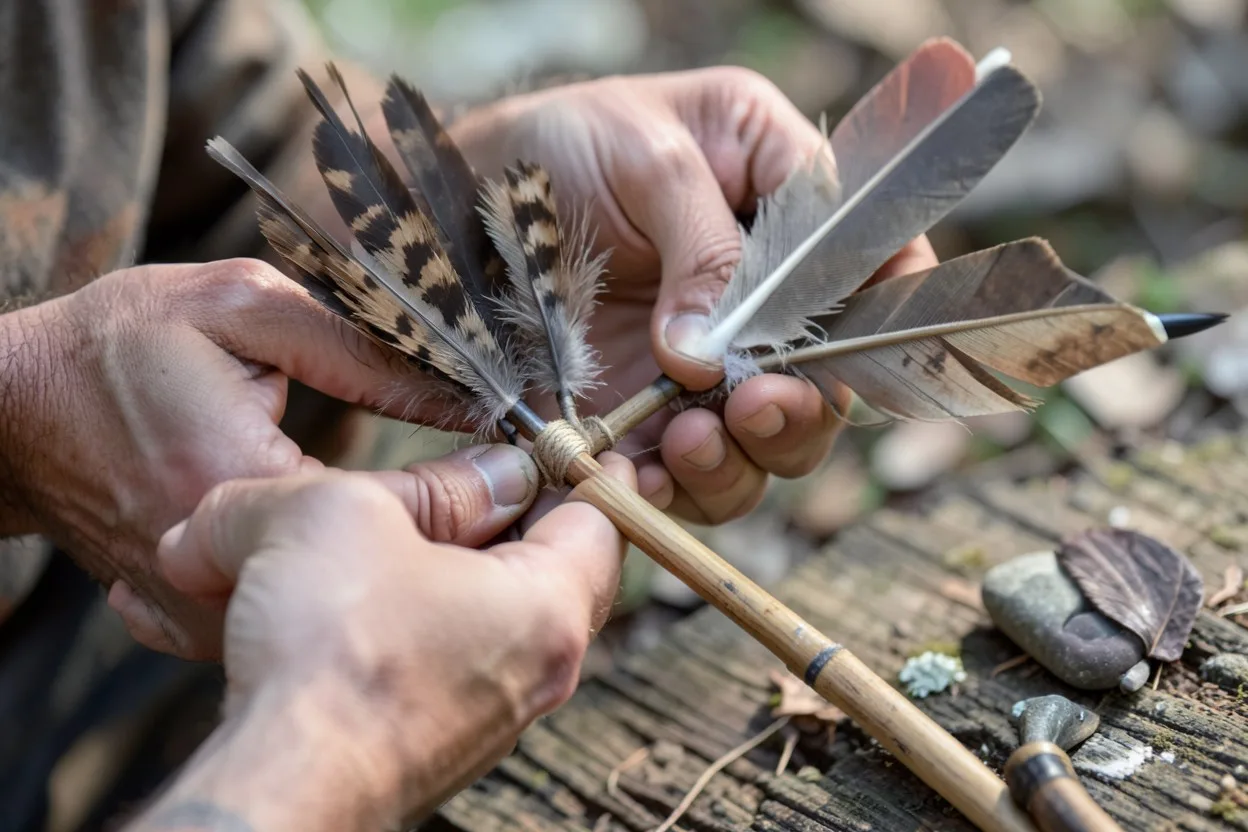
Turkey feather halves, set in glue along grooves
One clear historical example: the two surviving Eastern Indian arrows have fletching made from two split halves of a turkey feather. Those feathers were set in glue along grooves in the shaft, then lashed with fine fibers of glued sinew. The feather ends stop about 2 inches from the shallow nock, and the feathers were set parallel to the string to avoid damage. That combination shows a practical aim: stable guidance without compromising the nock area.
Parallel set to avoid bow damage
Setting fletching parallel to the string helps avoid scraping or interference at the bow window. It also simplifies the early guidance phase because you get a consistent “drag and correction” profile. When fletches are too close to the nock or misaligned, you can damage feathers, disturb the fletch’s effective angle, and create flight variation across shots.
Shallow helix and spiral set for spin induction
Helical or spiraled feather set can induce spin, which can stabilize an arrow by keeping its orientation from changing rapidly in yaw. The tradeoff is drag and energy loss. If you spiral too aggressively for the bow’s speed and the arrow’s mass balance, the arrow may stabilize early but lose forward energy and hit differently at range.
Why attachment method matters in damp conditions
Split halves sewn or inset into grooves can stay aligned longer because the feather base sits where it can’t easily lift. Glues and lashings also matter. In a system with plant-fiber and sinew bindings, fletch integrity under damp use directly affects stability because loose feathers change the drag profile and the correction moment.
How were points hafted, and how did that change flight?
Point hafting affected flight by changing mass balance, alignment, and how reliably the point stays concentric through launch. Native builders used stone, bone, antler, wood, and later metal replacements, hafted with sinew and natural adhesives. Even with matched stiffness, a heavier point shifts front-of-center and can change recovery coupling and impact behavior.
Materials and shapes that match hunting needs
Projectile points used Knife River flint, Swan River chert, and porcellanite in at least some documented contexts. Later, some metal replacements such as iron, copper, or brass points were sometimes used. Point shapes varied: small triangular points for large animals and blunter points for small game show how builders matched penetration goals and practical use to projectile geometry.
Hafting with sinew and natural adhesives
Builders commonly wrapped points and fletching with sinew and plant fiber, then secured with natural glues or gums. Sinew and plant-fiber bindings helped keep parts aligned and reduced the chance of a point working loose under impact. In my builds, the moment a wrap loosens is the moment point axis alignment starts to drift, and drift shows up as inconsistent impact even when stiffness and fletch look “right.”
In the Eastern Indian arrow example, feathers were lashed with fine fibers of glued sinew, tying the fletch alignment to binding integrity. That same binding discipline applied to point hafting because both are load paths during launch and impact.
Mass balance changes what “matching spine” means
Two shafts that bend similarly can still fly differently if point mass is different or if foreshaft construction shifts front-of-center. That changes how much the point pulls the arrow’s center of mass ahead of the shaft’s bending response. In tuning terms, you’re not just matching stiffness range; you’re matching dynamic behavior on release.
What is the difference between cane arrows and hardwood arrows?
Cane arrows and hardwood arrows differ in stiffness behavior, wall or grain characteristics, and how straightening and mass balance play out. Cane (Arundinaria gigantea) often offers a lighter shaft, so builders may use balancing strategies like wooden foreshafts. Hardwood shoots can be denser and may recover differently, requiring different point and fletching settings.
Different recovery feel, same tuning goals
I think of cane vs hardwood as “different springs with different dampening.” Cane can be fast and lively, but if thickness and straightening aren’t consistent, recovery timing can vary along the culm. Hardwood shoots may carry more mass in the shaft, which affects point balance and how much the arrow resists yaw during the early guidance phase.
Where availability drove the choice
In the Southeast and other regions where Arundinaria gigantea was available, builders could make bamboo-like shafts and pair them with wooden foreshafts. A replica arrow was hafted to Arundinaria, or American bamboo, and evergreen gum was used as the adhesive on that replica. Where hardwood shoots were more reliable locally, builders could tune directly with that material and typical shaping practices.
How long were Native American hunting arrows usually?
Arrow lengths varied by bow style, hunting context, and region. Surviving Eastern Indian examples are 28.5 inches long, while a Plains example is shown as 42 11/16 inches long overall. The length difference aligns with how foot-hunting and horse-bow setups constrain and release the arrow.
Reconciling “short” with effective flight
Short arrows can still fly well because the tuning target changes with bow draw geometry. A shorter arrow can reduce the bend and recovery mismatch window for shorter draw cycles. That’s a systems answer: stiffness range, fletch correction timing, nock fit, and point mass all had to align, and builders tuned for the bow form they had.
Did Native American bow design affect arrow flight tuning?
Yes. Bow design changes draw length, release timing, and the energy transfer profile, so the shaft’s recovery window and the arrow’s mass balance requirements change. Plains bows could be powerful, and horse setups after Spanish horse introductions encouraged shorter arrow behavior. Builders matched arrow systems to those bow dynamics.
Plains bows and buffalo use
Plains bows were most powerful because they needed to shoot through buffalo, according to the Hood Museum identification. When draw forces are high, tiny inconsistencies in straightness, nock fit, and fletching integrity can turn into failures at impact. That raises the importance of binding durability and nock reinforcement, not only shaft selection.
Short horse setups after Spanish horses
Horse archery tends to favor shorter setups so the archer can manage control and draw length. Shorter arrows change the recovery timeline and how the shaft interacts with fletching drag. So even if two regions used similar feather fletching concepts, the “right” arrow length and balance points could differ.
How did Native American archers keep arrows straight before shooting?
They kept arrows straight through disciplined straightening (heat and pressure or careful drying) and by protecting weak areas like the nock end with reinforcement. Consistent nock fit kept the string alignment repeatable, which matters because a slightly crooked shaft plus a sloppy nock can compound into a directional error. Good fletch attachment also prevented warping under damp handling.
Straightness is only half the repeatability
Even a perfectly straight shaft can fly inconsistently if the nock crushes or the string seats unevenly. That’s why self nocks and reinforcement show up as part of the tuning logic. Builders engineered the contact point so release starts from a stable geometry.
Timing discipline between straightening and use
Straightening that “works” today can shift if the shaft dries unevenly later. That’s why careful drying and bundling show up in practice: they reduce twist and keep grain behavior consistent until the arrow is shot.
Eli5: Did europeans and native Americans invent bow…, Or did the vikings bring the technology to the native americans?
From what we can safely say in this context, Native arrow flight tuning evolved around local materials and bow forms rather than waiting for outside design fixes. Later contact changed tool availability, including metal points, but the tuning logic you see in shafts, fletching, nocks, and hafting comes from builders solving consistent physics. Technology transfer debates don’t replace that.
Frequently asked questions
How did Native American hunters tune arrows for flight?
They tuned arrow flight by balancing stiffness and recovery timing, then adjusting mass balance with point and bindings, and finally guiding the arrow with correct fletch set and clean nock fit. When flight went wrong, the fix matched the symptom: direction errors suggested stiffness or nock geometry problems, while tumbling suggested poor straightness or instability.
What materials did Native American arrows use for shafts and fletching?
Shaft materials depended on region: dogwood, cane (including Arundinaria gigantea where available), reed, and hardwood shoots show up in traditions and reconstructions. Fletching commonly used turkey feathers, sometimes split into halves and set in glue along grooves, then lashed with glued sinew. Point hafts used sinew and natural adhesives.
Why were some Native American arrows so short?
Some arrows were short because bow style and draw geometry demanded shorter working lengths, especially with horse setups that favored compact control. Surviving Eastern Indian arrows are 28.5 inches long, while a Plains example is shown as 42 11/16 inches long overall. The shorter option changes recovery timing and guidance timing to match the bow.
Did Native American hunters use feather fletching to make arrows spin?
Feather fletching was used to stabilize flight and reduce tumbling. Some setups can induce spin when feathers are set with a helix or spiral, but stability can also come from straight or parallel sets that provide consistent correction without aggressive rotation. The goal was controlled early guidance, not spin for its own sake.
How were arrow points hafted to Native American shafts?
Points were hafted using wraps of sinew and plant fiber plus natural adhesives such as glue or gums, then secured so the point stayed aligned through launch and impact. Builders also reinforced fletching and nock areas with lashings, so the entire arrow system maintained concentric geometry under stress. Point weight then became part of mass balance.
Shaft comparison table
Use this table as a tuning cheat sheet. Traits you should connect to flight outcomes are stiffness behavior, straightening discipline, and how compatible the shaft is with point systems and balance changes. Likely failure modes warn you what symptom to expect when the system is off.
| shaft type | typical stiffness behavior | straightening method | point compatibility | likely failure modes when mistuned |
|---|---|---|---|---|
| Dogwood shafts | More consistent stiffness when you select straight-grain, whole-stem material; recovery timing tends to be easier to repeat. | Heat and pressure, then careful straightening/cutting with self nocks when built that way. | Works with heavier stone/bone/wood points and common sinew-wrapped hafts because shaft mass is easier to manage. | If too stiff: directional error; if uneven straightness: visible wobble and inconsistent groups. |
| Cane (Arundinaria gigantea) | Lighter shafts can feel “livelier,” so point mass and wall variation matter for effective front-of-center. | Heat/pressure and controlled set, with careful handling because culm properties vary. | Often paired with wooden foreshafts to balance point behavior; can pair with natural adhesives like evergreen gum in replicas. | If too weak: late recovery and tumbling; if balance is off: fishtailing and poor correction. |
| Reed shafts | Variable stiffness if wall thickness or taper varies; recovery can drift if straightening leaves internal stress. | Pressure straightening and careful drying to manage twist and spring-back. | Best when point weight and haft length are tuned to the reed’s recovery window; lighter points keep balance stable. | If poorly straightened: inconsistent impact; if too heavy forward: early yaw and instability. |
| Hardwood shoot shafts | Denser shaft material usually carries more mass through the shaft, changing how much the point shifts the center of mass. | Heat/pressure and disciplined selection of shoot sections to keep grain consistent. | Compatible with triangular or blunt point styles using sinew wraps, especially when builders maintain consistent haft alignment. | If too stiff for the bow: consistent directional error; if too weak: wobble and poor penetration behavior. |
How did Native hunting arrow tuning work as a system? (Practical bridge to modern testing)
When I translate this to my own traditional-archery practice, I start with the same system variables: shaft stiffness/recovery timing, front-of-center from point and bindings, feather set geometry, and nock fit. Then I check failure modes in order: straightness drift, weak/overstiff recovery, and fletch damage. That’s how you move from history to practical tuning without pretending every dimension matches.
Checklist I’d use in the shop
- Inspect nock fit and string contact so release starts straight.
- Verify shaft straightness after straightening and before final point/fletch work.
- Confirm point/front-of-center matches the intended balance, including any foreshaft.
- Set fletch geometry consistently (parallel guidance or controlled helix if used) and keep feather ends clear of the nock area.
- Then test for direction vs stability symptoms to decide whether to change stiffness/length, point weight, or fletch timing.
Short vs long arrows, revisited with system logic
Short arrows aren’t automatically “wrong.” They can be the correct recovery timeline for a short-draw bow form. With foot-hunting setups you might need different length for the same material behavior. With horse-bow setups, the whole coupling changes, so the ideal tuning target shifts.