How Did Native American Hunters Carry Arrows in the Field?
Native American hunters carried arrows in field quivers, back quivers, hip or side quivers, and sometimes tucked bundles. Poor carry led to rattling, snagging, damaged arrows, and slower follow-up shots. This guide explains the main carry methods, how they balanced silence and access, and where regional variation mattered.
Quick answer
They used carry systems that kept arrows close, quiet, and ready. A quiver could ride on the back, over the shoulder, or on the hip, while some hunting situations called for arrows held in hand or in a tucked bundle for very short movement. The best position depended on how fast the hunter needed to draw and how much cover the terrain gave.
That mattered because Native American bow-and-arrow hunting often depended on fast follow-up shots. A hunter moving through brush needed a carry position that protected shaft ends and kept the top opening easy to reach without a long shift of the body. In open ground, a different carry angle could reduce snagging on grass, brush, or clothing.
Movement changed the choice. Crawling, kneeling, and slipping through timber each put different pressure on the quiver opening and the arrows inside it. A back carry could free both hands for climbing or pushing through brush, while a hip carry could make the next arrow easier to reach with a short, controlled motion.
What was a Native American quiver made from?
Native American quivers were made from leather, bark, fibers, wood, and furs. Animal-skin quivers were also used, including fox, coyote, beaver, otter, raccoon, bear, mountain lion, bobcat, and wolverine skins. The material choice often reflected local animals, available plant materials, and the kind of travel and hunting a group practiced.
Some skins were reinforced for durability. That helped when arrows rubbed against the inside wall, when a hunter moved through heavy cover, or when the quiver needed to keep its shape in wet or cold conditions. A stiffer body also helped protect feathers and shafts from bending or scraping against rough seams.
Regional style mattered here too. A quiver made from bark or fiber could suit one environment, while fur or hide could make more sense where insulation, quiet contact, or strong wear resistance mattered more. The material changed noise, protection, and how the quiver hung from the body.
Animal-skin quivers and reinforcement
Animal-skin quivers were often shaped to fit the hunting routine of the people who made them. A fox or coyote skin could be cut and reinforced into a slim hunting case, while heavier hides from bear or wolverine could give extra toughness. The point was not uniformity. It was function in the field.
Some quivers were reinforced with an arrow weed rod and a sinew cord for slinging. That kind of reinforcement helped the quiver keep its form and gave the strap more reliable support during movement. A strong spine also made it easier to keep the opening aligned for a clean draw.
Where did Native American hunters wear a quiver?
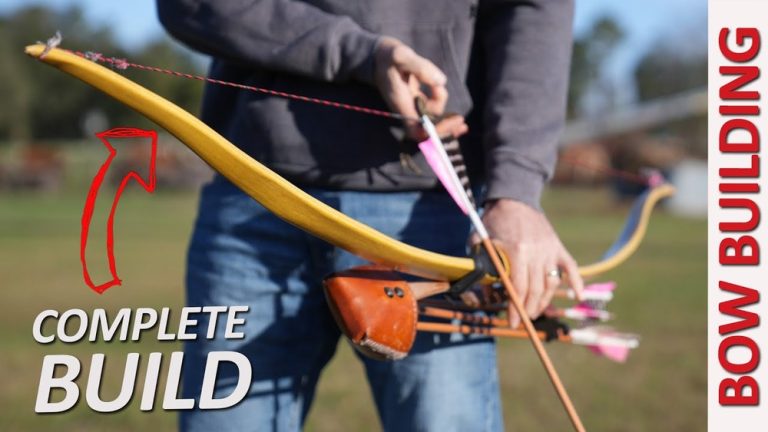
Hunters wore quivers across the back, over the shoulder, or on the hip. Some also carried them on the side. The right position depended on whether the hunter needed speed, concealment, easier reach, or better protection for the arrows while moving through brush, snow, grass, or rocks.
Back carry was useful when both hands had to stay free. Shoulder carry could be easier to shift into position for a draw. Hip or side carry often made access faster in close cover, where a shorter movement could matter more than long-term comfort. No single placement worked best in every setting.
Picture a hunter easing through dense willow thickets. A hip quiver may snag less than a tall back quiver, especially if the shaft ends sit low and the body stays close to cover. In open prairie, by contrast, a back or shoulder carry can keep the arrows secure while the hunter moves faster across ground with fewer obstructions.
Back, shoulder, hip, and hand carry
Back carry kept the quiver out of the way and allowed quick movement. Shoulder carry shifted the weight slightly and could be easier to rotate for access. Hip carry placed the arrows lower, which could help in crouched movement or on rough ground. Hand carry was usually a short-range choice, not a long stalking method.
A hand-carry bundle was practical only when the hunter expected a very short move before shooting or storing the arrows again. It offered no real shaft protection and could be awkward in thick cover. For longer stalks, a quiver was the safer and quieter option.
How were arrows arranged in a quiver?
Many quivers had an open or flip-back top, with the bottom and sides seamed closed. Arrows were often placed tip side down in that design, but that was a carry choice, not a universal rule across every group or every quiver type. The main goal was fast access without wasted motion.
The open top mattered because hunters needed to draw an arrow fast, even in a tense shot window. A closed or narrow mouth could slow access or catch fletching. A flip-back top helped protect the shafts while moving, then opened enough for a clean draw when the hunter reached for the next arrow.
Protection and speed had to work together. A quiver that held arrows too loosely could rattle. One that fit too tightly could slow the draw. The best field design kept the shafts steady, limited noise, and let the hand find the next arrow without searching.
- Keep the arrows stable so shafts do not rub hard against the quiver wall.
- Choose an opening that stays quiet while moving but opens fast at the draw.
- Match the quiver length to the arrow length so the points or nocks do not catch.
- Place the quiver where the hand can reach it without twisting too far.
- Use a carry position that fits the terrain, not just the shortest route to the arrow.
Say your quiver rides on the back during a slow stalk through waist-high grass. If the opening is too loose, the shafts may clack together with each step. A tighter body and a quieter strap solve that problem more directly than changing the hunting pace alone.
Suppose a hunter is moving downhill over broken rock with a hip quiver. A long shaft that protrudes too far can strike the leg or brush against stone. A better fit shortens that risk and keeps the next draw smoother.
Quiver straps and decoration
Quiver straps were made from strong leather or hide. Some were sewn with sinew or hide glue, and some were decorated with quillwork or beadwork. Decoration did not cancel function; it often sat on top of a working carry system that still had to hold firm, ride quietly, and stay balanced under movement.
Strap placement mattered because it changed how the quiver sat on the body. A strap that slung cleanly over the shoulder or back helped keep the opening in a reachable position. Poor placement could tilt the quiver, expose the shafts to snagging, or make the draw awkward when a quick shot was needed.
Decoration could also identify a maker, a family style, or a regional tradition, but the field job remained the same. The quiver still had to carry arrows safely. Fringe, beadwork, and quillwork did not replace structure; they added visual identity to a tool that had to work in the woods, prairie, or mountains.
Why straps and trim mattered in the field
A good strap kept the quiver steady while the hunter walked, crouched, or climbed. A poorly fitted strap let the quiver swing, which could increase noise and slow the draw. Decoration was useful only when it stayed out of the way of the opening, the shaft ends, and the movement of the arm.
Field carry tradeoffs
| carry method | speed of draw | arrow protection | noise risk | best-use scenario |
|---|---|---|---|---|
| Back carry | Moderate | Good if the quiver rides steady | Low to moderate | Longer movement, climbing, or when both hands must stay free |
| Shoulder carry | Moderate to fast | Good | Low to moderate | Stalking with frequent position changes and quick access needs |
| Hip carry | Fast | Fair to good | Moderate | Close cover, crouched movement, and short draws |
| Hand carry | Fast for the next shot only | Poor | Moderate to high | Very short movement between shots or between resting points |
This tradeoff is why no single carry method fits every hunt. Speed helps only if the arrows stay quiet and intact. Protection helps only if the hunter can reach the next shaft without fumbling. The best system balanced both, and the balance shifted with terrain, posture, and expected shot distance.
Frequently asked questions
How did Native American hunters carry arrows while hunting?
They carried arrows in quivers worn on the back, over the shoulder, on the hip, or on the side. Some situations also called for a short hand-carry bundle. The best choice depended on how the hunter moved, how much cover the terrain gave, and how quickly the next arrow had to be drawn.
Did Native Americans use quivers or carry arrows in hand?
They used quivers, but hand carry could appear in short, practical moments. A quiver gave better shaft protection, steadier movement, and easier access during a longer stalk. Carrying arrows in hand offered little protection and made noise or snagging more likely, so it was less useful for extended field movement.
What were Native American quivers made from?
They were made from leather, bark, fibers, wood, furs, and animal skins. Fox, coyote, beaver, otter, raccoon, bear, mountain lion, bobcat, and wolverine skins all appear in traditional examples. Material choice depended on region, available resources, durability needs, and how the quiver would ride on the body.
How many arrows did a Native American quiver hold?
Capacity varied with bow type, arrow length, and hunting need. One reported example is a Mohave fox quiver about 3 feet long, about 3-4 inches across, and carrying 15 arrows. That figure should be treated as a specific example, not as a universal number for all quivers.
Why were quivers designed with open tops?
Open or flip-back tops made it easier to draw an arrow fast. That mattered in hunting and fighting, where a delayed draw could cost a shot. The open top also reduced the need for extra movement, which helped keep noise down and made the next arrow easier to reach under pressure.
Were arrows carried tip up or tip down in a quiver?
Some quivers held arrows tip side down, especially in designs with an open top and closed sides and bottom. That arrangement helped the hunter reach the shaft end quickly. It was not a universal rule across all Native American groups, because quiver shape and carry style varied by region and need.
Did Native American quivers have straps or decoration?
Yes. Quiver straps were often made from strong leather or hide, sometimes sewn with sinew or hide glue. Many also carried beadwork, quillwork, or fringe. Those features could add personal or regional style, but the strap still had to hold the quiver steady and keep the arrows ready for use.